Blog

  • New research challenges long-held views about high heels and joint pain

    New research challenges long-held views about high heels and joint pain

    New research has produced a surprising result, indicating high heel shoes may not be a problem for those with hip osteoarthritis.

    The condition is a very common joint disorder, contributing to tremendous pain for many older people and significant disability.

    Researchers from the Kolling Institute and the University of Sydney adopted an innovative approach, and evaluated the link between wearing shoes with higher heels and hip pain in those with symptomatic hip osteoarthritis. They also investigated whether the length of time in high heels influenced the pain.

    Florance and Cope Chair of Rheumatology Professor David Hunter said it had been difficult in the past to measure the symptoms of hip osteoarthritis, with hip pain fluctuating so greatly and traditional research methods not able to adequately measure short-term risk factors.

    “Our research team adopted a new approach, using an internet-based study of participants with hip osteoarthritis, and recruiting more than 250 people for the study,” Professor Hunter said.

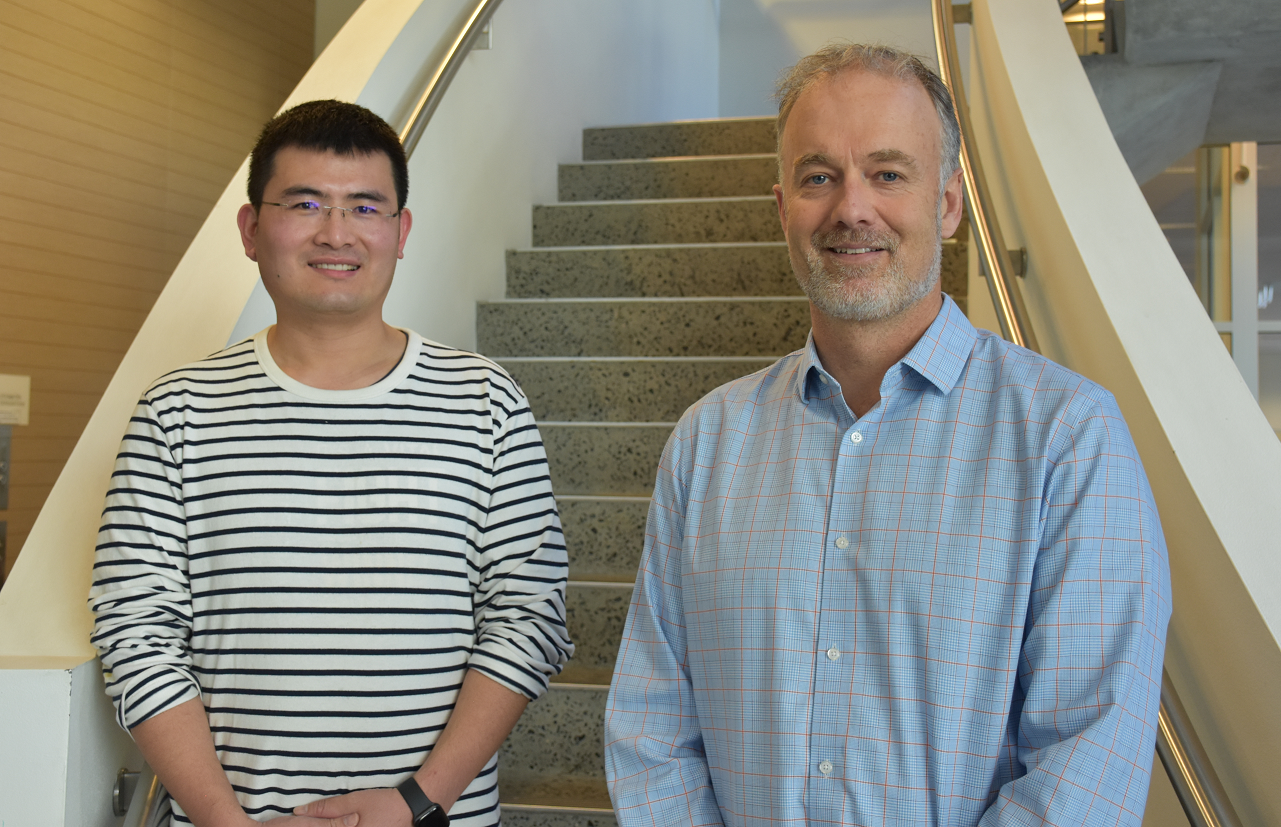
    PhD student Dr Kai Fu, who helped drive the research project, said we found more than 54 per cent of people had experienced pain in the last 90 days, and those who had worn heels over 2.5 centimetres high in the last day had lower levels of pain.

    “In fact, they were 50 per cent less likely to have experienced pain,” he said.

    “Perhaps surprisingly, those who had worn heels for more than six hours the previous day also reported lower levels of pain. This group was 70 per cent less likely to have had pain.

    “These results suggest that heels up to 5 centimetres could be worn without increasing the risk of hip pain.

    “The findings challenge long-held views that high heels exacerbate all musculoskeletal complaints, but we would like to see further research to clearly determine the ideal heel height before more definitive conclusions can be drawn.”

  • Research may lead to early warning test for COVID-19

    Research may lead to early warning test for COVID-19

    For many people with COVID-19, the first sign they had the virus was a loss in their sense of smell.

    Now a team from the Kolling Institute and Royal North Shore Hospital will investigate the correlation between the virus and early symptoms.

    Study lead Associate Professor Rory Clifton-Bligh said a loss of smell has emerged as a common symptom of COVID-19 infection, but the current data is relying on subjective, self-reported information.

    “This study will objectively assess loss of smell with people who have tested positive to COVID-19,” said Associate Professor Clifton-Bligh, head of Endocrinology at RNSH.

    “We will be using a validated test kit for smell identification. Depending upon our findings, it may then be possible to develop a rapid screening test.

    “It’s really pleasing to be involved in such an important study, and we hope it will assist early diagnosis of the virus and future treatment options.

    “We hope it will potentially help a large number people across Australia.”

    Head of Neurogenetics and Executive Director of the Kolling Institute Professor Carolyn Sue will form part of the research team.

    “We have used this smell test before to assess patients with other medical conditions and found it easy to do and interpret,” she said.

    “This new application of the smell test is an exciting way to combine our past expertise with new research collaborations to help solve COVID-19 related health problems for our patients and the general community.”

    The study team is looking to recruit patients who’ve tested positive to COVID-19 and are being monitored through the Royal North Shore Virtual Hospital or have been admitted to RNSH with mild-moderate COVID-19 illness.

    The study will involve a structured questionnaire followed by the smell test, based on the University of Pennsylvania’s Smell Identification Kit.

  • Co-ordinated COVID-19 Research Response

    Co-ordinated COVID-19 Research Response

    Kolling Institute researchers are a key part of a new Northern Sydney Local Health District COVID-19 Clinical Research Group.

    All major specialist disciplines are represented in the group, taking advantage of the breadth of knowledge across the health campus.

    Kolling researcher Associate Professor Clifton-Bligh said we formed the group because we saw a clear need to co-ordinate our clinical research response to the COVID-19 crisis.

    “Our clinical researchers and scientists saw this as a way to harness our varied interests and skills in a strategic, whole-of-health service response,” he said.

    “The rapid evolution of the pandemic has led to new research collaborations and partnerships, and innovative approaches to clinical trials for COVID patients and healthcare workers.”

    The six broad areas of focus include:

    • Emerging treatments for COVID-19
    • Prevention of COVID-19 in high risk groups, including health care workers
    • Biomarker research for diagnosis and prognosis
    • Epidemiology of disease outbreaks in Northern Sydney Local Health District
    • Health services data collection and research
    • The impact on non-COVID-19 related activities (both in healthcare and in research)

    Members of the Northern Sydney Local Health District COVID-19 Clinical Research Group include infectious disease specialist Dr Bernard Hudson, Professor Carolyn Sue, Professor Bruce Robinson and Professor Carol Pollock.

  • Important national COVID-19 study

    Important national COVID-19 study

    For many people with heart disease there’s an increased level of anxiety around the implications of COVID-19, but it’s hoped a new study led by Royal North Shore Hospital will guide future treatment and improve health outcomes.

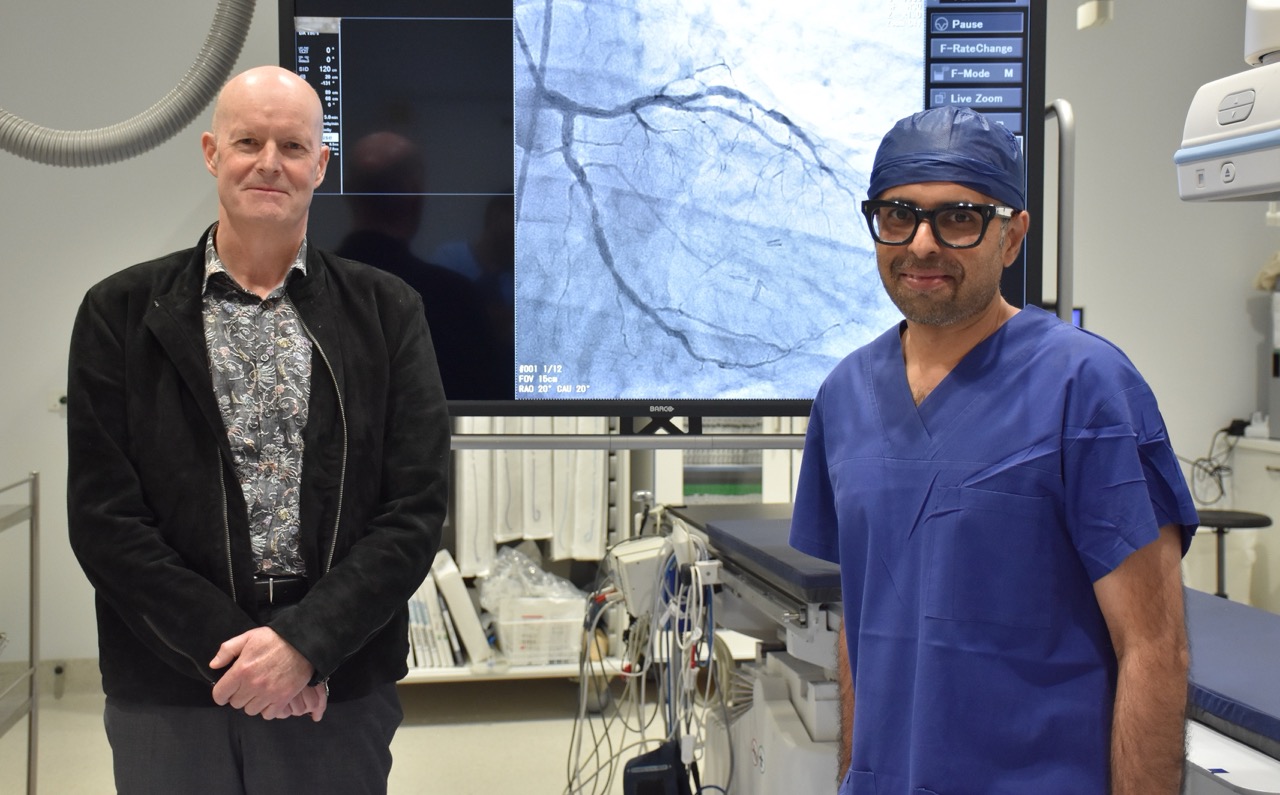
    Head of cardiology Professor Ravinay Bhindi has launched the AUS-COVID study, which will involve more than 800 patients in over 20 hospitals across Australia.

    The Kolling Institute researcher said the study aims to provide clinicians and health services with the valuable information they need to lower complications for COVID-19 patients with cardiovascular disease.

    “There is a lot we just don’t know about COVID-19, although there is some early data from China and Europe suggesting that cardiac patients are particularly vulnerable,” Professor Bhindi said.

    “This leads to increased anxiety for patients and it means general practitioners and clinicians are not thoroughly informed about the implications for this group.

    “The study will provide timely advice to help clinicians allocate resources and identify patients most likely to deteriorate and therefore require a higher level of care.

    “It will also help identify the patients unlikely to deteriorate, who can be safely discharged.

    “Importantly, the AUS-COVID study will provide information on the safety of continuing common cardiac medications for patients with COVID-19.

    “This is a really important national study which we believe will assist the large numbers of people with cardiovascular disease in Australia,” he said.

    Matthew Gray, who was diagnosed with heart disease two years ago has welcomed the research.

    “It’s a timely, landmark study which will help fill the gaps in knowledge, and assist GPs and clinicians to better manage people with heart disease who develop Covid,” he said.

    “As a result of the research, there’ll be reliable information which will directly help me mange my health.”

    The AUS-COVID study is receiving financial support from the Northern Sydney Local Health District and the Ramsay Hospital Research Foundation. 

  • Multiple medications cause frailty, but this can be reversed

    Multiple medications cause frailty, but this can be reversed

    A world-first study by a team from the Kolling Institute may inform the future use of multiple medications by older people, minimising adverse impacts including frailty.

    The longitudinal research is the first preclinical study to demonstrate that multiple medications can impair function in old age, and that stopping some can reduce harm.

    Research lead, Professor Sarah Hilmer said until now there’s been uncertainty about whether it’s the number of drugs, the type or the dose of drugs, and whether these effects are reversible once the medications are stopped.

    Our research, conducted by Dr John Mach with a team of local, national and international scientists, applied rigorous methods in ageing biology and biostatistics to measure the impact of multiple medications in old age.

    “For the first time, we found that multiple medications increased frailty and impaired function, and interestingly, it was not the number of drugs, but the type and dose of medications that caused the adverse outcomes, said Prof Hilmer, Head of the Department of Clinical Pharmacology at RNSH and Uni of Sydney Conjoint Professor of Geriatric Pharmacology.

    “We also found that the adverse effects on frailty and function reduced after stopping the medications.

    What the study means

    “This research provides the critical evidence required to inform a medication review in our ageing population, not just in Australia, but also internationally.

    “We now know which mix of medications cause frailty and reduce independence in old age, and that these effects are reversible once the medications are stopped.

    “As a geriatrician, this gives me the evidence I need to optimise medications for my older patients. I can be confident about which drug exposures are exacerbating frailty, and weigh those risks against any potential benefits.

    “It also means that I know their function and independence are likely to improve by withdrawing medications,” Prof Hilmer said.

    The three-year international study has been published in the Journals of Gerontology: Biological Sciences.

  • Celebrating 100 years of research excellence

    Celebrating 100 years of research excellence

    2020 is an important year for the Kolling Institute as it marks the 100 year anniversary of the research organisation.

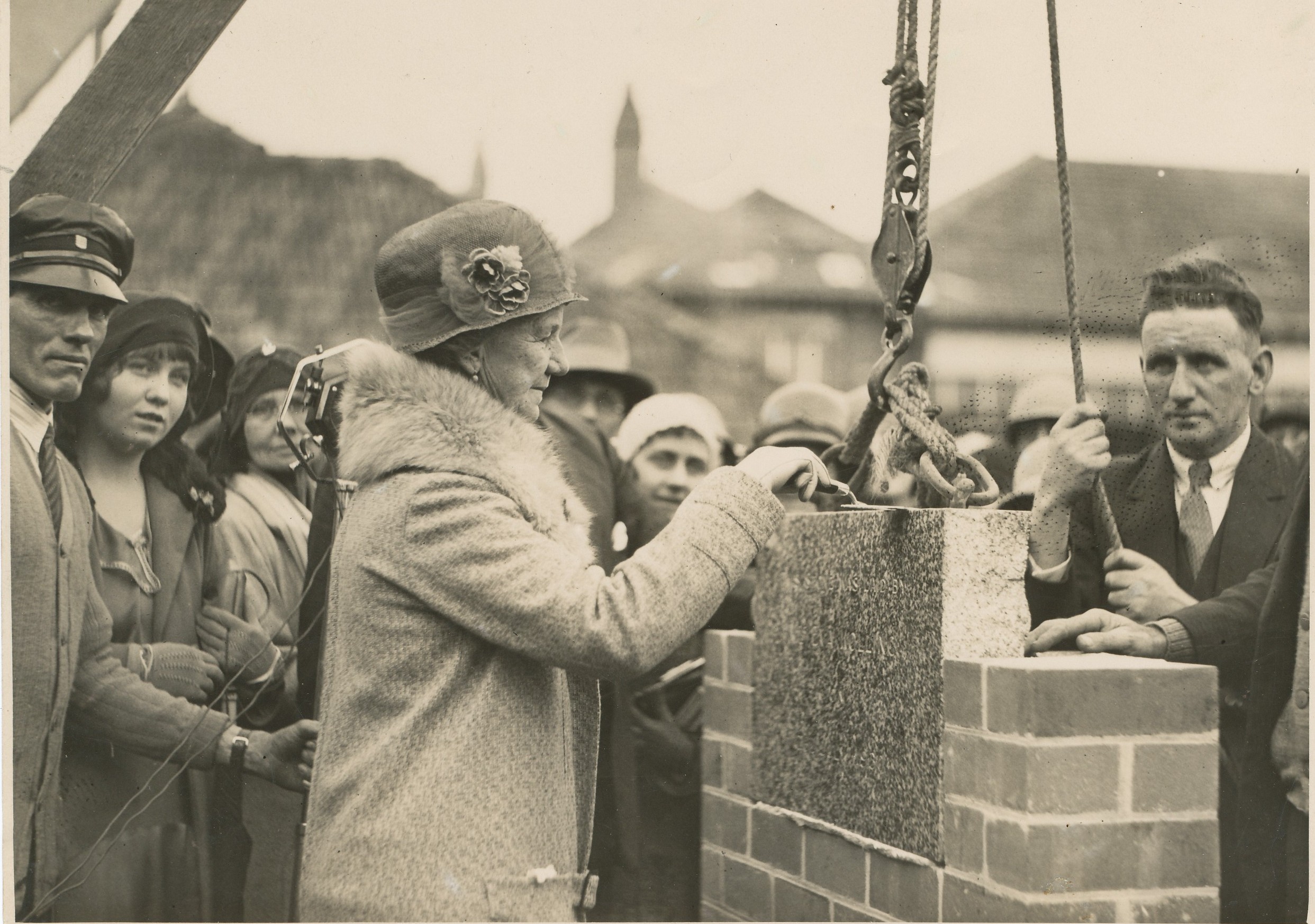
    As the longest-running medical research institute in New South Wales, the Kolling has a very rich history. Originally named the Institute of Pathological Research of NSW, the organisation was established in a cottage within the grounds of Royal North Shore Hospital in 1920.

    Biochemist. Doctor W. Wilson Ingram was appointed the institute’s first director in 1928 and remained in that position for almost 50 years. He was instrumental in the opening of Australia’s first clinic to treat diabetes and his work helped to develop a greater understanding of the condition.

    The Kolling has had just five directors over the past 100 years, and current Director of Research Professor Carolyn Sue said we are all benefitting from the wonderful legacy of the many dedicated researchers over the past century.

    “Many juggled clinical and research responsibilities, and led medical progress in their individual areas of expertise.

    “The Kolling Institute is today regarded as a centre for world leading research and well-respected across the government, industry and the community.

    “I would like to acknowledge all those who’ve contributed to the institute over the past 100 years, including our current large team of researchers who are all driven to improve health services and patient outcomes,” Prof Sue said.

  • International focus on our ovarian cancer research

    International focus on our ovarian cancer research

    In an exciting breakthrough, researchers from the Kolling Institute’s Bill Walsh Lab have identified new genes involved in the spread of ovarian cancer.

    Tragically, it is the deadliest female cancer, claiming more than 900 lives in Australia each year. Most women are diagnosed relatively late, when the cancer has spread, significantly reducing their chances of survival.

    The ovarian cancer research team from the Bill Walsh Lab is focusing its efforts on the role of the tumour microenvironment.

    Newest team member Dr Razia Zakarya said this microenvironment provides the support network that the tumour cells need to survive and spread throughout the body.

    “With the tumour cells relying heavily on their local microenvironment, it is emerging as an important target.

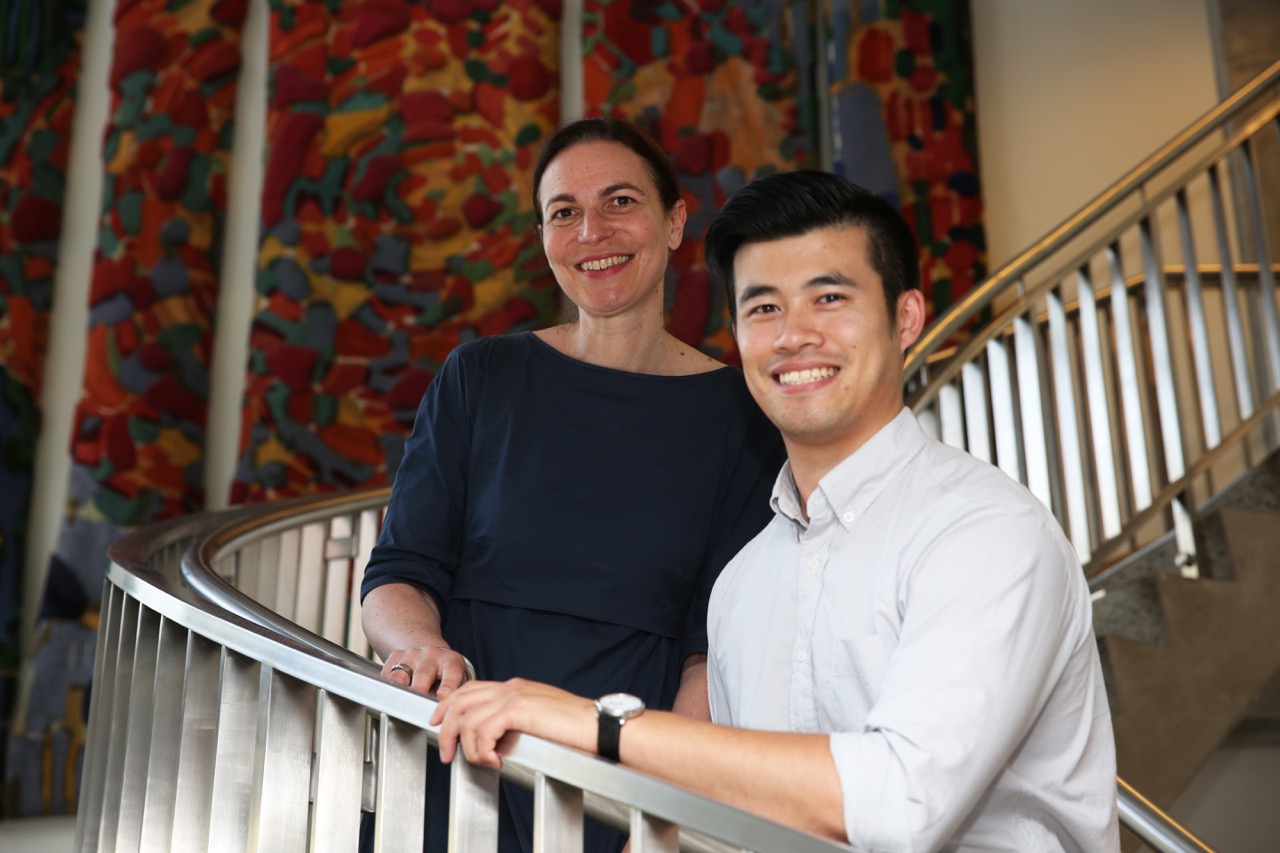
    Lead author Dr Emily Colvin said we have been investigating the role of a specific cell in the ovarian tumour microenvironment called a cancer-associated fibroblast.

    “We have identified new genes that are switched on in these fibroblasts and influence ovarian tumour spread. Our results also suggest that these genes may even play a role in how ovarian tumours avoid destruction by the immune system,” she said.

    Research Director A/Prof Viive Howell said there is a real need for more research to improve outcomes for women diagnosed with ovarian cancer.

    “We are very grateful for the generous support from patient donations for this research.

    “These exciting results confirm the crucial role of the tumor microenvironment in the spread of ovarian cancer. We hope to continue this research to find new ways to target the tumor microenvironment and control ovarian cancer spread.”

    The research is receiving international attention following publication in the journal Cancer Science.

  • Common medication may lower risk of “heartbreak”

    Common medication may lower risk of “heartbreak”

    RNSH cardiologist Professor Geoffrey Tofler has led a world-first study which found that common medications can reduce the risk of heart attack in those grieving a loved one.

    Professor Tofler said while most people gradually adjust to the loss of a loved one, there is an increase in heart attacks and death among bereaved people, particularly those grieving a spouse or child.

    “This risk can last up to six months and is at its highest in the first days following bereavement.

    “Our study, involving the Kolling Institute, Royal North Shore and the University of Sydney, was the first clinical trial to show it is possible to reduce several cardiac risk factors during bereavement.”

    85 spouses or parents were enrolled in the study within two weeks of losing a family member. Half the group received low daily doses of a beta blocker and aspirin for six weeks, while the other half were given placebos.

    “The main finding was that the active medication successfully reduced blood pressure and heart rate, as well as demonstrating some positive change in blood clotting tendency,” said Professor Tofler.

    “We were also reassured that the medication had no adverse effect on the psychological responses, and indeed lessened symptoms of anxiety and depression,” said Professor Tofler

    “Encouragingly, and to our surprise, reduced levels of anxiety and blood pressure persisted even after stopping the six weeks of daily beta blocker and aspirin.”

    Co-investigator Associate Professor Tom Buckley said the study builds on the team’s work in this area.

    “While beta blockers and aspirin have been commonly used long term to reduce cardiovascular risk, they have not previously been used in this way as a short-term preventative therapy during bereavement.

    “Future studies are needed to assess if these medications could be used for other short periods of severe emotional stress such as after natural disasters, where currently there are no guidelines to inform clinicians,” he said.

    Professor Tofler expressed gratitude to the participants whose loved ones died at Royal North Shore and the other Northern Sydney hospitals. He said the study required a major multidisciplinary effort and support from hospital staff.

    The study co-authors were Marie-Christine Morel-Kopp, Monica Spinaze, Jill Dent, Christopher Ward, Sharon McKinley, Anastasia Mihailidou, Jennifer Havyatt, Victoria Whitfield, Roger Bartrop (dec), Judith Fethney, Holly Prigerson and Thomas Buckley.

    The study has received international attention and been published in the prestigious American Heart Journal. It was funded by Heart Research Australia.

  • Research spotlight on specialist NICU team

    Research spotlight on specialist NICU team

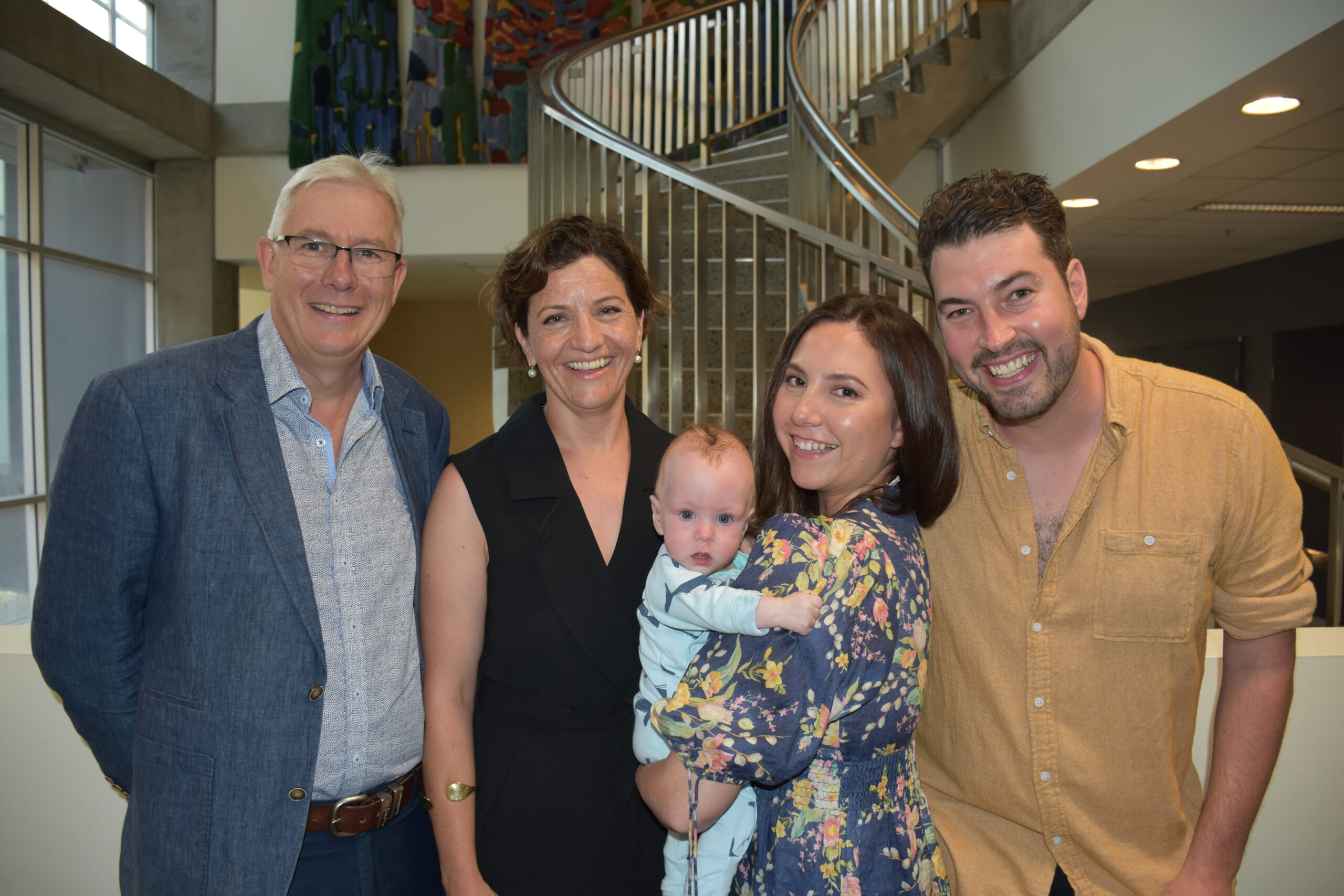
    Celebrity couple Hayden James and Jennifer Luby shared their emotional journey following the premature birth of their son during the inaugural Women and Babies Research team seminar at the Kolling.

    Hayden, an award winning Australian musician and DJ, and his wife Jennifer, a Sydney-based artist, spent 87 days in the Neonatal Intensive Care Unit at RNSH last year. Their son James was born at 30 weeks, remarkably weighing just under one kilogram.

    James received intensive specialist treatment by the multidisciplinary team and now at six months, is a happy and thriving baby.

    His parents described their experience in the NICU as emotional, traumatic and surreal, but ultimately joyous.

    Jennifer said one comforting factor was we knew we were in the best possible place and in the best possible hands, and we will be forever grateful to the team.

    “The NICU staff were amazing – just angels – and they really saved James’ life. We are so thankful for the nurses, doctors, social workers and specialist staff.”

    Those comments were echoed by Hayden, who said the more information they received, and the more in-depth it was, the more it filled them with confidence.

    He also welcomed the chance to share their experience with other parents going through the same journey in the NICU.

    “For us, it was a matter of time for James to develop and gain weight, and on some occasions, it felt like Groundhog Day and was very tough mentally.

    “The best day of our lives was driving home – the three of us, and we are now enjoying normal parent activities, and just being together,” he said.

    The seminar was also addressed by leading neonatal paediatrician Professor Lex Doyle, who discussed the latest research trends for babies born early and their long term health outcomes.

    The event was the first public seminar hosted by the Women and Babies Research group. It investigates factors linked to pregnancy problems such as preterm birth, diabetes and hypertension with the aim of ensuring all babies have the best chance of a healthy start to life.

    Further information and free educational material can be found at www.everyweekcounts.com.au 

  • World-first discovery

    World-first discovery

    Kolling Institute scientist Dr Yo Otsu and a team of researchers have discovered a unique receptor in the brain which can regulate negative moods.

    The finding is the culmination of eight years of painstaking investigation, involving Dr Otsu and researchers from France, Canada and Hungary.

    The research has been published in the top academic journal Science, highlighting the discovery of the excitatory glycine receptor in a little known region of the adult brain, the medial habenula.

    Dr Otsu, who is the first author on the paper, said he and his colleagues now believe the receptor plays a role in regulating negative moods.

    “The function of the medial habenula is not very well understood, but it is thought to play a role in depression, stress, anxiety and nicotine addiction,” said Dr. Otsu.

    “Therefore, the discovery of this rare type of receptor and its role in modulating anxiety means it has the potential to be a highly specific target for mood regulating drugs.

    “Existing medications to treat conditions like anxiety and depression have side effects because they affect the whole brain.

    “The discovery of this receptor offers the potential to create much more targeted medicines with fewer side-effects,” he said.

    Dr Karin Aubrey from the Pain Management Research Institute’s Neurobiology of Pain Lab, where Dr. Otsu now works, said the finding opens up a whole new area of brain research.

    “We will begin new research within the Kolling Institute to further understand the role of this receptor, with the ultimate goal of developing medications to target it,” Dr Aubrey said.

NSWGOV logo