Blog
-

The Kolling unveils new research strategy
The Kolling Institute Research Strategy has been launched, setting the strategic framework for the institute over the next five years and broadening opportunities to achieve high-quality translational research.
Three research priority areas have been identified during the formation of the strategy including musculoskeletal, neuroscience and pain, and cardiovascular and renal research.
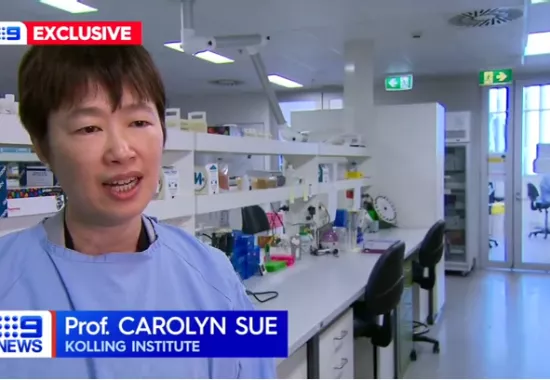
Kolling Institute Executive Director Professor Carolyn Sue said these areas of research investigate some of the biggest health challenges of our time.
“Collectively, they cost the community billions of dollars a year in health, personal and economic costs,” she said.
“There is tremendous expertise across these disciplines within the Kolling, with many researchers world renowned in their fields. Our research teams have a track record of outstanding success, a unique breadth of skills and knowledge and globally recognised expertise.
“By focusing on these areas, we are moving to strengthen our ability to achieve game-changing research and ultimately improve the health of our community.”
A key component of the new strategy is the provision of research enablers, which will be instrumental in providing collaborative opportunities, modern platforms and infrastructure, and diversified funding.
The research enablers will focus on the following areas:
- Clinical trials and translation
- Data and informatics
- Research infrastructure and support services
- Recruitment and retention
Professor Sue said the strategy will identify opportunities for the Kolling to become a national leader in clinical trials and translational practice, building on existing strengths in this area.
“Our researchers work within Royal North Shore Hospital, one of Sydney’s largest tertiary hospitals, with extensive access to patient groups and state of the art facilities,” she said.
“This means our teams can directly incorporate scientific discoveries and evidenced-based improvements into patient care.
“We expect there will be a greater involvement in industry trials by building on our expertise and reputation as a leader in clinical trials.
“The measures incorporated in the new strategy are aimed at assisting teams to increase the impact of their research.
“They will provide a robust strategic framework, delivering new opportunities, greater assistance, access to high quality facilities and new partnerships both within and outside the organisation.”
As a joint venture between the University of Sydney and the Northern Sydney Local Health District, the research strategy will see enhanced support from the joint venture partners.
Professor Robyn Ward, Executive Dean and Pro Vice Chancellor of Medicine and Health at the University of Sydney said one of the key initiatives will see the Kolling promoted as the vehicle for pursuing our translational research priorities.
“The Faculty of Medicine and Health and Northern Sydney Local Health District have now established the Northern Sydney Precinct unit, to provide dedicated local support for research performance, infrastructure and career development as well as grant management,” she said.
“This will be a unique opportunity to explore new ways of pursuing our long-standing partnership, to deliver for our own communities, and to make our mark on the world stage.”
Chief Executive of the Northern Sydney Local Health District Deb Willcox said the research strategy will strengthen the Kolling’s reputation, both nationally and internationally, as a centre for translational research excellence.
“With the Kolling located alongside Royal North Shore Hospital, researchers are embedded within a large health system,” she said.
“This paves the way for strong collaborations between researchers and clinical teams, and efficiently delivers improvements to patient care and long term health outcomes.”
-

Every week counts in the lead up to birth
The Kolling’s Women and Babies Research team is calling for a reduction in the number of early births, with the latest research highlighting the benefits of labour as close to 40 weeks as possible.
Twenty years ago, the majority of women gave birth at 40 weeks. Today it’s between 38 and 39 weeks and continuing to get earlier.
This trend is due to the growing number of planned early births at 36, 37 and 38 weeks, either by induction of labour or by planned caesarean section prior to the onset of labour.
Women and Babies Research Director Professor Jonathan Morris said we now have increasing evidence around the benefits of babies being born as close to 40 weeks as possible.
“There’s very important development in the last few weeks of pregnancy,” he said.
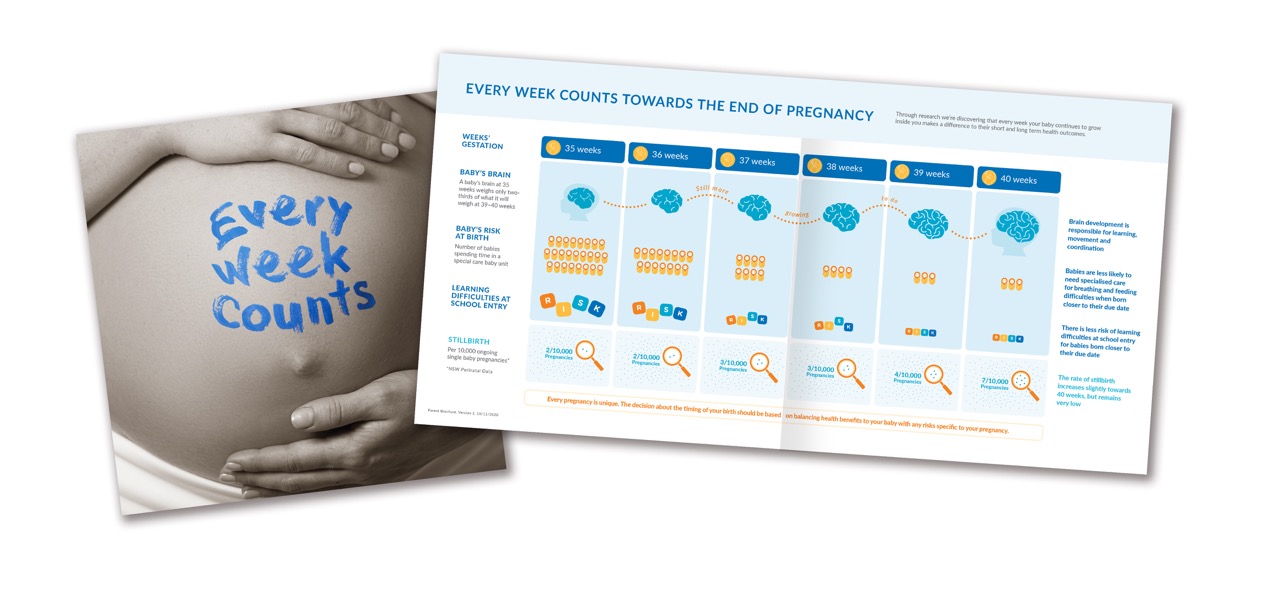
“A baby’s brain for instance increases in weight by 50% in the last 4-5 weeks of pregnancy.
“For every week that a baby is born earlier than 39 weeks, there is a small but significant increase in the risk of the child performing less well in school assessments.
“Our research indicates that for every week a baby can remain safely inside their mother’s womb, their short and long-term health and developmental outcomes improve.”
Professor Morris acknowledges the circumstances around each birth need to be considered.
“Any benefits of prolonging pregnancy need balancing against the small risk of stillbirth which increases with gestational age from 2 per 10,000 ongoing pregnancies at 35 weeks of gestation up to 7 per 10,000 ongoing pregnancies at 40 weeks of gestation.
“With new research data now available, we would like to see women offered additional information around the risks of stillbirth, and we have now reviewed the information provided by our research team across Australia.
“It’s important for women and their healthcare providers to be able to make informed decisions based on the latest evidenced-based data and research.”
Further information is available through the ‘Every Week Counts’ campaign brochures and website. www.everyweekcounts.com.au
-

Kolling researcher honoured with prestigious, international role
Congratulations to the Kolling’s Acting Executive Director Professor Chris Little following his election to the Board of Directors of the Orthopaedic Research Society.
It is regarded as the world’s leading orthopaedic research society, representing clinicians and researchers across the scientific spectrum from fundamental science to clinical research and clinical trials.
Professor Little, the Director of the Raymond Purves Bone and Joint Research Lab, has been elected to the high-profile, international board for two years.
“I’m deeply honoured to have been elected to the board, and excited to be part of this world-leading musculoskeletal research society,” he said.
“I have been a member of the society for more than 20 years, and it’s been a critical part of my research over that time, providing collaborations and mentors that have shaped my career.
“I would like to support the society so it can have the same positive impact on today’s emerging musculoskeletal researchers as it did for me.
“Despite the scale of musculoskeletal diseases across the community, there is a clear need for additional funding and support, and fresh ideas. The sector is often the poor cousin when it comes to key announcements.
“There’s a tremendous number of people and organisations working across the musculoskeletal field, and I’m convinced that by working together, we will be in a better position to secure additional funding and improve long-term health outcomes.
“It really begins and ends with excellence in research, and if we provide an environment of learning, mentorship and collaboration, and enable great research across the sector, we will make tangible health gains.”
-

Executive Director joins elite group of Australian health professionals
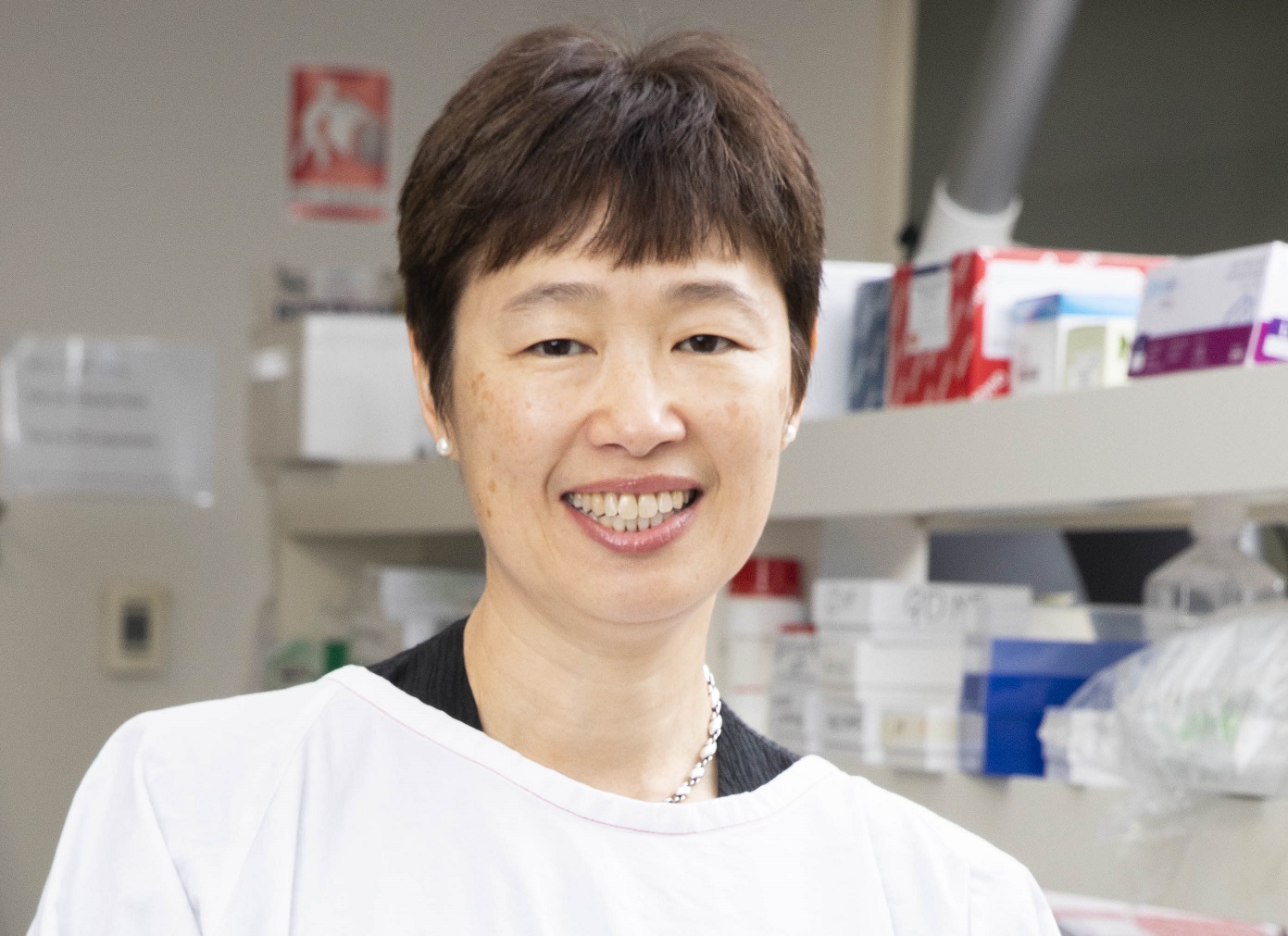
Congratulations to the Kolling’s Executive Director Professor Carolyn Sue, elected a Fellow of the Australian Academy of Health and Medical Sciences for her outstanding contribution to health and medical research in Australia.
Professor Sue is part of a distinguished group recognised for their personal achievement, outstanding leadership and continuing involvement in health and medicine-related sciences in Australia.
“I am honoured to be elected a Fellow of the Australian Academy of Health and Medical Sciences and join many inspirational colleagues who I have long since admired,” she said.
“I would like to acknowledge both my clinical and laboratory research teams who share this recognition with me as we work together to find better ways to improve the lives of the patients we care for.”
Professor Sue is a neurologist, internationally respected for her expertise in mitochondrial disorders and Parkinson’s disease. As a clinician scientist at the Kolling Institute and Royal North Shore Hospital, Professor Sue runs the country’s largest tertiary referral clinic for patients with complex neurogenetic conditions, including Parkinson’s disease, mitochondrial diseases and other inherited movement disorders.
Her research has led to improved diagnosis and treatment of mitochondrial diseases, and identified the prevalence of mitochondrial DNA mutations in the community.
Under her leadership, research in the Department of Neurogenetics focuses on bridging the gap between clinical and molecular science. Professor Sue has a major interest in understanding the disease processes involved in neurological disorders, with an emphasis on developing new treatment options.
In 2019, Professor Sue was awarded the Order of Australia for significant services to medicine, and in recent weeks she received funding for a game-changing research project to improve our understanding of the genetic links to Parkinson’s disease.
Professor Sue recently received significant NHMRC funding for a project to improve access to diagnosis for mitochondrial disease patients. The innovative model is set to have national and global benefits.
-

Exciting new research into Parkinson’s Disease
The Kolling Institute’s Executive Director Professor Carolyn Sue will help drive an exciting international project to identify the genetic links to Parkinson’s disease and new ways to treat the debilitating disorder.
-

Researchers guide better use of medicines
With the majority of older Australians taking five or more medications, a team from the Kolling Institute has developed a valuable tool to better understand adverse outcomes.
The analytical resource has been developed by Professor Sarah Hilmer and Dr John Mach, after several years of research investigating the effects of using multiple medications.
Previous studies have generally looked at the interaction between drug pairs, but the research conducted by the Geoff and Elaine Penney Ageing Research Unit has had a much broader scope, examining the impact of taking multiple medications.
Dr Mach anticipates strong interest in the research findings with two thirds of older Australians regularly using five or more medicines.
“We know that taking multiple medications is common in old age, and that the more medications that people take, the more likely they are to have adverse drug reactions,” he said.
“However, we do not really understand how drugs interact when several drugs are used together.
“Following our research, we’ve been able to develop an analytical method to better understand the complex drug interactions when using multiple medications.
“We believe this tool will provide an evidence-based resource to guide clinicians when prescribing medications for older patients in hospitals, aged care facilities and across the broader community.
“We hope this method will be used not just in Australia, but internationally as well to help understand drug interactions and improve patient outcomes.”
-

Gout cases increasing worldwide
The prevalence of gout – a form of arthritis characterised by severe pain, redness and joint tenderness has increased across the world at an alarming rate.
That’s according to Kolling Institute researcher Dr Emma Smith, who was the senior author of a research paper analysing the condition from 1990 to 2017.
The paper, published in Arthritis & Rheumatology, found there were more than 41 million cases of gout in 2017, representing an increase of over five per cent from 1990.
Dr Smith said her analysis showed gout was more common in males and in older individuals, and generally higher in developed regions and countries.
“We also found high body mass index and impaired kidney function were risk factors for gout, and we expect the number of cases will continue to climb,” she said.
“The increasing trend of gout burden is likely to continue, with the global ageing population on the rise.
“Greater efforts are needed to reduce the burden of gout through early diagnosis and treatment, and better awareness of the risk factors.”
-

Research to help reduce smoking in pregnancy
A large scale review has found the number of women smoking during pregnancy in NSW has halved, and yet there are still some concerning trends prompting calls for targeted campaigns.
Researchers from the Kolling Institute and the University of Sydney, analysed smoking rates in all pregnancies in New South Wales over a 22 year period from 1994 to 2016.
The Women and Babies Research team found the overall smoking rates during pregnancy have more than halved from 22.1% in 1994 to 8.3% in 2016, with less than one in ten women smoking during pregnancy at the end of the study period. The numbers fell from 19,850 women to 7,820.
Director of Women and Babies Research, Professor Jonathan Morris, said the reduction in numbers was positive and reflected the success of anti-smoking initiatives such as plain packaging and mandatory health warnings.
“The decrease however, was the lowest among younger mothers, under 25, and women from a lower socio economic background,” he said.
“The data indicated the highest rates of smoking were clustered in just four areas, including Hunter New England, South Western Sydney, Western Sydney and Western NSW.
“Over half the women who smoked during pregnancy lived in one these four regions, and up to 21% of women in these areas continued to smoke while they were pregnant.
“These trends are concerning and contributing to poor but avoidable health outcomes, such as stillbirth, neonatal death, low birth weight and preterm birth,” he said.
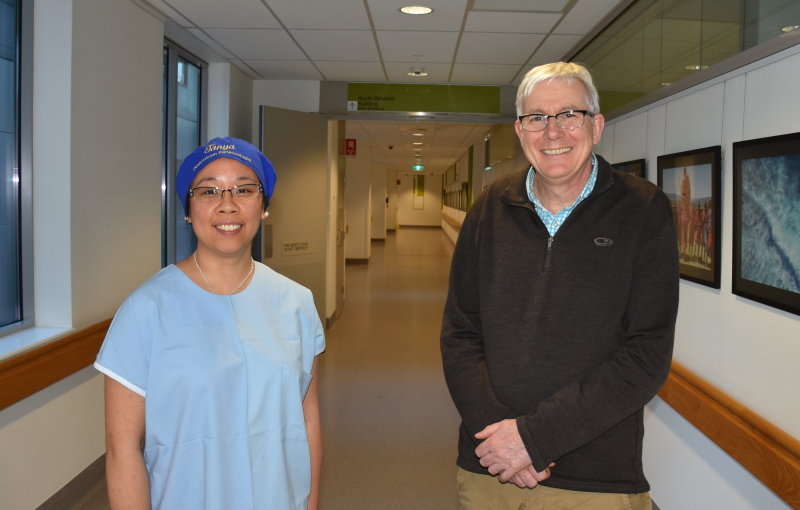
Associate Professor Tanya Nippita said around 8000 pregnancies each year are exposed to maternal smoking, and we would like to see that figure drop substantially.
“Armed with our research data, we believe the greatest reduction in smoking during pregnancy is likely to come from interventions targeting the four regions with the highest rates,” she said.
“Tailored programs represent the best use of resources, with the potential to achieve the best results.
“This is an important example of strong research data translating to improved public health outcomes,” she said.
-

Which jobs put you at risk of developing a disabling knee condition?
A global review has identified the jobs most likely to lead to knee osteoarthritis, prompting calls for greater measures to reduce the painful condition.
More than 70 studies, involving nearly a million people were analysed as part of the biggest review of the knee condition.
The international study brought together teams from the Universities of Sydney, Oxford and Southampton.
Researchers found construction workers, cleaners, miners, farmers and surprisingly stay-at-home parents were all more likely to develop osteoarthritis.
Professor David Hunter, from the Kolling’s Institute of Bone and Joint Research, said they also identified the activities which increased the risk of joint disease, like excessive kneeling, squatting, standing, lifting and climbing stairs.
“This large scale review was important to highlight the direct link between specific jobs and knee osteoarthritis, a leading cause of loss of work and disability worldwide.
“One in eight people currently have the condition, and that number is expected to jump by 50 per cent in the next 15 years.”
Lead author Dr Xia Wang, also from the Institute of Bone and Joint Research said knee osteoarthritis can lead to invasive surgery including total knee replacements.
“We hope this research will lead to additional measures to reduce the occupational hazards across a broad range of jobs,” she said.
“We also hope it will promote the steps individuals can take to reduce their risk, such as reducing their weight, improving the strength of the muscles around the joint, and reducing the load on the joint when working.”