Blog

  • New technology holds the key to better care for whiplash injuries

    New technology holds the key to better care for whiplash injuries

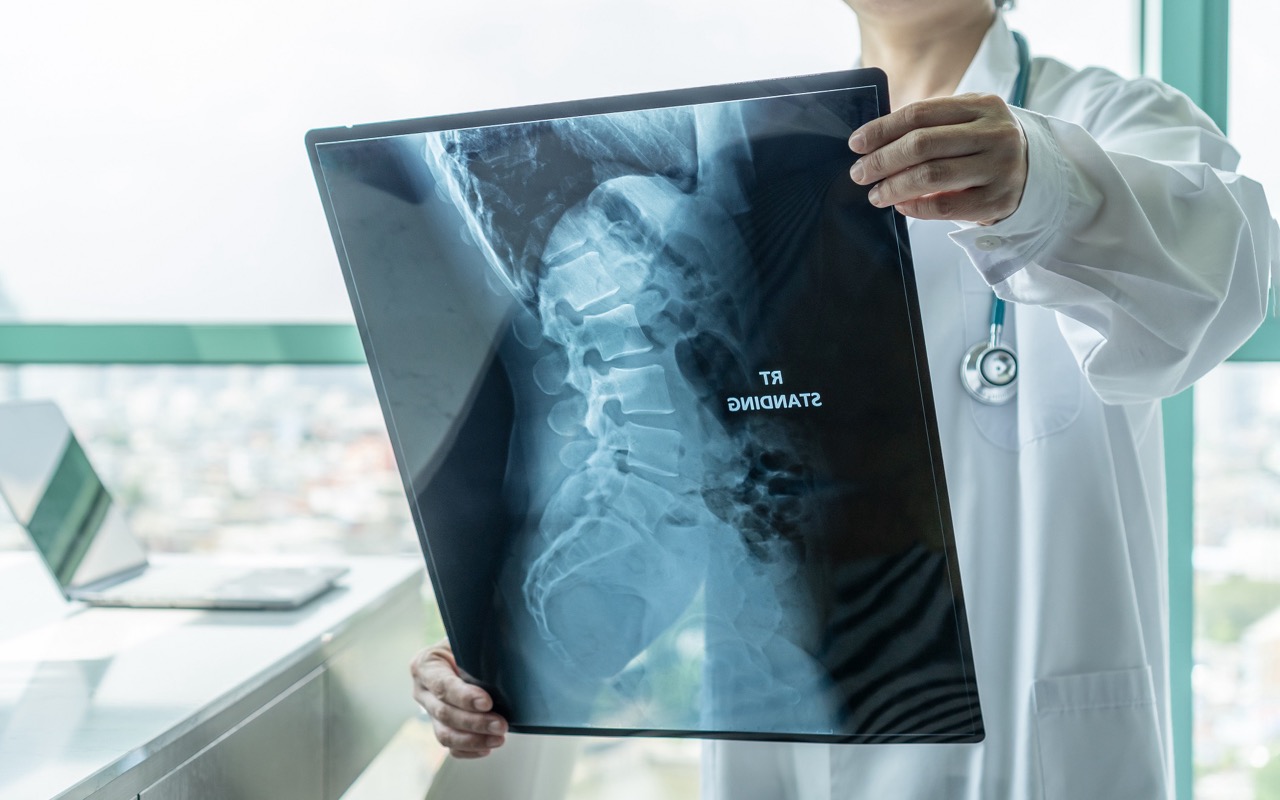
    New research is set to revolutionise the diagnosis and treatment of whiplash injuries, one of the most common and challenging injuries following a non-catastrophic motor vehicle collision.

    The longitudinal study, conducted over more than five years, involved researchers from the Kolling Institute along with scientists from Northwestern University, University of Colorado and Stanford University.

    Close to 100 people were recruited to the trial soon after experiencing a motor vehicle collision. 84 of those underwent MRI scans of their neck two weeks after their crash and then again at 12 months.

    The scans measured muscle composition, a key indicator of whiplash injury and other disorders of the cervical spine.

    The Kolling’s Acting Executive Director Professor Jim Elliott said the project took advantage of improvements in the evolution of high resolution MRI and rapid acquisition and measurement techniques.

    “We innovatively applied artificial intelligence, dramatically reducing the processing times of measuring muscle composition from hours to seconds with automatic segmentation,” he said.

    “We found the changes in muscle composition occurred in both men and women, but to a larger extent in women and in the deep muscles, attaching directly to the spine. These findings raise questions around why these changes occurred and how they should be managed.

    “Our study demonstrated a game-changing approach which may have significant implications for the diagnosis and treatment of those with a whiplash injury or other disorders of the cervical spine.

    “The gains in MRI technology and the rapid acquisition techniques mean we are able to diagnose injuries which wouldn’t have been captured in the past, opening up new treatment pathways.

    “The technique provides accurate and rapid, quantitative assessment of the complex muscles traversing the cervical spine, and importantly, this process could be incorporated into clinical radiology practice.”

    The Professor of Allied Health in the Northern Sydney Local Health District and the Faculty of Medicine and Health at the University of Sydney said the findings are significant.

    “Whiplash-associated-disorders are the most common outcome for the 2.6 million Australians and four million Americans involved in a non-catastrophic motor vehicle collision every year.

    “Half of those injured recover rapidly, but the other half continue to experience long-term health issues, with neck pain the most common symptom.

    “Whiplash-associated-disorders are a leading cause of disability worldwide. They represent a considerable financial burden, costing the Australian economy around a $AUD1 billion a year, and the American economy more than $USD100 billion per annum.

    “Given these circumstances, there is an urgent need for new diagnostics and effective strategies to identify and mitigate the risk of chronic whiplash-associated-disorders.

    “We believe this new technological approach will deliver diagnostic, predictive and clinical benefits.”

    Other authors on the paper include Todd B. Parrish, Rebecca Abbott, Marie Wasielewski (Northwestern University), Andrew C. Smith (University of Colorado) and Kenneth A Weber II, Vivie Bojilov, Trevor Hastie and Sean Mackey (Stanford University).

    The study has been published in Scientific Reports.

  • Researchers partner with industry for innovative study into osteoarthritis

    Regeneus, a clinical-stage regenerative medicine company, has announced an exciting research collaboration with Professor Christopher Little and the Raymond Purves Bone and Joint Research Laboratory at the Kolling Institute.

    The study will further explore the disease modifying effects of Progenza™ and assess its effect in modulating the inflammatory and immune responses in a pre-clinical mode of post-traumatic osteoarthritis.

    The study will assess Progenza™ in a destabilization of the medial meniscus osteoarthritis model, measuring the effect of Progenza™ versus control on both progressive pathology, via cartilage and bone structure changes, and on pain.

    Inflammatory and immune responses will be assessed by measuring different immune cell populations. The study is expected to be completed in the first quarter of next year.

    Regeneus and Professor Little have worked together over a number years, previously conducting equine animal studies.

    Regeneus CEO Karolis Rosickas said we are very pleased to be working with Professor Little and his team.

    “We look forward to working together on this important study which will support our Progenza™ clinical program, where we will shortly commence Phase 2 trial in Japan with our partner Kyocera and are currently conducting preparatory work for a US Phase 2 study.”

    Professor Little, a Professor in the Faculty Medical and Health University of Sydney and Director of the Raymond Purves Bone and Joint Research Lab has welcomed the collaboration, saying we are pleased to be working with Regeneus on this study.

    “We have come to understand that osteoarthritis is not simply a wearing out of the joint, but a complex active biological process in all the different tissues of the joint,” he said.

    “Importantly, this local process is also impacted by the broader immune and nervous systems.

    “Optimising potential osteoarthritis therapeutics therefore requires a better understanding of how the full spectrum of these pathologies are modulated.”

    The Raymond Purves Bone and Joint Research Lab leads Australia in research into some of the key musculoskeletal diseases affecting our population, including osteoarthritis, tendon injury and intervertebral disc degeneration.

  • Research directs spotlight onto the effectiveness of spinal surgery

    Research directs spotlight onto the effectiveness of spinal surgery

    New research has found that while the majority of Australian spinal surgeons expect large improvements from common spinal procedures, they say there is only poor quality scientific evidence demonstrating the effectiveness of surgery compared with non-surgical approaches like physiotherapy.

    A team from the Kolling Institute’s Back Pain Research group and the University of Sydney surveyed around a third of the nation’s spinal surgeons in the largest study of its type in Australia.

    The research was the first in the world to examine surgeon’s opinions on the evidence for the two most common spinal surgeries, lumbar decompression and microdiscectomy.

    Principle investigator David Anderson said it was important to investigate the efficacy of these surgeries which are undertaken to reduce the pain and improve mobility with lumbar spinal stenosis.

    “This can be a painful, disabling condition and the most common cause of spine surgery in older adults,” he said.

    “Our investigations found that while surgeons on average expect an 86 per cent improvement in a person’s pain three months after lumbar decompression surgery, and a 89 per cent improvement after microdiscectomy, they believed more research was necessary.

    “Just under 90 per cent of surgeons said more data was needed on the effectiveness of spinal surgeries compared with non-surgical treatments like physiotherapy and medications.

    “Surgeons particularly called for greater scrutiny over lumbar fusion surgery for spinal stenosis, where spinal segments are fused together using spinal implants.

    “Interestingly, we also found differences in the way these common operations are performed by Australian and European surgeons.

    “We found that more European surgeons prefer minimally invasive spinal surgical procedures than Australian surgeons. Minimally invasive spine surgery is appealing, but we don’t yet have clinical studies to prove it is more effective. The survey shows that many Australian spine surgeons would not agree that these techniques are better.”

    The study was a collaborative project also involving surgeons from Concord, Liverpool, Nepean hospitals, the University of New South Wales, and Prince of Wales Hospital.

    The authors would like to acknowledge the Neurosurgical Society of Australasia for their support in inviting surgeons to participate.

    “Without the support of organisations like this, research like this would not be possible. We greatly appreciate their support”, David said.

    The research has been published in the Journal of Clinical Neuroscience.

  • Kolling joins alliance to offer greater support to women in science

    Kolling joins alliance to offer greater support to women in science

    The Kolling Institute is stepping up its efforts to foster gender equity in the research sector, joining nearly a dozen leading health and medical research organisations as academic partners of Franklin Women for 2021.

    Established in 2014, Franklin Women is a professional community dedicated to supporting the careers of women in the health and medical research industry.

    While more women enter health science related degrees than men, women are significantly under-represented in senior positions, and those who remain face barriers to their participation.

    Franklin Women founder Dr Melina Georgousakis said this is a workforce that has been critical to Australia’s response to the COVID-19 pandemic, yet it’s one whose expertise is not being fully utilised given the ongoing loss of highly trained women from the sector.

    “This gender inequity has been exacerbated by the pandemic as captured in the Australian Academy of Science’s new report on the Impact of COVID-19 on women in the STEM workforce,” she said.

    “The report highlights the role of workplaces in minimising the challenges women face.”

    “By joining with Franklin Women, our academic partners are investing in the development of their female staff and students, prioritising gender equity, and taking action to remove systemic barriers to achieving diverse and inclusive workplaces,” Melina said.

    The Kolling Institute’s Professor Manuela Ferreira said we are proud to continue our support of Franklin Women and their wonderful initiatives to encourage women in science.

    “They provide a wealth of support from networking opportunities and professional development to advocacy, and we are pleased to throw our support behind these initiatives to address the barriers faced by women in health and medical research careers,” Manuela said.

    The Kolling joins ten other Franklin Women Academic Partners including the Centenary Institute, Garvan Institute of Medical Research, George Institute of Global Health, Monash University Faculty of Health, St Vincent’s Centre for Applied Medical Research, Sydney Local Health District, University of Canberra Faculty of Health, University of Canberra Faculty of Science and Technology, University of New South Wales Faculty of Medicine and University of Sydney Faculty of Medicine and Health. 

  • Researchers to improve diagnosis for genetic disorders

    Researchers to improve diagnosis for genetic disorders

    Kolling researchers will drive a large, national research project to improve diagnostic rates for those with mitochondrial diseases and broaden treatment pathways.

    A $3 million grant from the Medical Research Future Fund is being invested in the project, which will involve clinicians, researchers and diagnostic scientists from a host of organisations including the Kolling and the Murdoch Children’s Research Institute.

    Kolling Executive Director and project clinical lead Professor Carolyn Sue has welcomed the funding, saying the study will use the latest technology of genome sequencing to help diagnose those with mitochondrial diseases.

    “This technology will build on our earlier research which demonstrated that whole genome sequencing was the best way to identify these diseases,” she said.

    “In recent years, new DNA technologies have increased our ability to diagnose mitochondrial diseases by more than doubling the detection rate of genetic mutations in affected patients.

    “Importantly, we anticipate this new approach with combined omic technologies will raise diagnostic rates to over 70 per cent.

    “This landmark improvement will lead to more patients being diagnosed, opening up more effective treatment pathways and crucially, improving long-term health outcomes.”

    The technology will offer greater support with family planning and prevent some diseases from being passed on from generation to generation.

    “Mitochondrial diseases are very difficult to diagnose, and in some cases it has taken many decades for an accurate diagnosis to be confirmed.

    “I’m really pleased to be leading our talented, multi-disciplinary clinical team on this project, which may offer support to a large number of people.

    “Mitochondrial diseases can have a devastating impact on individuals and their families. The disease robs people of their energy and can affect any organ in the body.

    “That’s why this research is so important and has a great potential to make a significant improvement to many people’s lives, and not just their lives, but their children’s lives as well.”

    The project is a collaborative study also involving Kolling researcher Dr Ryan Davis and teams from the Murdoch Children’s Research Institute, Telethon Kids Institute, the University of Melbourne, Monash University, Queensland Children’s Hospital and the Mito Foundation.

  • Research to inform new guidelines on the safe use of medicines

    Research to inform new guidelines on the safe use of medicines

    Two Royal North Shore Hospital clinician researchers will play a key role in a national research project to improve the use of medications across the community.

    Head of the Department of Clinical Pharmacology and Kolling researcher Professor Sarah Hilmer and Head of the Department of General Practice Associate Professor Fiona Robinson will help drive the project which has been awarded more than $2.4 million.

    The funds have been provided through the Federal Government’s Medical Research Future Fund to tackle the global challenge of medication safety.

    Professor Hilmer said the project aims to improve the use of medicines by applying systems developed in our hospitals to the wider community.

    “As the chair of the RNSH/Ryde Drug and Therapeutics Committee and the NSW Therapeutic Advisory Group, I look forward to guiding the establishment of multidisciplinary committees for medication management outside the hospital. This will build on the progress we’ve made in our hospitals,” she said.

    The project will support pharmacists and medical practitioners to work together to assist patients at risk of medication harm as they transition from hospital to home.

    “The study will provide an opportunity at Royal North Shore and other hospitals, to actively identify patients who are at high risk of medication related harm. We will then refer these people for a comprehensive medication review after discharge.

    “We expect that this integrated approach will reduce re-admissions to hospital and improve the quality of life for our patients.”

    Associate Professor Robinson, who represents primary health care on the RNSH/Ryde Drug and Therapeutics Committee, has welcomed the chance to be involved in this research.

    ‘Medication management is an increasingly complex issue. This exciting project will have significant benefits for patient safety, through improved integration of information between primary and secondary care, enhanced system support, and better communication around hospital discharge medication management,” she said.

    “Importantly, all these factors will lead to improved patient care and outcomes.”

  • Recognition for a remarkable career

    Recognition for a remarkable career

    Kolling Institute researcher and Royal North Shore Hospital clinician Professor Carol Pollock has been recognised for her extraordinary contribution to healthcare in this year’s Queen’s birthday honour roll.

    Professor Pollock has been appointed an officer of the order of Australia for her distinguished service to medical research, education and science, nephrology, and clinical practice and governance.

    As a renal medicine specialist and internationally respected academic, Prof Pollock has had a remarkable career as a clinician, researcher, lecturer, mentor and advocate.

    She has published over 390 papers in clinical medicine and basic science, and is an inaugural Fellow of the Australian Academy of Health and Medical Sciences.

    Prof Pollock has had an extensive range of health leadership roles, and is currently the Chair of Kidney Health Australia, Chair of the NSW Bureau of Health Information and Deputy Chair of the Australian Organ, Tissue and Transplant Authority. She was chair of the NSLHD board from 2010-2016.

    She is a member of the Australian National Health and Medical Research Council, on several industry boards, and an Ambassador of Business Events Sydney.

    Her dedication to her clinical and research endeavours have been recognised with many accolades, including a ministerial award for excellence in cardiovascular research and a Vice Chancellors award for research supervision from the University of Sydney.

    Prof Pollock has welcomed the Queen’s birthday award, saying it is an honour and a privilege to be recognised with an order of Australia.

    “It’s important to note that I have a team who has contributed to this recognition so I am immensely grateful to all those who have supported me in my endeavours,” she said.

    “A really positive aspect of receiving this award has been reconnecting with people that I haven’t seen in a very long time, including school and university friends, many colleagues who have retired from the health system and in some cases partners of colleagues who have passed away.

    “I didn’t realise so many people read the honour lists. The award has rekindled friendships and collaborations for which I am grateful.”

  • Researchers join celebrations for national award

    Researchers join celebrations for national award

    Kolling Institute researchers have been recognised with a prestigious award for an initiative to support people to return to work after injury.

    The project, named Early Matched Care at Australia Post, was named the 2021 Winner of Comcare’s national Recovery at and Return to Work Award.

    The research team was led by Professor Michael Nicholas, from the Pain Management Research Centre at RNSH and the University of Sydney, and research manager Dr Manasi Mittinty.

    The team partnered with Australia Post for the two-year trial, which involved early identification and intervention for injured workers at risk of delayed recovery following a work-related injury.

    More than 270 workers were identified as being at high risk of delayed recovery and enrolled in the study.

    Participants in the intervention arm of the study were offered up to six sessions with a psychologist or counsellor, and a workplace rehabilitation provider to assist with barriers for early return to work. This was in addition to the medical and physiotherapy care normally provided for such injured workers.

    While the study is not completed, Professor Nicholas said the intervention arm has already demonstrated benefits with return to full hours at work in less than half the time of the usual care arm.

    Australia Post’s injury management team has responded quickly, deciding to implement the protocol for all their injured workers across Australia.

    Professor Nicholas said this is a significant development which demonstrates the potential of collaborative projects to improve outcomes for injured workers, while also producing financial savings for the employer.

    “It’s a great example of researchers working closely with industry to evaluate a new approach which will deliver long-term, tangible improvements,” he said.

    “The approach has not only been welcomed by Australia Post, but by injured workers and their doctors.

    “Workers appreciated the connection to positive people and consistent reassurance, while general practitioners report the program allowed them to provide treatments that would otherwise be very difficult for patients to access.”

  • Technology to bring relief to those with low back pain

    Technology to bring relief to those with low back pain

    With many of us looking to adopt a healthier lifestyle, researchers say a new approach may not only deliver benefits for your heart and waistline but may reduce low back pain as well.

    The condition affects one in six Australians or four million people and is the leading cause of adult musculoskeletal pain worldwide.

    Researchers from the University of Sydney and the Kolling Institute have launched an innovative study to assist those with low back pain, and they’re urging those with the debilitating condition to join the trial.

    Professor Manuela Ferreira said research has shown us that low back pain is the number one cause of disability worldwide, greatly impacting social, family and work activities.

    “We know low back pain is the main reason Australians miss work and retire involuntarily,” she said.

    “Low back pain also contributes to a lack of physical activity, increasing the risk of other chronic diseases.”

    Professor Ferreira said learning how to self-manage low back pain is particularly important, and the TEXT4myBACK study will investigate whether a lifestyle-based text message intervention can help people do just that.

    Two different formats of text message interventions are being assessed and participants will receive one of two interventions which differ in their frequency and content.

    The messages will contain educational information about low back pain and self-management strategies.

    The study will measure whether the text messages improve function and patient confidence in managing their symptoms.

    “We’re keen to measure the effectiveness of this new mobile health approach.

    “Text messaging is an easy, accessible and affordable intervention that can empower people with low back pain to better manage their own symptoms. It can be used to remotely support people anywhere, at any time of the day.

    “It has been shown to help people with other chronic diseases, such as cardiovascular disease and diabetes engage in a healthier lifestyle.

    “Text messages have helped people lose weight, stop smoking and increase their exercise participation levels.

    “The study is receiving a positive response, with participants able to join remotely, as long as they have access to a phone and internet coverage.

    “This is a great option for many Australians who do not have easy access to specialised care or support to receive evidence-based information on how to care for their spinal health.”

    To find out more, follow ibjr.sydney.edu.au/volunteer/text4myback/

  • Research highlights the dangers of early births

    Research highlights the dangers of early births

    Doctors and researchers are increasingly concerned at the steady rise in premature twin births in New South Wales.

    Professor Jonathan Morris and his team from the Kolling’s Women and Babies Research group analysed over 14,000 twin pregnancies from 2003-2014, finding 49 per cent of twins were born premature before 37 weeks, and 69 per cent of all births were planned either by pre-labour caesarean or induction.

    “Previous research into singleton pregnancies has shown early birth placed an infant at increased risk of long-term developmental problems,” Jonathan said.

    “In the short-term, babies born early were more likely to need help with their breathing, be admitted to a neonatal intensive care unit, have jaundice, spend longer in hospital and be readmitted to hospital in the first year of life.”

    Jonathan said while an early planned birth is sometimes necessary, the aim should be to prolong the pregnancy for as long as it is safe to do so.

    Lobaba Idris experienced this with her twins Zayn and Layla who were born via planned caesarean at Royal North Shore Hospital at 36 weeks and four days old.

    In the last weeks leading up to the birth, Lobaba said every day was a relief. In 2019, Lobaba lost a baby at 21 weeks.

    “I was keen to stay pregnant for as long as I could, but I have an autoimmune disease that needed to be monitored, and my baby girl was much smaller than her brother,” she said.

    “We tried to wait until I was 37 weeks but she was so tiny we just knew it was the right time to have a c-section.”

    Layla was born at just over two kilograms and Zayn was over 2.6 kilograms.

    “Waiting as long as we did I think helped. The twins didn’t need to go into special care and could come home,” she said.

    Twins are known to be smaller than singleton babies, and the management of their growth poses unique challenges as the wellbeing of both twins has to be considered.

    “Use of singleton growth charts to plot the growth of twins are still being used without considering the different growth patterns which could occur in each twin pregnancy,” Jonathan said.

    “This leads to healthy, well-grown twins being misclassified as growth restricted, and often results in unnecessary early birth, exposing these babies to problems associated with prematurity.”

    In partnership with the NORTH Foundation, Jonathan and his team are raising funds to evaluate and develop fetal growth charts for twin pregnancies.

    “The growth charts will ensure the growth of twins are correctly monitored, thereby avoiding unnecessary intervention and making it easier to identify twins who are at risk of complications,” he said.

    Study results will also be used to develop national recommendations and inform clinical guidelines to assist clinicians to determine the best time for twins to be born.

    To donate to the study, visit https://northfoundation.org.au/how-you-can-help/women-and-babies-research/

NSWGOV logo