Blog

  • Living with Osteoarthritis

    Living with Osteoarthritis

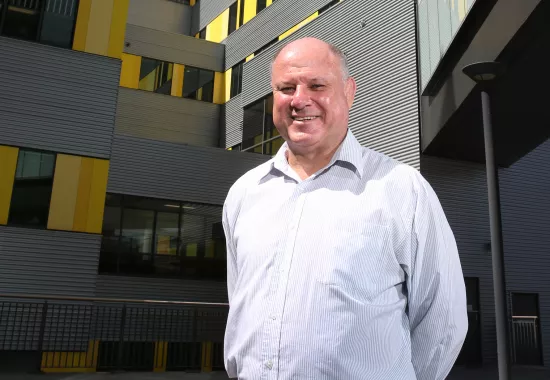
    At 16, Tom Buttel suffered a knee injury while playing rugby, and while that incident happened more than 40 years ago, it continues to impact his life today.

    At 60 Tom has advanced osteoarthritis in his right knee after the debilitating condition took hold in his mid-20s.

    Tom underwent several surgeries over a 15 year period and has now lived with osteoarthritis for many years.

    “It has a huge impact on my life, but I have developed the skills to manage the condition and have learnt a great deal about osteoarthritis and self care,” Tom said.

    “As I’m getting older, my arthritis is naturally not improving, but I’m in a better position to manage the condition and reduce its symptoms.

    “The best treatment has been a chronic care program involving clinician/researchers from the Kolling Institute which focuses on losing weight and specialised exercises.

    “It’s been very helpful for me in recent years and the multi-disciplinary team has been tremendously supportive.

    “The program has adopted an evidenced-based approach developed through a series of research initiatives. You really are receiving the best care if it’s informed by the latest research.

    “I have been fortunate to have been supported by some of the Kolling’s impressive clinican/researchers including Professors Hunter, March and Little and I’ve benefitted from their expertise.

    “They are leading experts in their field and that gives you a huge amount of confidence that you are receiving the best care and advice.”

    Convinced of the importance of evidenced-based care, Tom has taken part in a collection of research trials and continues to support patient advocacy initiatives.

    “I feel the more you give, the more you receive. I’ve met some wonderful people and they’ve inspired me as a patient to try a little harder.

    “Seeing that level of care and dedication from those looking after you encourages you as a patient.

    “All these years later, I’m in better shape as a result of the care and treatment I’ve received, and I’m keen to do what I can to support research and help more people benefit from evidenced-based care.

    “It can dramatically improve their condition and ultimately quality of life.

    “I’m keen to do what I can to support research and help more people benefit from evidenced-based care.”

  • Living with Parkinson’s disease

    Living with Parkinson’s disease

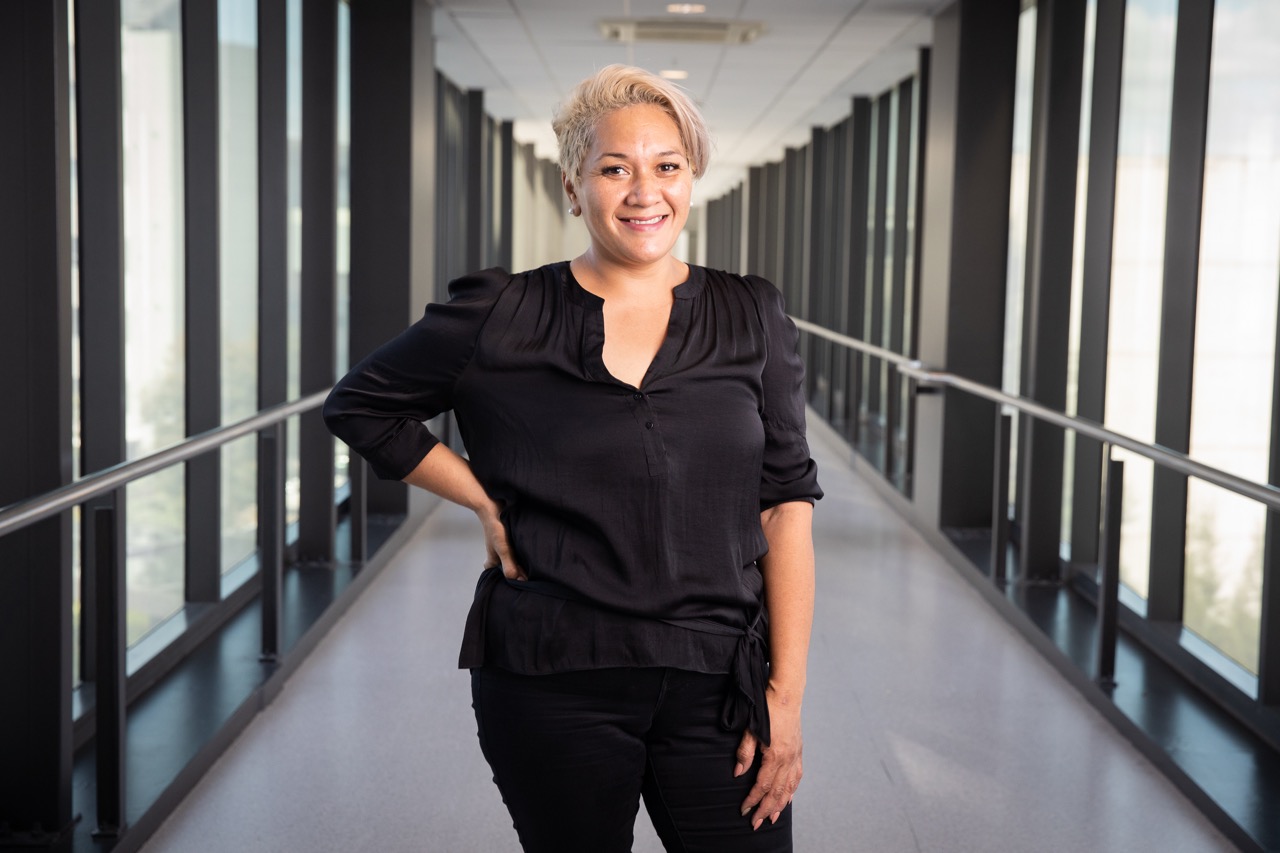
    As a single mum of four children, Jo Makamaka is juggling many responsibilities. She is not complaining though, just cherishing the opportunity to look after her children and take part in a host of activities which were not always within her reach.

    Jo first saw a neurologist in her early-20s in response to a collection of unusual symptoms, but it was not until many years later that she was diagnosed with Parkinson’s disease after seeing neurologist and Kolling Institute Executive Director Professor Carolyn Sue.

    “I was just relieved to get the diagnosis, not mad,” Jo said.

    “There was tremendous pressure with having something wrong, but not knowing what is was. It had a huge emotional toll and was a very challenging time, with plenty of tears.”

    The diagnosis of Parkinson’s disease and tailored treatment approach has transformed Jo’s life.

    “What this has done for me is give me my life back. It’s meant I’ve been able to be a mum, to take my kids to school, to make lunches and even drive.

    “Before, I would never put my hand up for simple activities like helping out at the school canteen, or signing my kids up for weekend sport.

    “I couldn’t do that as I wasn’t reliable, but I’m now able to do things everyone else can do. I can make plans and commit to activities, and be confident I will be able to follow through.

    “The medication is not only helping me physically, but mentally as well as I am more confident and less anxious.”

    Jo is tremendously grateful to Professor Sue, an internationally recognised expert on movement disorders and mitochondrial diseases. Professor Sue runs the largest clinic in Australia for patients with Mitochondrial disease, while also driving globally significant research.

    Jo’s tailored treatment was informed by the latest research and clinical experience, and she is thankful for the care she has received.

    “Professor Sue is really special and her passion for what she does is amazing. Her work is really valuable and I have benefitted greatly from her expertise and experience.

    “I have greatly welcomed her understanding, as she carefully listened to what I was going through.

    “Everything she does she cares about, putting her heart and soul into it.

    “I am so appreciative of the care I’ve had access to. The advice that I received, backed by research, has not only changed my life, but my family’s experience as well.”

  • World Spine Day: Kolling researchers challenging old concepts to improve care

    World Spine Day: Kolling researchers challenging old concepts to improve care

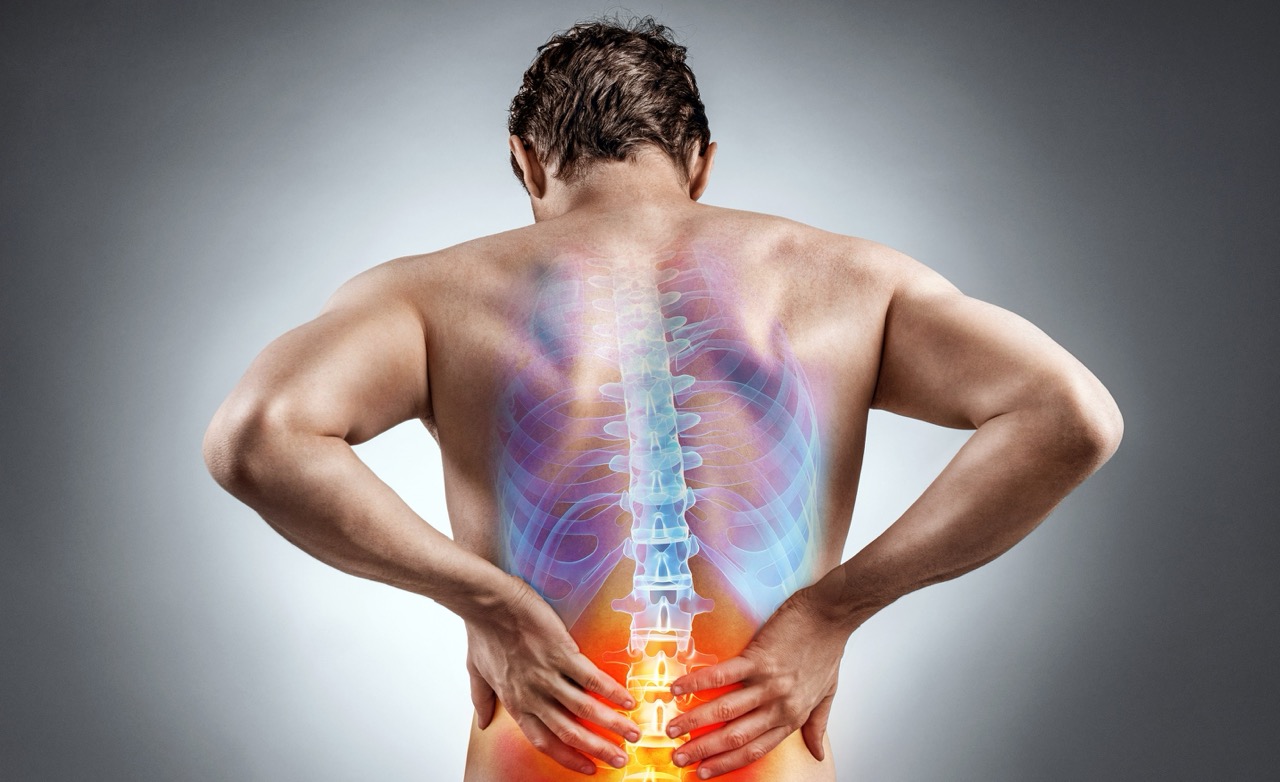
    To mark World Spine Day on October 16, the Back Pain Research team at the Kolling Institute is urging those who experience the condition to adopt the latest advice and keep moving.

    Spinal pain is extremely common, affecting around 800 million people globally. The condition compromises social, family and work activities, and is the main reason Australians retire involuntarily.

    The lower back and neck are most commonly affected, with those over 75 suffering the most.

    Head of the Kolling’s Back Pain Research team and University of Sydney researcher Professor Manuela Ferreira said that despite the impact of spinal pain, it’s rarely due to serious disease and usually gets better with time.

    “Our spine is strong and old concepts like back pain is caused by poor posture or bending are no longer supported by research,” she said.

    “The latest findings show that there are no right and wrong postures for the spine, as long as we keep moving and changing positions frequently.

    “The current advice from researchers is to keep working, remain as active as possible and modify activities as needed. It’s important to find an exercise you can do and enjoy doing as every exercise can help the spine.

    “It’s also important to limit the use of strong medications and injections, and to consider the role of surgical procedures as many have limited benefit in the long term.”

    The Back Pain Research team is continuing its program to help those suffering from spinal pain, launching new research to improve our understanding of spinal conditions and how they can be prevented and treated.

    “We are conducting ground-breaking studies nationally and internationally so that the community ultimately has access to high-value, evidenced based care.

    “We are excited by our new research which will focus on broadening our knowledge around the efficacy and safety of the most common surgical procedures, and the development of innovative digital approaches to bring the best care to patients with spinal pain.”

  • Talented, young Kolling researcher takes out prestigious national award

    Talented, young Kolling researcher takes out prestigious national award

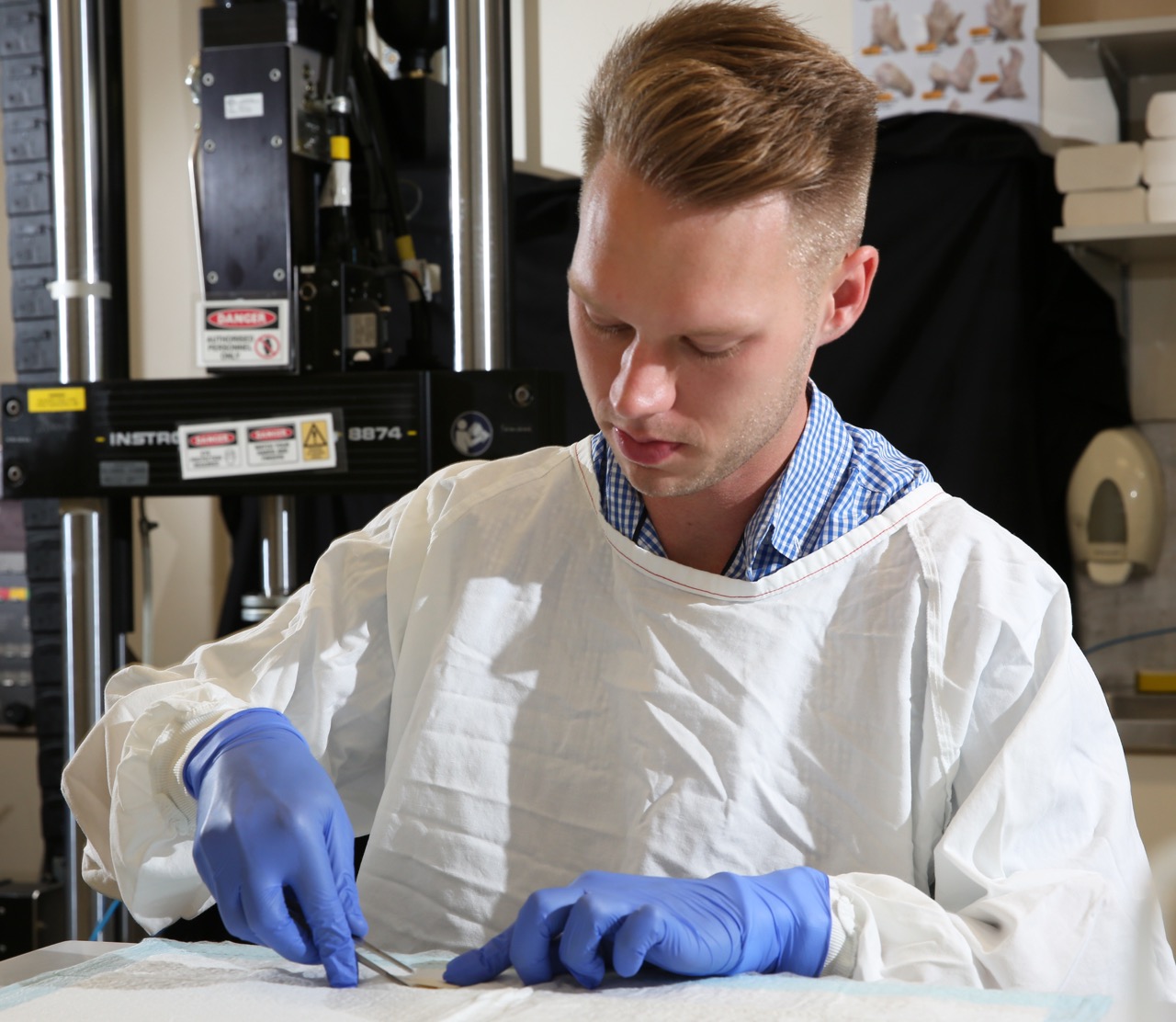
    Despite a tremendously competitive field, the Kolling Institute’s Dylan Ashton has won the 2021 Cooperative Research Australia Early Career Research competition.

    Dylan is part of the team investigating the effectiveness of kangaroo tendons to treat ACL injuries. He has worked on the project for several years and has welcomed the announcement.

    “I am extremely thankful for Cooperative Research Australia’s efforts to link universities and industry to drive innovation and stimulate research and development,” he said.

    “I have always been passionate about translatable research, and I think universities and industry have a lot to offer each other.

    “I’m very grateful to have been able to compete in this year’s early career research competition and delighted to have won. This however, has always been a team effort and I could not have achieved anything without the ongoing support, encouragement and wisdom of my supervisors Associate Professor Elizabeth Clarke, Professor Christopher Little and Dr Carina Blaker.

    As the Director of the Murray Maxwell Biomechanics Laboratory, Associate Professor Clarke said Dylan’s award represents a significant achievement.

    “This prestigious award is a great opportunity to recognise the research achievements of our rising stars and to highlight the fantastic, industry-linked, translational musculoskeletal research underway at the Kolling Institute,” she said.

    The award will also highlight the research assessing the suitability of kangaroo tendons to treat ACL injuries.

    “As a sport loving country, Australia is seeing a consistent rise in the number of ACL injuries, particularly in children between 5 and 14 years, and a rise in surgical reconstructions,” Dylan said.

    “If you were to rupture your ACL today, your surgeon would source a tendon from either your own leg or a tissue donor. However, each has inherent limitations which has driven research into alternative graft sources. Off-the-shelf synthetic grafts aim to address these issues but release synthetic particles which can lead to spontaneous failure.

    “Our team is working with orthopaedic company Bone Ligament Tendon to develop a natural graft using kangaroo tendon which is superior, environmentally sustainable and uniquely Australian.

    “We have welcomed the opportunity to discuss this important program of research.” 

  • Kolling teams driving world-leading research into arthritis care

    Kolling teams driving world-leading research into arthritis care

    A Centre for Research Excellence to improve care for inflammatory arthritis will be based at the Kolling following an exciting announcement by Health Minister Greg Hunt.

    The minister revealed the latest round of National Health and Medical Research Council funding, which will see $2.5 million invested in the centre and its related projects over the next five years.

    Professor Lyn March will lead the research efforts, backed by a large team within the Kolling as well as leading national collaborators from universities across the country. Researchers from the A3BC, the Institute of Bone and Joint Research and the Sutton Arthritis Laboratory will have a key role.

    Professor March said the Centre for Research Excellence represents a tremendous achievement and follows many years of work developing a national registry and biospecimens collection to improve health outcomes for those living with inflammatory arthritis and autoimmune conditions.

    “We are delighted to launch this nationally significant program which aims to identify the best treatment pathways for men, women and children living with inflammatory arthritis. Importantly, we’ll be working to confirm the best options for symptom relief, with the least risk of side effects,” she said.

    “As the lead national site, we will be looking to expand our national registry and biospecimens collection and our rheumatology research community. This will put us in the best position to broaden our understanding of the complex condition and improve health outcomes through prevention, prediction and precision medicine. And to one day find a cure.”

    “I would like to congratulate and extend my thanks to the local team who has developed this wonderful initiative including Associate Professor Meilang Xue, Dr Craig Willers, Dr Marita Cross, Dr Tom Lynch, Dr Lara Bereza-Malcolm, Dr Rani Sinnathurai, Haiyan Lin, Helen Martin, Associate Professor Sean ONeill and Professor Chris Jackson.

    “A key part of our project will see us partner with leading cardiologist Professor Gemma Figtree and her research team to explore the links between inflammation, microbiome, the heart and the joints.”

    “This is an exciting opportunity for collaboration between two unique longitudinal collections combining patient outcomes with biospecimens, being led out of the Kolling Institute and Northern Sydney Health, the BioHEART and the A3BC (Australian Arthritis and Autoimmune Biobank Collaborative).”

  • Kolling centre guiding gold standard rehabilitation care

    Kolling centre guiding gold standard rehabilitation care

    The John Walsh Centre for Rehabilitation Research has been awarded close to $10 million to help improve the lives of those living with injury-related disability.

    The funding has been granted by the state’s compensation agencies icare NSW and the State Insurance Regulatory Authority, continuing a 20 year research partnership.

    icare NSW Managing Director and CEO Richard Harding said the research was invaluable in supporting people with injuries.

    “Getting the right care and support for injured people is paramount. This investment will ensure NSW stays at the forefront of treatments and recovery pathways for severely-injured people,” he said.

    Chief Executive of the State Insurance Regulatory Authority Adam Dent said the ongoing investment will ensure this specialised research continues over the next five years.

    “The John Walsh Centre for Rehabilitation Research has played a key role providing evidence-based advice, and informing policy and legislative changes to make personal injury schemes in NSW sustainable and meet the needs of scheme claimants,” Mr Dent said.

    Head of the centre Professor Ian Cameron has welcomed the substantial funding, saying it will allow them to expand their activities and increase the impact of their research.

    “While the emphasis of the funding is to support people injured in NSW workplaces and on NSW roads, the expanded work will directly impact on the health of people in the NSLHD who have experienced injury or illness causing disability,” he said.

    “Our research aims to improve rehabilitation services for people with severe injury, particularly traumatic brain injury and spinal cord injury, and also people with musculoskeletal and psychological injuries.

    “Our focus is on applying our research progress to clinical practice, so that we are directly improving the lives of people living with disabilities.

    “Importantly, a key part of our success will rely on our collaborations within the NSLHD and the Kolling Institute to broaden our research and educational activities.”

  • World-leading research in the spotlight

    World-leading research in the spotlight

    The Neuroscience and Pain Research Showcase provided a timely opportunity to demonstrate the breadth of expertise across this priority research area at the Kolling.

    Co-ordinated by Professors Paul Glare and Lisa Harvey, the online event attracted more than 250 people.

    A diverse range of presentations focused on the cutting-edge research targeting mitochondrial disease, psychiatric disorders, spinal cord injuries and traumatic brain injuries. Researchers shared details too of world-leading projects to reduce the damaging impact of multiple medications.

    Senior researcher Professor Lisa Harvey said it was an important opportunity to promote the talented researchers across this priority research area and their significant achievements.

    “Our neuroscience and pain researchers have a unique breadth of skills, with their research progress directly influencing clinical practice and policy frameworks, and improving community health,” she said.

    “Our research ranges from investigations into new stem cell technologies through to large international clinical trials, and it was great to hear more about these exciting projects.

    “It was also encouraging to hear from the impressive early and mid-career researchers, who shared details of their ground breaking work.”

    Pain Management Research Institute Director Professor Paul Glare said the presentations aligned well with the keynote talks from Professor Don Nutbeam, the Executive Director of Sydney Health Partners and Dr Tony Penna, the Executive Director of the Office for Health and Medical Research, who both highlighted the importance of translating research into clinical practice.

    “The showcase emphasised the importance of research collaborations, including existing partnerships within the priority research area, and the development of new opportunities with national and international collaborators,” he said.

    “The Pain Management Research Institute for instance is already working closely with our Ageing and Pharmacology team around opioid tapering, and is looking towards closer ties with the John Walsh Centre for Rehabilitation Research.

    “Stronger national and international partnerships will also bolster our efforts to improve the lives of people living with neurological conditions and disabling pain.

    “We’re looking forward to our next showcase which will hopefully be run in-person at a time that looks very different to now.”

  • Kolling researchers identifying COVID-19 impact on heart health

    Kolling researchers identifying COVID-19 impact on heart health

    The largest study of its type in Australia will investigate the impact of COVID-19 on younger patients with new trends emerging around the cardiac complications from the Delta strain of the virus.

    Launched last year, the AUS-COVID trial assessed more than 640 patients in 21 hospitals across Australia, recording cardiovascular complications.

    From this group, 125 were people were admitted to intensive care units, 70 required intubation and 92 patients died.

    Initial study results indicate one in twenty five patients admitted to hospital with COVID-19 developed atrial fibrillation or abnormal heart rhythm, and this occurred more frequently in those over 65, in 1 in 16 patients. Abnormal heart rhythm can lead to stroke and requires prompt treatment.

    Kolling researcher Professor Ravinay Bhindi, and Head of the Cardiology Department at Royal North Shore Hospital, said the trial found that other concerning complications of COVID-19 such as heart failure and heart inflammation (myopericarditis) were not as common as expected, with one in fifty patients experiencing heart failure, and one person in one hundred suffering clinically significant heart inflammation.

    “The initial results of the AUS-COVID study demonstrate that cardiac complications from COVID-19 while concerning are not as common as we initially feared they would be,” he said.

    “The rates of complications were reassuringly lower than those published in other countries across Europe and North America.”

    As the Delta strain of COVID-19 continues to spread in parts of Australia, researchers will now shift their focus towards assessing the cardiac complications of this highly-contagious strain.

    “We are seeing initial reports of an increase in cardiac complications, including a rise in the number of younger patients experiencing significant cardiac events, such as myocarditis, or inflammation of the heart.

    “These preliminary indications point to a concerning new trend for a group which has until now, largely escaped significant health complications from COVID-19.”

    Professor Bhindi said the rising number of cases demonstrates the importance of the study to help inform clinicians around the likely outcomes and best models of care for these patients.

    “As the largest registry of cardiac complications from COVID-19 in Australia, it will have a key role in improving health outcomes, and potentially saving lives.”

    The initial results of the study are being published in the Medical Journal of Australia and Heart, Lung and Circulation.

  • New fellowship to strengthen commercial research opportunities

    New fellowship to strengthen commercial research opportunities

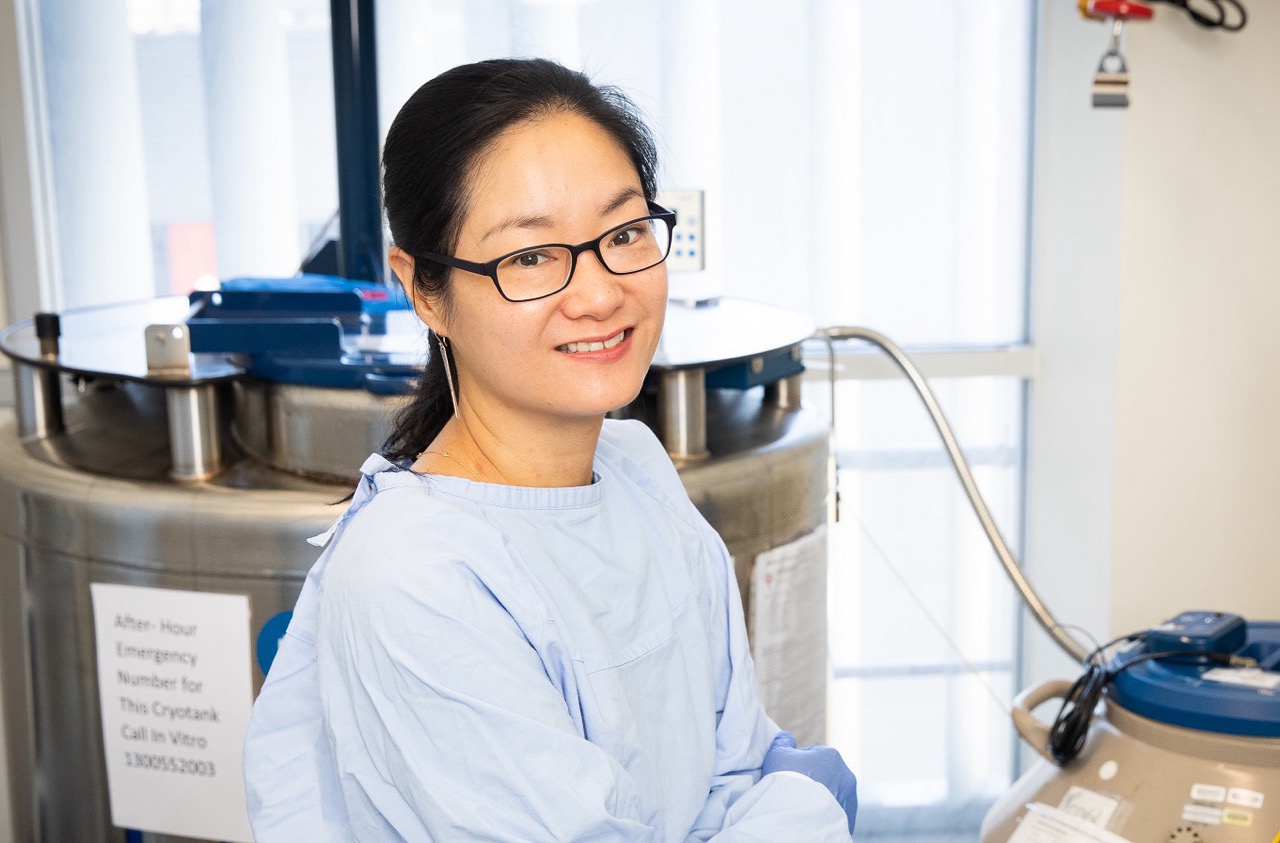
    Dr Cindy Shu will have a key role in building commercial capabilities at the Kolling after receiving a fellowship from the REDI (Researcher Exchange and Development within Industry) program.

    The program provides financial support to Australian and international medical technology and pharmaceutical companies to bring the best talent in-house to work on priority medical research projects.

    Cindy is one of just two researchers to receive the fellowship, which represent the first industry-led positions in NSW through the REDI program.

    Cindy, a University of Sydney researcher at the Kolling Institute, will be embedded in a regenerative medicine company called Regeneus to broaden her skills in translational research. She will progress clinical trials, while also developing assays and models for pre-clinical trials for osteoarthritis treatments.

    MTPConnect Managing Director and CEO Dr Dan Grant said supporting researchers to move seamlessly between research and industry is critical for the growth of Australia’s medical technology and pharmaceutical sector.

    “Our program expects researchers to return to their home institution so this ensures we embed high-level, industry-ready experience in the research sector,” he said.

    Cindy has welcomed the chance to be involved in the program.

    “This opportunity will enable me to develop and drive my research interest in osteoarthritis, and apply these laboratory skills in a pre-clinical capacity. Importantly, this will ensure research translation rather than having the valuable data remain solely in the research-publication loop,” she said.

    “I am very excited to be learning from and collaborating with Regeneus, and their mentoring program will guide me through the pathway between bench and bedside.”

    The Kolling’s Professor Chris Little said the REDI program is an exciting initiative aligned with our key goal to bridge medical research and health.

    “Improving collaboration and knowledge transfer between academic medical research and industry partners is critical in actually translating fundamental science discovery into successful treatments for patients,” he said.

    “I’m thrilled that Cindy has been selected for an MTP connect REDI fellowship. What she learns at Regeneus about the pathways in commercial research and development will not only advance her career, but will help the wider Kolling research community improve the care our patients receive.”

  • Researchers tackle one of the nation’s biggest health challenges

    Researchers tackle one of the nation’s biggest health challenges

    Researchers from the Kolling Institute will support an important, Australia-wide project to address the inappropriate use of medications in residential aged care.

    The initiative, to be co-ordinated by Monash University’s Centre for Medicine Use and Safety, has been awarded $2 million through the Medical Research Future Fund.

    It will see pharmacists embedded in residential aged care facilities, so they can implement evidence-based recommendations to improve the use of psychotropic medications in people living with dementia and in aged care.

    Australian research suggests more than 60 per cent of residents use psychotropic medications, like antidepressants on a regular basis, and more than 90 per cent of residents experience one or more medication-related problems.

    Project lead Professor Simon Bell said rates of psychotropic medication use remain high, despite an overall lack of evidence for benefits and well-established risks.

    “New models of evidence-translation are needed to ensure safe and effective medication management,” he said.

    “Through this project, pharmacists will work in close partnership with nurses, GPs, residents and their families to provide training in managing changed behaviours and to coordinate education using evidence-based resources.”

    Kolling researcher Professor Sarah Hilmer, a leading geriatrician and clinical pharmacologist has welcomed the opportunity to be part of the research team.

    “Importantly, this project will help implement best practice for the vulnerable people living in aged care. It’s exciting to work with this multidisciplinary team to improve care in this complex environment,” she said.

    The project will involve the New South Wales Therapeutic Advisory Group, which is chaired by Professor Hilmer. The group will lead the development of quality use of medicines indicators for antipsychotics, benzodiazapines and antidepressants.

    The four-year program will be conducted in partnership with the University of Queensland, Flinders University, University of Sydney and five aged care providers in Western Australia, Victoria, New South Wales and Queensland.

NSWGOV logo