Blog

  • New cutting-edge technology coming to the Kolling

    New cutting-edge technology coming to the Kolling

    The Kolling is set to be one of the first institutes in New South Wales to introduce new world-leading technology, boosting our cancer and neuroscience research capabilities.

    The Digital Spatial Profiling System has been made possible following a $535,000 grant from the Australian Research Council LIEF scheme. The project is being co-funded by the University of Sydney with a $250,000 contribution, and Macquarie University with a $50,000 commitment.

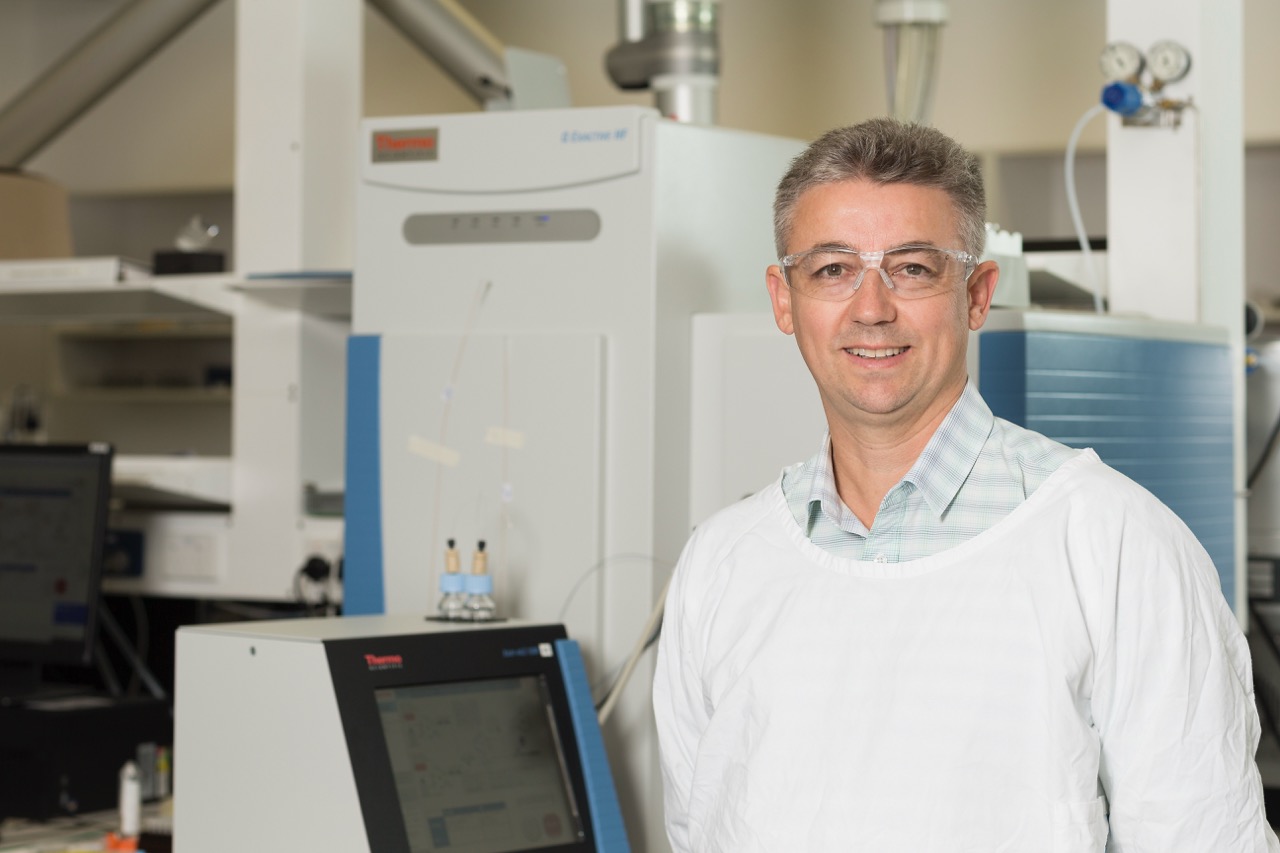
    Grant leader and cancer researcher Professor Mark Molloy has welcomed the establishment of the microscopy system, which has been recognised as one of the most exciting technological advances in the investigation of biological samples globally.

    “This is wonderful news for our researchers, the Kolling, our partners and ultimately the community of patients we serve,” said the Lawrence Penn Chair of Bowel Cancer Research.

    “It will significantly extend our research capabilities and represents an important step towards new treatments.

    “The digital spatial profiling technology will allow researchers to divide tissues into spatial regions to study how proteins and genes are regulated within parts of the tissues.

    “Importantly, this will address the limitations of conventional gene and protein profiling methods that produce averaged data which fail to consider the discrete spatial organisation that occurs within tissues.

    “This will lead to new discoveries around the intricate biological processes that go wrong in diseased tissues, a key step towards finding new drug targets and treatments.”

    During its initial phase, the new equipment will be used in the study of cancers and neuroscience. This will be extended to include investigators from molecular biosciences, bioengineering, plant biology and bioinformatics.

    The Kolling’s Executive Director Professor Carolyn Sue and her neuroscience team have welcomed the chance to utilise the new technology in their innovative research projects, especially with their Parkinson’s disease research.

    “Using this system will enable us to understand how we can protect neurons from degenerating. I am excited to gain insights into how we can intervene in this process so that we can improve the lives of our patients with this debilitating disease,” said Professor Sue.

    It’s anticipated the new system will deliver broad ranging and long term benefits, with the next generation of research students expected to be trained in this technology.

  • Program supporting injured workers wins top award

    Program supporting injured workers wins top award

    Kolling researchers have taken out a highly-competitive, national award for an innovative program helping people get back to work after injury.

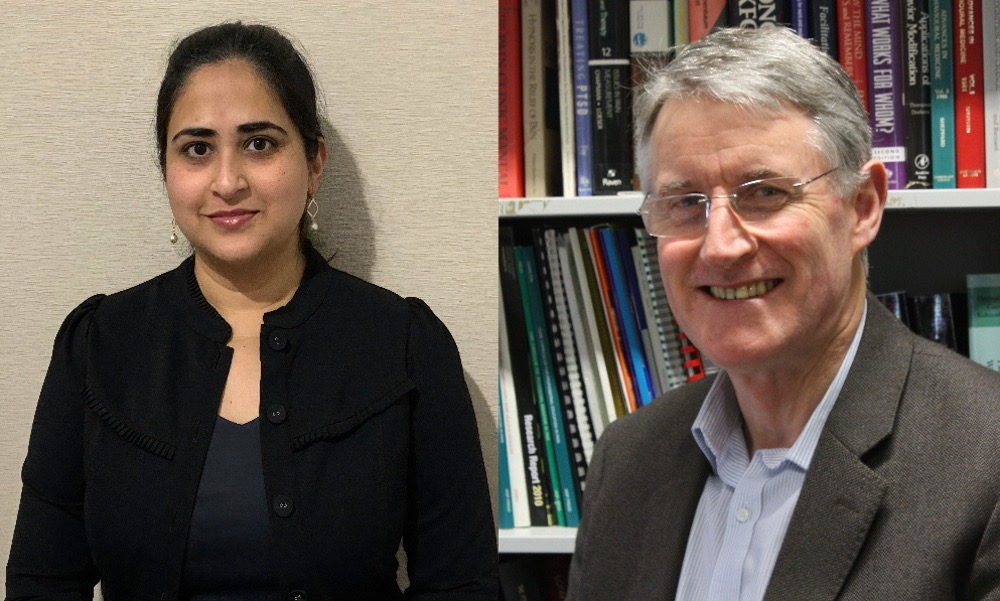
    Professor Michael Nicholas and Dr Manasi Mittinty from the Pain Management Research Centre were part of a team which received a National Safety Award of Excellence for their initiative targeting injured workers.

    The program was trialled with staff from Australia Post and involved early identification and intervention for workers at risk of delayed recovery following a work-related injury.

    Participants in the intervention arm of the trial were offered up to six sessions with a psychologist or counsellor, and a workplace rehabilitation provider to assist with barriers returning to work. This was in addition to the medical and physiotherapy care normally provided for such injured workers.

    Professor Nicholas said while the long-term follow-up is continuing, the benefits of this approach have been so clear that Australia Post has already implemented the program for injured workers across the country.

    “We have shown that by adopting this additional, targeted support, injured workers are getting back to their job in less than half the time of those receiving usual care,” he said.

    “Workers felt the connection to positive people and the consistent reassurance were particularly helpful.

    “This is a wonderful example of robust research influencing healthcare models and health outcomes, and improving real-life workplace protocols.

    “Importantly, the benefits of this research will not just impact workers and their individual organisations, but will extend to the broader community as well.”

    There has been further recognition of Professor Nicholas’ contribution to healthcare with the  announcement that he is to receive the International Association for the Study of Pain’s John D Loeser Prize for 2022.

    This award recognises the recipient’s distinguished lifetime achievement in the clinical science of pain and Professor Nicholas is the first Australian to receive the accolade.

    He has welcomed the honour, saying it reflects the standing of our work at the Pain Management Research Centre in pain education, research and clinical services. 

  • Researchers confirm extreme heat increases the risk of premature births

    Researchers confirm extreme heat increases the risk of premature births

    Researchers have found that women are more likely to have a preterm birth when exposed to extreme heat and those with pre-existing conditions may have an even higher risk.

    Preterm or premature birth, when a baby is born before 37 weeks of pregnancy, is the leading cause of infant death worldwide and many children born early deal with ongoing health problems for the remainder of their lives.

    The team from Women and Babies Research at the Kolling Institute and the University of Sydney examined over 918,000 births in NSW over a ten-year period.

    The study found about 29,000 or 3.2 per cent of babies were born as a result of preterm birth. Importantly, researchers found that when it was hotter, the risk of preterm birth increased for all women and particularly for women with diabetes, hypertension, chronic illness and those who smoke.

    On days where it was hotter than 33 degrees the risk of preterm birth increased by 12 per cent compared with a 20 degree day. This increase in risk was potentially higher for women with diabetes (29%), hypertension (29%), chronic illness (17%) and those who smoked during pregnancy (19%).

    Lead study author Edward Jegasothy PhD said it was the first study to link effects of extreme weather and preterm birth in the temperate climate of New South Wales.

    “We now have a better understanding of the relationship between extreme heat and preterm births. Our study adds to the growing body of evidence regarding the health impacts of climate change-related exposures. This is particularly important given the increasing temperatures and heatwave events not just in Australia, but globally,” he said.

    “These findings are also important given the long term and significant implications of preterm births and the potentially exacerbated risk in mothers with underlying health conditions.”

    The findings encourage pregnant women to stay well hydrated and reduce their exposure to extreme heat.

  • Study confirms deadly risk of COVID-19 for those with heart failure

    Study confirms deadly risk of COVID-19 for those with heart failure

    The largest study of its kind in Australia has found patients with a history of heart failure are three times more likely to die from COVID-19.

    Launched last year at the outset of the pandemic, the AUS-COVID trial is investigating those who are most at risk from COVID-19 in Australia. To date, it has assessed hundreds of patients in 21 hospitals across the country.

    The study confirmed earlier concerns by clinicians and demonstrated that patients with pre-existing heart failure are three times more likely to die from COVID-19. Over 100,000 Australians live with heart failure according to data from the Australian Bureau of Statistics.

    The study found that patients with chronic kidney disease are twice are likely to die from COVID-19, while patients with chronic lung disease such as emphysema or chronic bronchitis are also around twice as likely to die from the virus.

    Kolling researcher and Head of Cardiology at Royal North Shore Hospital Professor Ravinay Bhindi said the findings have provided valuable data to assist in the treatment of new cases of COVID-19.

    “The research is providing timely advice for clinicians, helping them identify the patients most likely to deteriorate and therefore in need of a higher level of care,” he said.

    “These patient outcomes and emerging trends are also underpinning the importance of vaccination.

    “It’s critical that all patients with heart failure and other chronic conditions are vaccinated against COVID-19. We now have the data to show that if you have one of these chronic conditions and you’re not vaccinated when you get COVID-19, you are much more likely to die.

    “Our research is based on hundreds of cases across Australia, many with tragic outcomes. It’s important that we use this information to inform the care we provide for patients, and address any vaccine hesitancy with real-life experience.”

  • Research identifies swallowing problems following whiplash

    Research identifies swallowing problems following whiplash

    Research conducted by a team from Kolling Institute has found that swallowing difficulties after a whiplash injury appear to be an under-recognised consequence of the injury.

    The study investigated a group of 60 patients with low-grade whiplash, finding 50 per cent of patients reported swallowing problems within 12 months of their whiplash injury.

    In 31 of these patients, there was a statistically significant worsening of their swallowing problems between three and 12 months post injury.

    Clinical specialist speech pathologist and PhD student Danielle Stone said the study was the first of its kind to use a standard patient-reported outcome measure to investigate whether swallowing issues were an under-recognised condition following whiplash.

    “Before our study, there was a small amount of literature suggesting swallowing difficulties were a possible consequence of whiplash, but following our work, we now have additional data linking the two conditions.

    “Further research is needed, but this information will help in the treatment of whiplash by encouraging clinicians to consider a broader range of symptoms following a whiplash injury.”

    The study also investigated whether swallowing changes were related to a change in volume of the pharynx (throat) as prior studies demonstrated a narrowing of the pharyngeal lumen in people presenting with persisting disability.

    “Contrary to what we thought, there was no change in the volume of the pharynx in our cohort and therefore, no association with swallowing problems.

    “Our investigations have played an important part in raising awareness of the conditions.

    “As our study was the first to explicitly look at swallowing and whiplash using a well-accepted outcome measure, we now have more confidence that swallowing may be a feature of whiplash that warrants further investigation.”

    The research has been published in the medical journal, Dysphagia. 

  • Researchers reject the use of plasma injections for knee joint osteoarthritis

    Researchers reject the use of plasma injections for knee joint osteoarthritis

    In what will be disappointing news for many, a large-scale clinical trial has found platelet-rich plasma injections for those with osteoarthritis knee pain are no better than a placebo.

    This type of injection has become an increasingly popular form of treatment for knee joint arthritis, despite its prohibitive cost at around $2,000 per injection.

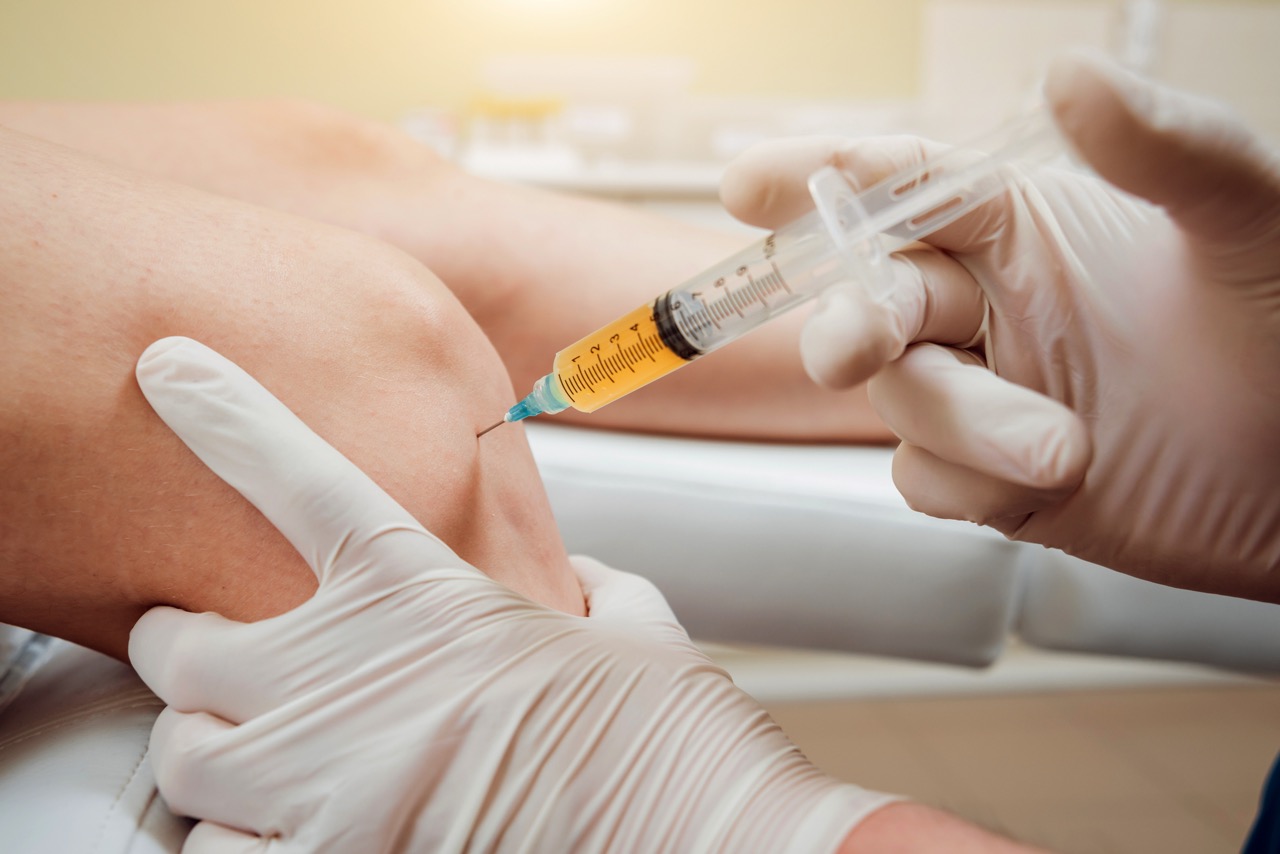
    Plasma from a patient’s own blood is injected directly into the joint in the hope it will reduce pain and improve joint cartilage.

    But a trial conducted by researchers from the universities of Sydney and Melbourne and Monash University has found that while participants who had the plasma injections did have a significant improvement in their knee pain over 12 months, the level of improvement was the same as for those in the placebo group.

    There were also no differences in the MRI scans across both groups.

    Kolling Institute and University of Sydney researcher Professor David Hunter concedes the findings will disappoint some people who had hoped these injections would offer long-term relief.

    “With more than two million Australians affected by knee joint arthritis, there is clearly a need for new therapies to reduce symptoms and improve the structure of the knee,” he said.

    “Unfortunately, the particular treatment trialled in this study, whilst widely used and typically expensive, appears to be ineffective.

    “Our research however has added to our understanding of this type of treatment and will ensure the latest recommendations are backed by high-quality evidence.

    “Our current advice encourages people with knee osteoarthritis to adopt a consistent exercise program and lose weight if they are above a healthy weight range.

    “We know that by reducing your body weight by just 10 per cent, you can reduce your knee pain by a remarkable 50 per cent.”

    The research paper has been published in one of the world’s leading medical journals, the Journal of the American Medical Association. 

  • Blueprint to strengthen research and improve the care we receive

    Blueprint to strengthen research and improve the care we receive

    The Kolling’s new research plan has been confirmed marking an important milestone for the institute.

    The plan details the implementation of the institute’s five-year strategy, and will ensure the Kolling is in the best position to deliver game-changing research.

    Acting Executive Director Professor Jim Elliott has welcomed the development of the plan, saying a robust strategic framework will help shape the future of the institute and secure its long term success.

    “This important roadmap will have a crucial role in increasing the impact of our research and improving health outcomes across our community,” he said.

    “A large number of people have shared their time and expertise to bring us to where we are today, and I’d like to thank them for their commitment to the Kolling and its talented research teams.”

    The research plan focuses on a range of key goals, including new collaborations, additional large-scale funding and improved research outputs. There will be an emphasis too on positively impacting patient care, building on our world-class science, training tomorrow’s leaders, and ensuring a collaborative working culture is day to day core business.

    The blueprint details a large collection of initiatives including closer ties with government, industry and consumers, and stronger collaborations across the priority research areas to attract large-scale funding for multidisciplinary research projects and infrastructure programs.

    “These steps will see an increase in research translation, with clearer pipeline pathways from basic science to clinical care. There will also be a focus on a strong education program, new fellowship opportunities, measures to attract top students and broader access to equipment and support.

    “Importantly, the new framework aligns with the strategic direction of both the University of Sydney and the Northern Sydney Local Health District, increasing opportunities for research impact and better patient outcomes. It will see researchers benefit from unprecedented support and targeted assistance from the partners.

    “We have a large and impressive team of researchers at the Kolling, including many who are world leaders in their fields. I’m confident this new strategic framework will offer crucial support to our team as they continue their life-changing work.”

  • High-profile appointment

    High-profile appointment

    The Kolling Institute’s Executive Director Professor Carolyn Sue will join a dynamic group of Australian leaders on the new National Health and Medical Research Council.

    Professor Sue has been appointed to the high profile body for a three-year term until June 2024. A record number of women are represented on the new council, including chair and internationally-renowned researcher Professor Caroline Homer.

    Health Minister Greg Hunt said the council brings together expertise in biomedical science, clinical and public health, nursing, health care training and the medical profession, as well as business and consumer perspectives, and expertise in the health needs of Aboriginal and Torres Strait Islander people.

    Professor Sue will join the chief health officers from across the country on the influential council, which is charged with supporting the best research and researchers in Australia to improve health outcomes. It also helps set the agenda for future funding.

    A broad range of health and medical professionals have been appointed to the advisory body, with Professor Sue’s knowledge and world-leading research experience in rare diseases set to be called upon.

    Professor Sue said she is honoured to be appointed to the NHMRC council during such an important and exciting time for medical research.

    “Throughout the pandemic, we have really seen the transformative impact that medical research can have on healthcare and the broader community,” she said.

    “I’m delighted that I’ll be able to share my experience with rare diseases and that this important area of research will be represented on the council.

    “By broadening our knowledge of rare diseases and their processes, we develop a better understanding of the basic fundamentals of disease, giving us a much clearer insight into the bigger picture.”

    Minister Hunt thanked the former Chair of the NHMRC Council and Kolling Institute clinician/researcher Professor Bruce Robinson for his contribution to the NHMRC from 2018–2021.

  • Researchers develop new program to reduce medication burden

    Researchers develop new program to reduce medication burden

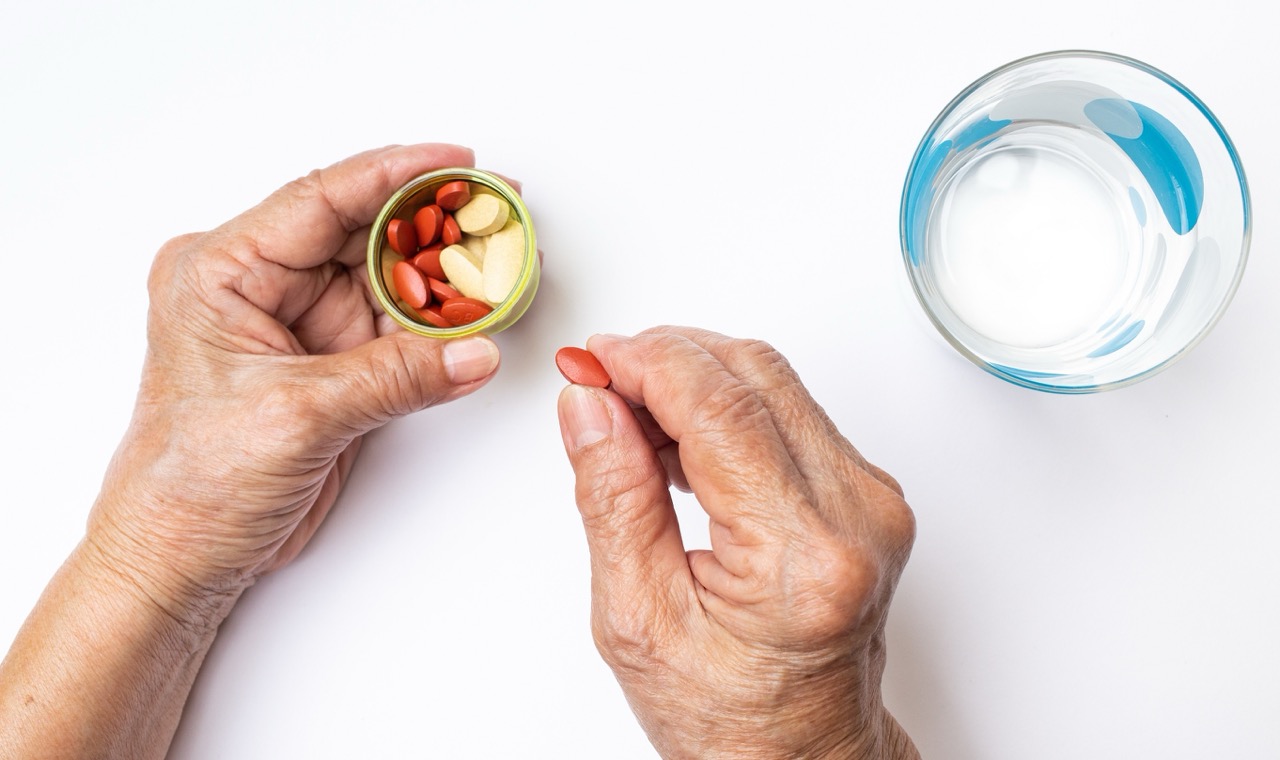
    A team from the Kolling Institute led by Professor Sarah Hilmer has helped develop a valuable, new national program to reduce the adverse impacts of taking multiple medicines.

    Medicines with an anticholinergic effect can successfully treat many conditions such as depression, dementia and chronic non-cancer pain.

    Cumulatively however, they can cause serious adverse effects such as falls, confusion, cognitive decline, dry mouth, constipation and urinary retention. They are linked to a 60 per cent increase in fall-related hospitalisations, a 50 per cent increased risk of dementia and a 30 per cent increase in mortality.

    Now a new program has been produced by NPS MedicineWise to encourage the safe and effective use of these medicines with anticholinergic effects by older people in the community and residential aged care.

    The program involves a collection of practical resources to support conversations with patients about anticholinergics, deprescribing and medicine reviews.

    One of the key resources includes the Goal-directed Medication review Electronic Decision Support System which has been developed within NSLHD, and informed by the expertise of a group of Kolling researchers, including Professor Sarah Hilmer, Dr Lisa Kouladjian O’Donnell and Associate Professor Danijela Gnjidic.

    The team helped develop a report for GPs to reduce the burden of multiple medications, particularly for patients who are exposed to high anticholinergic burden.

    Dr Lisa Kouladjian O’Donnell has welcomed the opportunity to contribute to this important initiative.

    “This collaboration with NPS MedicineWise has led to the development of important and easy-to-use tools that clinicians can adopt within their practice,” she said.

    “It is great to see the Goal-directed Medication Review Electronic Decision Support System rolled out nation-wide and broadly adopted.”

    Further details of the program Anticholinergic burden: the unintended consequences for older people are available.

  • Game-changing research partnership to ease musculoskeletal burden

    Game-changing research partnership to ease musculoskeletal burden

    An important new partnership has been formed to dramatically improve care for musculoskeletal conditions by speeding up the translation of research to clinical practice.

    The Northern Sydney Local Health District has joined with the University of Sydney and Sydney Local Health District to create Sydney Musculoskeletal Health which will link researchers from across the University with clinicians, consumers, policymakers and industry.

    Co-director and Kolling Institute researcher Professor David Hunter said the partnership represents a key step towards better care.

    “Musculoskeletal conditions are a leading cause of disability, impacting approximately 1.7 billion people worldwide and around one-third of the Australian community. Low back pain, osteoarthritis, neck pain, rheumatoid arthritis and gout are some of the most common musculoskeletal disorders, compromising work and social opportunities,” he said.

    “We know that poor musculoskeletal health contributes to fall-related injuries and physical inactivity, increasing the burden of disease globally.

    “This exciting new partnership is set to transform our management of these conditions by supporting world-leading, multidisciplinary research, and rapidly translating the resulting knowledge into clinical practice and education.

    “Our goal is to improve health and well being by undertaking high quality research that promotes the delivery of efficient, patient-centred, evidence-based care.

    “We’ll be looking to discover new ways to prevent, manage and cure these debilitating musculoskeletal conditions and injuries, and to promote healthy ageing and physical activity.”

    Professor Hunter said the breadth of expertise across the partnership will be a key factor in its success, along with a commitment to investigate all the musculoskeletal conditions.

    “This will ensure that all research will be translated across all relevant applications, and the partnership between the University and the two health districts means the research can be put into practice sooner.

    “This is a key distinction which will see improvements in care, new treatments and a review of the efficacy of current treatments to ensure that clinical guidelines keep pace with research.”

NSWGOV logo