Blog

  • A simple yet smart approach to spinal cord injuries may offer a new way forward

    A simple yet smart approach to spinal cord injuries may offer a new way forward

    Researchers based at Royal North Shore Hospital have launched the first study of its kind in the world to support those with a spinal cord injury.

    The team from the Kolling Institute’s John Walsh Centre for Rehabilitation Research is now seeking recruits for the clinical trial which is investigating the benefits of an approach combining breathing techniques with heart rate feedback.

    Study lead Professor Ashley Craig said many of us don’t realise the wide-ranging impact of spinal cord injuries from unstable blood pressure, chronic pain and fatigue through to poor sleep, brain fog, confusion and low mood.

    “All these conditions can significantly compromise quality of life,” said Professor Craig, Professor of Rehabilitation Studies at the University of Sydney and the Kolling Institute.

    “Doctors currently rely on a host of pain management and treatment approaches, but our team has developed an innovative technique to support existing treatment strategies.

    “It follows increasing evidence around the positive impact of regulated breathing on the nervous system, blood pressure and stress.

    “Our study is investigating whether rhythmic breathing combined with heart function feedback can help people with a disrupted nervous system.

    “We know that a disrupted nervous system can be like a car without brakes, with limited moderation of the effects of the nervous system.

    “Our approach is using a specific type of breathing to regulate heart function to a point where it influences neural function and the autonomic nervous system.

    “The hope is this will in turn deliver wide ranging benefits for the brain, the gut, the heart, sleep and a host of other physical functions. Importantly, we hope it will improve quality of life for those taking part.”

    One of the first people to join the clinical trial is Dawn Miller-Argue. Dawn suffered a spinal cord injury in 2019 as result of radiation exposure to her spinal cord.

    She has welcomed the opportunity to be part of the trial, saying the strategies have helped her to manage her pain and gain more control over her body.

    “I have found my stress levels and my fatigue have decreased, while my sleeping is better and I’m more grounded and in control,” she said.

    “The technique has allowed me to be more productive during the day, and helped me to do more, be more active, and be more independent.

    “It has been really encouraging to see that I have control over how my body works, when I don’t have any control over some parts of my body.

    “Knowing how quickly I can affect change through something as automatic as breathing and being more conscious of it, has been extraordinary.”

    The Spinal cord injury, Mind and HeART or (SMART) study has been made possible by $3 million in combined funding from the NSW Ministry of Health and the University of Sydney.

    How to participate

    If you would like to take part in the clinical trial or find out more about the study, please email smart.trial@sydney.edu.au or call 0420 378 157 

  • World leading Meniere’s disease expert joins the Kolling

    World leading Meniere’s disease expert joins the Kolling

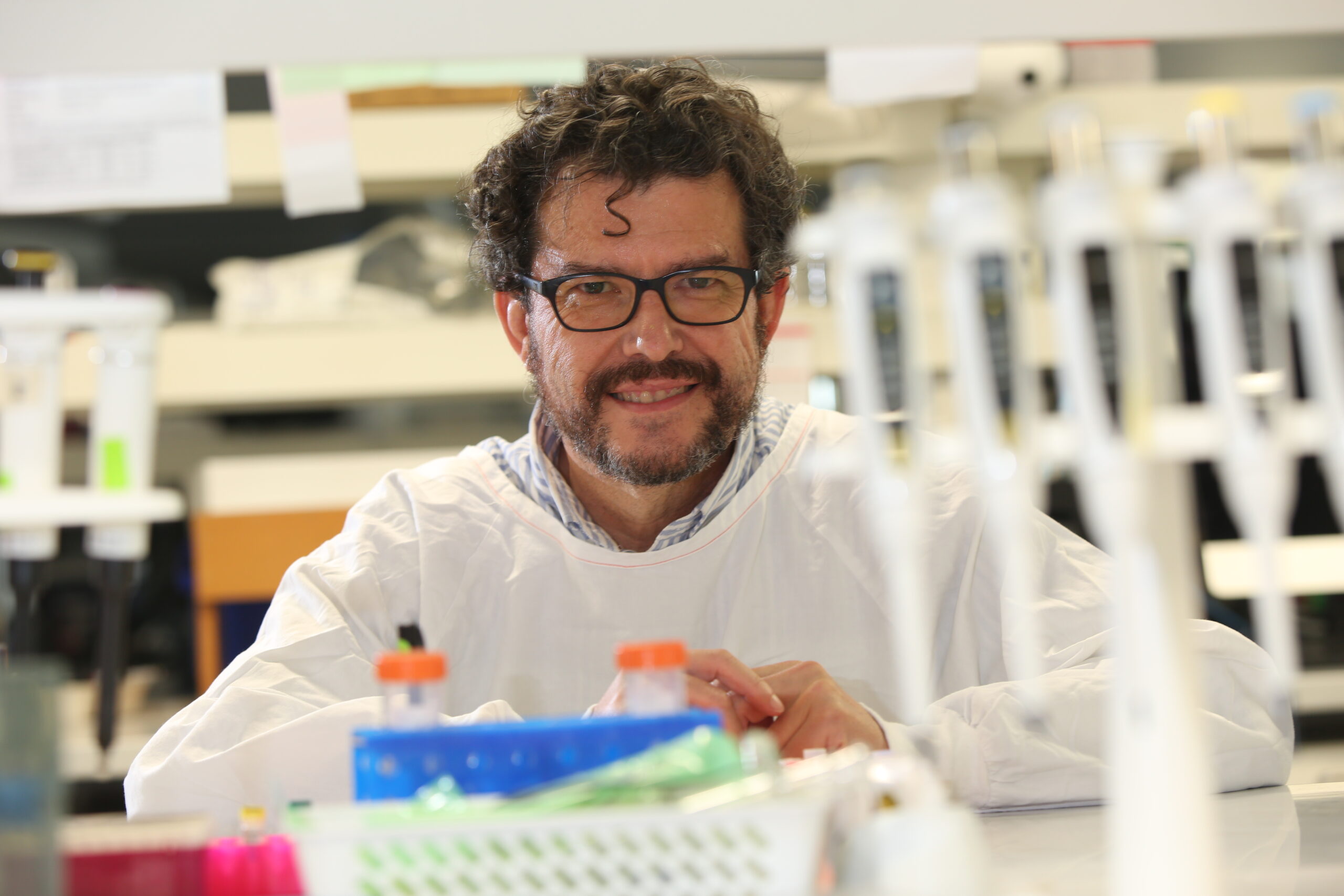
    In a sign of the growing neuroscience expertise at the Kolling Institute, internationally recognised Meniere’s disease expert Professor Jose Antonio Lopez Escamez has relocated from Spain to the institute.

    Professor Lopez Escamez has launched an exciting new international research program into the disease, extending his body of work in Europe. Meniere’s disease is a rare disease of the inner ear that causes vertigo, sensory neural hearing loss and tinnitus.

    Antonio will continue to collaborate with international partners in Europe, the US and the Centre for Genomics at the University of Granada, as well as new Australian-based partners.

    He has established the Meniere’s Disease Neuroscience Laboratory at the Kolling Institute where he will investigate the cellular and molecular basis of the disease, as well as the genetic factors contributing to severe tinnitus. His team will also work to identify molecular targets for personalised treatment.

    Antonio says his research focuses on the influence of family heritage in Meniere’s disease and new genes linked to the disease.

    His current project is aiming to broaden our understanding of the genetic and inflammatory basis of the disease and tinnitus by combining multi-omic data and 3D cellular models.

    “I am pleased to be starting this exciting international program to extend our understanding of the disease by studying new families with Meniere’s disease in Australia and East Asia. It’s hoped our work will ultimately help many people experiencing this condition,” he said.

    “We are expanding our group here at the Meniere’s disease Neuroscience Laboratory at the Kolling and I am looking for highly motivated PhD candidates to join my team.”

    Antonio comes to the Kolling Institute with a wealth of experience. He founded the Otology and Neurotology Group in Spain and is an international leader in neurotology and genetics of Meniere’s disease/tinnitus.

    His research has been disseminated through major international meetings including the Association for Research in Otolaryngology, and he is the recipient of several prestigious awards including the Frontiers Spotlight 2018 Award.

    Antonio is ranked among the top two per cent of researchers in the world according to the latest Stanford University study, and he has published more than 150 papers in top scientific journals in several categories including audiology, genetics and heredity, medicine, clinical and experimental and otorhinolaryngology.

  • New opportunities strengthening our culture of research excellence

    New opportunities strengthening our culture of research excellence

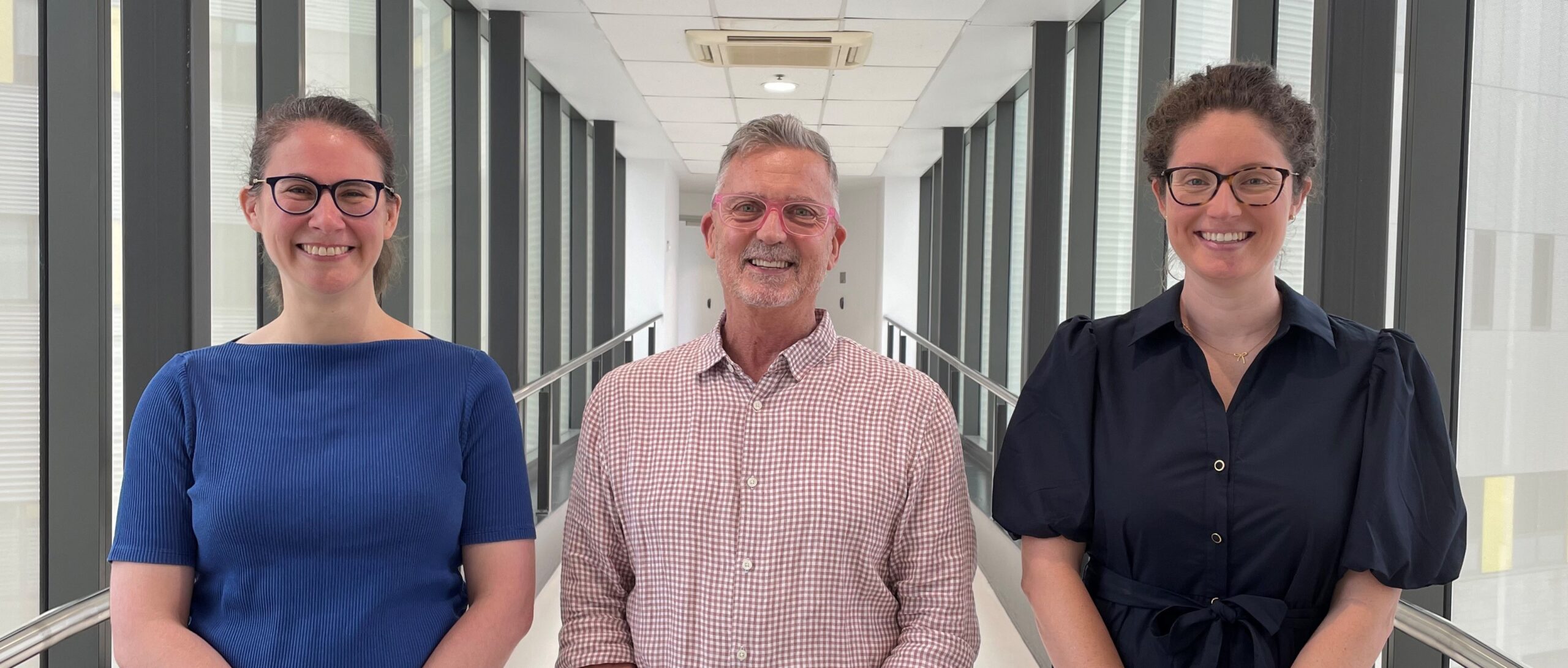
    In an exciting announcement, three clinical research fellows have been appointed within the Northern Sydney Local Health District (NSLHD).

    The positions are part of an initiative developed by the University of Sydney’s Faculty of Medicine and Health Northern Sydney (Arabanoo) Precinct and the NSLHD.

    The new roles will drive interdisciplinary research activity, develop research capabilities and increase opportunities for research training of staff.

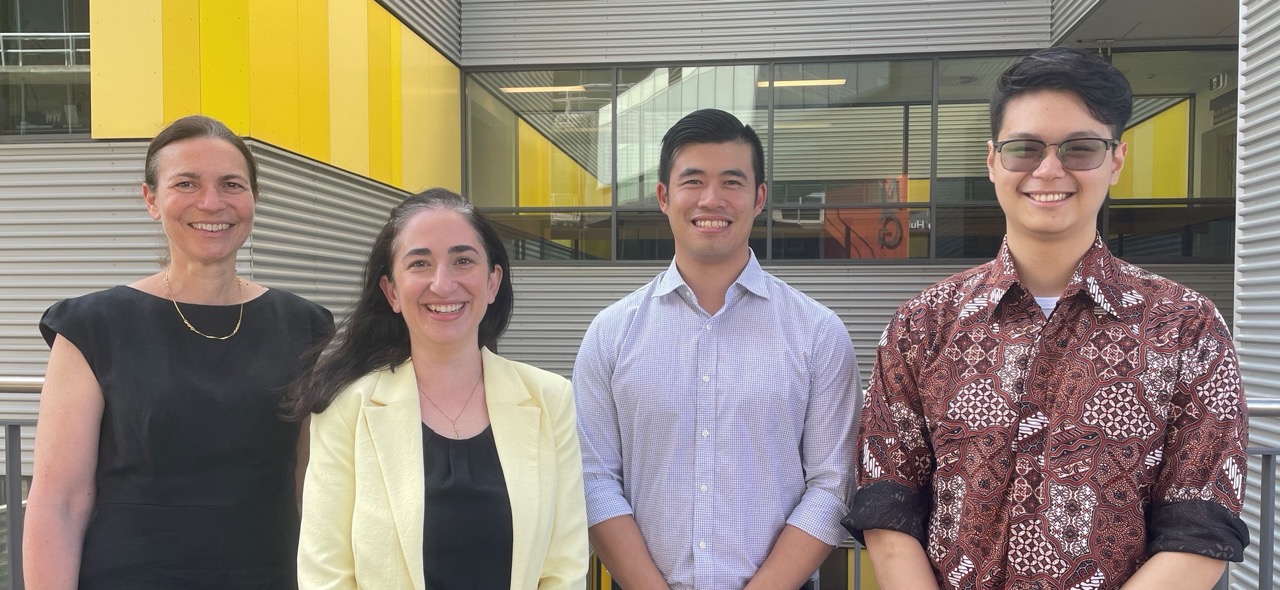
    The successful applicants include Senior Research Radiation Therapist Dr John Atyeo, Senior Physiotherapist Dr Louise Hansell and Clinical Nurse Specialist Julia Pilowsky.

    Over the next two years, the fellows will pursue their individual research projects, while also collaborating on an interdisciplinary research initiative focusing on functional wellbeing.

    Professor Robyn Ward, University of Sydney Executive Dean, Medicine and Health, said we are pleased to welcome John, Louise and Julia to their new clinical research fellow roles and look forward to watching them develop their research and leadership skills, and collaborative research opportunities.

    “We expect the increased engagement in research and strong partnerships will help drive progress, while improving the delivery of healthcare to the wider community,” she said.

    Interim NSLHD Chief Executive Lee Gregory said the fellows will continue their clinical roles within the district, and will now also have time to pursue their individual and collaborative research interests.

    “We are pleased to be able to provide funding for the dedicated research time as we know that having specific blocks of time for investigative projects has historically been one of the barriers to the expansion of research activity and impact,” he said.

    “We are sure this group will help extend our research capabilities and strengthen the culture of quality research across the local health district and the university.”

    The fellows have embraced their new roles.

    Dr Louise Hansell has worked as a physiotherapist for 13 years, with a focus on acute respiratory care.

    “Having recently submitted my PhD, I was uncertain how I would use my newly developed research skills in future research. This role emerged at the perfect time, and provides a great opportunity to engage in clinically focused research,” she said.

    “I am passionate about providing patients with high quality, evidence based respiratory care.

    “My PhD investigated the use of lung ultrasound by physiotherapists in the critical care setting. Lung ultrasound is a novel but accurate assessment tool to enhance respiratory diagnostic ability and clinical decision-making, resulting in more appropriate and effective respiratory treatments.

    “This new role will provide me with the chance to continue my research in this area. I am also excited by the opportunity to collaborate with staff at both the university and the health district, and with Julia Pilowsky and John Atyeo, my clinical research fellow peers, as we embark on a multidisciplinary research venture together.”

    Dr John Atyeo works in the Department of Radiation Oncology at the Northern Sydney Cancer Centre, driving Radiation Therapist led research.

    He is delighted to be one of the new fellows.

    “My first reaction was one of surprise, followed by a great deal of joy and excitement,” he said.

    “I feel incredibly honoured to have been offered this position as it will give me the time to pursue my research interests and further my research career.

    “The position will also allow me to work with two other highly motivated researchers to make a difference to the research culture throughout the district, and ultimately improve the health outcomes for patients in our service.

    “Through this new role, I will have the chance to work closely with a mentor to progress my clinical research through grant applications, presentations and publications.

    “I will also have the opportunity to work with the other fellows to develop and implement a district wide multi-disciplinary research project.

    “This project will enhance the knowledge and skills of individuals and teams new to research, as well as established researchers, and build on the thriving research culture across the district.”

    Julia Pilowsky works in the Intensive Care Unit at RNSH. Her research involves understanding how mental health disorders impact patient outcomes during and after an ICU admission, and how clinicians can better support these vulnerable patients.

    She is also developing techniques to use the information in clinical progress notes for research and quality improvement purposes.

    “I was so excited when I found out that I had been offered the clinical research fellow position,” she said.

    “A role that provides clinicians with dedicated research time is extremely rare in nursing, so I am very grateful for the opportunities that this role offers.

    “I can’t wait to start collaborating with all the amazing clinicians and researchers across the district and the university to produce high quality research that can be embedded in clinical practice to provide meaningful benefits to our patients.”

    Funding for the roles has been provided by the University of Sydney and the NSLHD.

  • Global recognition for one of our musculoskeletal researchers

    Global recognition for one of our musculoskeletal researchers

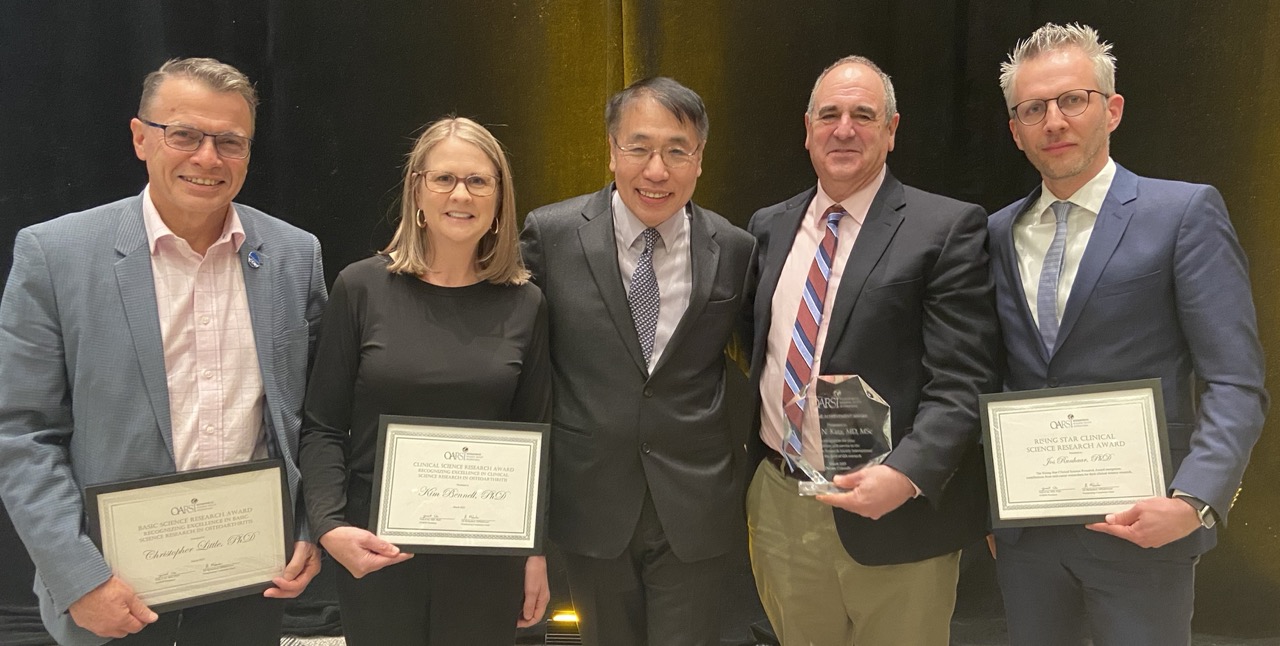
    In a sign of the international impact of our research at the Kolling Institute, a prestigious award has been presented to Professor Chris Little during the World Congress on Osteoarthritis in Denver, Colorado.

    More than 700 researchers and clinicians attended the event where Professor Little was presented with the 2023 Basic Science Research Award by the Osteoarthritis Research Society International (OARSI).

    Chris, who is part of Sydney Musculoskeletal Health, said he was delighted and honoured to receive the award, which acknowledges outstanding research and progress.

    “OARSI is the premier international organisation dedicated to osteoarthritis research, so it is a particularly great honour to receive this award recognising our discovery science into this debilitating disease,” he said.

    Osteoarthritis is a major cause of individual pain and disability worldwide, and is the number one disease contributing to healthcare expenditure in Australia.

    There are currently no treatments to halt osteoarthritis progression and long-term management of associated pain is very poor.

    “We will only be able to develop new treatments once we have a better understanding of the cell and molecular mechanisms that initiate and drive osteoarthritis joint damage and pain.

    “The basic science research that my team and I have been recognised for is influencing the models that are used worldwide to improve the translation of basic science discoveries to new treatments.

    “Our research is making these models more predictive and identifying specific patient groups where the therapies will be effective.

    “We hope that this will have a major impact on osteoarthritis discovery and drug-development research.

    “As the Kolling Institute is located on a healthcare campus at Royal North Shore Hospital, we have the privilege of interacting closely with clinicians, surgeons and the osteoarthritis patients they manage.

    “Importantly, this influences the type of basic science research we do, and ensures that we are addressing the problems our clinicians and patients face in trying to manage osteoarthritis.

    “The OARSI award is recognition by the osteoarthritis research community that the work we are doing is relevant and important, and I’m thrilled that it’s highlighting our exciting progress and my extraordinary team.”

  • New approach revolutionising ovarian cancer research

    New approach revolutionising ovarian cancer research

    With ovarian cancer continuing to have a devastating outcome for many women, new research at the Kolling Institute is offering hope.

    The disease has the lowest survival rate of any women’s cancer, with only 48 per cent of women living beyond five years after diagnosis.

    Ovarian cancer is often diagnosed late because the symptoms are vague, like bloating, nausea, indigestion, excessive tiredness, and a change in bowel habits, and unlike other cancers, there is no early diagnostic test.

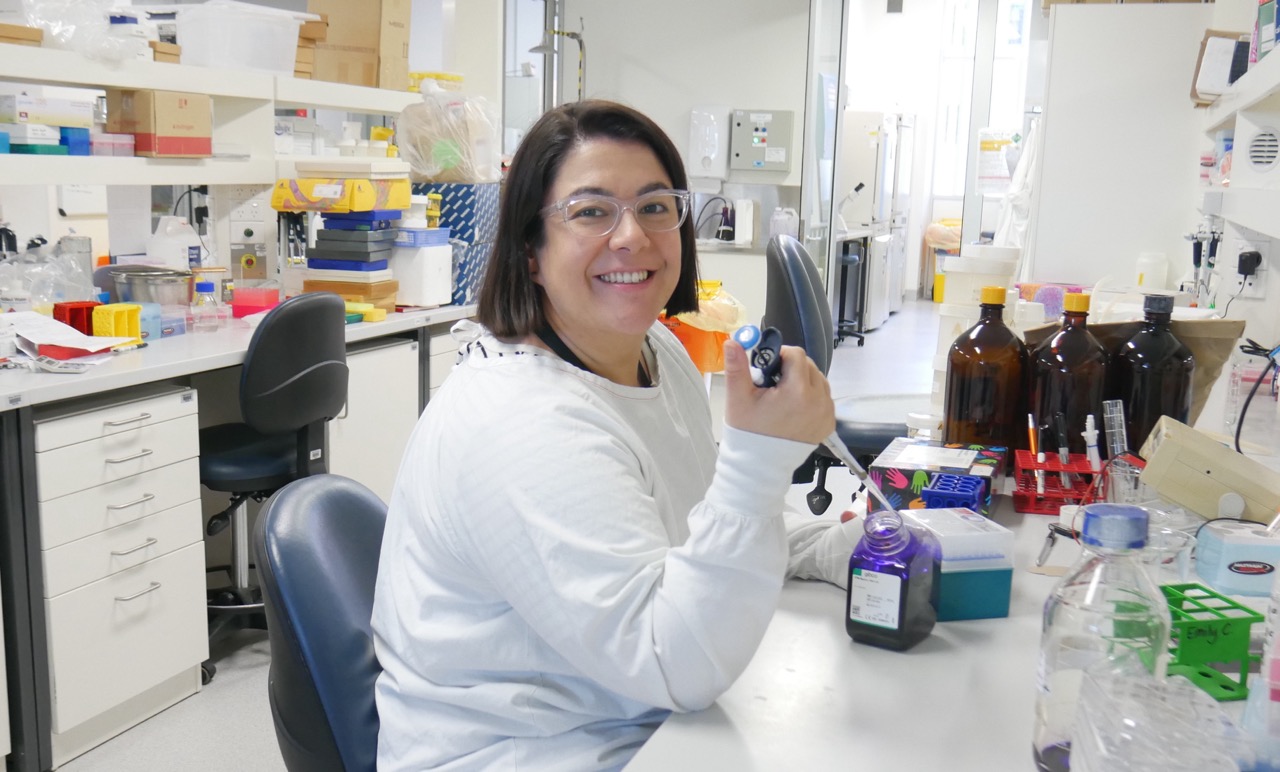
    Dr Emily Colvin from the Kolling says there is hope following some promising advances.

    Her team has identified new genes involved in the spread of ovarian cancer, and they are now also focusing on the role of the tumour microenvironment, which provides the support network for the tumour cells to survive.

    “We have been investigating the role of a specific cell in the ovarian tumour microenvironment called a cancer-associated fibroblast.

    “We have identified new genes that are switched on in these fibroblasts and influence ovarian tumour spread. These genes may play a role in how tumours avoid destruction by the immune system,” she says.

    “Knowledge of the genes involved in the initiation of ovarian cancer will help us develop effective treatments.

    “The microenvironment plays a huge role in how a patient will respond to therapy or develop resistance to drugs, or whether the cancer will metastasise, yet it has been largely ignored in ovarian cancer research.

    “By understanding how cancer cells communicate with their microenvironment, we will be able to better target them.

    “We are really interested in trying to discover why the microenvironment in ovarian cancer is a bit different to other cancers and why it’s more resistant to immunotherapy.

    “We are also keen to get started with liquid biopsy research. It’s radically replacing the need for tissue biopsy with blood tests that can tell us about a patient’s tumour. This has the potential to really change the way we treat all cancers, but particularly ovarian tumours.

    “We would like to see more research funding and advocacy so that we can really change outcomes. We’ve seen that with breast cancer, but we just don’t get that type of funding for gynaecological cancers.

    “We hope that with greater support, we could accelerate the development of an early diagnostic test, which would save so many lives.”  

  • Recognition of our impact on the world stage

    Recognition of our impact on the world stage

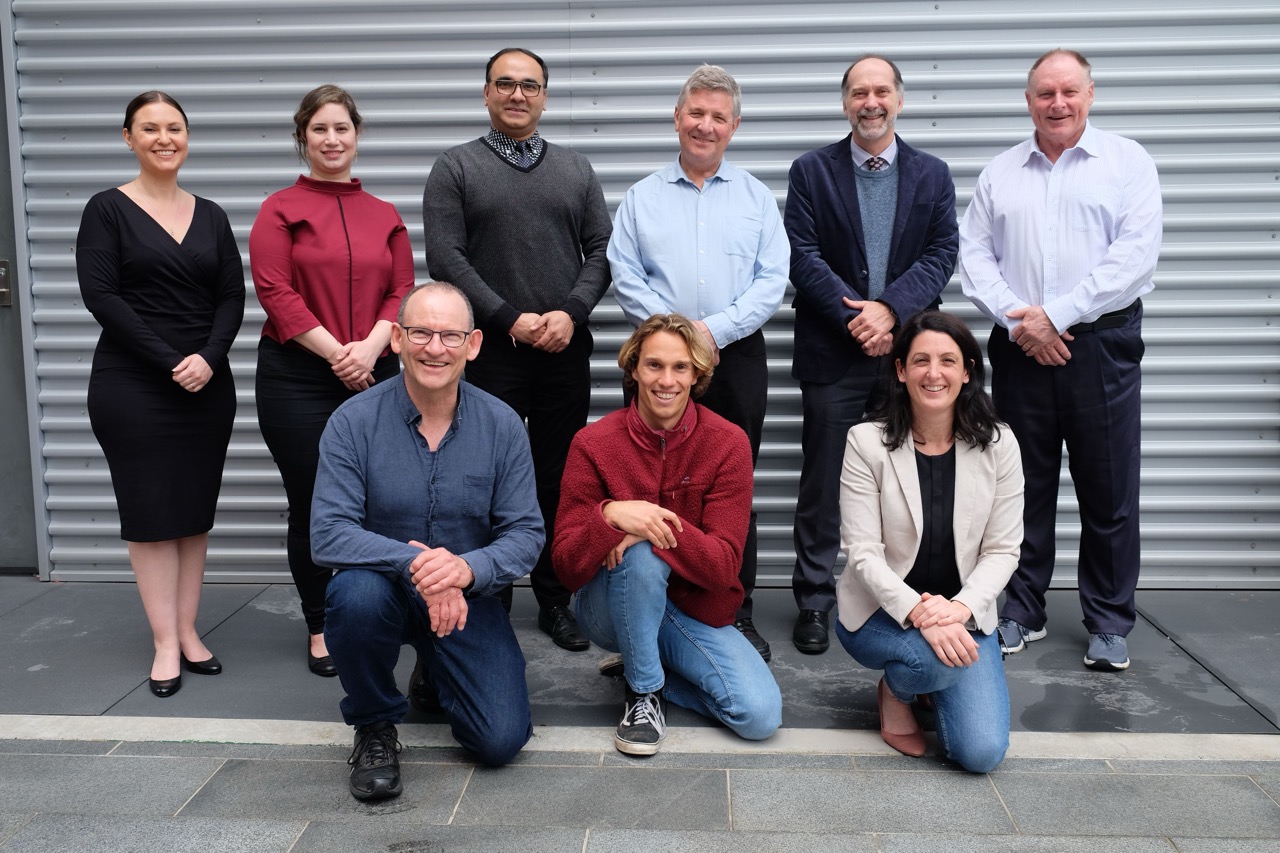
    Kolling Institute Governance Committee Chair Michael Nugent said it is encouraging to see more than a dozen researchers from the Kolling have been profiled in an international study recognising the world’s best.

    Published by Stanford University, the study has identified the top two per cent of researchers in the world across individual fields.

    The study is based on metrics from Scopus, a database of peer-reviewed literature including scientific journals, books and conference proceedings. Researchers were ranked on standardised information including citations, h-index, authorship positions and a composite indicator.

    “I am pleased to confirm 16 researchers from the Kolling have been highlighted in the study, demonstrating the unique expertise and experience we have across the institute,” Michael said.

    “These results are a further indication of the ground-breaking scientific progress we’re making, and the tangible impact we’re having on healthcare models of care and quality of life. Importantly, this impact is benefitting communities on a national and international scale.

    “I would like to acknowledge the following outstanding group of researchers, who all have an unrelenting commitment to improving the care we receive.”

    • Professor Rob Baxter (AM) – Breast Cancer Research
    • Professor Ian Cameron – John Walsh Centre for Rehabilitation Research
    • Professor Ashley Craig – John Walsh Centre for Rehabilitation Research
    • Professor Jim Elliott – Neuromuscular Imaging Research Lab
    • Professor Manuela Ferreira – Back Pain Research Group
    • Professor Gemma Figtree (AM) – Cardiovascular Discovery Group
    • Professor Paul Glare – Pain Management Research Centre
    • Professor Lisa Harvey – John Walsh Centre for Rehabilitation Research
    • Professor Sarah Hilmer (AM) – Laboratory of Ageing and Pharmacology
    • Professor David Hunter – Osteoarthritis Research Team
    • Professor Chris Little – Raymond Purves Bone and Joint Research Lab
    • Professor Gin Malhi – Academic Psychiatry and CADE Clinic
    • Professor Lyn March (AM) – Rheumatology Department
    • Professor Mark Molloy – Bowel Cancer Research
    • Professor Michael Nicholas – Pain Management Research Centre
    • Professor Carol Pollock (AO) – Renal Research Team

    “I would also like to acknowledge the Kolling’s former Executive Director Professor Carolyn Sue who has been recognised in the study profiling the global leaders in research.

    “It is wonderful that so many of our researchers are among the world’s best, driving significant improvements in research and clinical care.”

  • Philanthropic funds creating travel opportunities

    Philanthropic funds creating travel opportunities

    A collection of emerging research leaders will have the chance to broaden their research experience thanks to funding provided through the Skipper Jacobs Charitable Trust.

    Close to $40,000 will be shared amongst five early-to-mid career researchers, allowing them to travel nationally and internationally expanding their research and developing new skills.

    It’s anticipated the travel program will not only benefit the Kolling Institute, but will assist international collaborators, and improve health outcomes in Australia and beyond.

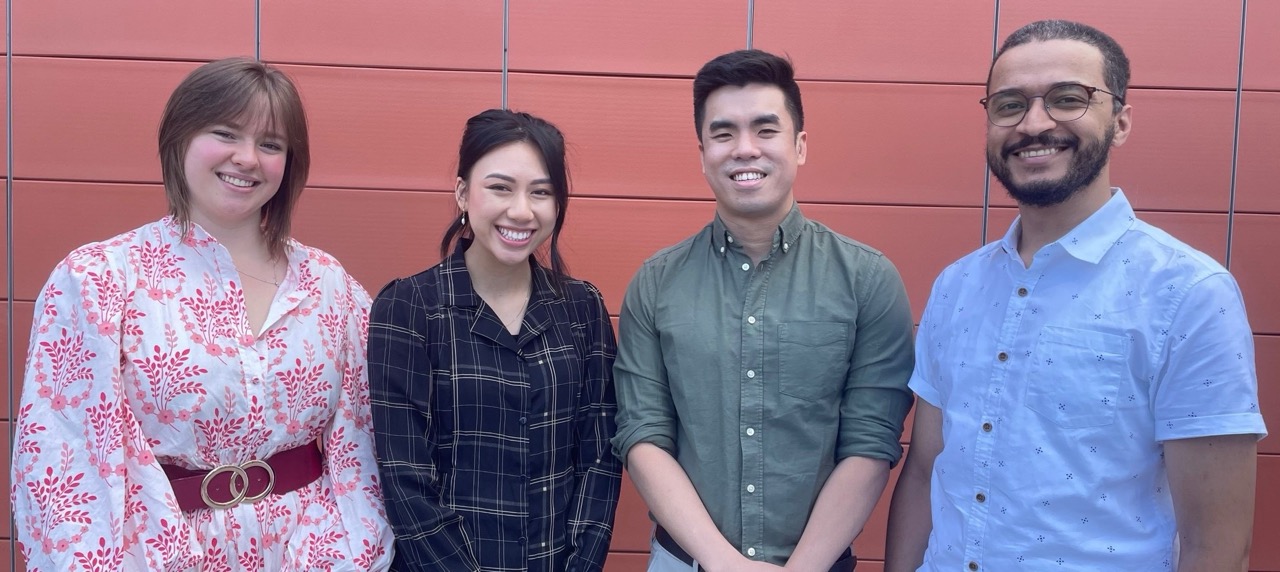
    PhD student Lionel Leck from the Cancer Drug Resistance and Stem Cell Program will take part in an internship at the Seoul National University to gain first-hand experience of a new technique looking at the molecular mechanisms of specific cancers.

    Lionel said this method of studying how proteins interact with each other in cancer stem cells will lead to better detection and a greater understanding of their behaviour, which will in turn, help develop new drugs to eradicate them effectively.

    “I’m really humbled and ecstatic to have received this award,” he said.

    “I would like to acknowledge the Skipper Jacobs Charitable Trust and the NORTH Foundation for this valuable and amazing opportunity.”

    Fellow PhD student Pich Chhay from the Cardiovascular Discovery Group will visit the South Australian Health and Medical Research Institute in Adelaide. There she will learn an innovative technique using gas chromatography to measure omega-3 in blood samples as an indicator of early heart disease.

    Pich said the research has the potential to identify those who are susceptible to heart disease, without the traditional risk factors. They can then be provided with prevention strategies including targeted medications.

    “I am delighted to receive this travel grant supported by the Skipper Jacobs Charitable Trust as it will enable me to develop new skills and present the fantastic work that is being done at the Kolling Institute to a wider science community,” she said.

    “This will help foster collaboration with multidisciplinary teams which will be invaluable in translating science through shared networks and resources.”

    Samantha Hefferan from the Murray Maxwell Biomechanics Laboratory will visit the University of Auckland, working in the Department of Chemical and Materials Engineering to broaden her understanding of the ultrastructure of human tendons.

    There she will use the lab’s new imaging methods to explore tendon structure and the impact of disease and injury.

    “It is such a pleasure to be granted this award. Without it I would not be able to participate in this amazing study opportunity.”

    “I look forward to the chance to improve my research skillset while engaging with an exciting new project.”

    “This initiative is part of an ongoing collaboration between the Kolling and an international expert at the University of Auckland. It will broaden my professional development as a scientist, while also enhancing the research partnership between the Kolling and the New Zealand university.”

    Dr Mounir Boudali is an early-career engineer with specialisation in robotics. He will visit the renowned Cleveland Clinic in the USA to enhance his knowledge of using robotics in biomechanical research for joint replacements.

    Mounir will visit the development team behind the Sim Vitro software, the software which is driving the Kolling’s new biomechanical robot.

    “I am thrilled to receive the Beryl and Jack Jacobs travel grant,” he said.

    “Nothing can beat learning from the source. We will learn how to use a sophisticated platform for biomechanical testing, while generating a huge amount of knowledge in orthopaedics and developing important collaborations.”

    Dr Kenji Fujita is an early-career pharmacist with a PhD working in the Ageing and Pharmacology Research Group at the Kolling. Kenji has helped to develop techniques to calculate the frailty index in patients undergoing surgeries, while also leading research on the quality of pharmaceutical care.

    He is keen to share his knowledge and experience with international collaborators and will visit Denmark, Norway and Japan.

    “I am thrilled to have been selected for this grant and incredibly thankful for all the support,” he said.

    “As countries recover from the pandemic and international travel picks up, I am keen to connect with like-minded professionals in my field.

    “I’ll be leading a three-day workshop in Denmark, visiting collaborators in Norway and delivering a presentation in Japan, a country with the highest proportion of older adults in the world.

    “I’m sure my trip will strengthen international collaborations and promote our translational research at the Kolling, while also lifting my international profile.”  

  • International recognition for remarkable Kolling researcher

    International recognition for remarkable Kolling researcher

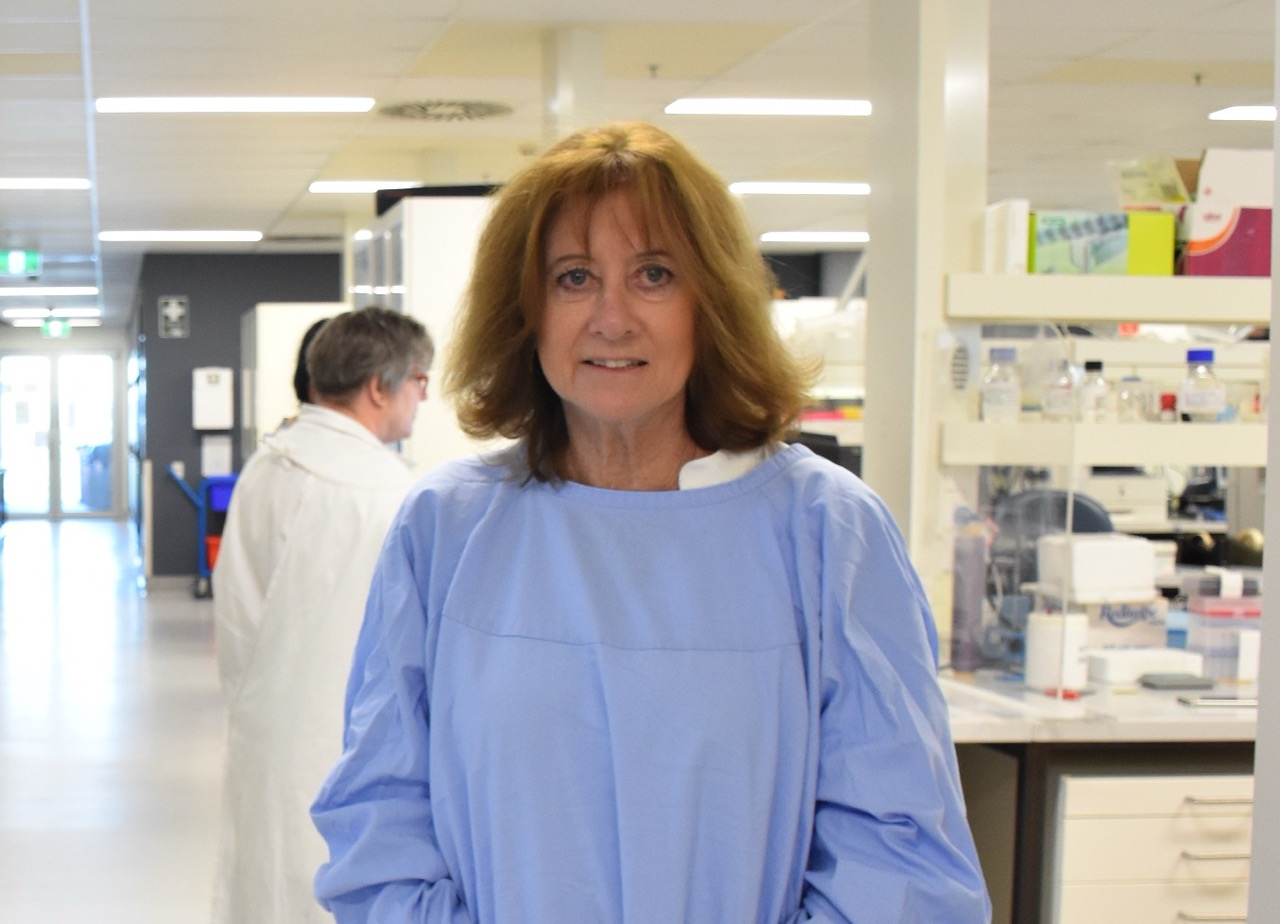
    We would like to congratulate Professor Carol Pollock who has received a highly prestigious award for her extraordinary commitment to research.

    The International Society of Nephrology has announced Professor Pollock is the 2023 recipient of the Alfred Newton Richards award for outstanding research in the field of nephrology.

    Carol has welcomed the news.

    “I am extremely honoured to be recognised by the ISN for the research my team and I have done over many years,” she said.

    “Prior recipients of the Alfred Newton Richards Award are exceptional and I am proud to be included in this relatively small group of nephrology researchers internationally.”

    As a renal medicine specialist and internationally respected academic, Professor Pollock has had a remarkable career as a clinician, researcher, lecturer, mentor and advocate.

    Carol has published over 440 papers in clinical medicine and basic science. She has over 32,000 citations and is an inaugural Fellow of the Australian Academy of Health and Medical Sciences.

    Carol has had an extensive range of health leadership roles, and is currently the Chair of Kidney Health Australia, Chair of the NSW Bureau of Health Information and Deputy Chair of the Australian Organ, Tissue and Transplant Authority. She was chair of the NSLHD Board from 2010-2016.

    Carol is on several industry boards and is an ambassador of Business Events Sydney.

    Her dedication to her clinical and research endeavours have been recognised with many accolades, including a ministerial award for excellence in cardiovascular research and a Vice Chancellors award for research supervision from the University of Sydney.

    In 2021, Carol received the Haiyan Wang Award which recognises individuals who have made substantial contributions to the clinical or translational science and development of nephrology service and education in the Asia Pacific Region.

    In that year, Carol was also appointed an officer of the Order of Australia (AO) for her distinguished service to medical research, education and science, nephrology and clinical practice. 

  • Recognition for our up and coming stars

    Recognition for our up and coming stars

    Several high profile awards are highlighting the emerging talent within the Kolling’s Laboratory of Ageing and Pharmacology.

    Led by Professor Sarah Hilmer, the team is driving research to improve the quality use of medicines particularly by older adults.

    Two prestigious awards were presented to researchers at a national event in Perth showcasing new investigators in clinical and experimental pharmacology and toxicology.

    Dr John Mach received the ASCEPT Early Career Investigator Award while Dr Lisa Kouladjian O’Donnell received the Early Achievement in Women Award. Both these awards are significant given the large and competitive field vying for the recognition.

    In a further sign of the developing strength within the team, honours student Kevin Winardi was awarded the University Medal.

    His outstanding honours and undergraduate performances helped secure the prestigious medal.

    Professor Hilmer said Kevin is not only an impressive student, but also generously helped out in our lab through periods where we had staff shortages.

    “I am tremendously proud of John, Lisa and Kevin for their remarkable commitment to their work and the tangible impact of their research success,” she said.

    The team is developing digital health interventions to identify high risk medicines.

    Further information about the program to ensure the safe use of medications is available at https://gmedss.com

  • Kolling researchers receive Australia Day honours

    Kolling researchers receive Australia Day honours

    Two of our outstanding Kolling Institute researchers have been recognised in this year’s Australia Day honours roll.

    Professor Sue Kurrle has been appointed an Officer of the Order of Australia (AO) for distinguished service to medicine as a geriatrician, and to research into dementia and cognitive decline.

    Sue works at Hornsby Ku-ring-gai and Batemans Bay Hospitals, specialising in dementia, frailty and falls. She is a key part of the Emmy-award winning documentary series ‘Old People’s Home for 4 Year Olds’.

    Sue is thrilled to receive the award.

    “I am still having trouble believing it,” she said.

    “I am very chuffed, and my hope is that it will help raise the profile of geriatric medicine and dementia, as we have a lot of work to do in this area.”

    Sue is also the Clinical Director for the NSLHD Rehabilitation and Aged Care Network, and co-chair of the NSLHD Clinical and Quality Council. Sue holds the Curran Chair in Health Care of Older People at the University of Sydney.

    “Over the past 30 years, all my research has been driven by problems seen in my clinical practice. This has included elder abuse, falls and hip fracture, frailty, and cognitive decline and dementia.

    “I’m also very interested in successful ageing, and work with councils and community groups to raise awareness in this area.

    “I’m currently involved in research in the areas of dementia and frailty, and have also been working with colleagues in Vietnam on their National Dementia Strategy.”

    RNSH interventional cardiologist and Kolling Institute researcher Professor Gemma Figtree has been appointed a Member of the Order of Australia (AM) for her significant service to medicine.

    As one of Australia’s most high-profile women in cardiology, Gemma is a Professor in Medicine at the University of Sydney, chair of the Federal Government’s 10-year Mission for Cardiovascular Health and co-leader of the Cardiovascular Theme for Sydney Health Partners.

    Gemma has dedicated her career to identifying the key mechanisms driving heart attack susceptibility. She combines her clinical work as an interventional cardiologist with lab research, involving large studies and clinical trials.

    Gemma said she was surprised by the news, but excited the prestigious award was raising awareness of the achievements of the cardiovascular research community in Australia.

    “I’m honoured to receive this award. I see it as an acknowledgement of how vital cardiovascular research is and the contribution that it makes to Australian lives.

    “There has been a sense of apathy around heart disease, with common perception that it’s all solved or understood, and that individuals who suffer events have somehow treated themselves badly. This is not the case.”

    “Cardiovascular disease is still Australia’s biggest killer. This is not an inevitable situation and Australian researchers can lead the way over the next 10 years to unravel answers to the significant variation in individual susceptibility to heart disease and stroke and improve personalised preventative strategies.”

    Gemma also thanked her family for their continued support, particularly after her diagnosis and treatment for breast cancer last year.

    “I owe a massive thank you to my family. I couldn’t do any of this without their support, especially during my treatment and recovery.” 

NSWGOV logo