Blog

  • First of its kind tool providing support for people with spinal cord injuries

    First of its kind tool providing support for people with spinal cord injuries

    A valuable digital resource has been launched to help people with spinal cord injuries troubleshoot some of the complex health challenges that can arise after injury.

    The Spinal Cord Injury Health Maintenance Tool, which includes a website, smartphone app and hardcopy booklets, has been designed to empower people to self-manage their health-related needs and maintain a high quality of life.

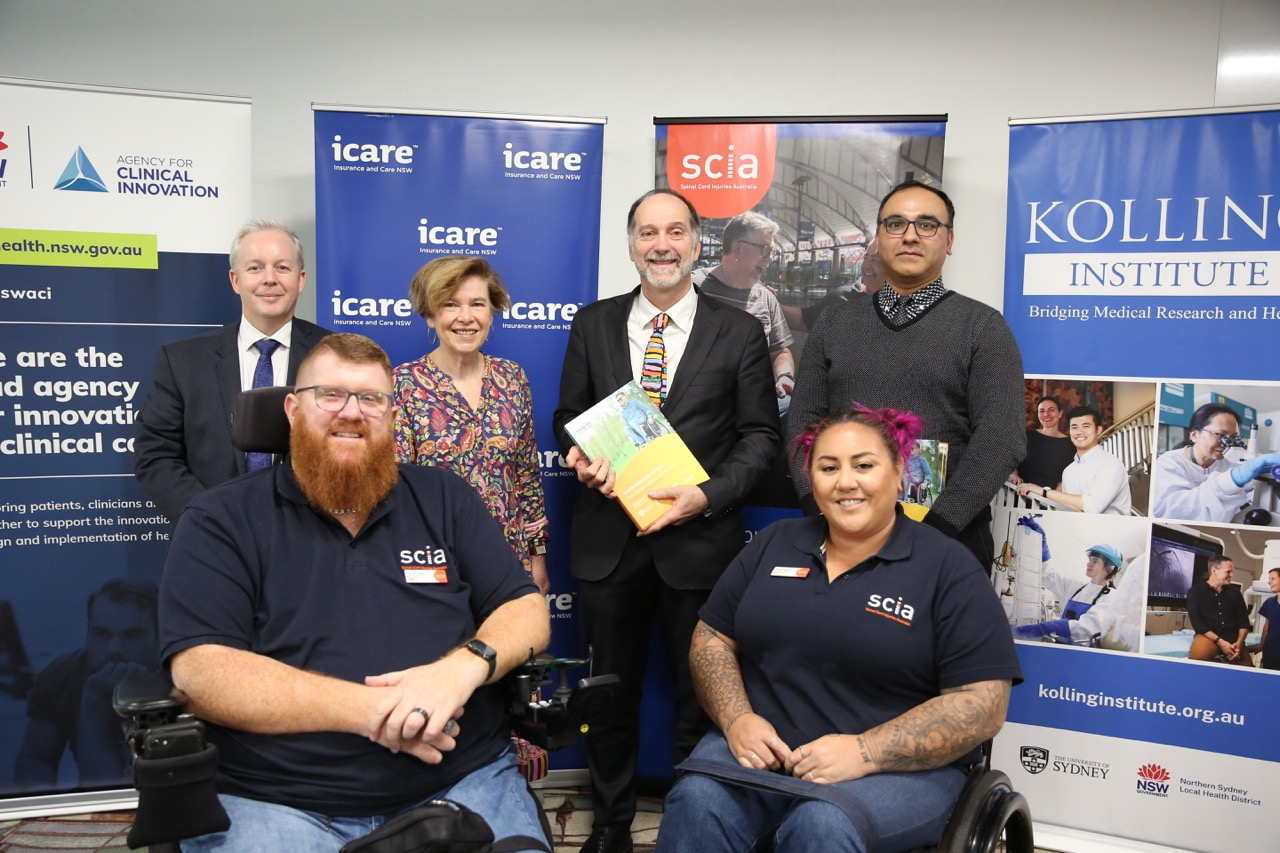
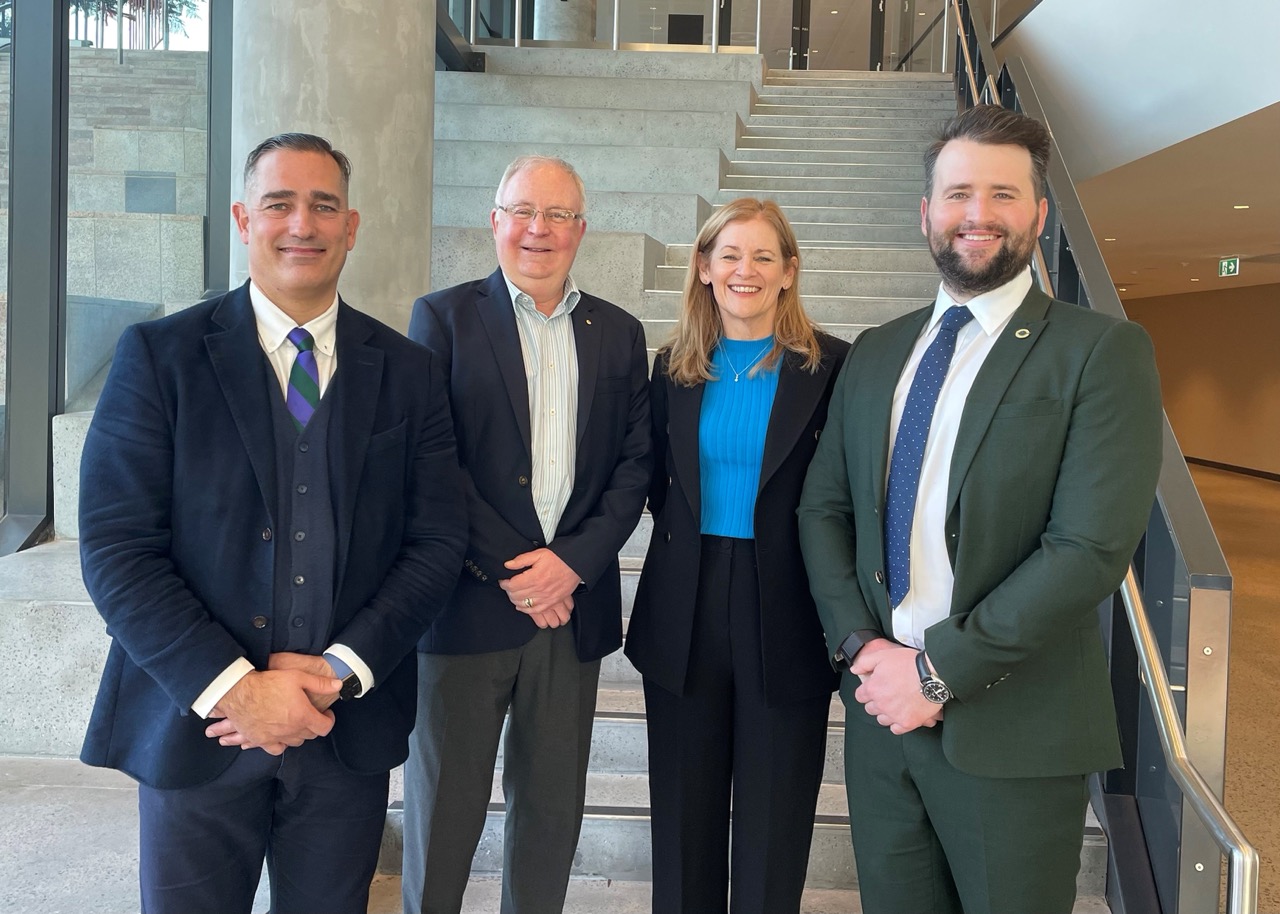
    Launched by NSW Health Secretary Susan Pearce AM, the tool provides reliable, evidence-based and easy-to-understand information to help those with spinal cord injuries and their primary health care providers manage injury related concerns.

    It features interactive tools such as a quick health checker, collaborative care plans, symptom trackers and goal setting programs.

    The tool also offers self-management strategies focusing on mental health and wellbeing, as well as bladder, bowel, skin, pain and autonomic dysreflexia concerns.

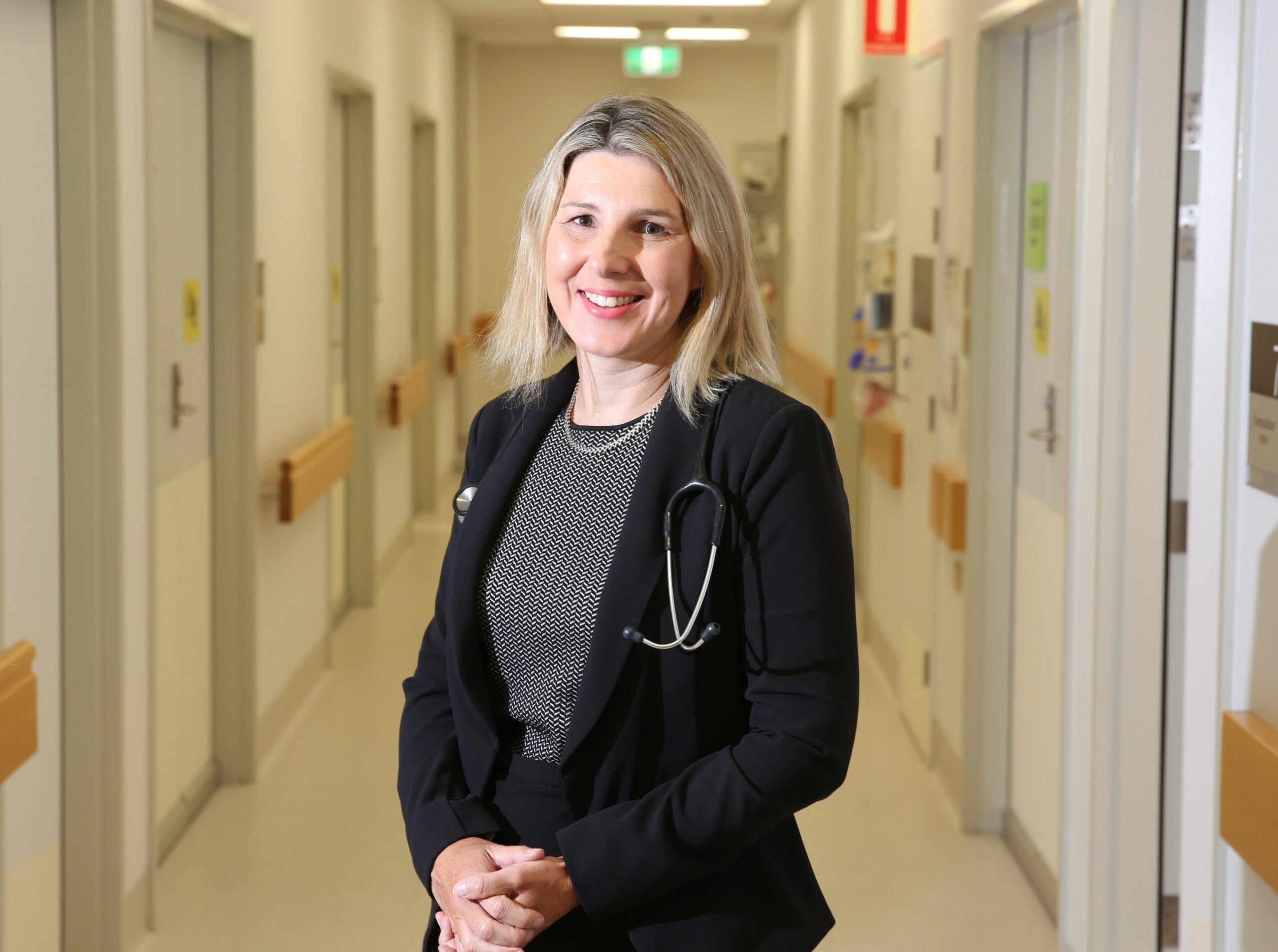
    Kolling Institute and University of Sydney researcher Professor James Middleton, who was instrumental in the design of the resource, said the tool had been written through the lens of someone with a spinal cord injury, so individuals can learn what they need to do to stay well and what action to take when health issues arise.

    “The tool was developed following genuine, multi-method consultation with meaningful engagement with a diverse stakeholder group,” he said.

    “This process ensured the voices of individuals living with a spinal cord injury and their healthcare providers were incorporated into the design of this important new resource.

    “During the consultations for instance, we found there was a need to place a greater emphasis on mental health and wellness, so an additional component on mental health was included.

    “We are very proud of this resource which will provide practical and easily accessible information to those with a spinal cord injury.”

    Consumer reaction

    The resource has been welcomed by consumers. Brendan Gardiner lives with a spinal cord injury and spoke at the launch about his experiences using the tool.

    He says it provides information that keeps him ahead of the next problem.

    “It’s comforting to have an extra resource I can go to when I have a problem, and information that helps me avoid future problems.” Brendan said.

    Partnering for impact

    The freely available tool was developed in partnership between The University of Sydney, Royal Rehab, the State SCI Service, the NSW Agency for Clinical Innovation, and with funding provided by icare NSW.

    Group Executive of icare Lifetime Schemes Dr Nick Allsop has welcomed the development of the tool, particularly given the complex health needs of people living with a spinal cord injury.

    “The website and app empower people to expertly and proactively manage their health needs independently, and with their care team. We want people with a spinal cord injury to have improved quality of life and health outcomes.”

    To find out more about this comprehensive resource visit the Spinal Cord Injury Health Maintenance Tool website. 

  • Scholarship supports the next generation of top researchers

    Scholarship supports the next generation of top researchers

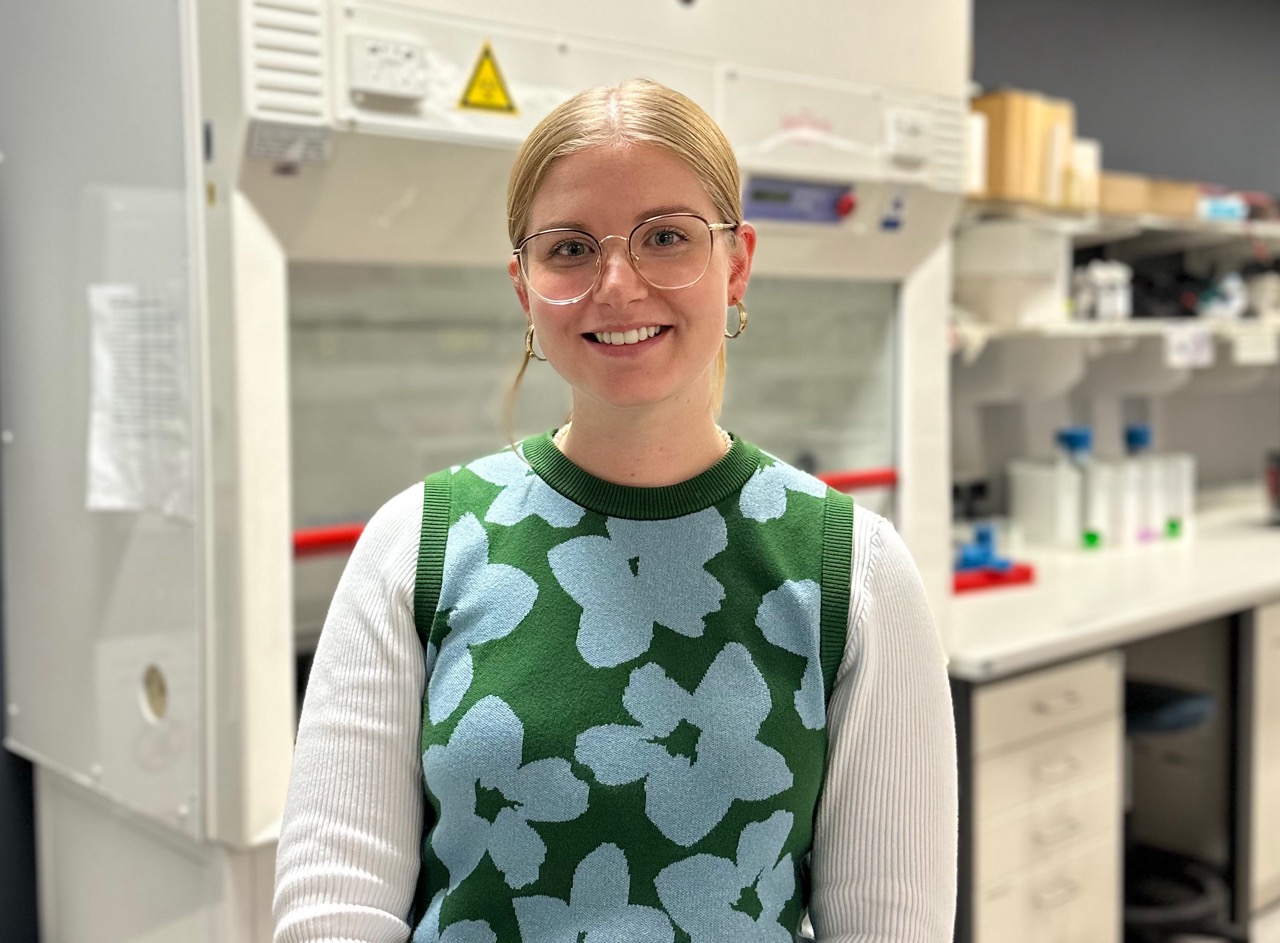
    We would like to congratulate Kolling Institute researcher Amanda Purcell who has received a Juvenile Diabetes Research Foundation scholarship.

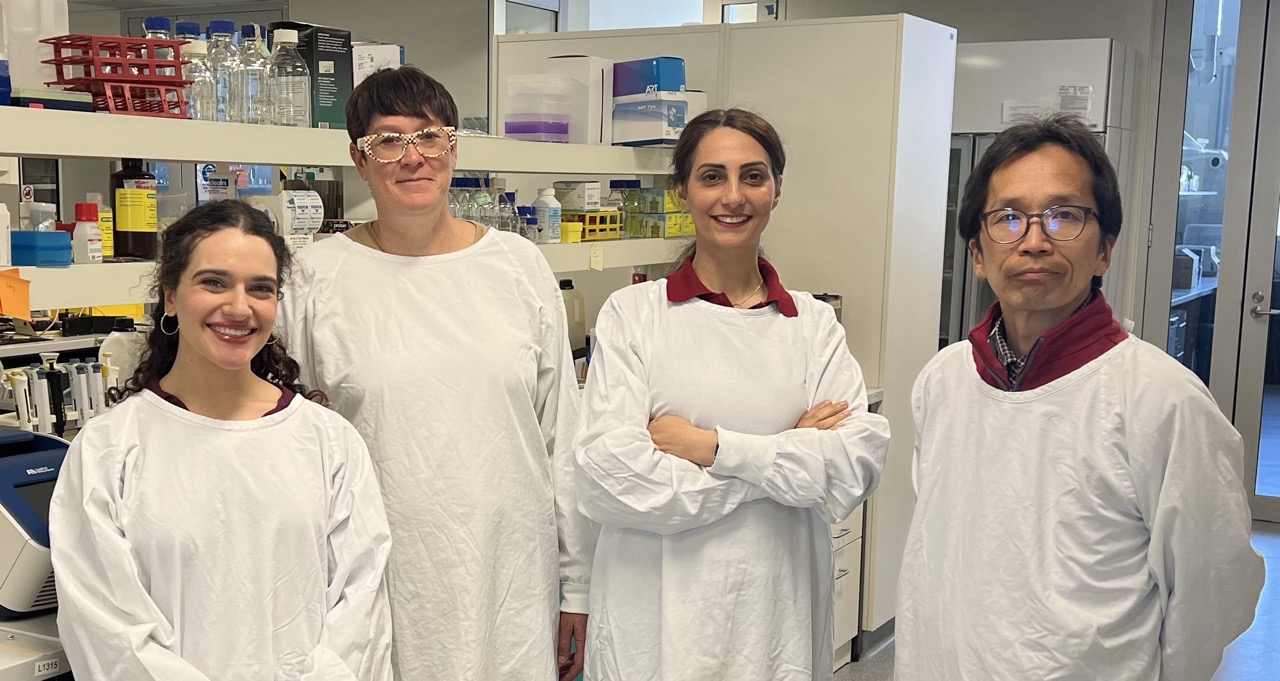
    Amanda is part of our Renal Research Laboratory, working to improve treatment for those with diabetes and kidney disease.

    She has been awarded a top-up scholarship aimed at supporting PhD students pursuing type 1 diabetes research in line with the foundation’s mission to treat, prevent and cure the disease. The competitive scholarship selects the best and brightest scientists in the field to ensure the next generation of researchers can carry out their ground-breaking work.

    Amanda has welcomed the news.

    “The Juvenile Diabetes Research Foundation PhD scholarship represents an opportunity to create meaningful change and gives me the privilege to be part of a community dedicated to making a difference in the lives of people with type 1 diabetes,” she said.

    “This support will give me the chance to attend conferences and workshops, helping me connect with experts in the field and share my research findings.”

    Amanda will investigate if a medication can be used to treat diabetic kidney disease in those with type 1 diabetes and obesity. Type 1 diabetes often leads to complications, including diabetic kidney disease which can be life-threatening.

    “The medication is widely used in type 2 diabetes for weight loss and to improve how cells respond to insulin.

    “It is also used to delay progression of diabetic kidney disease in those with type 2 diabetes, but it is not known whether it would have these same benefits in those with type 1 diabetes.

    “Using a pre-clinical model, my project aims to determine if using the medication for those with type 1 diabetes and obesity can improve kidney health.

    “We hope the findings from this work will influence preventative care for diabetic kidney disease in people with type 1 diabetes and obesity.”

    Dr Dorota Pawlak, Chief Scientific Officer, JDRF Australia said we are passionate about not only supporting well established scientists who are leading the field, but also the best early career researchers to foster the pipeline and to ensure breakthroughs continue to happen.

    The scholarships allow PhD scholars to attend scientific conferences, present their findings and establish critical networks with both national and international researchers. 

  • New research to determine best practice for knee osteoarthritis

    New research to determine best practice for knee osteoarthritis

    Our researchers at the Kolling Institute are set to influence the delivery of osteoarthritis care across Australia following a significant funding announcement.

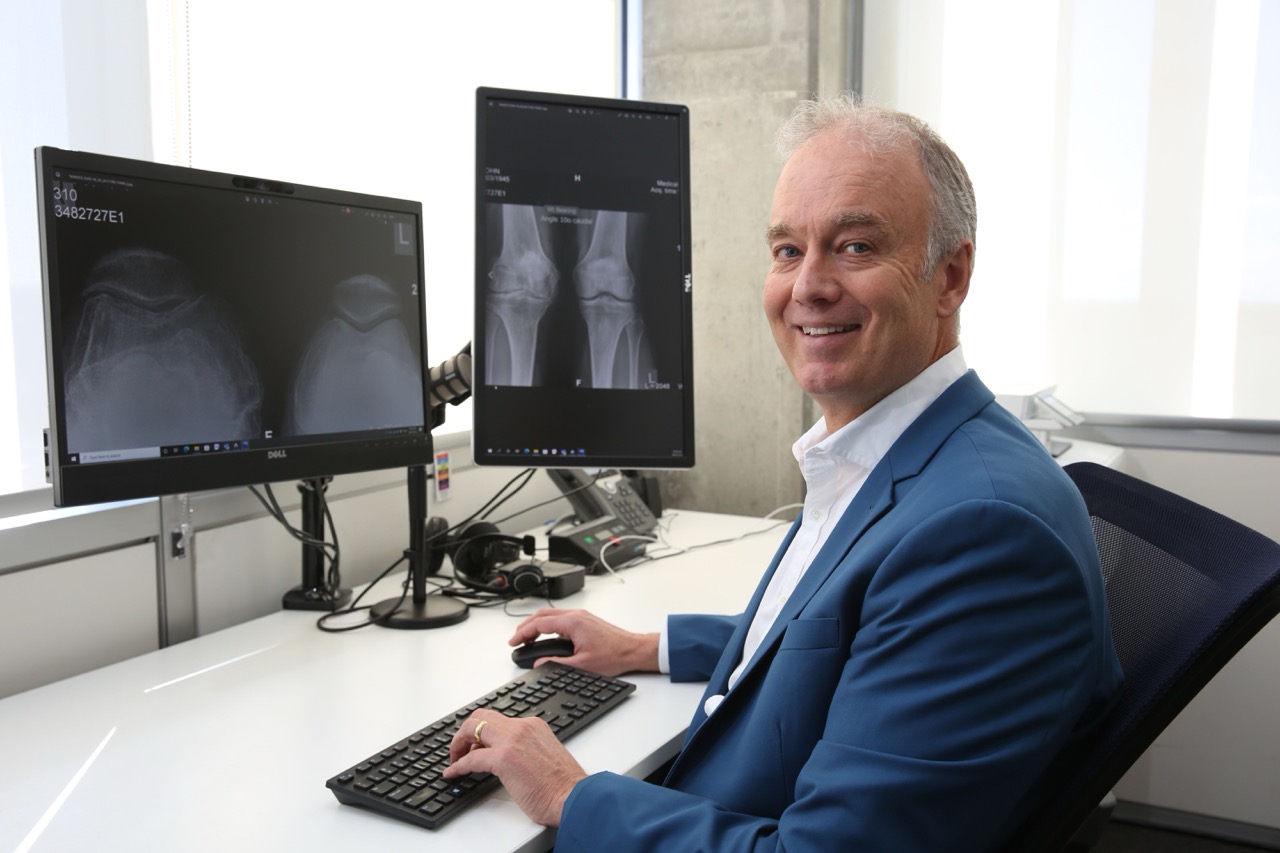
    More than $1.4 million has been awarded to internationally recognised rheumatologist and researcher Professor David Hunter as part of the NHMRC Partnership Project Grants Scheme.

    The scheme is designed to help researchers work directly with partners to deliver programs that respond to community needs, improve equity and broaden access to care.

    Professor Hunter’s project is one of seven being funded this year at a total cost of $9 million.

    It will compare the effectiveness of a telehealth approach with optimal face-to-face treatment for knee osteoarthritis.

    Professor Hunter said we are enormously appreciative of both the partners who will be involved in this project, as well as the NHMRC for funding our work.

    “It will provide important information for policymakers to determine which groups of people will benefit most from the particular types of therapy,” he said.

    “It will also help confirm which model of care is the most effective and cost-effective, and which type of therapy could be efficiently delivered on a large scale.

    “It’s expected the methods and resources we develop during the trial will be shared widely, and adopted on a national scale.”

    With an increasing number of Australians experiencing osteoarthritis, Professor Hunter said it’s important we are able to inform policy makers and service providers on the best-practice management of this condition.

    “Despite the significant burden of the disease, the current delivery of osteoarthritis care is often not consistent or informed by evidence-based guidelines.

    “It is often fragmented, inappropriate and of little value.

    “Our team is consistently working to lift standards of care and long term health outcomes, so we are thrilled this new funding will help us progress our research in this area.”

    The total investment in the seven NHMRC partnership projects will reach more than $24 million after funding from the partners.

  • Kolling researchers leading the fight against diabetes

    Kolling researchers leading the fight against diabetes

    With a concerning rise in the number of people developing Type 2 diabetes, our researchers at the Kolling Institute are offering hope and an effective way forward to reduce the impact of the serious disease.

    Type 2 diabetes is the fastest growing chronic disease in the world, and if the current trend continues, it’s anticipated close to three million Australians will have the disease by 2025.

    It often occurs in those who are over 40, overweight or if there’s a genetic predisposition, but increasingly doctors are seeing young adults and adolescents with the condition.

    Sadly, many people may have the disease, and not realise it until the condition is well advanced.

    Kolling Institute researcher and Royal North Shore Hospital endocrinologist Associate Professor Sarah Glastras said Type 2 diabetes is a crippling condition which can increase your chance of kidney failure, heart attack and stroke.

    “There is no cure but it can be put into remission with lifestyle changes, with evidence suggesting that losing weight can help you manage your diabetes and return to normal blood sugar levels,” she said.

    “It is an encouraging time with a range of new drugs, innovations and clinical trials in the pipeline which will offer tools and strategies to manage diabetes.

    “In the next 12 months, there will be new combined medications which we expect will help with weight loss and the maintenance of glucose levels.

    “These drugs will have the potential to halt the march of diabetes.”

    For many people a combined approach of exercise, diet and medication will achieve significant results.

    “I often tell my patients you can’t change your age or your genes, but we do have control over what we eat and how much exercise we do. Exercise is crucial to improving the body’s metabolism.”

    New research is pointing to the benefits of a personalised diet program tailored to your individual gut microbiota.

    “Importantly, there also needs to be greater access to these promising new medications, and a greater focus on the condition.

    “Unlike cancer and heart disease, diabetes often doesn’t receive the attention and funding it deserves. There is a stigma associated with obesity and diabetes, a belief that people have brought it on themselves, neglecting the fact that it is a genetically driven disease.”

  • Act of generosity continues to deliver hope for those with cancer

    Act of generosity continues to deliver hope for those with cancer

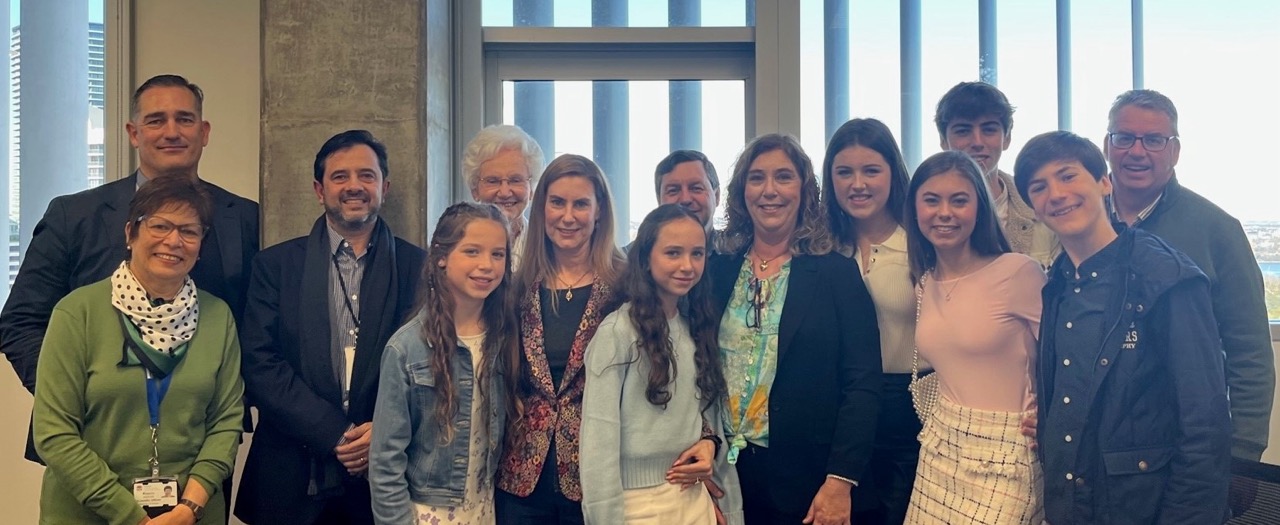
    The Kolling Institute hosted a special visit by the family of the late Bill Walsh who donated vital funds to establish a cancer laboratory within the Kolling.

    His family, including his wife, daughters and grandchildren visited the lab to maintain their strong ties with the research team and meet with Academic Director Professor Jim Elliott.

    Established in 1980, the Bill Walsh Cancer Research Laboratory now has more than 20 members driving progress in pancreatic, lung, ovarian, Mesothelioma, brain and breast cancer research.

    The team is at the forefront of discovery, respected for its contribution to our understanding of specific cancers and improvements in care.

    Professor Elliott said the visit by Bill Walsh’s family provided the chance to highlight the impressive team and the state of the art facilities.

    “It also gave us the opportunity to remember Bill Walsh’s extraordinary efforts raising funds for research and those experiencing cancer,” he said.

    Bill Walsh was diagnosed with terminal cancer in 1975 and was one of the first people to be treated with chemotherapy at Royal North Shore Hospital.

    During his treatment, he discovered that funds for cancer research at the hospital were very low.

    He was frustrated with the lack of hope for those with cancer and wanted his two young children to have a better chance of survival if they developed cancer later in their lives.

    Determined to raise money for a cancer research unit, he organised the Bill Walsh Art Union, where he raised almost $500,000.

    It was the most successful art union to date and the largest single donation to the hospital at the time. In 1978, he was awarded the British Empire Medal for services to the community.

    Bill Walsh died in 1979 and didn’t see the realisation of his dream, the Bill Walsh Cancer Research Laboratory which had been made possible as a result of his efforts.

    Professor Elliott said Bill was an inspiration and one of the great pioneers of fundraising for cancer research.

    “His courage in the face of adversity led to hope for many people with cancer.

    “I would like to thank Bill Walsh’s family for taking the time to visit the Kolling and the cancer research lab, and I’d like to encourage other families to consider supporting our crucial translational research.”

    Royal North Shore Hospital Director of Oncology and cancer specialist Professor Nick Pavlakis also thanked Bill Walsh’s family, saying Bill’s contribution has had lasting benefits.

    “The Bill Walsh lab has been an important asset not just in integrating the Royal North Shore Hospital clinical teams with lab based research activity, but in introducing many young cancer specialists to lab and translational research, which has put many on the path of ongoing cancer research careers.”

    If you would like to donate to our research, please contact the NORTH Foundation, our fundraising partner. 

  • Technology delivering support to those with back pain anywhere, any time

    Technology delivering support to those with back pain anywhere, any time

    With the number of people living with low back pain escalating sharply, researchers are turning to widely-accessible technology to reduce the impact of the disabling condition.

    The team from the University of Sydney and the Kolling Institute has launched a study measuring the effectiveness of a mobile health program which offers self-management strategies via text messages.

    Study lead Professor Manuela Ferreira said broader options for care are needed given the number of people who experience the condition.

    “Low back pain is the greatest cause of disability worldwide, impacting social, family and work activities,” she said.

    “In Australia, it affects one in six people and is the main reason Australians miss work and retire involuntarily.

    “New modelling conducted by our team estimates more than 800 million people globally will be living with low back pain by 2050, a 36 percent increase from 2020.

    “People with low back pain need affordable interventions to help them manage their condition, and this health program provides practical, evidenced-based strategies.

    “Text messaging is an easy, accessible and affordable intervention that can empower those with low back pain to better manage their own symptoms.

    “It can be used to support people anywhere, at any time of the day.

    “Text messaging initiatives have been shown to help people with chronic diseases such as cardiovascular disease and diabetes, and we are working to determine if this approach can also be an effective tool for those with chronic back pain.”

    The study, named TEXT4myBACK, is assessing two formats of text message interventions, which differ in frequency and content.

    Researchers will then measure whether the text messages are improving function and back pain symptoms.

  • Australian researchers uniquely positioned to support upcoming space missions

    Australian researchers uniquely positioned to support upcoming space missions

    The expertise across Australia’s space medicine community was showcased during a special event co-ordinated by the Kolling Institute and the Australasian Society of Aerospace Medicine.

    Staged over two days, the colloquium involved national and international experts including representatives from the Australian Space Agency, the CSIRO, Boeing and the Australian Antarctic Program.

    Presenters discussed the specific medical, dental, and psychological needs of astronauts, Australian-designed space suits and opportunities for our space community in NASA’s Artemis exploration of the moon and ultimately Mars.

    Kolling Academic Director Professor Jim Elliott said Australia’s involvement in the Apollo Moon landings is well documented, but perhaps what is not well known is the depth of experience in Australia’s contemporary space industry.

    “We have a tremendous depth of medical, technological and research expertise in this field,” he said.

    “Australian clinicians and researchers have been collaborating with international space agencies for years. Our clinical experience and research have helped inform developments in space life sciences as our international partners recognise our unique scientific expertise.

    “Some research has specifically focused on clinical advances to improve the healthcare support to astronauts.

    “Our technological sector is also well placed to offer specialised support, with a consistent track record of driving innovation.

    “Australian experience has driven advances in radiation protection, wearable sensors and compression suits worn by astronauts to limit the musculoskeletal effects of microgravity.”

    Dr John Cherry, a director from the Australasian Society of Aerospace Medicine said Australia is in a strong position to support long duration human spaceflight missions.

    “We are world leaders in rural and remote healthcare, with experience delivering care in some of the most extreme and isolated environments on earth,” he said.

    “The Australian Antarctic Program for example has developed specialised training and technology to enable a generalist doctor to provide high quality medical, surgical, anaesthetic and dental care to an isolated team.

    “Many of the challenges faced in these settings will be experienced by astronauts and space agencies as human spaceflight extends further into space.”

    Professor Elliott said the Australian space medicine community is keen to see the medical progress as a result of the upcoming space explorations.

    “It’s anticipated that some of the lessons learned in space will deliver benefits back on earth and help to drive improvements in health outcomes.

    “For instance, the new knowledge around the deconditioning of astronauts in space could help doctors back home managing patients with deconditioning after long periods in hospital.” 

  • New approach delivers breakthrough for pain researchers

    New approach delivers breakthrough for pain researchers

    Researchers at the Kolling Institute have made important progress towards the development of new treatments for chronic pain by identifying a small group of cells which can control pain responses.

    The breakthrough comes as approximately 20 per cent of the world’s population suffers from chronic pain, including around 3.4 million Australians.

    Dr Neda Assareh, a neuroscientist research fellow from the Pain Management Research Institute said medications and psychological support offer some relief, but many people continue to experience ongoing pain without effective treatments, and this often leads to depression and anxiety.

    She says a large number of people also continue to use opioids which can be addictive and ineffective.

    “Our team however, has been working to develop better and safer treatments for chronic pain by improving our understanding of which pain pathways shape the experience of pain,” she said.

    “In this ground-breaking study, we used an advanced bioengineering technique to investigate how the brain organises pain signals, and we found evidence that a never-investigated cell type can control pain.

    “The study relied on chemogenetics, a technique that allowed us to activate and inactivate a small population of glycinergic neurons in isolation.

    “These neurons are found in the midbrain periaqueductal gray, a part of the brain which influences pain responses and anxiety linked to pain.

    “Our study is the first to investigate the role of these neurons in setting pain thresholds, and we found that inhibiting the activity of the glycine-PAG neurons reduced pain responses in both sexes. It was important to test responses with both sexes as we know that pain affects men and women differently.”

    Senior researcher Dr Karin Aubrey has welcomed the discovery of this unique group of cells which control pain responses.

    “Importantly, there are only a small percentage of these neurons in the midbrain, so by targeting these cells, we may be able to develop medications which reduce pain with fewer side effects than existing medicines, “ she said.

    “In the next stage of the program, we will aim to determine how glycine-PAG neurons communicate with higher brain areas, and investigate their ability to alter pain and anxiety outcomes in chronic pain models.”

    “Our findings are the result of a strong collaborative effort also involving senior researcher Yo Otsu, PhD student Caitlin Fenech, and lab assistants Nazim Uddin and Rebecca Power.”

    The research has been published in the leading scientific journal eNeuro. 

    The project was made possible with the support of the Ernest Heine Family Foundation and the Pain Foundation.

  • Research questions the value of injectable medications for osteoarthritis

    Research questions the value of injectable medications for osteoarthritis

    Our researchers at the Kolling Institute are encouraging those with osteoarthritis to rely on treatments with a proven track record and avoid quick fixes without the data to show they work.

    The comments follow a steady rise in osteoarthritis cases nationally, with around three million Australians now living with the condition, and many forced to retire early.

    The rise in cases has coincided with strong interest in injectable medications, particularly for knee osteoarthritis, such as hyaluronic acid, stem cells and platelet-rich plasma.

    But Royal North Shore Hospital rheumatologist and world leading osteoarthritis researcher Professor David Hunter said we don’t have the data to show these injections work.

    “The hyaluronic acid injections are no better than a saltwater injection, but they will cost you a lot more, while we just don’t have good enough evidence for the stem cell injections or the platelet-rich plasma,” said the University of Sydney researcher.

    Professor Hunter is disappointed that the latest evidence on treatments is not filtering through to consumers and new resources are not reaching those with osteoarthritis.

    He would like to see a stronger focus on the core treatments which work.

    “Individuals with osteoarthritis need to be encouraged to manage their condition using behaviour and lifestyle interventions in the knowledge that the development of disease-modifying drugs might still be some way away,” he said.

    “Some of the evidence-based treatments include doing exercises that strengthen the muscles around the affected joint.

    “We recommend working with a physiotherapist or an exercise physiologist trainer to learn how to strengthen those muscles.”

    Professor Hunter said staying active and losing weight, if you are carrying extra kilos, are also important steps that can make a difference.

    “We know that losing five per cent of body weight can improve joint pain and function by 30 per cent. This can have a significant impact.”

    Research indicates cortisone injections can be used for short-term relief but not a long-term solution.

    “One injection may be fine but repeat steroid injections appear to increase the risk of progressing the disease,” he said.

    More information on treatments and the latest advice can be found on websites including Arthritis Australia, My Joint Pain and Joint Action.

    Professor Hunter’s views were published in Nature Reviews Rheumatology.

    For more details, check out the 9NEWS story below.

    9NEWS: Experts warn against knee injections

  • Researchers call for a greater focus on the physical impact of whiplash injuries

    Researchers call for a greater focus on the physical impact of whiplash injuries

    Researchers from the Kolling Institute have led an international study investigating why some people spontaneously recover from whiplash following a motor vehicle collision, while others don’t. Their work has uncovered new evidence indicating it may relate to the health of muscles and stress.

    More than 140 people were recruited to the longitudinal study, which involved research teams from the United States, Canada, and Australia.

    The study ran for more than five years, with participants undergoing a series of ultra-high resolution MRIs of the spine and neck.

    Researchers analysed pain, psychological distress, as well as physiological measurements of muscle fat in the neck.

    Following the extensive analysis, researchers found higher neck muscle fat infiltration and distress may be a risk factor for whiplash related injury, although it was unclear whether this was a pre-existing condition or the result of the trauma.

    Lead researcher Professor Jim Elliott, Academic Director of the Kolling Institute said it’s known that higher levels of stress can have a negative effect on overall health and wellbeing, but in particular, the health and functioning of our skeletal muscles.

    “This study provided more evidence that those reporting higher levels of post-traumatic distress had higher levels of muscle fat infiltration,” he said.

    “Future work needs to determine if these conditions were present before the injury, and whether pre-traumatic life stress is accompanied by poor muscle health and function.”

    Professor Elliott said the study represented an important body of work with 1.3 million Australians alone experiencing chronic whiplash associated disorder.

    “We know that half of those who experience whiplash during a collision recover rapidly, while the other half do not recover and 20 per cent have severe ongoing pain and disability.

    “This causes a significant personal toll, as well as an economic burden of close to a billion dollars a year just in Australia.

    “Research to date has generally focused on secondary prevention rather than primary prevention of whiplash associated disorder.

    “Nearly all the high quality trials over the last 25 years have tested interventions to reduce adverse outcomes, yet these trials have done little to reduce the burden of the disorder.

    “In fact, neck pain, the most common symptom of chronic whiplash remains the fourth leading cause of Years Lived with Disability, a ranking which has not changed in over 30 years.

    “There is a clear need for innovation in diagnosis and prognosis, as well as effective strategies to mitigate the risks for the large number of people living with the chronic disorder.

    “Currently, the focus is on the consequences of a collision, such as post-traumatic psychological distress and disability. Following our research, we would like to see greater attention directed to the biological and biomechanical mechanisms involved in the disorder.

    “We believe this broader approach could improve the prediction of the clinical course and therefore the management of the condition.

    “It could offer valuable information and treatment options for the 25 per cent of people who suffer a whiplash injury and then transition from acute to chronic pain and disability.”

    The study was funded by the National Institutes of Health in the USA. It has been published in the prestigious Spine Journal.

NSWGOV logo