Blog

  • Researchers urge caution around breakthrough Alzheimer’s drug

    Researchers urge caution around breakthrough Alzheimer’s drug

    As we live longer and there are more people living into old age, there is an increasing number of people developing dementia with more than 400,000 people currently living with the condition in Australia.

    Dementia is now the leading cause of death in Australia, and Alzheimer’s disease is the most common cause of dementia.

    Dementia Australia warns that in the absence of a significant medical breakthrough, more than 6.4 million Australians will be diagnosed with dementia in the next 40 years, at a cost of more than $1-trillion.

    Whilst there is still uncertainty about the cause of Alzheimer’s disease, there is hope for new drugs that may be effective in slowing the progress of the disease.

    The Therapeutic Goods Administration has recently approved the use of two monoclonal antibodies targeting the amyloid protein that is present in the brains of people with Alzheimer’s disease. These two drugs, donanemab and lecanemab, are approved for the treatment of mild cognitive impairment and early Alzheimer’s disease.

    Alzheimer’s results from genetic, environmental, and lifestyle factors and is characterised by amyloid plaque in the brain. These sticky clumps of protein build up between nerve cells, blocking communication and eventually killing cells, leading to memory loss and confusion.

    Donanemab is administered with a monthly intravenous infusion and lecanemab as a fortnightly intravenous infusion. Both drugs work to clear the amyloid plaque in the brain.

    Trials have demonstrated that these drugs can reduce the amyloid plaque and potentially improve quality-of-life and functional independency.

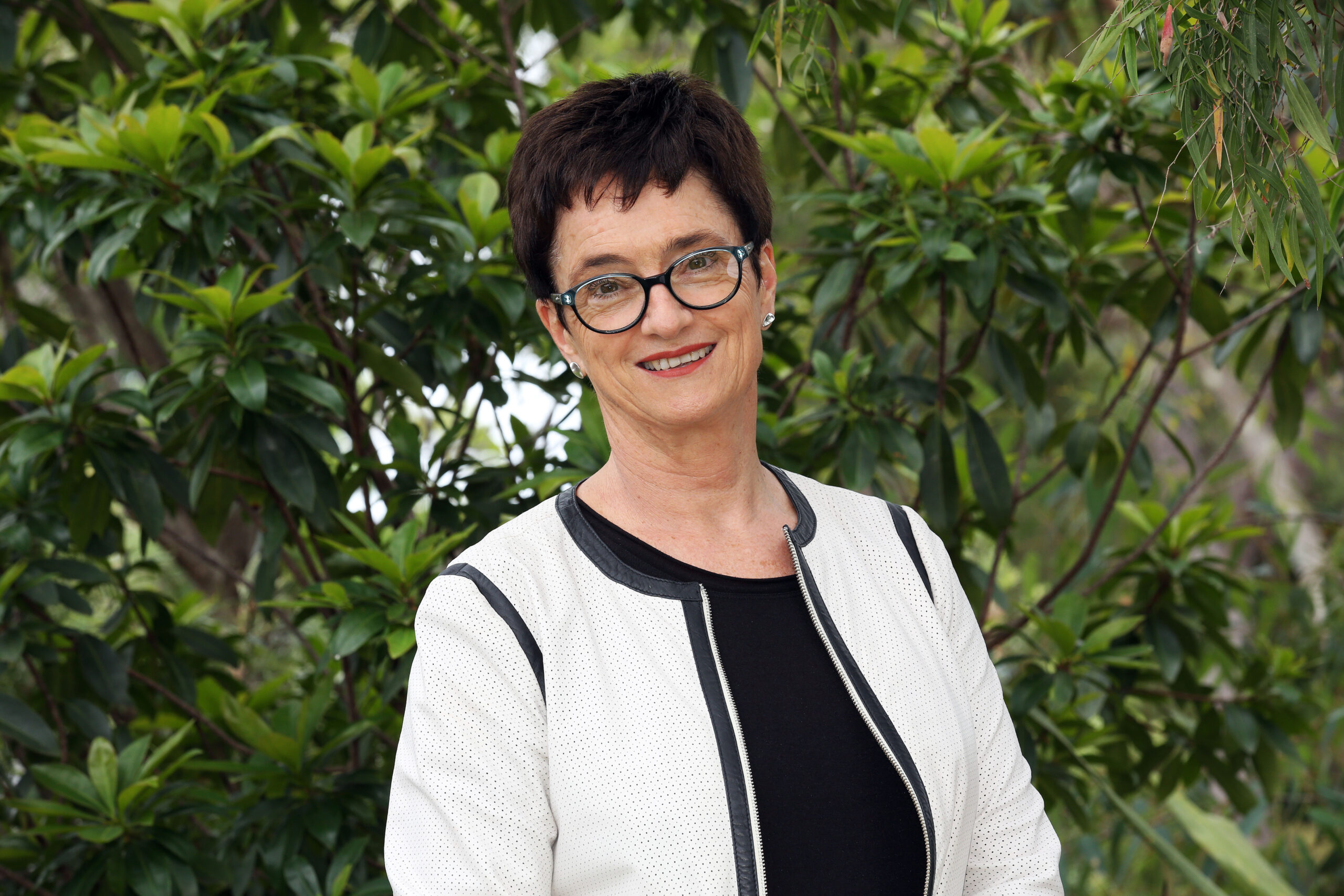
    Leading clinician/researcher Professor Sue Kurrle said the impact of the drugs is not straight forward.

    “Donanemab is not a cure, but studies over 18 months show that it does slow the progress of dementia by several months when compared with a placebo drug,” said the clinical director of the Northern Sydney Local Health District Rehabilitation and Aged Health Network.

    “These drugs are for the management of very early Alzheimer’s and they do not have the same effect in people with moderate Alzheimer’s disease, so are only suitable for a limited number of people,” she warns.

    “These drugs are not currently subsidised by our pharmaceutical benefits scheme, so they are expensive and require regular MRI brain scans due to the side effects of brain swelling or bleeding.”

    With each infusion costing around $4,700, an 18-month course will cost about $80,000. The Federal Government is currently reviewing an application to list the drug on the pharmaceutical benefits scheme.

    In the meantime, Professor Kurrle is encouraging the community to do what it can to reduce the impacts of the disease.

    “There is no single solution to preventing Alzheimer’s disease and other forms of dementia, but there are lots of small things you can adopt to greatly reduce your risk,” she said.

    “These include, looking after your physical and mental health, regular exercise, and health checks to capture in any changes.”

    Your local doctor can monitor the following key areas:

    • blood pressure and cholesterol, especially if you have a family history of cardiovascular conditions
    • blood glucose levels, especially if you have a family history of diabetes
    • weight
    • hearing and vision
    • cognitive function and memory
    • mood and mental health
    • any other conditions that need regular medical attention.

    Professor Kurrle said there are many resources available detailing specific diets and tips for brain health, and I would encourage the community to visit the Dementia Australia website for more information at: www.dementia.org.au

  • Study finds multiple medications impact how we age and the health of our gut

    Study finds multiple medications impact how we age and the health of our gut

    A new study by researchers at the Kolling Institute, in collaboration with the Microbiome Research Centre, has shown that multiple medication use impacts gut microbiome, and may influence the ageing process.

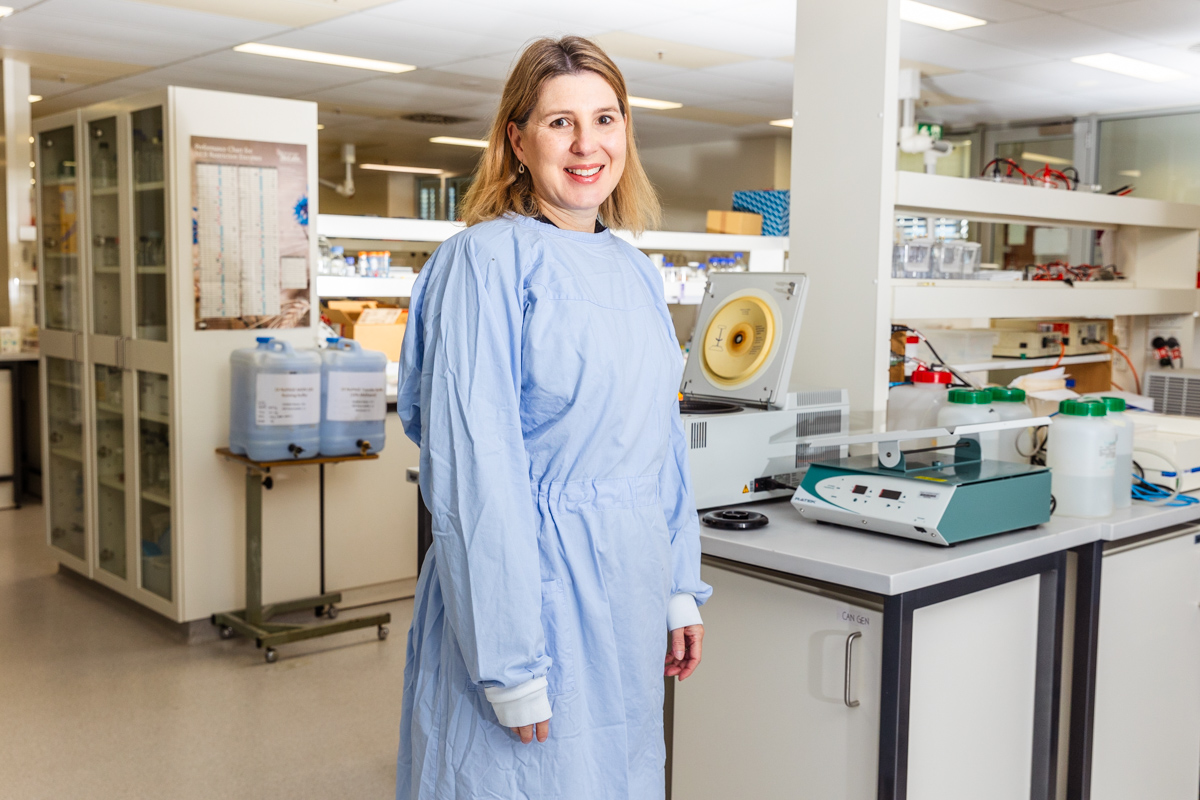
    Gizem Gemikonakli, a PhD student at the University of Sydney, said their findings followed a longitudinal, in vivo study.

    “Interestingly, mice that were given a regimen of five therapeutic medications from middle-age experienced more functional deficits as they grew older, and their gut microbiome was different to mice not taking the medications,” she said.

    “This project represents an important step towards broadening our knowledge of the interaction between medications, microbiome and the ageing process.

    “The microbiome is a developing area of research and we don’t quite know what a healthy microbiome looks like.

    “We do know however, that microbiome affects a wide range of body functions, and is affected by diet, lifestyle factors, disease and medications.”

    In a previous study published on the same cohort of mice, the Kolling researchers showed that the multiple medication or polypharmacy treatment increased frailty among the mice.

    Gizem explained that like other studies, we found the diversity of the microbiome was associated with functional measures, including frailty and activities of daily living in mice.

    “However, in our case it is likely the polypharmacy medications were driving both the microbiome effects and the functional deficits.”

    At 21 months, which is old age, half of the mice had the medications withdrawn, and their microbiome was collected again three months later. Taking these mice off the multiple medication regimen reversed the changes that initially occurred when they started treatment.

    The microbiome however did not recover completely. It was different compared to its composition before starting the medications, and also different to the mice at the same age which were not given any medications throughout the study.

    Professor Sarah Hilmer, Gizem’s supervisor at the Kolling said the two-way interactions between the gut microbiota and medications are very complex.

    “Our translational study describes effects of one high risk polypharmacy regimen on the microbiome, and its partial reversibility with de-prescribing,” she said.

    “This opens up exciting avenues for further research, including understanding the effects of different drugs on the microbiome and understanding how the microbiota impact on drug effects.

    “Differences in microbiome might explain why some people respond better than others to polypharmacy.”

  • Innovative trial aims to reduce the impact of serious spinal cord injuries

    Innovative trial aims to reduce the impact of serious spinal cord injuries

    A simple yet smart approach may hold the key to greatly improved health for those with life-changing spinal cord injuries.

    Researchers from the Kolling Institute’s John Walsh Centre for Rehabilitation Research are launching a project to assess whether a specific breathing technique can improve many of the challenges faced by people with a spinal cord injury, like chronic pain, life threatening unstable blood pressure, fatigue and poor mood.

    The Spinal cord injury, Mind and HeART or (SMART) study has been made possible by $3 million in combined funding from the NSW Ministry of Health and the University of Sydney.

    The research project, to be run at Royal North Shore Hospital, will see participants allocated to two groups. One group will continue with their usual care, while the other will undergo a 10-week specialised program involving guided breathing practice using computer feedback of heart rate function, and psychological strategies like mindfulness and visualisation techniques.

    Study lead Professor Ashley Craig is looking forward to the unique project, with more than 300 adults suffering a spinal cord injury in NSW every year.

    “Spinal cord injuries can have a devastating impact, with a broad range of short and long-term health issues, including some which can be life-threatening like unstable blood pressure,” said Professor Craig, Professor of Rehabilitation Studies at the Kolling Institute.

    “Clinicians currently rely on a host of pain management and treatment approaches, but our team is keen to measure the benefits of this innovative breathing technique to determine if it could be an effective addition to existing treatment strategies.

    “Yoga enthusiasts have long used rhythmic breathing to achieve tranquillity of the mind, and we now know that the way we breathe regulates our nervous system, in turn affecting our blood pressure and our ability to recover from stress.

    “Our study aims to determine if rhythmic breathing can help people with a disrupted nervous system as a result of their spinal cord injury. It will assess whether the breathing and importantly, the feedback of heart function can improve the functioning of the nervous system.

    “A disrupted nervous system can be likened to a car without brakes, with limited moderation of the effects of the nervous system.

    “Our approach will involve a specific type of breathing to regulate heart function to a point where it influences neural function and the autonomic nervous system.

    “The hope is this will in turn deliver wide ranging benefits for the brain, the gut, the heart, sleep and a host of other physical functions.

    “We are keen for at least 100 people to join our study and potentially help establish a new and effective, evidenced-based approach to care.”

    How to participate

    Researchers are now recruiting for the study and are encouraging those interested in taking part to contact them. Please email smart.trial@sydney.edu.au or call 0420 378 157 

NSWGOV logo