Blog

  • International spotlight on talented Kolling neuroscience investigator

    International spotlight on talented Kolling neuroscience investigator

    We would like to congratulate one of our emerging leaders at the Kolling Institute who has received a prestigious award at an international conference in Melbourne.

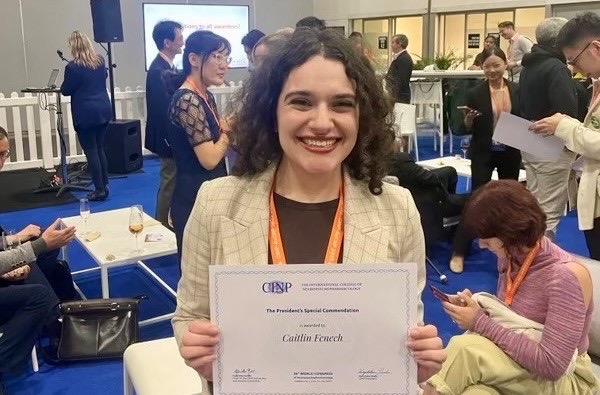
    In her final year of her PhD, Caitlin Fenech has been presented with a President’s Special Commendation award at the 36th World Congress of Neuropsychopharmacology, CINP-AsCNP 2025.

    Caitlin has also taken to the stage today to deliver a presentation and informative poster.

    She has welcomed the experience and her encouragement award.

    “Receiving recognition at an international conference is very exciting, especially as my PhD story is finishing up, and it has come out as an interesting story,” she said.

    “For the award application, I sent in my abstract and a 150-word statement of the reason why I wished to be considered for the encouragement award.

    “In my statement, I described my passion for neuroscience and eagerness to meet other passionate individuals studying the brain.

    “My research is investigating the role of a group of neurons in the midbrain in chronic pain. We have found a novel pain circuit in the brain that controls both sensory and emotional responses and is changed following chronic pain.

    “This is really exciting as these insights increase our knowledge of how pain and chronic pain are processed in the brain, and will help develop effective treatments for pain conditions in the future.

    “Excitingly, the team will be submitting the data for publication in the next few months.”

    Head of the Neurobiology of Pain Laboratory within the Kolling Institute, Associate Professor Karin Aubrey is thrilled Caitlin’s efforts have been recognised.

    “The findings of Caitlin’s PhD project have advanced our understanding of how the brain senses pain and organises our responses to pain in normal conditions and how it changes when chronic pain develops,” she said.

    “This information is essential for developing medications that address chronic pain specific dysfunctions.”

    “It’s been wonderful to see a talented, emerging researcher recognised in this way.”

    The international conference has brought together experts from research and medical institutions, worldwide regulatory authorities and major pharmaceutical companies.

    The theme this year is Advancing Intelligent Horizons Towards Brain Health, with the presentations are focusing on pain, schizophrenia, depression and addiction. 

  • Cancer experts going from strength to strength

    Cancer experts going from strength to strength

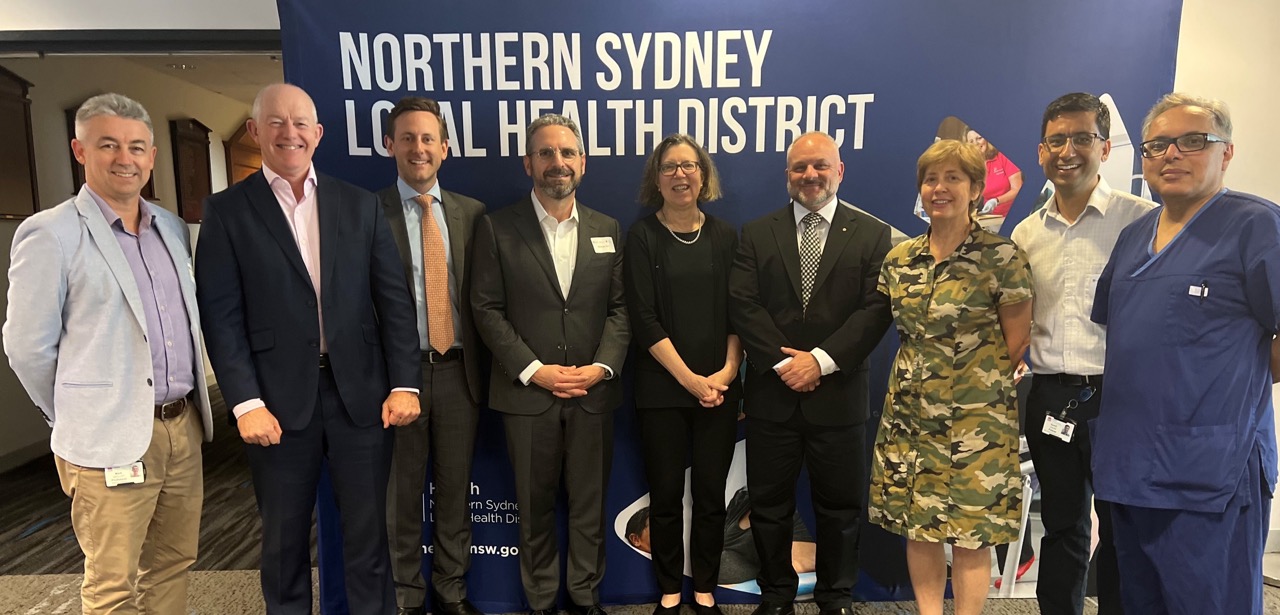
    A special visit by two international cancer specialists could mark the start of a valuable collaborative partnership.

    Professor Matthew Katz from the MD Anderson Cancer Centre in Houston Texas is recognised as a pioneer in the treatment of pancreatic cancer, while Professor Cynthia Sears from the Johns Hopkins University School of Medicine in Baltimore is a global leader in colorectal cancer research.

    The pair discussed the role of microbiome in colorectal cancer progression, and peri-operative treatment options for pancreatic cancer patients.

    Senior Kolling Institute cancer researcher Dr Sumit Sahni said the event focused on the clinical management of colorectal and pancreatic cancers, and recent advances in the development of organoid models for cancer.

    Dr Sumit said we also had the chance to present our promising data on the development of a urinary biomarker test for early detection of pancreatic cancer.

    “The day provided a wonderful chance to meet the two leading international experts and to explore collaborative opportunities between clinicians and scientists working in this field,” he said.

    “It was exciting to hear the latest research with these complex gastrointestinal cancers, including the role of microbiome in promoting colon cancer and influencing cancer immunotherapy responses.”  

    The event was co-ordinated by the University of Sydney’s Cancer Research Network and Northern Sydney Local Health District.

  • Kolling Research Symposium 2024

    Kolling Research Symposium 2024

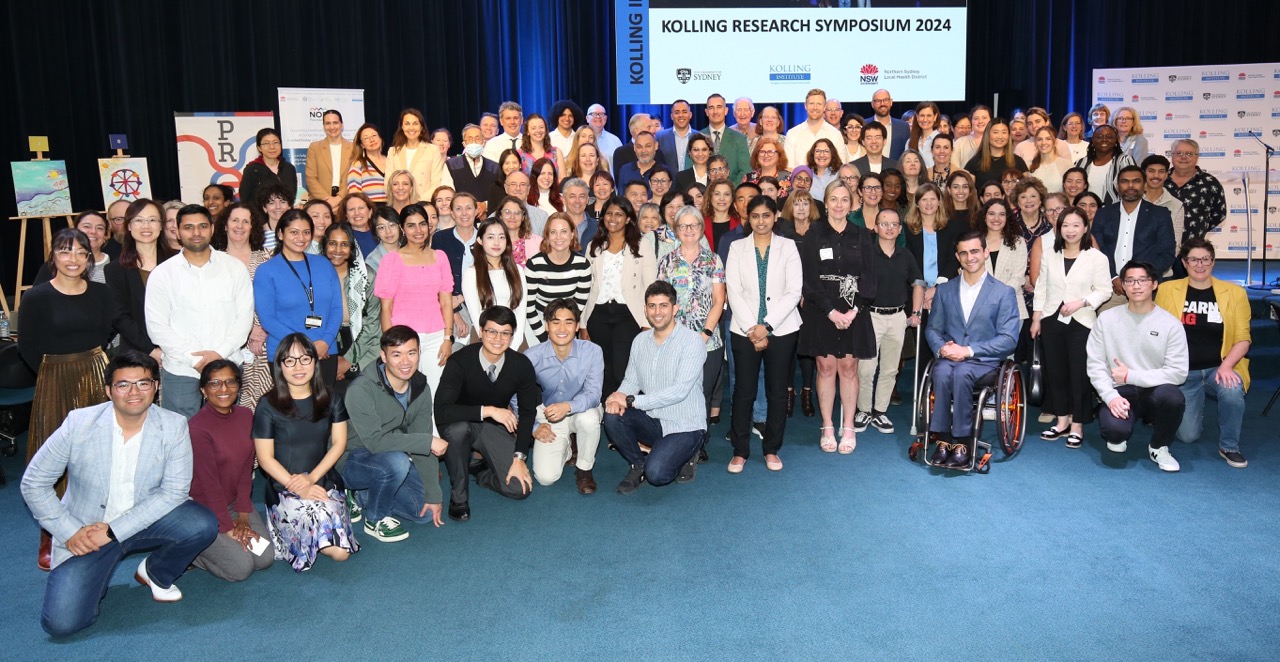
    We would like to thank everyone involved in the 2024 Kolling Institute Symposium.

    During the event, a diverse collection of researchers detailed the latest progress with their ground-breaking work into kidney and heart disease treatments, bone and muscle conditions, rare cancers, and neurological challenges. There was a focus too on the innovative work to develop a unique wellbeing index.

    Researchers discussed how they’re tapping into technology to deliver care to large numbers of patients, improving outcomes with the latest heart valve devices and investigating the benefits of reducing multiple medications for older patients.

    The symposium brought together researchers, representatives from our joint venture partners (Northern Sydney Local Health District and the University of Sydney) and a growing network of community partners to celebrate our impactful work.

    Academic Director Professor James Elliott said the event featured thoughtful presentations, panel discussions, poster presentations, and an Oxford Debate on the impact of AI on healthcare. 

    “I would like to thank our guest speakers Professor Susan Morton, Director of INSIGHT at the University of Technology and Lifeline Australia ambassador and wellbeing advocate Matt Caruana who shared his personal experience and inspiring perspective,” he said.

    “The symposium provided an opportunity to hear how our researchers are extending our understanding of complex conditions and improving therapies and outcomes.  

    “It also offered the chance to highlight some special awards for a group committed to increasing access to high-quality care, and improving the health and wellbeing of our broader community.

    “I would like to congratulate the 2024 Kolling Institute award recipients for their remarkable commitment to our research success.” They include:

    PhD Supervision Award
    Associate Professor Sonia Saad
    Department of Medicine, Renal Research Laboratory

    HDR Student Award
    Amanda Purcell
    Renal Research Laboratory

    Discovery Science Award Category A
    Dr Nunki Hassan
    Cancer Stem Cell and Biology Laboratory

    Discovery Science Award Category B
    Dr Sumit Sahni
    Bill Walsh Translational Cancer Research Laboratory

    Professional Staff Award Category A
    Susan Smith
    Raymond Purves Bone and Joint Research Laboratory
    Kolling Histology Core Facility

    Professional Staff Award Category B
    Annette McCook
    Research Development Officer 

    Excellence in poster presentation
    Claire Wong

    Excellence in oral presentation 
    Dr Karan Rao

    “Thank you to the many people involved in bringing this large-scale event together to highlight the remarkable and life changing work underway at the Kolling Institute,” said Professor Elliott.

  • Research expertise on show

    Research expertise on show

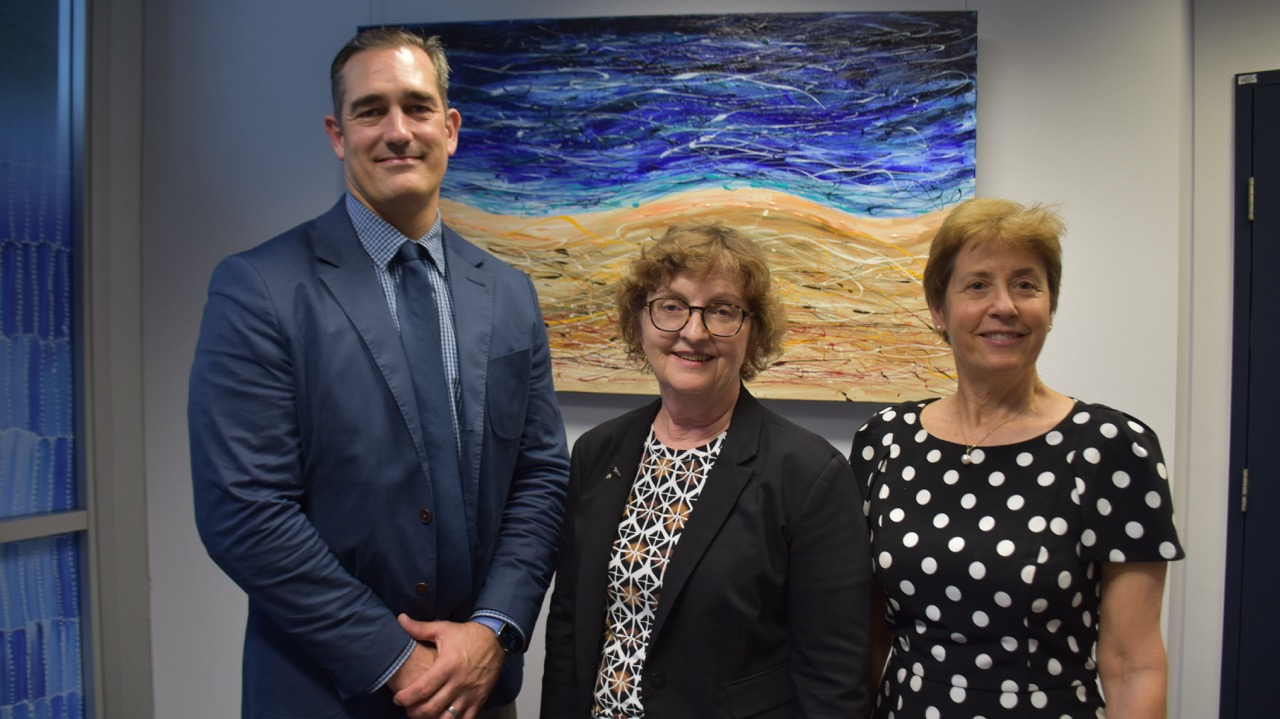
    The diverse range of exciting research underway across the Northern Health Precinct was profiled during a recent showcase, highlighting the impact of research throughout Northern Sydney Local Health District.

    The event directed the spotlight to a range of disciplines driving research including nursing, midwifery, and pharmacy, as well as allied health and public health.

    Precinct Academic Director Professor Robyn Gallagher co-ordinated the event, saying it was a wonderful opportunity to showcase a collection of emerging leaders and present details of their valuable projects.

    “Our event provided an insight into the successful collaborative efforts involving the University of Sydney and the Northern Sydney Local Health District, and the tangible impact these projects are having on the delivery of care,” she said.

    “There are so many dynamic projects underway from a mobile app to support pulmonary rehabilitation to the delivery of remote cardiac rehabilitation, and programs to improve cancer care.

    “It was encouraging to hear our researchers are enhancing the delivery of care with nutrition services, speech pathology and sleep programs to name just a few.”

    One clinician researcher to present at the event was Associate Professor Tom Buckley – a registered ICU nurse and Precinct Research Education Academic Director.

    Tom shared details of his work investigating the physical and psychological impact of bereavement. He has particularly focused on the impact on heart health with research indicating there is an increased cardiovascular risk for both men and women in the weeks and months after they lose a loved one.

    “We know that death from a cardiac related event is one of the highest causes of mortality during bereavement,” he said.

    His research also assessed the benefits of Aspirin and the heart lowering drug Metoprolol and their ability to reduce cardiovascular risk factors in the weeks after the death of a loved one.

    “Our research has shown the use of medication not only lowers the cardiovascular risk factors, but also reduces depression and anxiety symptoms in the early bereavement period.

    “Interestingly, we found this trend continued even after people came off the medication, providing a longer-term benefit for this group.”

    The showcase profiled the development of Australia’s first mobile health platform which supports those with respiratory disease to complete a virtual rehabilitation program.

    The app, originally developed with the CSIRO, is driven by globally recognised experts and offers individualised exercise and education programs.

    NSLHD clinical specialist physiotherapist and University of Sydney honorary lecturer Dr Sally Wootton said the team is tremendously proud of the platform.

    “It has taken five years to develop our innovative app but we are thrilled to now have a commercial partner and to be supporting a large number of people living with chronic respiratory disease with this virtual rehabilitation program,” she said.

    The showcase also focused on research comparing in-person and remotely-delivered cardiac rehabilitation.

    PhD candidate Dion Candelaria said services pivoted to remote delivery with the onset of COVID-19, and this provided a chance to measure the benefits of each model of care.

    “We found positives with both approaches, with some patients preferring face to face communication with clinicians and other patients, while others welcomed the convenience of the remote service with no travel and quicker access to care.

    “We know that the sooner patients access care the better the health outcomes, so there are clearly benefits with remote services.

    “We will continue to develop a hybrid model of cardiac rehabilitation care, combining the best components of in-person and remote care.”

    The showcase broadened awareness of the diversity of research across the Northern Health Precinct, and encouraged further collaboration.

  • Kolling researcher recognised with prestigious international award

    Kolling researcher recognised with prestigious international award

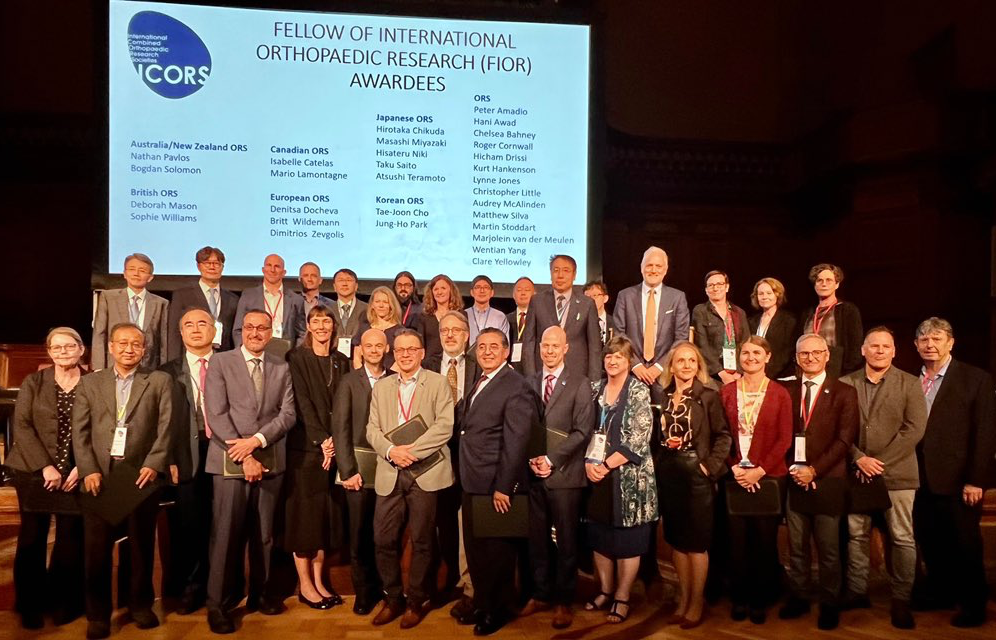
    We would like to congratulate Professor Chris Little who has received a highly coveted award for his outstanding commitment to orthopaedic research.

    Professor Little has been elected a Fellow of International Orthopaedic Research at a key international conference in Edinburgh Scotland. The award is only presented every three years, with around 20 people across the globe receiving the accolade.

    Fellows are recognised for their leadership, service, achievement and dedication to the field of orthopaedic research.

    Chris has welcomed the recognition, while acknowledging the support he’s received.

    “I am very proud to have been made a Fellow of International Orthopaedic Research,” he said.

    “While I have received the award, it’s actually a reflection of the wonderful work that has been done by all the researchers in my group over the years.”

    “It is an honour to be nominated by one of the International Combined Orthopaedic Research Societies (ICORS) – and in my case, the US Orthopaedic Research Society.

    “ICORS member organisations are represented across the world. They have a crucial role advancing orthopaedic and musculoskeletal research by promoting basic, translational, and clinical research worldwide.

    “This is an important part of progressing valuable research across the globe and improving long-term health outcomes.”

    Chris was presented with the award by ICORS president Gun-Il Im and FIOR Chair Brian Johnstone, who thanked him for his outstanding leadership and dedication to orthopaedic and musculoskeletal research.

    Chris has a clinical and research career spanning more than three decades. He is the Director of the Raymond Purves Bone and Joint Research Lab at the Kolling Institute and a member of the Charles Perkins Centre.

    Chris is a qualified veterinarian with specialist surgery training. His research focuses on defining the biochemical and molecular mechanisms of joint pathology in osteoarthritis, as well as tendon and intervertebral disc degeneration. 

  • Kolling researchers present at international congress

    Kolling researchers present at international congress

    Kolling Institute researchers have helped map out exciting future developments for the rehabilitation of hip and knee replacement patients.

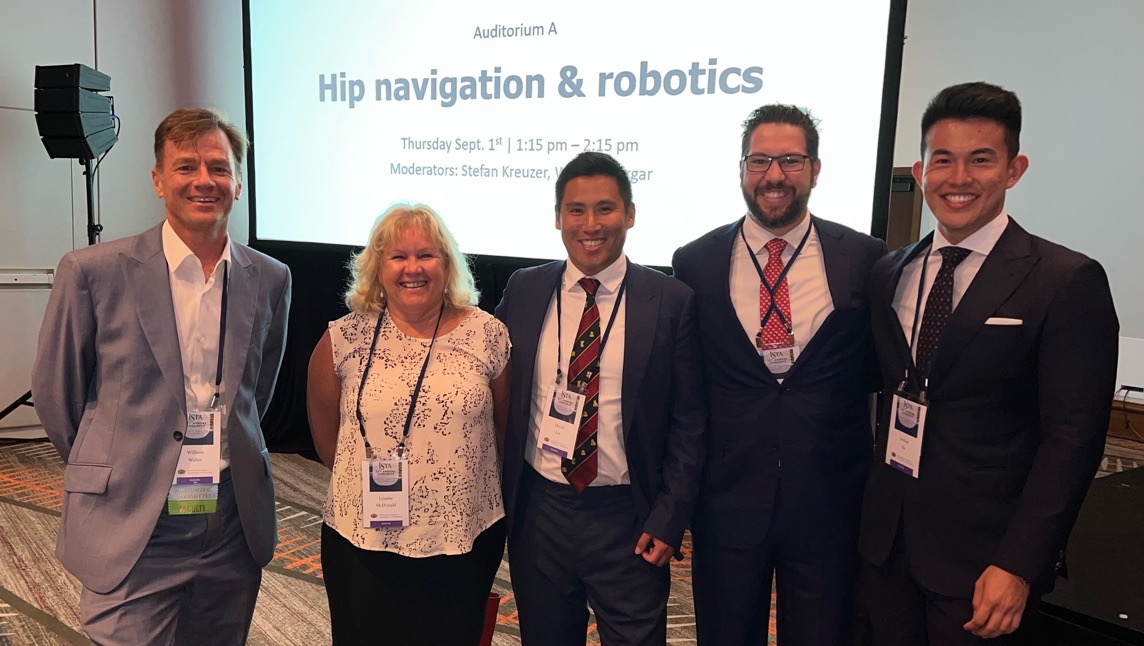
    A team of researchers from Sydney Musculoskeletal Health – a partnership between the University of Sydney, Sydney Local Health District and Northern Sydney Local Health District – recently attended the International Society for Technology in Arthroplasty’s annual congress in Hawaii.

    As well as meeting up and sharing ideas with professionals from across the globe, team members gave several presentations detailing their research in the area of technologies in arthroplasty.

    Bill Walter, Professor of Orthopaedics and Traumatic Surgery at the University of Sydney and Royal North Shore Hospital, led the team at the congress and said it had been a rewarding experience.

    “You have the world’s greatest concentration of expert knowledge in this area,” he said. 

    “It’s very exciting meeting people trying to resolve some of the problems facing hip and knee replacement patients.”

    Presentations at the event included the exploration of developing technologies such as Artificial Intelligence, how wearable devices can assist with patient monitoring and advancements in robotics and smart instruments.

    Presentations by the team included their work investigating ceramic hip resurfacing and examining the bio-mechanics of hip and knee replacements and spinopelvic issues.

    The Sydney Musculoskeletal Health Team, whose Kolling researchers are based at RNSH, works with leaders in health on research, clinical services and training.

    About 1.7 billion people worldwide have musculoskeletal conditions. Low back pain, osteoarthritis, neck pain, rheumatoid arthritis and gout are some of the major musculoskeletal disorders and are one of the leading contributors to disability worldwide.

    The annual conference, which was established in 1988, is attended by hundreds of surgeons, scientists, engineers and industry representatives from across the world to advance the technology in arthroplasty.

    “It’s great to be part of this event because it’s a place where you find and meet like-minded people from across the world who ultimately are trying to improve the quality of life for patients in this area,” Professor Walter, a former ISTA President, said.

    “It’s a privilege to be involved.”

NSWGOV logo