Blog

  • World Spine Day: Kolling researchers challenging old concepts to improve care

    World Spine Day: Kolling researchers challenging old concepts to improve care

    To mark World Spine Day on October 16, the Back Pain Research team at the Kolling Institute is urging those who experience the condition to adopt the latest advice and keep moving.

    Spinal pain is extremely common, affecting around 800 million people globally. The condition compromises social, family and work activities, and is the main reason Australians retire involuntarily.

    The lower back and neck are most commonly affected, with those over 75 suffering the most.

    Head of the Kolling’s Back Pain Research team and University of Sydney researcher Professor Manuela Ferreira said that despite the impact of spinal pain, it’s rarely due to serious disease and usually gets better with time.

    “Our spine is strong and old concepts like back pain is caused by poor posture or bending are no longer supported by research,” she said.

    “The latest findings show that there are no right and wrong postures for the spine, as long as we keep moving and changing positions frequently.

    “The current advice from researchers is to keep working, remain as active as possible and modify activities as needed. It’s important to find an exercise you can do and enjoy doing as every exercise can help the spine.

    “It’s also important to limit the use of strong medications and injections, and to consider the role of surgical procedures as many have limited benefit in the long term.”

    The Back Pain Research team is continuing its program to help those suffering from spinal pain, launching new research to improve our understanding of spinal conditions and how they can be prevented and treated.

    “We are conducting ground-breaking studies nationally and internationally so that the community ultimately has access to high-value, evidenced based care.

    “We are excited by our new research which will focus on broadening our knowledge around the efficacy and safety of the most common surgical procedures, and the development of innovative digital approaches to bring the best care to patients with spinal pain.”

  • Technology to deliver support to those with back pain during the pandemic

    Technology to deliver support to those with back pain during the pandemic

    While the COVID-19 pandemic is interrupting access to some healthcare services, an innovative approach may hold the key to support for those with low back pain.

    Researchers at the University of Sydney and the Kolling Institute have launched a study to measure the effectiveness of a mobile health program which offers self-management strategies via text messages.

    Study lead Professor Manuela Ferreira said broader options for care are needed given the large number of people who experience the condition.

    “Low back pain is the greatest cause of disability worldwide, impacting social, family and work activities,” she said.

    “In Australia, it affects one in six people and is the main reason Australians miss work and retire involuntarily.

    “People with low back pain need affordable interventions to help them manage their condition, and this mobile health program provides practical, evidenced-based strategies through text messages.

    “Text messaging is an easy, accessible and affordable intervention that can empower people with low back pain to better manage their own symptoms. It can be used to support people anywhere, at any time of the day.”

    Text messaging initiatives have been shown to help people with chronic diseases such as cardiovascular disease and diabetes.

    “Our study, named TEXT4myBACK, is assessing two formats of text message interventions, which differ in frequency and content,” Professor Ferreira said.

    “Researchers will then measure whether the text messages are improving function and back pain symptoms.

    Musculoskeletal Australia is supporting the study and CEO Rob Anderson said they’re pleased to be involved.

    “Most of us have a mobile phone and use it regularly. Receiving text messaging to help manage debilitating low back pain seems like such a simple, yet effective way to help so many Australians in need. We’re excited to be a part of this study and look forward to seeing the outcomes.”

    The research team is recruiting for the project so if you have low back pain and would like to find out about participating in the study, visit bit.ly/TEXT4myBACK and complete the pre-screening survey.

  • Age and sex influence the adverse effects of multiple medications

    Age and sex influence the adverse effects of multiple medications

    There are calls for a carefully-considered, tailored approach to the prescription of multiple medicines with new research finding a person’s age and sex influence the impact of multiple medications.

    More than half of older Australians take five or more regular medications, with the higher number of medications directly linked to a higher chance of adverse reactions, like falls, confusion and frailty.

    Researchers from the Ageing and Pharmacology Laboratory at the Kolling Institute, led by Professor Sarah Hilmer, used an experimental model to measure the impact of multiple medications, including high risk drug classes.

    The research confirmed the multiple medications had an adverse impact, reducing independence in daily living, increasing anxiety and reducing physical function including grip strength, motor endurance and gait speed.

    Further analysis found the negative impacts were influenced by age and sex.

    The decline in independence and increase in anxiety were significantly greater in the old than in the young, while males were more likely to experience reduced grip strength than females.

    Professor Hilmer said this was an important body of research and the first study to rigorously assess the effects of age and sex on susceptibility to the adverse impacts of multiple medications.

    “The research indicates that a one-size fits all approach to the prescription of multiple medications is not advised, and the differences in age and sex should be considered,” she said.

    “To get the best outcomes from medications, we need to practice personalised medicine.

    “It’s important to consider not only the person’s diagnosis, but also their age, sex, other medications, other diseases, genetic and environmental factors.

    “We would particularly like to see a more cautious approach when multiple medicines are prescribed for older people.”

    Co-first author Dr John Mach said further studies are needed to investigate the impact of a broader range of medications.

    “While males were more susceptible to the regimen we tested, females may be more susceptible to other drug classes.

    “Our study highlights the need for further investigations to ensure medication use across Australia is supported by scientific evidence.”

    Dr Harry Wu, who was also a co-first author, hopes the study will be the first of many to promote a more personalised approach to medication use.

    “It has been exciting to have the opportunity here at the Kolling to conduct this bedside to bench research, to help understand how to treat and monitor patients who take multiple medicines.”

  • First large-scale trial of stem cell therapy for knee osteoarthritis launched

    First large-scale trial of stem cell therapy for knee osteoarthritis launched

    Kolling researcher Professor David Hunter will lead one of the world’s largest clinical trials into the effectiveness of stem cell therapy for those with knee osteoarthritis.

    More than 400 participants will be recruited for the SCUlpTOR study which will see trial sites established at Royal North Shore Hospital and the Menzies Institute in Hobart.

    Professor Hunter, the Florance and Cope Chair of Rheumatology at the University of Sydney, said the two-year study represents the first of its type to test stem cell therapy for osteoarthritis.

    “We will evaluate whether stem cell injections can improve symptoms and slow the progression of the disease in people with mild to moderate knee osteoarthritis,” he said.

    “Participants will receive three injections over a 12 month period, with researchers to assess levels of pain, physical activity and quality of life throughout the trial.”

    All participants will receive the same stem cell product, developed from cells from a single young healthy person.

    The study follows some small trials which have indicated stem cell therapy may reduce inflammation, and help the body repair cartilage.

    Professor Hunter said there is tremendous community interest and many stem cell products available, but to date, there has been no good, rigorous evidence to suggest these products are effective in this context.

    “It’s really important that we have high-quality trials like this one to produce the evidence that we need around efficacy and safety.

    “Osteoarthritis is steadily increasing in prevalence due to our ageing population and the high numbers of people above a healthy weight.

    “It’s important that we can offer those managing the condition a range of treatment options, on top of the existing conservative approach of weight loss and exercise.”

    The trial has been welcomed by 61 year old Tom Buttel who has experienced knee osteoarthritis for most of his life after a rugby injury in his teens.

    “Osteoarthritis has had a big impact on my life, causing considerable pain and limiting quite a few daily tasks,” he said.

    “I have found, however, that by maintaining my weight and adhering to a personally-tailored exercise program, I’ve been in a much better position to manage my condition.

    “I’m very excited by the trial and encouraged that it may be an important step towards a safe and effective treatment for people with osteoarthritis.”

  • A simple mix of treatments holds the key to better hand function

    A simple mix of treatments holds the key to better hand function

    The base of our thumb may just be a small part of our hand, but osteoarthritis in that area can have a significant impact, making the simplest tasks difficult.

    The condition especially affects post-menopausal women, with figures indicating up to a third of women over 70 have this type of osteoarthritis.

    Increasing numbers of people are experiencing the condition, and yet current treatments still leave patients with limited use of their hand.

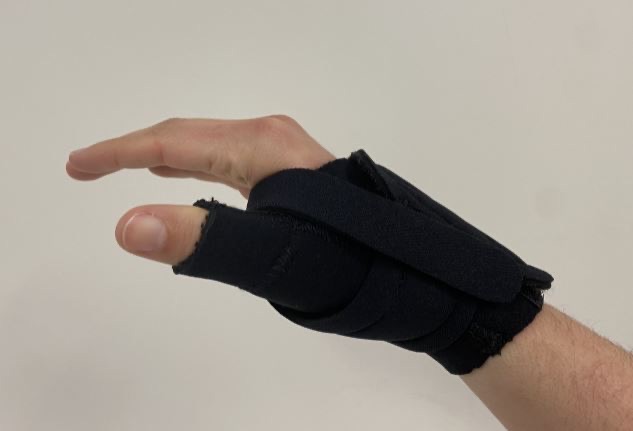
    Researchers from the Kolling’s, Institute of Bone and Joint have completed a clinical trial finding a combined approach of education, a splint to support the thumb, hand exercises and a pain relief gel, were a promising lead in helping people regain hand function.

    More than 200 people, in two groups, were involved in the COMBO study, which assessed pain and hand function, grip strength, thumb base stiffness, and overall quality of life.

    Findings:

    • After six weeks, there was increased hand function for people who undertook the treatments and exercises compared to the control group.
    • After 12 weeks, participants also reported a better quality of life and reduction in pain.

    Senior author Professor David Hunter said many older adults affected by thumb base osteoarthritis feel there is nothing that can be done for the condition.

    “This trial demonstrates clinically beneficial effects on hand function with readily available interventions,” he said.

    “It indicates a simple mix of treatments can improve range of hand motion and make daily tasks, like opening a door or picking up an object, easier.”

    The study, published in JAMA Internal Medicine, was led by the Kolling Institute’s Dr Leticia Deveza and Sarah Robbins.

    “Previous studies on combined treatments in thumb base osteoarthritis have provided conflicting results,” said Dr Deveza.

    “To our knowledge, ours is the first study to investigate a combination of treatments in thumb base osteoarthritis, and importantly, we’ve found a solution that could be of clinical benefit,” she said.

  • Researchers offer new approach to detect frailty in older adults

    Researchers offer new approach to detect frailty in older adults

    A team of researchers led by the Kolling’s Professor Sarah Hilmer has developed a valuable resource to identify frail and vulnerable people in hospital, in an important step towards optimising their care.

    Frail older adults have a higher risk of experiencing adverse outcomes in hospital such as falls, confusion and malnutrition, and many have longer hospital stays.

    Professor Hilmer said more than 26,000 people in Northern Sydney are frail, representing a quarter of the population over 70.

    “Fortunately, frailty can be managed, and in some cases reversed if detected early and provided with the appropriate care,” she said.

    The frailty tool developed by our team uses existing data from hospital electronic medical records, and does not require clinical staff to fill-out additional forms. Steps are now being taken to automate the process within the medical records system.

    “The tool can be used to measure the prevalence of frailty amongst patients in our hospitals, and this will help ensure that models of care meet their needs.

    “The patient’s frailty could also be communicated to their general practitioner on discharge to guide their ongoing care in the community.

    “This important new resource will help with early recognition and appropriate management, leading to better health outcomes and a better quality of life when people go home.”

    Sarita Lo, the research pharmacist who helped develop the tool said it will help ensure we have adequate support to care for frail older people in hospital, whether it be geriatric medicine expertise, specialist nursing, physiotherapy, a medication review or nutrition advice.

  • Philanthropic funding brings new hope to those with chronic pain

    Philanthropic funding brings new hope to those with chronic pain

    Some of the nation’s leading pain experts are set to embark on research which they believe will change the way chronic pain is managed.

    The program of research will be carried out by the team from the Pain Management Research Institute after generous funding from the Ernest Heine Family Foundation.

    Located within the Kolling Institute and Royal North Shore Hospital, the Pain Management Research Institute is part of the University of Sydney’s Faculty of Medicine and Health. It is the Ministry of Health’s designated lead site for pain research in NSW.

    Institute Director Professor Paul Glare said more than $2,820,000 will go towards three projects over the next three years through the Pathways to Better Pain Management Program.

    “Chronic pain affects 20 per cent of the population and one third of people over 65,” he said.

    “It is the major cause of disability, costing the Australian economy an estimated $73 billion a year.

    “There is a pressing need to develop better management strategies, so we will be launching three research initiatives, which together have the best chance of improving the lives of those living with chronic pain.”

    The projects include:

    • Research led by Dr Karin Aubrey and Professor Chris Vaughan which aims to uncover new biological mechanisms which produce and maintain chronic pain. This will help to develop safer and more effective medications for chronic pain.
    • Research led by Professor Paul Glare and Dr Claire Ashton-James to develop digital behavioural interventions to help patients alter their attitudes and behaviour in response to pain, and lower the use of potentially harmful opioid medications.
    • Research led by Associate Professor Paul Wrigley to provide better support to people with chronic pain in the community, reducing their need for Emergency Department care.

    Associate Professor Paul Wrigley said his project ED PainPATH represented a unique opportunity to raise awareness of the needs of people with chronic pain and improve access to essential support.

    “With the help of a large hospital and community team from across NSW, a care pathway for people with chronic pain is being assessed,” he said.

    “It will support people to manage distressing chronic pain through a co-ordinated care program, improving health outcomes and reducing costs.

    “Importantly, this initiative could be adopted across the state if it proves successful.”

    Dr Karin Aubrey has welcomed the substantial funding for her research, saying there are currently very few effective medications for ongoing pain.

    “Chronic pain is challenging to treat and there’s a lot we still don’t understand about what happens in the brain when chronic pain develops,” she said.

    “If we can gain a better understanding of how long-term pain changes the brain, we will be in a better position to reduce it.

    “Our research will aim to identify new drug targets that influence chronic pain, and this will help us develop new medicines to effectively treat the pain,” Dr Aubrey said.

    Professor Glare said we are incredibly grateful to the Ernest Heine Family Foundation for this very generous funding, especially at this time with so much economic uncertainty.

    “We anticipate our research will improve the lives of many Australians living with chronic pain, and we are excited to commence this important collection of work.

    “We are confident it will deliver results by identifying new drug targets, reducing the use of opioid medications and improving care across the community.”

  • Researchers assess new approach to post-operative care

    With increasing evidence around the benefits of physiotherapy after surgery, a project is set to get underway examining new ways to extend the support.

    The BOOST project will investigate how hospitals can deliver more frequent exercise programs for patients with hip fracture, through an innovative model of care involving physiotherapists and other healthcare workers.

    The program will be led by the University of Sydney’s Associate Professor Alison Harmer and Clinical Lecturer and physiotherapist Marie March, and will be trialled in the Northern Sydney and Western Sydney local health districts.

    Sydney Health Partners has provided the initial $25,000 for the trial, which will involve the team from Hornsby Ku-ring-gai Hospital’s physiotherapy department and orthogeriatric service.

    Northern Sydney Local Health District Professor Jim Elliott has welcomed the chance to be involved in the project, which he hopes may extend post-operative care.

    “We know there are wide ranging benefits of more intensive physiotherapy after surgery, from improved patient mobility to shorter hospital stays,” he said.

    “The lack of availability of physiotherapists in many hospitals means this can’t always be delivered adequately and in a timely fashion.”

    The research team will be looking at how the existing non-physiotherapy workforce can be trained to deliver high-quality post-operative exercise for patients with hip fracture.

    This approach will be evaluated using a variety of methods, including patient outcomes, cost and patient-reported experience.

    “We are looking forward to the collaborative project and hope it will help inform future models of care, improving patient outcomes and recovery after some surgeries,” Jim said.

  • Technology to support new approach to back pain

    Technology to support new approach to back pain

    If you have low back pain, you could be the perfect candidate for a new study using text messages to support those with the condition.

    Named TEXT4myBACK, the University of Sydney and Kolling Institute study will compare two different formats of text message interventions to help people better manage their symptoms.

    Professor Manuela Ferreira would like to see broad participation in the study with large numbers of people across the community experiencing back pain.

    “Research has shown us that low back pain is the number one cause of disability worldwide, greatly impacting social, family and work activities,” she said.

    “We’re keen to measure the effectiveness of a new approach using technology.

    “Text messaging is an easy, accessible and affordable intervention that can empower people with low back pain to better manage their own symptoms.

    “Our TEXT4myBACK study will assess whether text messages are able to improve patients’ knowledge about their condition and decrease the costs associated with alleviating their pain.”

    To find out more, watch the TEXT4myBACK video below or complete a pre-screening survey at bit.ly/TEXT4myBACK.

  • Common, easily accessible medication could reduce severe COVID-19 symptoms

    Common, easily accessible medication could reduce severe COVID-19 symptoms

    A group of blood pressure medications may hold the key to better outcomes for those with COVID-19, marking a significant breakthrough in the treatment of the virus.

    An exciting new study, involving researchers from across Australia and India, will investigate whether existing blood pressure medications can reduce the risk of severe disease as well as the duration of severe symptoms.

    Researchers from Royal North Shore Hospital will support a team led by Associate Professor Meg Jardine from The George Institute for Global Health.

    Professor Carol Pollock, who will lead the trial at RNSH, said the CLARITY study will involve up to 600 patients over the next year.

    “The trial will investigate whether a class of drugs called angiotensin receptor blockers can improve outcomes for COVID-19 patients, by interrupting the virus’ entry into the body’s cells,” she said.

    “We’ll also be looking at whether these medications can protect patients against lung injury from COVID-19, a common outcome for those with severe symptoms.

    “These existing blood pressure medications have already shown to reduce inflammation, and we’re hopeful they’ll reduce the risk of severe COVID disease and guide future treatment advice.”

    Blood pressure medications have been used widely in the treatment of various chronic diseases for more than 30 years, and are affordable and easy to access.

    “If found to be effective, these medications could be rapidly incorporated into the routine clinical care of COVID-19 patients, long before a vaccine is ready.

    “This would represent a major breakthrough in the management of these patients, so we’re very keen to see the initial results of the trial.

    “The project involves a tremendous national and international collaboration, and it’ll give Australia the opportunity to deliver really significant global benefits,” Prof Pollock said.

    The trial has received $1.4 million from the Federal Government’s Medical Research Future Fund. 

NSWGOV logo