Blog

  • New approach revolutionising ovarian cancer research

    New approach revolutionising ovarian cancer research

    With ovarian cancer continuing to have a devastating outcome for many women, new research at the Kolling Institute is offering hope.

    The disease has the lowest survival rate of any women’s cancer, with only 48 per cent of women living beyond five years after diagnosis.

    Ovarian cancer is often diagnosed late because the symptoms are vague, like bloating, nausea, indigestion, excessive tiredness, and a change in bowel habits, and unlike other cancers, there is no early diagnostic test.

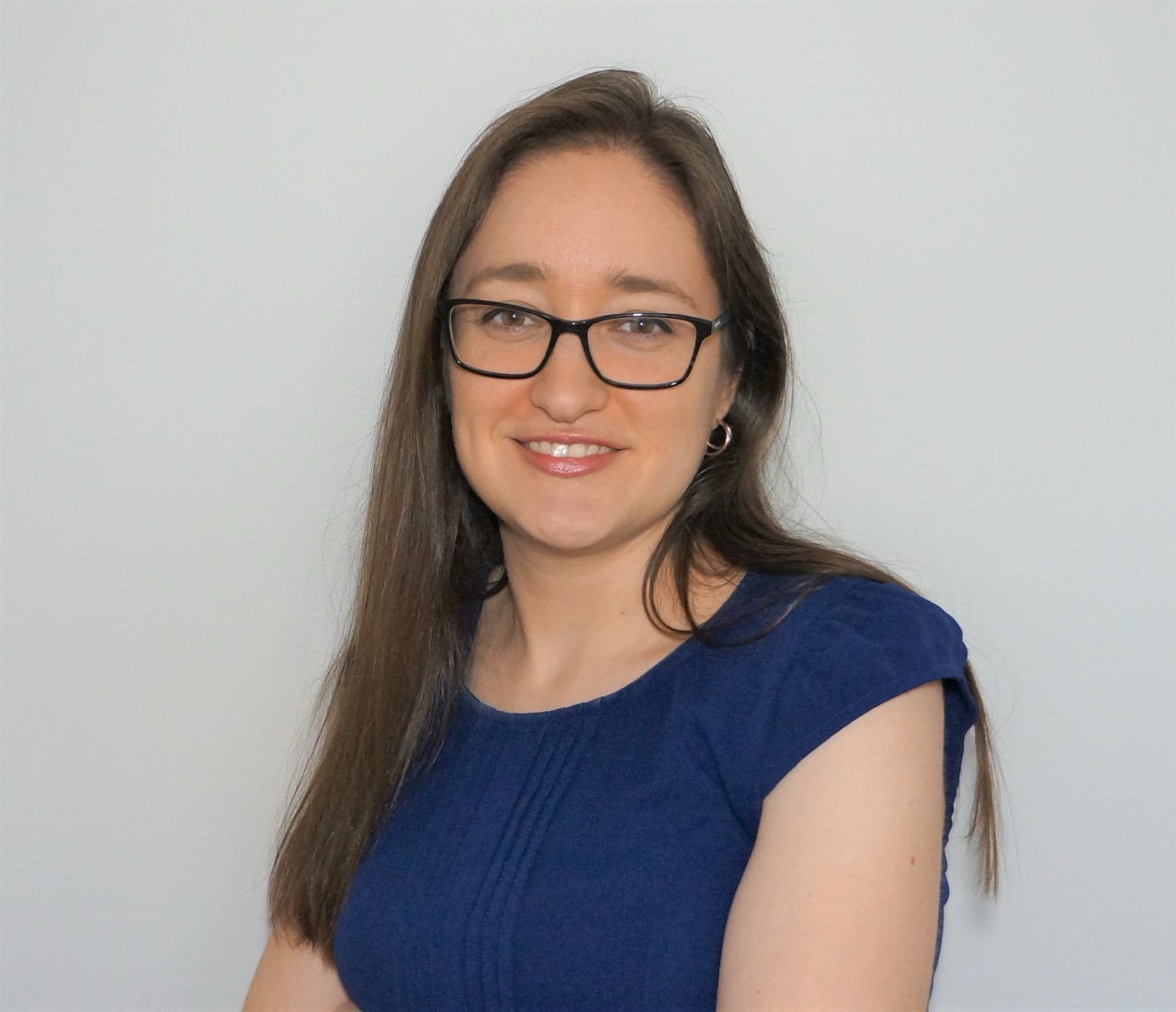
    Dr Emily Colvin from the Kolling says there is hope following some promising advances.

    Her team has identified new genes involved in the spread of ovarian cancer, and they are now also focusing on the role of the tumour microenvironment, which provides the support network for the tumour cells to survive.

    “We have been investigating the role of a specific cell in the ovarian tumour microenvironment called a cancer-associated fibroblast.

    “We have identified new genes that are switched on in these fibroblasts and influence ovarian tumour spread. These genes may play a role in how tumours avoid destruction by the immune system,” she says.

    “Knowledge of the genes involved in the initiation of ovarian cancer will help us develop effective treatments.

    “The microenvironment plays a huge role in how a patient will respond to therapy or develop resistance to drugs, or whether the cancer will metastasise, yet it has been largely ignored in ovarian cancer research.

    “By understanding how cancer cells communicate with their microenvironment, we will be able to better target them.

    “We are really interested in trying to discover why the microenvironment in ovarian cancer is a bit different to other cancers and why it’s more resistant to immunotherapy.

    “We are also keen to get started with liquid biopsy research. It’s radically replacing the need for tissue biopsy with blood tests that can tell us about a patient’s tumour. This has the potential to really change the way we treat all cancers, but particularly ovarian tumours.

    “We would like to see more research funding and advocacy so that we can really change outcomes. We’ve seen that with breast cancer, but we just don’t get that type of funding for gynaecological cancers.

    “We hope that with greater support, we could accelerate the development of an early diagnostic test, which would save so many lives.”  

  • Philanthropic support helping women with gestational diabetes and their babies

    Philanthropic support helping women with gestational diabetes and their babies

    Generous funding provided through the Douglas and Lola Douglas scholarship is strengthening evidence around the long term impacts on children born to mothers with obesity and gestational diabetes.

    Endocrinologist and Kolling Institute researcher Dr Tessa Weir has been able to continue her valuable research as a result of being awarded the scholarship.

    “I am incredibly grateful for the support provided through the Douglas and Lola Douglas scholarship,” she said.

    “It has meant I’ve been able to pursue my postgraduate studies and support improvements in the care of women with obesity and gestational diabetes, and their babies.

    “My hope is to fill the gaps in evidence and generate guidelines and policy to extend prenatal and perinatal obstetric care, particularly for women managing these health challenges.

    “Our research will involve a systematic review to detail how maternal obesity and gestational diabetes directly affects neonatal outcomes. We will also be using new artificial intelligence techniques to develop a personalised risk predictive tool for perinatal outcomes.

    “This will also consider the timing of births, with early births linked to many adverse impacts such as developmental delays.”

    Dr Weir said this is such an important field of research, with maternal obesity and gestational diabetes contributing to significant, long-term health challenges for unborn children.

    “We know from earlier research by fellow Kolling researchers Associate Professor Sarah Glastras and Professor Carol Pollock that these maternal factors can influence foetal programming, and alter an unborn child’s future metabolic risk. This in turn increases the likelihood of ongoing weight issues.

    “The prevalence of child and adolescent obesity is increasing, with an alarming 25 per cent of children in Australia over the healthy weight range.

    “Childhood obesity is associated with an increased risk of developing cardiovascular disease, chronic kidney disease, diabetes and psychological conditions.

    “All of these issues can have a life-long impact, compromising quality and even length of life, so it’s tremendously important we drive research progress in this area and broadly improve the quality of care provided to women and their babies.

    “Overall, this scholarship is not only helping me complete my PhD studies, and broaden my experience as a clinician-researcher, it will also hopefully improve the future health of countless children born to women with gestational diabetes and obesity.”

  • Transforming treatments for those with diabetes

    Transforming treatments for those with diabetes

    Kolling researcher and Royal North Shore Hospital endocrinologist Associate Professor Sarah Glastras will have a key role in a national effort to improve long-term outcomes for those with diabetes.

    The initiative has brought dozens of experts from across the country together under the banner of the Australian Centre for Accelerating Diabetes Innovations Research.

    International collaborators will also be involved, providing crucial research data and supporting advances in the delivery of care.

    The centre, which has been made possible with Federal Government funding, will drive improvements in the care of those with diabetes from diagnosis through to its devastating complications.

    Importantly, the program will aim to support Indigenous and non-Indigenous Australians, addressing inequities in care and increasing life expectancy for all Australians. Targeted programs will ensure equal access to new products and clinical trials regardless of cultural backgrounds or remote locations.

    Associate Professor Glastras is the training lead for the project, and will oversee the program along with a team of training advisors from each state and territory.

    “This is a tremendously exciting program bringing the brightest minds in the country together to deliver new models of care for the diagnosis, prevention and treatment of diabetes and its complications,” she said.

    “I’m thrilled to have been appointed the ACADI training lead and I look forward to providing much needed support to trainees, especially in the areas of research translation – making sure that the research that we do leads to important benefits and outcomes for our patients.

    “The ACADI training program will leverage the expertise from the medical and research community, government and related agencies, commercial partners and people with diabetes.”

    The national initiative has identified three priority areas, including a focus on diabetic kidney disease, diabetic foot syndrome and complications from hyperglycaemic hyperosmolar syndrome.

    A third of people with diabetes develop diabetic kidney disease, which is the leading cause of end-stage kidney disease, and a major risk factor for cardiovascular disease and premature death.

    “Sadly, current interventions only slow the progression of diabetic kidney disease.

    “It’s anticipated there will be an increasing demand for kidney replacement therapy with our ageing population and an increasing prevalence of diabetes in younger age groups.

    “We are very hopeful that this national initiative will accelerate innovations to improve the lives of people with the disease and at risk of developing the condition.

    “Our research will focus on the early identification of people at risk, improvements in diagnosis, prognosis and management. We hope that this collaborative approach will deliver real improvements in the care offered to all communities.”

    In further encouraging news, Sydney Health Partners has established a Diabetes and Obesity Clinical Academic Group. Associate Professor Glastras will be part of this new collaborative group which will explore research gaps in obesity, pre-diabetes and diabetes treatment.

  • Encouraging news for those with chronic kidney disease

    Encouraging news for those with chronic kidney disease

    Improved accessibility to a treatment for kidney disease has been welcomed by Kolling Institute researcher and Royal North Shore Hospital clinician Professor Carol Pollock.

    Forxiga (dapagliflozin), an oral medicine which can help slow the progression of proteinuric chronic kidney disease, has now been listed on the Pharmaceutical Benefits Scheme.

    The listing aims to help those with the condition by slowing the progression to kidney transplantation and dialysis.

    Professor Pollock, who is also Chair of Kidney Health Australia, said the PBS listing should give clinicians more options to help manage the condition.

    “Patients diagnosed with proteinuric chronic kidney disease currently have few treatment avenues,” she said.

    “The priority is to slow the progression to dialysis and kidney transplantation, so it’s encouraging this option will now be available.

    “This medicine has been used to manage type 2 diabetes and heart failure, and it is pleasing to see that it will be an accessible option supporting the treatment of patients diagnosed with this type of kidney disease.”

    Chronic kidney disease is a serious, progressive condition defined by decreased kidney function. It is often associated with an increased risk of heart disease or stroke.

    The recent Australian Institute of Health and Welfare Chronic Kidney Disease report found that the condition contributed to about 18,000 deaths in Australia in 2020.

    “It is essential that Australians living with chronic kidney disease have access to innovative treatments so they can better manage their condition,” Chris Forbes, CEO of Kidney Health Australia, said.

    “More broadly, we need to encourage Australians to understand if they are at risk of chronic kidney disease and if so, to speak with their GP to seek an early diagnosis.

    “An early diagnosis together with education, treatment and support will improve the health of the many Australians affected by the disease.” 

  • Researchers investigate if stem cells can reverse osteoarthritis damage

    Researchers investigate if stem cells can reverse osteoarthritis damage

    Our researchers are seeking participants for a large-scale clinical trial pioneering the use of stem cells to treat and potentially cure osteoarthritis.

    The disease is now one of the leading causes of disability in the world, affecting around three million people in Australia alone.

    Royal North Shore Hospital rheumatologist Professor David Hunter is leading the two-year trial which is recruiting around 400 participants over 40 who have painful osteoarthritis in their knees.

    Clinical trial sites have been established at Royal North Shore Hospital and the Menzies Institute in Hobart.

    Participants will receive three injections over a 12 month period, with researchers assessing levels of pain, physical activity and quality of life throughout the trial.

    Professor Hunter, a world-leading researcher based at the Kolling Institute, said we are evaluating whether stems cells can alleviate symptoms, and importantly, modify the underlying disease.

    “We believe stem cells likely have the capacity to regulate inflammation, and hopefully through that process allow the joint to repair itself,” he said.

    “What we’re hoping to do is reduce inflammation in a part of the knee joint known as the synovium, and by doing so, reduce the symptoms of osteoarthritis.

    “We will also be examining whether the stem cell therapy can slow and even reverse the progression of the disease.”

    The study follows some small trials which indicated stem cell therapy may reduce inflammation and help the body repair cartilage. These earlier studies found that injecting stem cells into the affected joint not only reduced the pain, but repaired the damage caused by osteoarthritis.

    “We know there is tremendous interest in stem cell therapy and many products on the market, but to date, there has been no strong evidence to confirm this approach is effective.

    “It’s really important that we have high-quality trials like this one to produce the evidence we need around efficacy and safety.

    “We may then be in a better position to offer those managing the condition a range of treatment options, on top of the existing approach of weight loss and exercise.”

    Further information about the Sculptor study is available at: www.tinyurl.com/sculptor-trial If you are interested in joining the trial, email sculptor.trial@sydney.edu.au or call 02 9463 1855.

  • Ground breaking approach to emergency care in NSW to be tested

    Ground breaking approach to emergency care in NSW to be tested

    New funding will see a large-scale project launched across NSW to significantly improve patient outcomes and experiences in Emergency Departments.

    Chief investigator and Kolling Institute researcher Professor Margaret Fry said more than $2.8 million will be invested in the EPIC-START program, giving patients better access to early evidence-based treatment pathways.

    30 Emergency Departments will initially be involved in the project which is aimed at achieving better outcomes through earlier decisions, delivery of care and detection of clinical deterioration.

    Professor Fry said a new approach is needed with our Emergency Departments across NSW facing unprecedented demand.

    “We know that millions of Australians seeking care in our EDs are confronted by overcrowded waiting rooms, ambulance ramping, time-poor clinicians and long wait times,” she said.

    “Overcrowding causes delays in treatment and diagnosis, leading to adverse events and poor patient outcomes.

    “Our current models of care are not equipped to deal with this or designed to help patients move through ED efficiently in these situations.”

    “The EPIC-START model of care however, will implement data analytic tools and evidence-based clinical pathways to improve patient flow.”

    The model focuses on faster decision-making and delivery of care. Validated decision support tools will be used at triage to stream patients to various parts of the hospital, with treatments commenced earlier using standardised nurse-initiated pathways across all common illnesses presenting to ED.

    “The project will upskill emergency nurses to ensure all patients attending Emergency Departments have access to earlier evidence-based interventions, like pain relief, blood tests and x-rays, rather than waiting hours for a doctor to order them.

    “Those who deteriorate despite early interventions will be flagged to senior doctors using electronic alerts based on data in the electronic medical record. This will improve efficiency and safety.

    “Our approach is founded on reviews of the literature, our local research outcomes and our real-world experience in Emergency Departments over the past decade. It’s now time to upscale this model for all NSW emergency patients.

    “We would like to see a stronger system where all Australians have timely access to high-quality, patient centred emergency care, by using sustainable and data-driven approaches.”

  • Australia to introduce ground breaking technology to target debilitating Mito disease

    Australia to introduce ground breaking technology to target debilitating Mito disease

    Clinicians, researchers and patients have welcomed a landmark law which will pave the way for remarkable new IVF technology to prevent mitochondrial disease.

    Known as “Maeve’s law” after a young Victorian girl with a rare genetic disorder, the legislation was passed by Federal Parliament allowing the specialised IVF procedure to be carried out in Australia.

    It will involve replacing faulty mitochondria with healthy mitochondria to greatly reduce the risk of a child inheriting the disease.

    Mitochondrial disease can be devastating, causing major organ failure, blindness, deafness, brain disorders, muscular problems and early death. About 50 babies are born with a severe form each year, and many die before the age of five.

    The Kolling’s Executive Director Professor Carolyn Sue is a globally recognised expert in this field, and says the new law is a tremendously important step for many families impacted by Mitochondrial disease.

    “Maeve’s Law will help provide families affected by this inherited disease with the best opportunity to have a healthy, biologically related child,” she said.

    “It will provide hope and may be life-changing for many families, particularly those where multiple generations are affected. It may help relieve the enormous emotional, physical, social and financial burden on affected families.

    “Australia has a long history with procedures involving assisted reproductive technologies and an excellent regulatory environment. This new step will provide families with access to the most advanced technology, and will give them the best chance of having healthy children in the safest possible way.”

    One woman who may benefit from the landmark decision is 37 year old Shelley Beverley. She discovered she had Mitochondrial disease just five years ago following the death of her mother. Her brother Neil also tragically died from the condition at just 34.

    Shelley has a heart condition, hearing loss, muscle weakness and diabetes, which are all linked to the disease.

    Shelley and her husband James have welcomed the passing of the landmark law.

    “This law gives us new hope of having our own healthy biological child without the fear of passing on this devastating disease,” she said.

    “Having lost so much already, it is a dream come true, one that we have longed for. This procedure is a huge milestone that will genuinely save lives and an incredible amount of unimaginable heartache.”

    It’s anticipated women undergoing the new procedure will be supported by Royal North Shore Hospital’s clinic for Mitochondrial disease patients. It is the largest Mitochondrial disease clinic in Australia and well placed to provide the latest treatments to patients across the country.

    Professor Sue said we have the clinical experience and an established specialised clinic that is well known for our expertise and ability to care for patients with mitochondrial disease.

    “Our job would be to identify, prepare and treat those patients with mitochondrial disease to undertake the procedure. We would work to provide these patients with the support they need to have biologically related children and find the optimal path as they plan their future families.” 

  • Researchers identify the best way to ease chronic pain

    Researchers identify the best way to ease chronic pain

    With large numbers of people across the community looking for effective and lasting ways to treat pain, our researchers at the Kolling Institute are driving nationally significant projects to reduce a reliance on opioid medication and promote proven alternative options.

    The research by our team from the Pain Management Research Centre follows the latest figures which indicate around 20 per cent of the population experience chronic pain and a large share of those are still relying on opioid treatment to reduce the impact of their pain.

    Centre Director and RNSH specialist Professor Paul Glare said despite the wide use of opioids, we now know they are not an effective, long-term option for most people, and cause a wealth of adverse side effects including addiction issues.

    “Opioid use is directly linked to an increase in mortality, and now accounts for more deaths than car accidents,” he said.

    “Our research is focusing on the best ways to reduce opioid use considering the complex challenges with medication withdrawal and patient fears that their pain will become unmanageable.

    “Our research indicates that cognitive behavioural therapy is the most effective option to reduce pain, and patients are three times more likely to be able to stop their opioid use if they adopt the self-management strategies promoted through the cognitive based therapies.

    “With the number of people experiencing chronic pain continuing to escalate, it’s crucial that we’re able to provide the very latest evidenced-based data around the treatments that work and help people manage their pain. It can make a life-changing impact.”

    One part of the research program is assessing the effectiveness of digital technologies to support those with chronic pain while reducing their reliance on opioids.

    Associate Professor Claire Ashton-James says with demand for support at an all-time high, they are investigating the value of a technological approach which can be delivered to a large number of people at any time of the day.

    “Our research has initially focused on how patients would like to engage with the programs, and one key trend has shown us that the community would prefer to receive consistent SMS messages, rather than tap into an App,” she said.

    “It’s important that we seek consumer input early to ensure our strategies will be effective and broadly adopted.

    “Our research has led to the development of carefully-scripted messages, videos and patient testimonies.

    “We anticipate these resources will complement the care provided by clinicians and we are undertaking a clinical trial to test their effectiveness in providing additional support. This trial is being funded by the Ernest Heine Family Foundation and we hope the strategies will directly assist those living with constant pain.”

  • Researchers develop new program to reduce medication burden

    Researchers develop new program to reduce medication burden

    A team from the Kolling Institute led by Professor Sarah Hilmer has helped develop a valuable, new national program to reduce the adverse impacts of taking multiple medicines.

    Medicines with an anticholinergic effect can successfully treat many conditions such as depression, dementia and chronic non-cancer pain.

    Cumulatively however, they can cause serious adverse effects such as falls, confusion, cognitive decline, dry mouth, constipation and urinary retention. They are linked to a 60 per cent increase in fall-related hospitalisations, a 50 per cent increased risk of dementia and a 30 per cent increase in mortality.

    Now a new program has been produced by NPS MedicineWise to encourage the safe and effective use of these medicines with anticholinergic effects by older people in the community and residential aged care.

    The program involves a collection of practical resources to support conversations with patients about anticholinergics, deprescribing and medicine reviews.

    One of the key resources includes the Goal-directed Medication review Electronic Decision Support System which has been developed within NSLHD, and informed by the expertise of a group of Kolling researchers, including Professor Sarah Hilmer, Dr Lisa Kouladjian O’Donnell and Associate Professor Danijela Gnjidic.

    The team helped develop a report for GPs to reduce the burden of multiple medications, particularly for patients who are exposed to high anticholinergic burden.

    Dr Lisa Kouladjian O’Donnell has welcomed the opportunity to contribute to this important initiative.

    “This collaboration with NPS MedicineWise has led to the development of important and easy-to-use tools that clinicians can adopt within their practice,” she said.

    “It is great to see the Goal-directed Medication Review Electronic Decision Support System rolled out nation-wide and broadly adopted.”

    Further details of the program Anticholinergic burden: the unintended consequences for older people are available.

  • Game-changing research partnership to ease musculoskeletal burden

    Game-changing research partnership to ease musculoskeletal burden

    An important new partnership has been formed to dramatically improve care for musculoskeletal conditions by speeding up the translation of research to clinical practice.

    The Northern Sydney Local Health District has joined with the University of Sydney and Sydney Local Health District to create Sydney Musculoskeletal Health which will link researchers from across the University with clinicians, consumers, policymakers and industry.

    Co-director and Kolling Institute researcher Professor David Hunter said the partnership represents a key step towards better care.

    “Musculoskeletal conditions are a leading cause of disability, impacting approximately 1.7 billion people worldwide and around one-third of the Australian community. Low back pain, osteoarthritis, neck pain, rheumatoid arthritis and gout are some of the most common musculoskeletal disorders, compromising work and social opportunities,” he said.

    “We know that poor musculoskeletal health contributes to fall-related injuries and physical inactivity, increasing the burden of disease globally.

    “This exciting new partnership is set to transform our management of these conditions by supporting world-leading, multidisciplinary research, and rapidly translating the resulting knowledge into clinical practice and education.

    “Our goal is to improve health and well being by undertaking high quality research that promotes the delivery of efficient, patient-centred, evidence-based care.

    “We’ll be looking to discover new ways to prevent, manage and cure these debilitating musculoskeletal conditions and injuries, and to promote healthy ageing and physical activity.”

    Professor Hunter said the breadth of expertise across the partnership will be a key factor in its success, along with a commitment to investigate all the musculoskeletal conditions.

    “This will ensure that all research will be translated across all relevant applications, and the partnership between the University and the two health districts means the research can be put into practice sooner.

    “This is a key distinction which will see improvements in care, new treatments and a review of the efficacy of current treatments to ensure that clinical guidelines keep pace with research.”

NSWGOV logo