Blog

  • Sydney Health Partners Roadshow heads North

    Sydney Health Partners Roadshow heads North

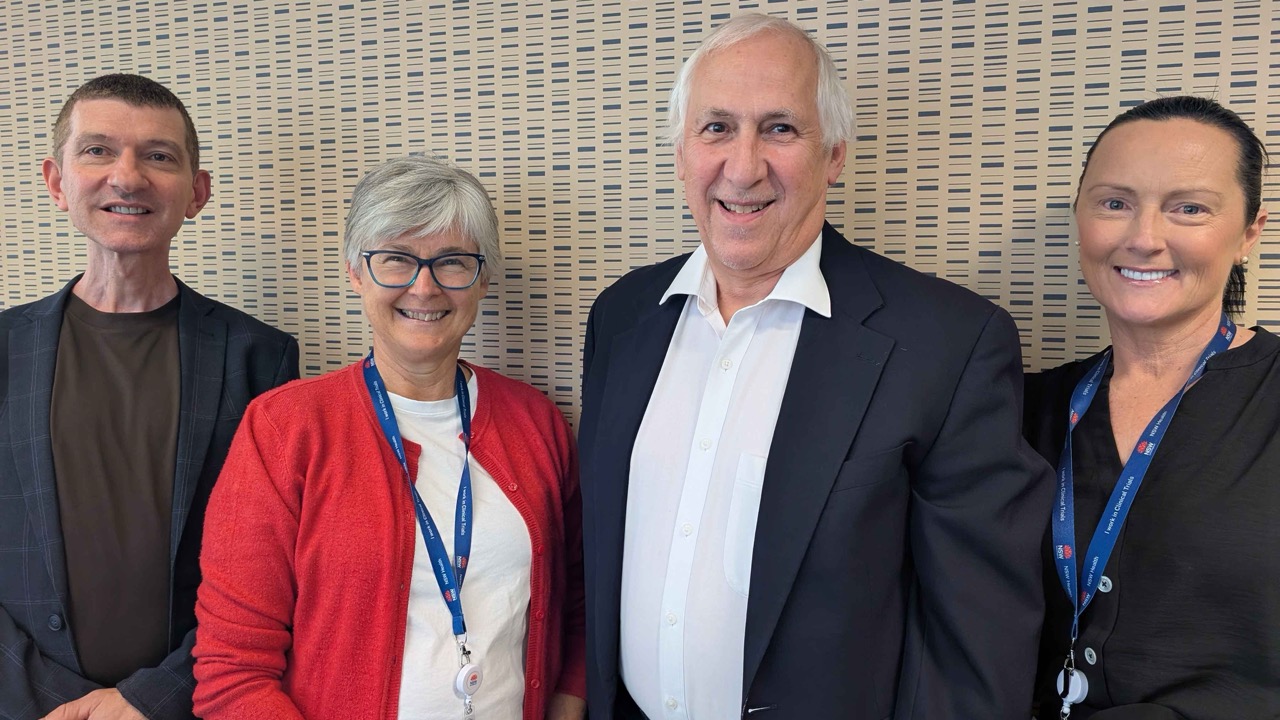
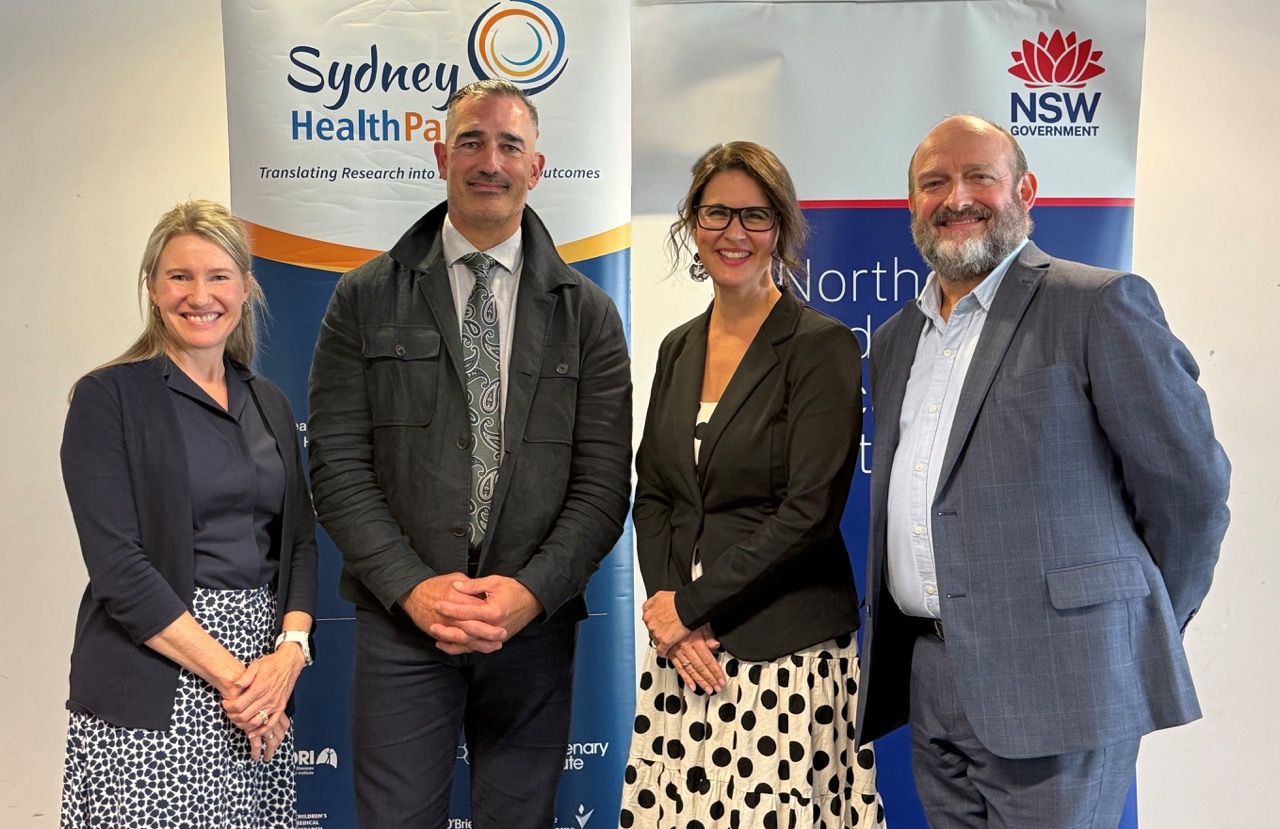
    Northern Sydney Local Health District hosted the latest stop on Sydney Health Partners’ 2025 roadshow, Translation in Action.

    More than 70 researchers and clinicians gathered at the Kolling Institute to hear presentations by colleagues involved in translational research projects, and to see how Sydney Health Partners is assisting research translation.

    The Kolling’s Academic Director Professor James Elliott said the district is proud to work with Sydney Health Partners to support the introduction of new approaches.

    “By introducing these better models of care on a bigger scale, we have the potential to reach large parts of the community within our district, and to test these approaches for a much larger population,” he said.

    He encouraged everyone to consider the research opportunities in their individual field.

    “We know that districts with an active research culture, where research is embedded as part of clinical care, deliver better patient experiences and better long-term health outcomes.”

    Acting Executive Director of Sydney Health Partners, Professor Andrew Baillie, described the research translation pipeline, from discovery to implementation.

    “The truth is that some great, evidence-based, interventions never make it to the other end of the pipe,” he said. “In that sense, Sydney Health Partners can be viewed as plumbers trying to fix a leaky and complicated set of pipes, and implementation science is one of our plumbing tools.”

    Leading medical oncologist Professor Stephen Clarke praised the efforts of everyone involved with SHP to embed research in the day-to-day operations of hospitals.

    “It used to be that research was almost regarded as the self-indulgence that interfered with core hospital business, and I think what we’re doing now is saying it’s an essential part of health services,” he said.

    Following the Roadshow NSLHD Executive Director of Research, Associate Professor Naomi Hammond said the information presented had been timely.

    “What I’m seeing is that there’s more and more people coming now to ask what they can do to get research happening in their area,” she said.

    “I think this is where Sydney HealthPartners comes in: an expert research group that can support clinician researchers to bring research into their practice.”  

  • New study tests how stress and big meals can trigger a heart attack

    New study tests how stress and big meals can trigger a heart attack

    A heavy Christmas lunch, an argument or even smoke from a bushfire may seem harmless, but for people at risk of heart disease, they could be deadly.

    A new study is investigating how emotional stress, pollution, chest infections, and large meals can trigger heart attacks in vulnerable people, and importantly, how to manage those triggers in the moment.

    Royal North Shore Hospital cardiologist and Kolling Institute researcher Professor Geoffrey Tofler is leading the clinical trial, which is now recruiting people to test whether taking aspirin or beta blockers at the time of a trigger can help prevent cardiac events.

    During the trial, participants will use an app to log symptoms and receive stress-reduction advice.

    Professor Tofler, who has researched heart attacks for close to 40 years, says the science tells us that some heart attacks aren’t random.

    “If people are aware of the triggers, there’s something they can do about them,” he said.

    The research team is looking for 120 people over 40 to join the seven-month study dubbed the Triggered Acute Risk Prevention study or TARP. Three sites are involved in the trial including Royal North Shore Hospital, North Shore Private and Westmead Hospitals.

    Participants must have at least two risk factors for heart disease – such as high cholesterol, blood pressure, smoking or diabetes – or known heart disease.

    “If you’ve just had an argument or know you’re heading into a big meal, the app helps you act,” says Geoffrey.

    “You log the trigger, like anger or a heavy meal, and it guides you through what to do.

    “Despite all the advances in understanding about risk factors like high blood pressure and high cholesterol, and the treatments, heart attacks remain a leading cause of death,” he said.

    For further information on how to take part in this study, please email your closest site: For Royal North Shore and North Shore Private: Cheryl.Macadam@health.nsw.gov.au or Anjani.Meka@health.nsw.gov.au for Westmead Hospital.

    The study has been approved through HREC 2024/ETH02331. 

  • September 2025 Kolling NEWS

    September 2025 Kolling NEWS

    Our latest Kolling Institute newsletter is out detailing the very latest updates from our expert team of researchers, including some promising progress with our bowel cancer investigators. 

    There’s an opportunity to join a clinical trial to minimise the impact of osteoarthritis, a new approach to reduce spinal cord injury related pain and an international award recognising 40 years of service to health and research…. and much more:

    Click here to read through this edition.

  • Kolling Institute Year in Review

    Kolling Institute Year in Review

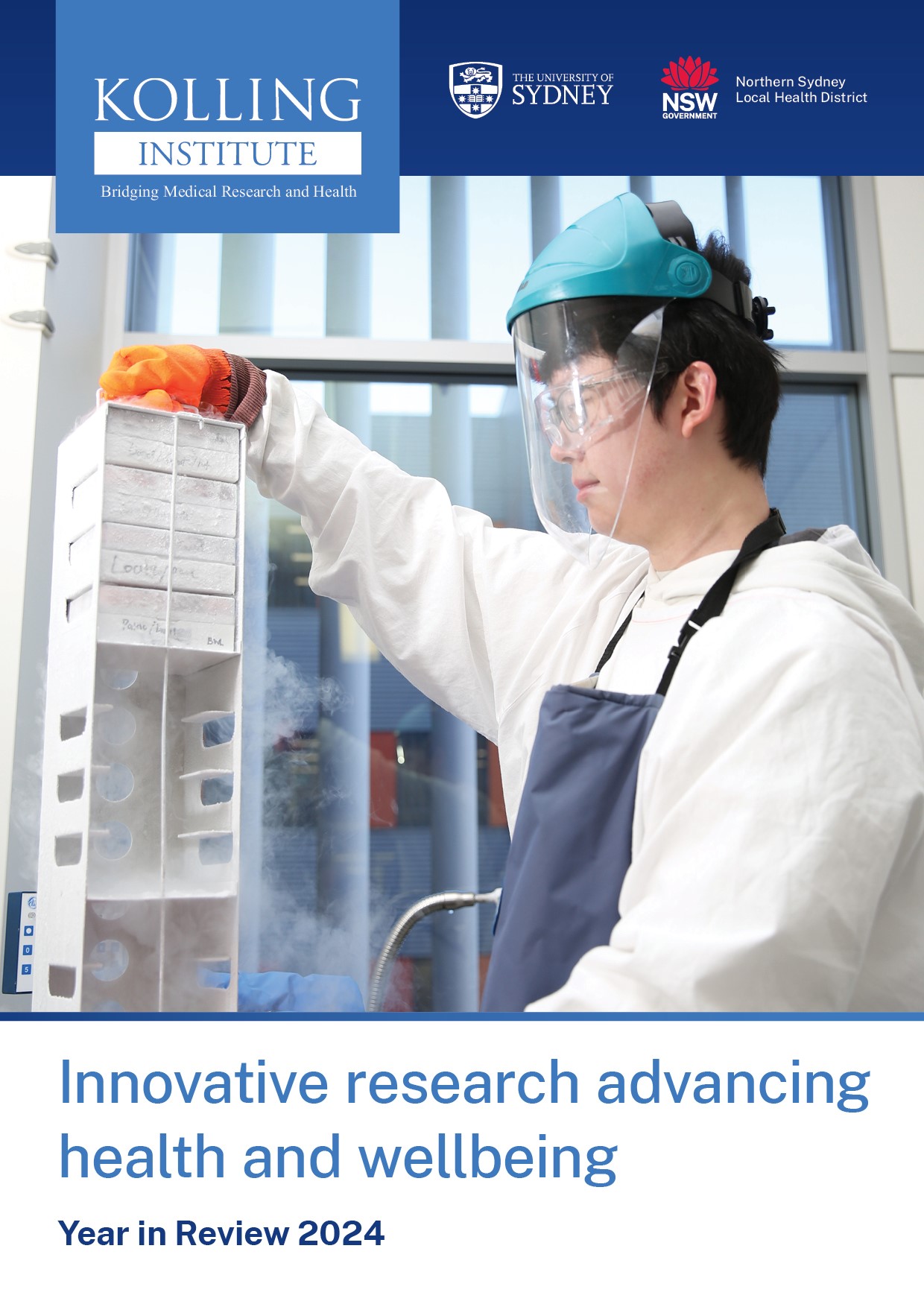
    The Kolling Institute Year in Review profiles our impressive and unique teams, and the impact of their crucial research.

    Our investigators are driving world-leading research into some of the most significant health challenges, from heart and kidney disease, chronic pain and cancer, to musculoskeletal, neurological and age-related conditions.

    With a large share of our researchers named amongst the top two per cent in the world, the Kolling Institute continues to build on its research success.

    As you read through the Year in Review, we would like to extend our thanks to our dedicated researchers and the many wonderful donors who help us deliver real improvements to the care we receive.

    Click here to check it out:

  • Researchers work to reduce debilitating spinal cord injury pain

    Researchers work to reduce debilitating spinal cord injury pain

    When we think of the impact of a spinal cord injury, we tend to focus on the significant limitations with the loss of mobility, but for a large share of people living with this injury, it’s actually the chronic pain which is one of the most challenging issues to manage long-term.

    Neuropathic pain affects about 60 per cent of people with a spinal cord injury. It’s generally felt at or below the zone of injury and is often described as sharp, burning, unbearable and even terrifying.

    It can lead to a range of challenges like depression, catastrophizing or panic thinking, poor sleep, social isolation and reduced physical activity.

    Professor of Rehabilitation Ashley Craig said medications like antidepressants, antiepileptics and opioids are used to treat neuropathic pain, but they offer limited relief and come with a host of side effects.

    “Most medications provide only a third of patients with up to a 30 per cent reduction in their pain, while other non-medication approaches have failed to have any real impact,” he said.

    However, an exciting clinical trial will shortly get underway as a result of a $2.2 million grant through the Medical Research Future Fund.

    The team from the Kolling Institute’s John Walsh Centre for Rehabilitation Research will work with national and international experts to investigate the impact of an innovative approach targeting pain pathways in the brain.

    This new approach will combine direct brain stimulation with an advanced interactive brain-computer neuromodulation therapy.

    Professor Craig said both these interventions are showing some promising results, and we are looking forward to measuring the impact of their combined approach.

    “Our research will aim to confirm if these therapies will offer significant and consistent improvements in neuropathic pain for people living with a spinal cord injury,” he said. 

    “Chronic pain after a spinal cord injury results in an altered cortical neurochemistry and blood flow resulting in cortical dysrhythmia.

    “This is where brain neuromodulation therapy can really help. It involves a non-invasive approach to correcting the dysrhythmia and improving pain.

    “Interactive brain computer therapy is an extension of established treatments, while direct brain stimulation is a well-tolerated form of non-invasive brain stimulation to promote brain plasticity.

    “We are keen to test these approaches through the clinical trial and help provide evidenced based guidelines to relieve neuropathic pain and improve outcomes for those living with a chronic spinal cord injury.”

    This clinical trial will also help researchers at the John Walsh Centre for Rehabilitation Research pursue other innovative psychological interventions to reduce catastrophizing thinking and subsequently neuropathic pain.

  • Researchers helping those with osteoarthritis weave more exercise into their day

    Researchers helping those with osteoarthritis weave more exercise into their day

    Our researchers at the Kolling Institute are leading a national clinical trial to support people with hip or knee osteoarthritis become more active.

    Study co-lead Dr Vicky Duong said we know that staying active is an important part of managing osteoarthritis symptoms, and yet 90 per cent of people with the condition are not meeting the national physical activity guidelines.

    Our team from Osteoarthritis Clinical Research Group has launched a study to identify the best way to incorporate more activity into each day.

    The trial will involve a 12-week self-guided physical activity program where participants will be offered either a detailed program and a Fitbit activity tracker, or just the assistance of the Fitbit tracker.

    Dr Duong said it was important to involve the community in the design of this trial.

    “Last year, we travelled around Australia to help adapt and design the program to ensure it was relevant for people right across the country,” she said.

    “We hope that by listening to a broad range of communities that we have developed a program which will deliver improved results and better health outcomes.”

    Co-lead Dr Sarah Kobayashi said the guidelines recommend 150 to 300 minutes of moderate physical activity a week or 75 to 150 minutes of vigorous physical activity a week, or an equivalent combination of both.

    “This level of activity directly reduces osteoarthritis symptoms and helps people manage the condition, so we’re looking forward to finding an evidenced-based approach to help the community reach that amount of activity,” she said.

    The study has been funded by the Medical Research Future Fund and supported by Arthritis Australia state groups.

    If you’re interested in joining the trial, further details can be found on the website. 

    The study has been approved by the NSLHD HREC  2024/ETH01898.

  • Combining medication and exercise could greatly reduce osteoporosis risk

    Combining medication and exercise could greatly reduce osteoporosis risk

    Researchers from the Kolling Institute and Royal North Shore Hospital are inviting women aged 50-80 to join a study to assess the effectiveness of combining exercise with medication for better bone and muscle health in postmenopausal women.

    Endocrinologist and researcher Dr Shejil Kumar said we know that exercise has benefits for bone and muscle health, and there are effective treatments available to strengthen bones.

    “However, what we don’t know is whether combining exercise plus medication at the same time can lead to even greater improvements in bone and muscle health than either approach on its own,” he said.

    The study will use a medication which is registered and approved in Australia and has been shown to increase bone density and reduce fracture risk in large international studies.

    The research team will aim to assess how different combinations of treatment improve bone density, muscle strength, body composition, physical function and risk of falls.

    Participants will be randomly assigned to different treatment groups, including a supervised group class focusing on weightbearing exercises and a home-based exercise program concentrating on mobility and balance.

    “We believe this combination will be more effective and could dramatically change the way we treat and prevent osteoporosis going forward,” Dr Kumar said.

    Researchers have recruited 45 women into the study and are hoping to reach a target of 75 by 2026.

    For further information email Shejil.Kumar@health.nsw.gov.au.

    (The study has been approved by the NSLHD Ethics Committee (2022/ETH01794)  

  • International honour for Kolling researcher after 40-year service to spinal cord injury care

    International honour for Kolling researcher after 40-year service to spinal cord injury care

    A career dedicated to improving the physiotherapy management of people with spinal cord injury has been recognised with the highest honour by the International Spinal Cord Society.

    Leading physiotherapist and researcher Professor Lisa Harvey was presented with the gold medal in front of the world’s best spinal cord injury clinicians and researchers in Belgium.

    Professor Harvey, who works at the John Walsh Centre for Rehabilitation Research in close collaboration with the Spinal Unit at Royal North Shore Hospital, received the award for her outstanding contribution to the field of spinal cord injuries.

    Lisa has held many positions with the international society over the last three decades, including chair of the Education Committee, Editor-in-Chief of the society’s official publication, Spinal Cord, board member and now chair of the Science and Research Committee.

    She has been instrumental in the development of online training for healthcare professionals treating people with spinal cord injuries and has overseen the development of freely available software to support physiotherapists prescribing exercises.

    These resources can be found at www.elearnSCI.org and www.physiotherapyexercises.com

    Lisa has taught physiotherapy management for people with a spinal cord injury in most corners of the world and has authored the leading textbook in the field. Along with colleague, Joanne Glinsky, Lisa runs online courses for up to 25,000 students.

    She is also an active researcher, publishing widely and supervising PhD students. She is currently leading one of the largest international clinical trials to examine the effectiveness of a type of physiotherapy in the early days after injury.

    Lisa said she was very grateful to receive the top honour which brings an invitation to deliver a plenary lecture at the society’s conference in Sweden in November.

    “I feel particularly proud to have received the International Spinal Cord Society gold medal on behalf of allied health professionals, especially physiotherapists everywhere who have never been recognised in this way,” she said.

    “I would like to pay particular tribute to Associate Professor Joanne Glinsky who has been instrumental to my career and who, along with Claire Boswell Ruys, nominated me for this award.”  

  • Improving cancer detection in young people with neurofibromatosis type 1

    Improving cancer detection in young people with neurofibromatosis type 1

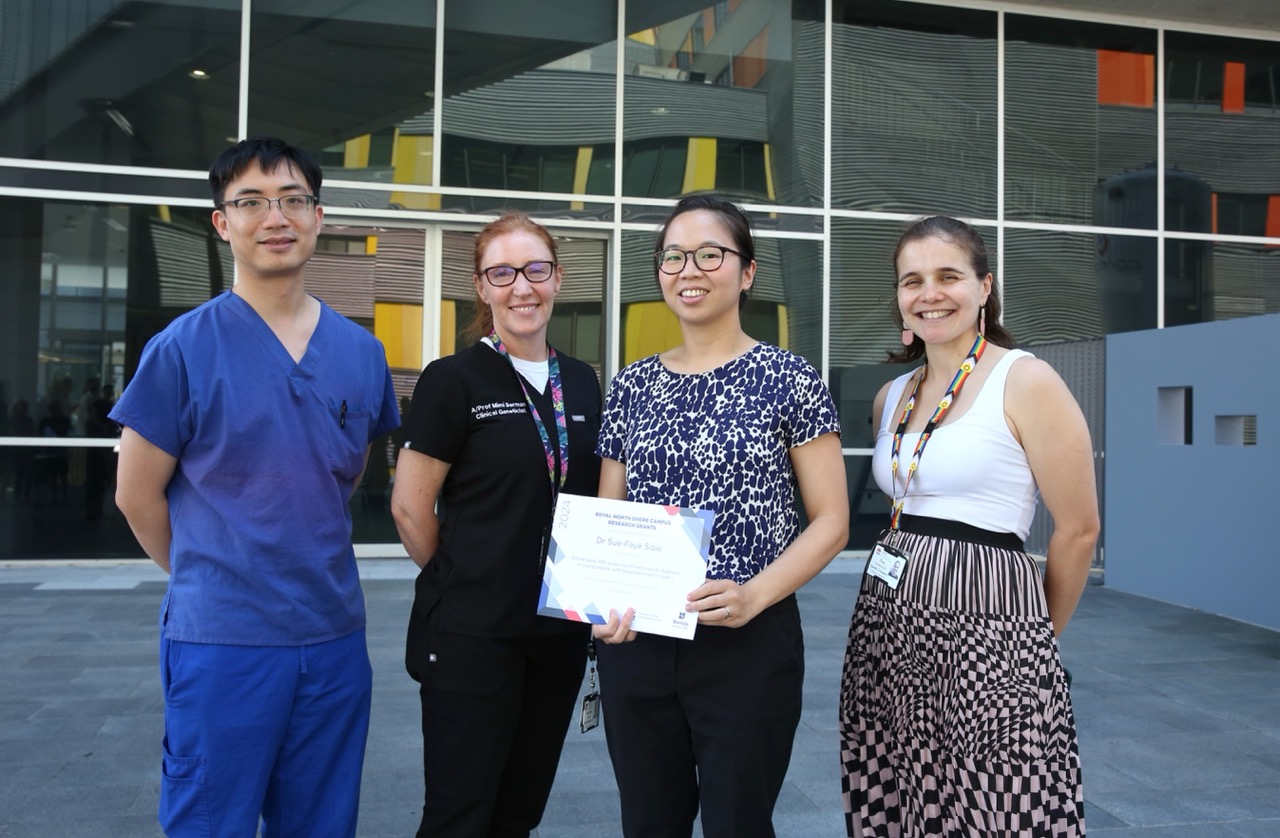
    Researchers from Royal North Shore Hospital and the Kolling Institute will lead Australia’s first study of whole-body screening for young people with neurofibromatosis type 1.

    Led by Dr Sue-Faye Siow from the department of clinical genetics, the study was awarded a grant through the RNSH Campus Research Grants Scheme, and an additional $30,000 in support from the NORTH Foundation.

    Neurofibromatosis type 1 (NF1) is an inherited condition that affects 1 in 2,500 people.

    Young adults with the condition face a 20-fold increase in cancer-related mortality, yet there are currently no routine imaging guidelines in Australia.

    The study will recruit 50 patients aged 18-40 years old to assess the feasibility and psychosocial impacts of the whole-body MRI screening program.

    Dr Siow said their project could be life-changing.

    “This is the first study of whole-body MRI screening of people with neurofibromatosis type 1 in Australia,” she said.

    “We have the opportunity for early detection in this group of young people who have a high cancer risk.”

    The research will be conducted through the Royal North Shore Neurofibromatosis Clinic, a statewide service led by Associate Professor Mimi Berman, in collaboration with national partner Omico.

    The project aims to inform national guidelines and significantly improve outcomes through earlier detection and treatment of cancer. 

    The Royal North Shore Campus Research Grants scheme funds exceptional research to improve standards of care and health outcomes locally and regionally.

    Applications for the 2025 grants are now open, offering grants of up to $150,000.

    Researchers interested in the opportunity can email nslhd-researchgrants@health.nsw.gov.au

  • Pioneering study to improve sleep and reduce musculoskeletal pain

    Pioneering study to improve sleep and reduce musculoskeletal pain

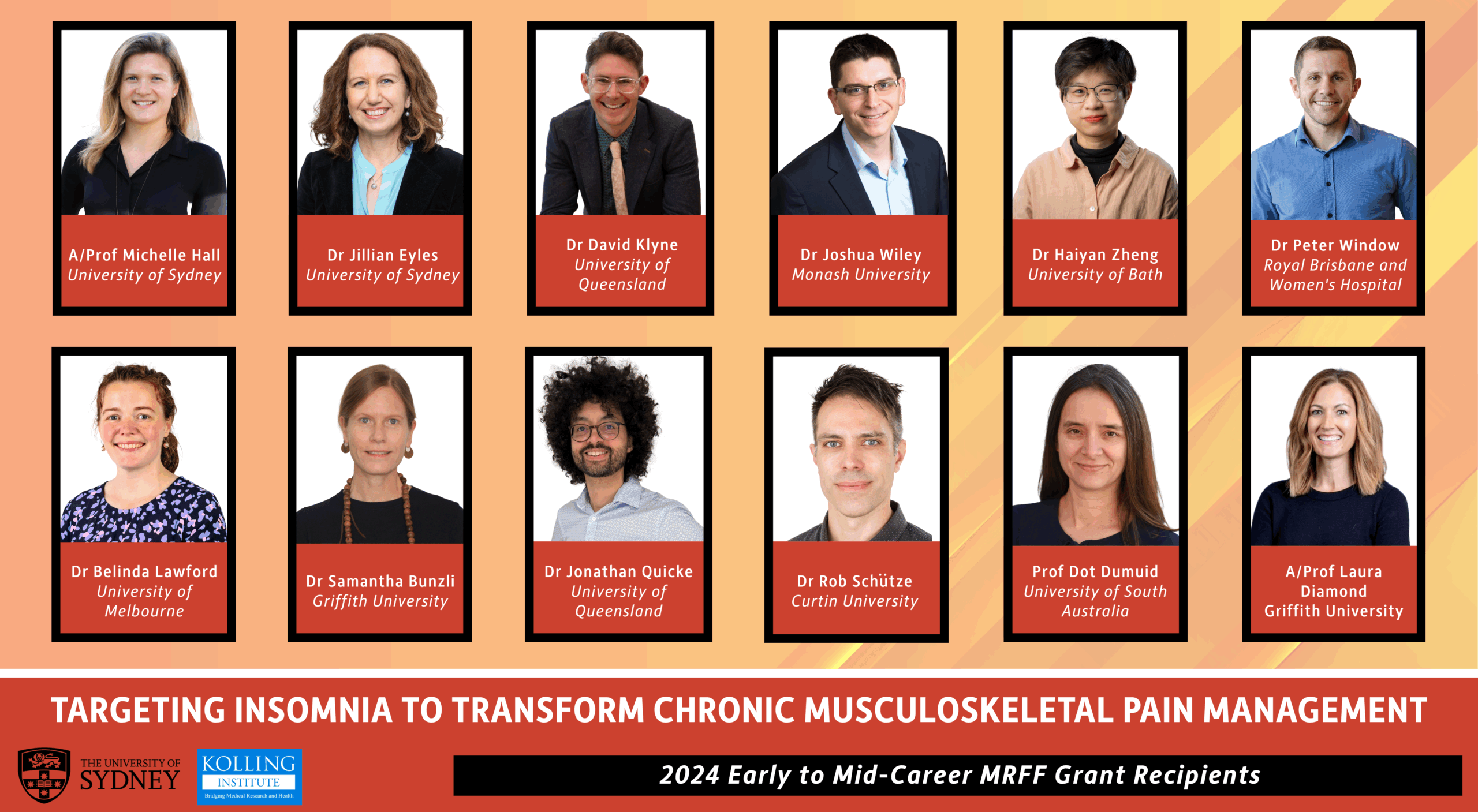
    An innovative study, led by a team of researchers from the Kolling Institute, has the potential to change the way osteoarthritis and low back pain are managed.

    More than $4.7 million has been awarded to the project through the Medical Research Future Fund’s program for early to mid-career researchers.

    Study lead Associate Professor Michelle Hall said we know that chronic muscle pain and poor sleep often go hand-in-hand, yet sleep is rarely addressed in standard musculoskeletal care.

    “Our program however, will target insomnia as a first line treatment for a range of musculoskeletal pain conditions, including hip and knee osteoarthritis, and low back pain,” said the University of Sydney researcher.

    “These conditions are the leading cause of disability worldwide and co-exist with poor sleep. We know that insomnia affects up to 80 per cent of people with chronic musculoskeletal pain, and poor sleep actually worsens chronic pain.

    “Our ground-breaking program will measure the impact of adding cognitive behavioral therapy to physiotherapy care for people with muscle pain and insomnia.

    “This type of therapy is a proven treatment for both sleep and chronic pain, yet it is not routinely offered due to limited psychologist availability and funding.

    “Physiotherapists are well-positioned to address this care gap, given they typically manage people with chronic musculoskeletal conditions and are more widely available than clinical psychologists.

    “Our approach could also represent a significant financial saving.

    “Earlier trials have demonstrated a reduction in medication use and costs, and given the $7 billion cost of medications for osteoarthritis and low back pain each year, the projected savings could exceed $60 million a year.”

    The program will be adopted across nine public hospitals in NSW, Queensland and Western Australia, and will involve seven Australian universities and a UK institution.

    “We would like to thank the many consumers and partners who have helped us develop this project. It has the potential to be upscaled and could improve models of care and patient outcomes for a large number of people across Australia and internationally.

    “We are looking forward to progressing this important research and reducing the severity of pain experienced by the community.” 

NSWGOV logo