
Musculoskeletal Research
-
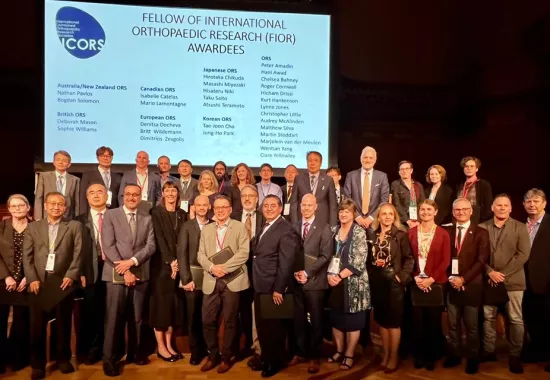
Kolling researcher recognised with prestigious international award
Posted on:
We would like to congratulate Professor Chris Little who has received a highly coveted award for his outstanding commitment to orthopaedic research. Professor Little has been elected a Fellow of International Orthopaedic Research at a key international conference in Edinburgh Scotland. The award is only presented every three years, with around 20 people across the
Category:
-
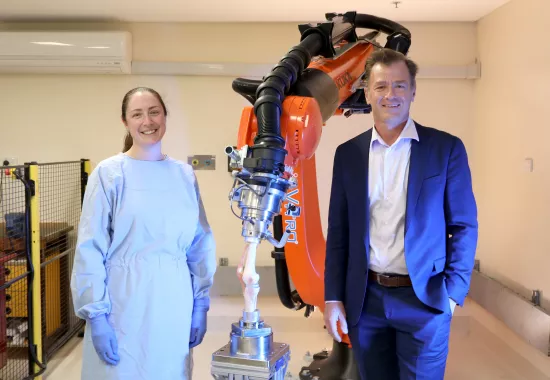
New robot driving innovation in joint surgery
Posted on:
A $400,000 robot which may hold the key to significant improvements in hip and knee replacements is now operational at the Kolling Institute. Known as KOBRA or the Kolling Orthopaedic Biomechanics Robotic Arm, the new technology delivers an advanced testing facility, while greatly increasing research capabilities. It is the largest of its kind in Australia
-
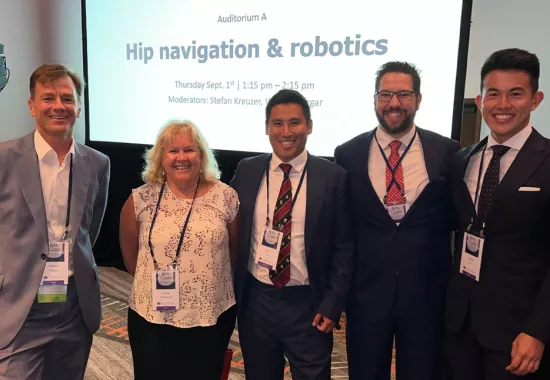
Kolling researchers present at international congress
Posted on:
Kolling Institute researchers have helped map out exciting future developments for the rehabilitation of hip and knee replacement patients. A team of researchers from Sydney Musculoskeletal Health – a partnership between the University of Sydney, Sydney Local Health District and Northern Sydney Local Health District – recently attended the International Society for Technology in Arthroplasty’s
Category:
-
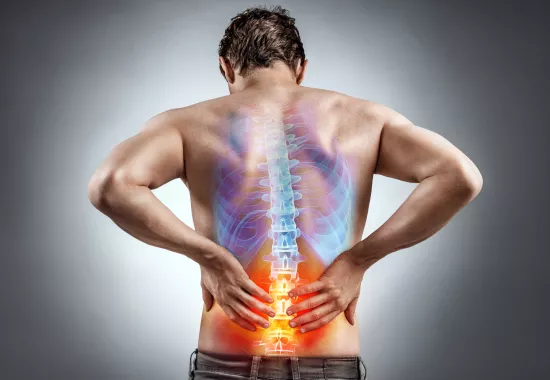
World Arthritis Day directs focus to the latest research and clinical trial opportunities
Posted on:
Arthritis is the third most prevalent long-term health condition in Australia affecting more than 12 per cent of Australians. There is no cure for arthritis, with treatment options largely focused on alleviating pain, including pain relief medication, arthroscopy or joint replacement. Australia is at the forefront of clinical research and trials, which is helping the
Category:
-
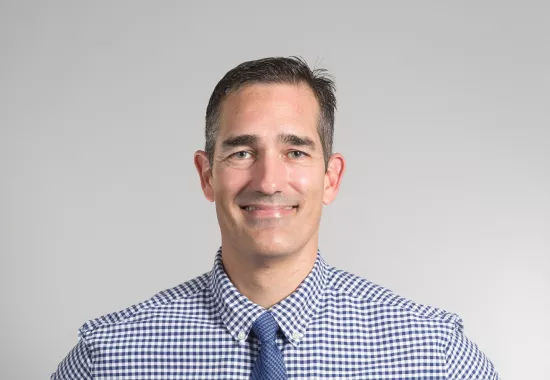
New Academic Director shares vision for research success
Posted on:
Ambitious leadership, functional wellbeing and a passion for collaboration An international healthcare destination celebrated for its collaborative spirits and dedication to human health and wellbeing. This is Professor Jim Elliott’s vision for how the collaboration between the Kolling Institute, the Faculty of Medicine and Health and the Northern Sydney Local Health District will evolve. Highly
Category:
-
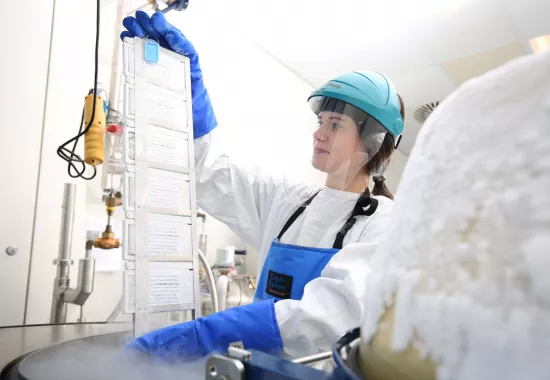
Researchers investigate if stem cells can reverse osteoarthritis damage
Posted on:
Our researchers are seeking participants for a large-scale clinical trial pioneering the use of stem cells to treat and potentially cure osteoarthritis. The disease is now one of the leading causes of disability in the world, affecting around three million people in Australia alone. Royal North Shore Hospital rheumatologist Professor David Hunter is leading the
Category:
-
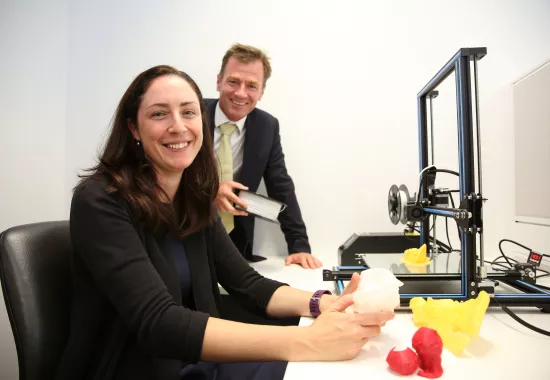
Researchers seeking closer ties with industry
Posted on:
Researchers at the Kolling Institute are increasingly forging partnerships with industry, with the collaborative efforts accelerating improvements in patient care. One team which has particularly benefitted from a strong relationship with industry partners is the diverse group from the Murray Maxwell Biomechanics Laboratory. Director, Associate Professor Liz Clarke is encouraging others to follow suit, convinced
-
Championing precision medicine for children living with arthritis
Posted on:
The largest study in Australia into the treatment of juvenile arthritis may pave the way for a unique approach to care for those with the disabling condition and dramatically improve outcomes. The Medical Research Future Fund will invest $2.5 million in the A3BC for Kids project which will involve researchers from the Kolling Institute and
Category:
-
Back pain treatments shouldn’t neglect the mind
Posted on:
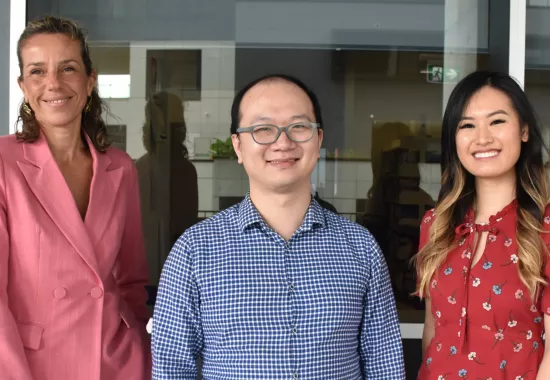
ysiotherapy treatments with those focusing on the mind. The study, involving Emma Ho, Professor Manuela Ferreira and Lingxiao Chen, analysed evidence from almost 100 trials worldwide involving over 13,000 patients. It found a combination of physiotherapy alongside psychological interventions, like behavioural therapy and pain education, produced the best outcomes for physical function and pain intensity.
-
Kolling researcher to join prestigious Harvard Medical School program
Posted on:
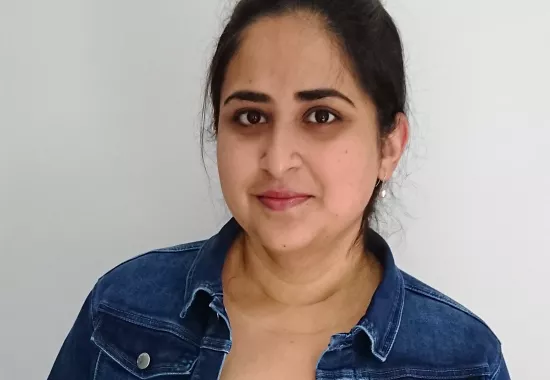
Congratulations to Kolling Institute researcher Dr Manasi Mittinty who has been selected for the Advanced Global Clinical Scholar Research training at Harvard Medical School. Dr Mittinty is a medical trained researcher with the Pain Management and Research Centre and a University of Sydney lecturer. She has a keen interest in translation research and the connections


Copyright © 2026 Kolling Institute
All rights reserved