Blog

  • New technology holds the key to better care for whiplash injuries

    New technology holds the key to better care for whiplash injuries

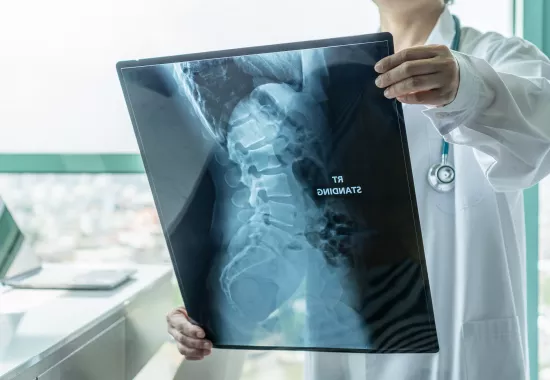
    New research is set to revolutionise the diagnosis and treatment of whiplash injuries, one of the most common and challenging injuries following a non-catastrophic motor vehicle collision.

    The longitudinal study, conducted over more than five years, involved researchers from the Kolling Institute along with scientists from Northwestern University, University of Colorado and Stanford University.

    Close to 100 people were recruited to the trial soon after experiencing a motor vehicle collision. 84 of those underwent MRI scans of their neck two weeks after their crash and then again at 12 months.

    The scans measured muscle composition, a key indicator of whiplash injury and other disorders of the cervical spine.

    The Kolling’s Acting Executive Director Professor Jim Elliott said the project took advantage of improvements in the evolution of high resolution MRI and rapid acquisition and measurement techniques.

    “We innovatively applied artificial intelligence, dramatically reducing the processing times of measuring muscle composition from hours to seconds with automatic segmentation,” he said.

    “We found the changes in muscle composition occurred in both men and women, but to a larger extent in women and in the deep muscles, attaching directly to the spine. These findings raise questions around why these changes occurred and how they should be managed.

    “Our study demonstrated a game-changing approach which may have significant implications for the diagnosis and treatment of those with a whiplash injury or other disorders of the cervical spine.

    “The gains in MRI technology and the rapid acquisition techniques mean we are able to diagnose injuries which wouldn’t have been captured in the past, opening up new treatment pathways.

    “The technique provides accurate and rapid, quantitative assessment of the complex muscles traversing the cervical spine, and importantly, this process could be incorporated into clinical radiology practice.”

    The Professor of Allied Health in the Northern Sydney Local Health District and the Faculty of Medicine and Health at the University of Sydney said the findings are significant.

    “Whiplash-associated-disorders are the most common outcome for the 2.6 million Australians and four million Americans involved in a non-catastrophic motor vehicle collision every year.

    “Half of those injured recover rapidly, but the other half continue to experience long-term health issues, with neck pain the most common symptom.

    “Whiplash-associated-disorders are a leading cause of disability worldwide. They represent a considerable financial burden, costing the Australian economy around a $AUD1 billion a year, and the American economy more than $USD100 billion per annum.

    “Given these circumstances, there is an urgent need for new diagnostics and effective strategies to identify and mitigate the risk of chronic whiplash-associated-disorders.

    “We believe this new technological approach will deliver diagnostic, predictive and clinical benefits.”

    Other authors on the paper include Todd B. Parrish, Rebecca Abbott, Marie Wasielewski (Northwestern University), Andrew C. Smith (University of Colorado) and Kenneth A Weber II, Vivie Bojilov, Trevor Hastie and Sean Mackey (Stanford University).

    The study has been published in Scientific Reports.

  • Researchers partner with industry for innovative study into osteoarthritis

    Regeneus, a clinical-stage regenerative medicine company, has announced an exciting research collaboration with Professor Christopher Little and the Raymond Purves Bone and Joint Research Laboratory at the Kolling Institute.

    The study will further explore the disease modifying effects of Progenza™ and assess its effect in modulating the inflammatory and immune responses in a pre-clinical mode of post-traumatic osteoarthritis.

    The study will assess Progenza™ in a destabilization of the medial meniscus osteoarthritis model, measuring the effect of Progenza™ versus control on both progressive pathology, via cartilage and bone structure changes, and on pain.

    Inflammatory and immune responses will be assessed by measuring different immune cell populations. The study is expected to be completed in the first quarter of next year.

    Regeneus and Professor Little have worked together over a number years, previously conducting equine animal studies.

    Regeneus CEO Karolis Rosickas said we are very pleased to be working with Professor Little and his team.

    “We look forward to working together on this important study which will support our Progenza™ clinical program, where we will shortly commence Phase 2 trial in Japan with our partner Kyocera and are currently conducting preparatory work for a US Phase 2 study.”

    Professor Little, a Professor in the Faculty Medical and Health University of Sydney and Director of the Raymond Purves Bone and Joint Research Lab has welcomed the collaboration, saying we are pleased to be working with Regeneus on this study.

    “We have come to understand that osteoarthritis is not simply a wearing out of the joint, but a complex active biological process in all the different tissues of the joint,” he said.

    “Importantly, this local process is also impacted by the broader immune and nervous systems.

    “Optimising potential osteoarthritis therapeutics therefore requires a better understanding of how the full spectrum of these pathologies are modulated.”

    The Raymond Purves Bone and Joint Research Lab leads Australia in research into some of the key musculoskeletal diseases affecting our population, including osteoarthritis, tendon injury and intervertebral disc degeneration.

  • Expertise at the Kolling recognised

    Expertise at the Kolling recognised

    Congratulations to Professor David Hunter who’s been announced as a finalist for Research Australia’s annual Health and Medical Research Awards.

    The prestigious awards celebrate the outstanding achievements of individuals and teams who drive innovative health and medical research. They aim to recognise excellence across the sector, and encourage future generations of researchers.

    Professor Hunter, the Florance and Cope Chair of Rheumatology, is a finalist in the health services award category, sponsored by the NSW Government.

    The impact of Professor Hunter’s research on both clinical practice and policy is unparalleled in the field of health services for osteoarthritis. He is the leading osteoarthritis expert internationally, having published more than 500 peer-reviewed manuscripts over his career.

    Kolling Acting Executive Director Jim Elliott said David’s work has improved the lives of those living with osteoarthritis by identifying the impact of care, improving patient access to evidence-based treatment, and ensuring low value, fragmented care is replaced by evidence-based, co-ordinated care.

    “His research has shifted clinical practice from a model based on the use of high cost, high risk and low value treatment approaches to an evidence-based, patient-driven care model,” he said.

    “David led the development of the Osteoarthritis Chronic Care Program, the first multidisciplinary model of care for osteoarthritis patients in Australia. It’s currently being introduced by NSW Health to all public hospitals, and has already has reached more than 20,000 people.

    “David was the Chair of the Institute of Bone and Joint Research for over nine years, where he supported a team of 65 researchers to increase the impact and productivity of the group.”

    The award winners will be announced at a gala event planned for December.

  • Research directs spotlight onto the effectiveness of spinal surgery

    Research directs spotlight onto the effectiveness of spinal surgery

    New research has found that while the majority of Australian spinal surgeons expect large improvements from common spinal procedures, they say there is only poor quality scientific evidence demonstrating the effectiveness of surgery compared with non-surgical approaches like physiotherapy.

    A team from the Kolling Institute’s Back Pain Research group and the University of Sydney surveyed around a third of the nation’s spinal surgeons in the largest study of its type in Australia.

    The research was the first in the world to examine surgeon’s opinions on the evidence for the two most common spinal surgeries, lumbar decompression and microdiscectomy.

    Principle investigator David Anderson said it was important to investigate the efficacy of these surgeries which are undertaken to reduce the pain and improve mobility with lumbar spinal stenosis.

    “This can be a painful, disabling condition and the most common cause of spine surgery in older adults,” he said.

    “Our investigations found that while surgeons on average expect an 86 per cent improvement in a person’s pain three months after lumbar decompression surgery, and a 89 per cent improvement after microdiscectomy, they believed more research was necessary.

    “Just under 90 per cent of surgeons said more data was needed on the effectiveness of spinal surgeries compared with non-surgical treatments like physiotherapy and medications.

    “Surgeons particularly called for greater scrutiny over lumbar fusion surgery for spinal stenosis, where spinal segments are fused together using spinal implants.

    “Interestingly, we also found differences in the way these common operations are performed by Australian and European surgeons.

    “We found that more European surgeons prefer minimally invasive spinal surgical procedures than Australian surgeons. Minimally invasive spine surgery is appealing, but we don’t yet have clinical studies to prove it is more effective. The survey shows that many Australian spine surgeons would not agree that these techniques are better.”

    The study was a collaborative project also involving surgeons from Concord, Liverpool, Nepean hospitals, the University of New South Wales, and Prince of Wales Hospital.

    The authors would like to acknowledge the Neurosurgical Society of Australasia for their support in inviting surgeons to participate.

    “Without the support of organisations like this, research like this would not be possible. We greatly appreciate their support”, David said.

    The research has been published in the Journal of Clinical Neuroscience.

  • International knee transplant study to inform future care

    International knee transplant study to inform future care

    New funding announced by the Federal Government will see researchers from the Kolling Institute and the University of Sydney drive an international study to determine the best treatment for those with knee cartilage damage.

    More than $1 million dollars has been awarded through a collaborative research grant scheme involving Australia’s National Health and Medical Research Council and the National Institute for Health Research in the United Kingdom.

    Professor Manuela Ferreira from the University of Sydney’s Faculty of Medicine and Health and the Kolling Institute welcomed the announcement, saying the project will compare the outcomes of two approaches to rehabilitation and pain relief for people who have had their meniscus cartilage removed from their knee.

    The five-year study will determine the clinical and cost effectiveness of meniscus transplant surgery compared with non-surgical treatment of exercise and physiotherapy.

    Professor Manuela Ferreira said there is a significant need for this research with meniscal damage one of the most common knee injuries, affecting a large share of the community.

    “Degenerative meniscal damage is more common in the older population while acute traumatic tears predominantly occur in the younger population due to sporting injuries,” she said.

    “Regardless of how the damage is caused, it can lead to symptoms such as pain, stiffness and locking of the knee which can be debilitating.

    “The current treatments are determined by the extent of the damage. A small tear to the

    meniscus can be repaired with surgery, but generally the damage requires partial or total removal of the meniscus with a meniscectomy.

    “These treatments are often effective at relieving the symptoms of meniscal damage, but they leave the patient with a meniscal deficiency which will often lead to further knee damage, such as osteoarthritis.”

    There is increasing evidence demonstrating the effectiveness of meniscus transplant surgery, known as a meniscal allograft transplant, where a donor meniscus is inserted into the knee to reduce pain and improve function.

    The technique is currently being performed at some centres in Australia and the United Kingdom, yet there are few randomised trials or large scale studies supporting the use of the procedure.

    “Our study will comprehensively examine the clinical and cost-effectiveness of the technique, providing robust data to inform clinical practice and establish the best treatment strategy,” Professor Ferreira said.

    “If the meniscus transplant surgery proves effective, it may reduce pain and improve quality of life for many people.

    “However, if it is not clinically or cost effective, the results will halt the widespread use of an expensive intervention.

    “The study also represents an excellent opportunity to work with collaborators from the United Kingdom to tackle a shared health challenge.

    “The project will bring researchers from our two countries together to solve an important health issue and improve health outcomes across both countries.”

    More than 140 participants are set to be involved across the two sites in Australia and the UK.

  • Researchers to identify safer and more effective treatment pathways for rheumatoid and psoriatic arthritis

    Researchers to identify safer and more effective treatment pathways for rheumatoid and psoriatic arthritis

    Kolling researcher Professor Lyn March will lead a large, collaborative national trial to improve treatments and outcomes for those with disabling rheumatoid and psoriatic arthritis.

    Federal Government MRFF funding will see more than $2.7 million invested in the project which will involve 400 participants across the country.

    Professor March, who is also the head of the Department of Rheumatology at Royal North Shore Hospital, has welcomed the funding saying there’s a need for more robust evidence around existing treatment approaches.

    “Rheumatoid and psoriatic arthritis are autoimmune musculoskeletal diseases that can cause severe pain, joint destruction, disability and early death,” Professor March said.

    “Sadly there is no cure and while some people are able to achieve drug-free remission, the diseases often reoccur.”

    Existing treatments include the biologic disease modifying antirheumatic drugs, which suppress the overactive immune system. These medications have successfully improved people’s quality of life, but they come with risks of significant side effects, including serious infections.

    “Ideally, we would like to bring people off these medications when their symptoms subside, but there are no clear guidelines around the best time to do that, or how these therapies can be reduced and stopped,” she said.

    “Our study will aim to identify the optimal medication approaches towards achieving and maintaining drug free remission in as many patients as possible. Importantly, we’ll be looking to confirm the safest, most effective and most economical treatment strategies.”

    Professor March said this is an important national trial which will involve prominent rheumatology clinician researchers, leading scientists, economists and post-doctoral researchers from universities and hospitals across Australia.

    “We will also partner with the Australia and New Zealand Musculoskeletal Clinical Trials Network, the national Australian Arthritis and Autoimmune Biobank Collaborative (A3BC) registry/biobank network, and leading professional and consumer bodies.”

    “Importantly, the national infrastructure of the A3BC will allow us to generate new knowledge on rheumatoid and psoriatic arthritis through the trial and also optimise the Government’s return on investment by following participants long-term as a clinical registry/biobank cohort.”

    “The trial represents a wonderful collaborative opportunity to assist those with rheumatoid and psoriatic arthritis manage their condition in the safest and most effective way. This will deliver long term health and economic benefits to individuals and the broader community.”

    The trial will be open to any Australian adult living with rheumatoid and psoriatic arthritis, providing they meet the criteria and have the disease well-controlled with a biologic medication.

    Recruitment is anticipated to begin later this year.

  • Technology to bring relief to those with low back pain

    Technology to bring relief to those with low back pain

    With many of us looking to adopt a healthier lifestyle, researchers say a new approach may not only deliver benefits for your heart and waistline but may reduce low back pain as well.

    The condition affects one in six Australians or four million people and is the leading cause of adult musculoskeletal pain worldwide.

    Researchers from the University of Sydney and the Kolling Institute have launched an innovative study to assist those with low back pain, and they’re urging those with the debilitating condition to join the trial.

    Professor Manuela Ferreira said research has shown us that low back pain is the number one cause of disability worldwide, greatly impacting social, family and work activities.

    “We know low back pain is the main reason Australians miss work and retire involuntarily,” she said.

    “Low back pain also contributes to a lack of physical activity, increasing the risk of other chronic diseases.”

    Professor Ferreira said learning how to self-manage low back pain is particularly important, and the TEXT4myBACK study will investigate whether a lifestyle-based text message intervention can help people do just that.

    Two different formats of text message interventions are being assessed and participants will receive one of two interventions which differ in their frequency and content.

    The messages will contain educational information about low back pain and self-management strategies.

    The study will measure whether the text messages improve function and patient confidence in managing their symptoms.

    “We’re keen to measure the effectiveness of this new mobile health approach.

    “Text messaging is an easy, accessible and affordable intervention that can empower people with low back pain to better manage their own symptoms. It can be used to remotely support people anywhere, at any time of the day.

    “It has been shown to help people with other chronic diseases, such as cardiovascular disease and diabetes engage in a healthier lifestyle.

    “Text messages have helped people lose weight, stop smoking and increase their exercise participation levels.

    “The study is receiving a positive response, with participants able to join remotely, as long as they have access to a phone and internet coverage.

    “This is a great option for many Australians who do not have easy access to specialised care or support to receive evidence-based information on how to care for their spinal health.”

    To find out more, follow ibjr.sydney.edu.au/volunteer/text4myback/

  • First large-scale trial of stem cell therapy for knee osteoarthritis launched

    First large-scale trial of stem cell therapy for knee osteoarthritis launched

    Kolling researcher Professor David Hunter will lead one of the world’s largest clinical trials into the effectiveness of stem cell therapy for those with knee osteoarthritis.

    More than 400 participants will be recruited for the SCUlpTOR study which will see trial sites established at Royal North Shore Hospital and the Menzies Institute in Hobart.

    Professor Hunter, the Florance and Cope Chair of Rheumatology at the University of Sydney, said the two-year study represents the first of its type to test stem cell therapy for osteoarthritis.

    “We will evaluate whether stem cell injections can improve symptoms and slow the progression of the disease in people with mild to moderate knee osteoarthritis,” he said.

    “Participants will receive three injections over a 12 month period, with researchers to assess levels of pain, physical activity and quality of life throughout the trial.”

    All participants will receive the same stem cell product, developed from cells from a single young healthy person.

    The study follows some small trials which have indicated stem cell therapy may reduce inflammation, and help the body repair cartilage.

    Professor Hunter said there is tremendous community interest and many stem cell products available, but to date, there has been no good, rigorous evidence to suggest these products are effective in this context.

    “It’s really important that we have high-quality trials like this one to produce the evidence that we need around efficacy and safety.

    “Osteoarthritis is steadily increasing in prevalence due to our ageing population and the high numbers of people above a healthy weight.

    “It’s important that we can offer those managing the condition a range of treatment options, on top of the existing conservative approach of weight loss and exercise.”

    The trial has been welcomed by 61 year old Tom Buttel who has experienced knee osteoarthritis for most of his life after a rugby injury in his teens.

    “Osteoarthritis has had a big impact on my life, causing considerable pain and limiting quite a few daily tasks,” he said.

    “I have found, however, that by maintaining my weight and adhering to a personally-tailored exercise program, I’ve been in a much better position to manage my condition.

    “I’m very excited by the trial and encouraged that it may be an important step towards a safe and effective treatment for people with osteoarthritis.”

  • A simple mix of treatments holds the key to better hand function

    A simple mix of treatments holds the key to better hand function

    The base of our thumb may just be a small part of our hand, but osteoarthritis in that area can have a significant impact, making the simplest tasks difficult.

    The condition especially affects post-menopausal women, with figures indicating up to a third of women over 70 have this type of osteoarthritis.

    Increasing numbers of people are experiencing the condition, and yet current treatments still leave patients with limited use of their hand.

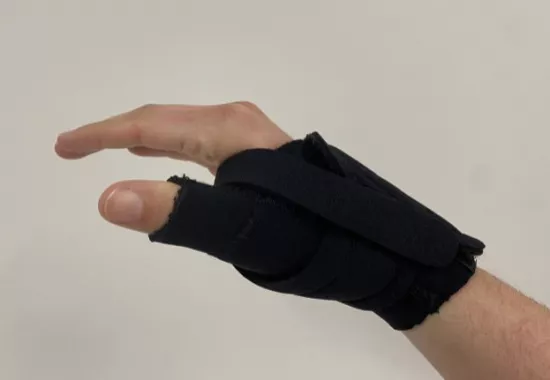
    Researchers from the Kolling’s, Institute of Bone and Joint have completed a clinical trial finding a combined approach of education, a splint to support the thumb, hand exercises and a pain relief gel, were a promising lead in helping people regain hand function.

    More than 200 people, in two groups, were involved in the COMBO study, which assessed pain and hand function, grip strength, thumb base stiffness, and overall quality of life.

    Findings:

    • After six weeks, there was increased hand function for people who undertook the treatments and exercises compared to the control group.
    • After 12 weeks, participants also reported a better quality of life and reduction in pain.

    Senior author Professor David Hunter said many older adults affected by thumb base osteoarthritis feel there is nothing that can be done for the condition.

    “This trial demonstrates clinically beneficial effects on hand function with readily available interventions,” he said.

    “It indicates a simple mix of treatments can improve range of hand motion and make daily tasks, like opening a door or picking up an object, easier.”

    The study, published in JAMA Internal Medicine, was led by the Kolling Institute’s Dr Leticia Deveza and Sarah Robbins.

    “Previous studies on combined treatments in thumb base osteoarthritis have provided conflicting results,” said Dr Deveza.

    “To our knowledge, ours is the first study to investigate a combination of treatments in thumb base osteoarthritis, and importantly, we’ve found a solution that could be of clinical benefit,” she said.

  • Research identifies long-term health impacts of minor crashes

    Research identifies long-term health impacts of minor crashes

    Treatment of whiplash injuries may be modified following research which has found even minor motor vehicle accidents can cause a long-term spinal cord injury.

    Researchers from the Kolling Institute along with scientists from Northwestern, Stanford and the University of Oklahoma conducted the longitudinal study involving participants who had been involved in a relatively simple rear-end motor vehicle collision.

    Using advanced MRI imaging, the research team identified profound changes in the health and integrity of spinal cord pathways of female participants who were still experiencing health issues one year after their crash.

    Acting Kolling Institute Executive Director Professor Jim Elliott said we believe these changes represent a more severe injury than what might be expected from a typical low-speed car crash, and would not normally be detected with conventional imaging scans.

    The research indicates these patients may have experienced an incomplete spinal cord injury, which could be linked to a range of associated health issues.

    The news has been welcomed by academic Jade Barclay who experienced decades of unexplained symptoms after a car accident when she was just 15.

    “It was a very tough time managing fluctuating disability, debilitating fatigue, tinnitus, nausea, as well as ongoing cognitive difficulties with speech, memory, and reading,” she said.

    “I was sent for MRI scans every few years, and was always told the scans were normal.”

    “It wasn’t until a few years ago that a neurosurgeon investigated my case despite another normal MRI, and now they believe the whiplash I experienced all those years ago could have contributed to my symptoms.

    “My cognitive symptoms are now much improved and I appreciate the research spotlight on this area.”

    Professor Elliott said these latest findings are significant.

    “Whiplash-associated-disorders are the most common outcome for the 2.6 million Australians and four million Americans involved in a non-catastrophic motor vehicle collision every year,” he said.

    “Half of those injured recover rapidly, but the other half continue to experience long-term health issues, with neck pain the most common symptom.

    “Whiplash-associated-disorders are the fourth leading cause of disability. They represent a considerable financial burden, costing the Australian economy around a $1 billion a year, and the American economy more than $100 billion.

    “Within this context, there is an urgent need for new diagnostics and effective strategies to identify and mitigate the risk of chronic whiplash-associated-disorders.”

    Professor Elliott said the findings encourage health care providers treating these patients to dig deeper if the clinical signs and symptoms suggest a potential injury involving the spinal cord, and adjust treatment accordingly.

    “If you’re a patient with ongoing chronic pain following a whiplash injury, but no objective imaging finds anything wrong, people are frequently informed that nothing is wrong with them.

    “We now have a broader understanding of the condition and can assure patients their chronic pain is not all in their heads.

    “Additional treatment options could be considered including a more targeted approach to pain management and possibly help from a psychologist.

    “The findings highlight the potential value of changing standard imaging protocols to identify these individuals early and start accelerated treatment.

    “Not everyone needs an MRI scan after a whiplash injury from a motor vehicle collision, but this research has demonstrated the importance of additional screening in individual circumstances.”

NSWGOV logo