Blog

  • Research questions the value of injectable medications for osteoarthritis

    Research questions the value of injectable medications for osteoarthritis

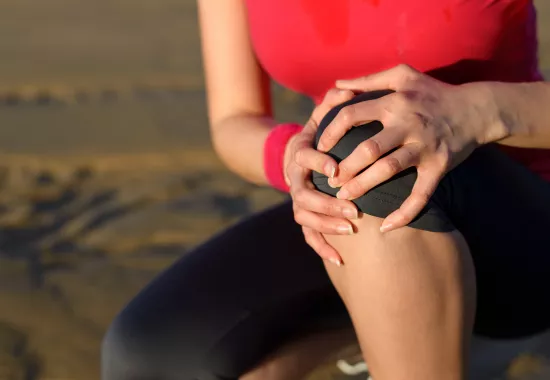
    Our researchers at the Kolling Institute are encouraging those with osteoarthritis to rely on treatments with a proven track record and avoid quick fixes without the data to show they work.

    The comments follow a steady rise in osteoarthritis cases nationally, with around three million Australians now living with the condition, and many forced to retire early.

    The rise in cases has coincided with strong interest in injectable medications, particularly for knee osteoarthritis, such as hyaluronic acid, stem cells and platelet-rich plasma.

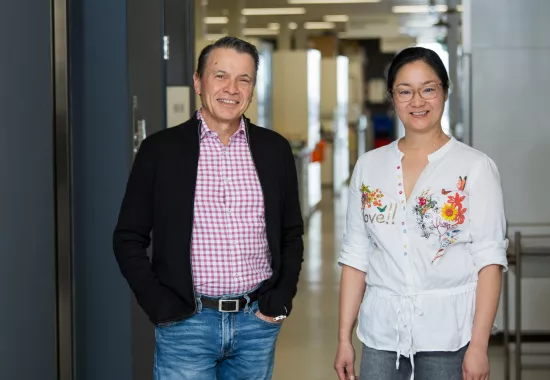
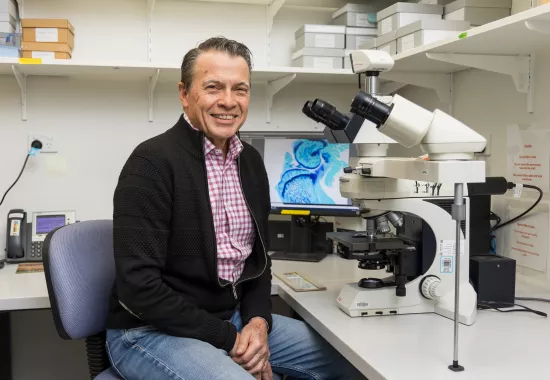
    But Royal North Shore Hospital rheumatologist and world leading osteoarthritis researcher Professor David Hunter said we don’t have the data to show these injections work.

    “The hyaluronic acid injections are no better than a saltwater injection, but they will cost you a lot more, while we just don’t have good enough evidence for the stem cell injections or the platelet-rich plasma,” said the University of Sydney researcher.

    Professor Hunter is disappointed that the latest evidence on treatments is not filtering through to consumers and new resources are not reaching those with osteoarthritis.

    He would like to see a stronger focus on the core treatments which work.

    “Individuals with osteoarthritis need to be encouraged to manage their condition using behaviour and lifestyle interventions in the knowledge that the development of disease-modifying drugs might still be some way away,” he said.

    “Some of the evidence-based treatments include doing exercises that strengthen the muscles around the affected joint.

    “We recommend working with a physiotherapist or an exercise physiologist trainer to learn how to strengthen those muscles.”

    Professor Hunter said staying active and losing weight, if you are carrying extra kilos, are also important steps that can make a difference.

    “We know that losing five per cent of body weight can improve joint pain and function by 30 per cent. This can have a significant impact.”

    Research indicates cortisone injections can be used for short-term relief but not a long-term solution.

    “One injection may be fine but repeat steroid injections appear to increase the risk of progressing the disease,” he said.

    More information on treatments and the latest advice can be found on websites including Arthritis Australia, My Joint Pain and Joint Action.

    Professor Hunter’s views were published in Nature Reviews Rheumatology.

    For more details, check out the 9NEWS story below.

    9NEWS: Experts warn against knee injections

  • Back pain cases to rise sharply

    Back pain cases to rise sharply

    A new study by researchers at the Kolling Institute estimates more than 800 million people will be living with low back pain by 2050, a 36 percent increase from 2020.

    The prediction follows an analysis of 30 years of global health data from over 200 countries.

    Modelling shows the number of back pain cases globally will rise to 843 million people by 2050, while in Australia, it’s expected there will be a 50 percent increase. The biggest jump is likely to be seen in Asia and Africa.

    Researchers are concerned the trend will only get worse with an inconsistent approach to back pain treatment. They say many commonly recommended treatments have been found to be ineffective, including some surgeries and opioids.

    Researchers say there’s also a misconception that low back pain mostly affects adults of working age. This study shows that most low back pain cases affect older people, and more women than men.

    Lead author Professor Manuela Ferreira, from Sydney Musculoskeletal Health and the Kolling Institute said our analysis paints a picture of growing low back pain cases globally, putting enormous pressure on our healthcare system.

    “We need to establish a national, consistent approach to managing low back pain that is informed by research,” she said.

    “Currently, how we have been responding to back pain has been reactive. Australia is a global leader in back pain research, so we can be proactive and lead by example on back pain prevention.”

    Senior author Professor Lyn March from the Kolling Institute said we know that most available data comes from high-income countries, making it sometimes hard to interpret these results for low to mid-income countries.

    “We urgently need more and accurate data from countries of low to mid-income,” she said.

    Co-author Dr Katie de Luca, from CQUniversity, said if the right action is not taken, low back pain can become a precursor to chronic health conditions such as diabetes, cardiovascular disease and mental health conditions, invasive medical procedures, and significant disability.

    “Low back pain continues to be the greatest cause of disability burden worldwide. There are substantial socio-economic consequences of this condition, and the physical and personal impact directly threatens healthy ageing.”

    The study analysed global health data from 1990 to 2020. It is the first study to inform modelling for the future prevalence of back pain. The findings have been published in Lancet Rheumatology.

  • Global recognition for one of our musculoskeletal researchers

    Global recognition for one of our musculoskeletal researchers

    In a sign of the international impact of our research at the Kolling Institute, a prestigious award has been presented to Professor Chris Little during the World Congress on Osteoarthritis in Denver, Colorado.

    More than 700 researchers and clinicians attended the event where Professor Little was presented with the 2023 Basic Science Research Award by the Osteoarthritis Research Society International (OARSI).

    Chris, who is part of Sydney Musculoskeletal Health, said he was delighted and honoured to receive the award, which acknowledges outstanding research and progress.

    “OARSI is the premier international organisation dedicated to osteoarthritis research, so it is a particularly great honour to receive this award recognising our discovery science into this debilitating disease,” he said.

    Osteoarthritis is a major cause of individual pain and disability worldwide, and is the number one disease contributing to healthcare expenditure in Australia.

    There are currently no treatments to halt osteoarthritis progression and long-term management of associated pain is very poor.

    “We will only be able to develop new treatments once we have a better understanding of the cell and molecular mechanisms that initiate and drive osteoarthritis joint damage and pain.

    “The basic science research that my team and I have been recognised for is influencing the models that are used worldwide to improve the translation of basic science discoveries to new treatments.

    “Our research is making these models more predictive and identifying specific patient groups where the therapies will be effective.

    “We hope that this will have a major impact on osteoarthritis discovery and drug-development research.

    “As the Kolling Institute is located on a healthcare campus at Royal North Shore Hospital, we have the privilege of interacting closely with clinicians, surgeons and the osteoarthritis patients they manage.

    “Importantly, this influences the type of basic science research we do, and ensures that we are addressing the problems our clinicians and patients face in trying to manage osteoarthritis.

    “The OARSI award is recognition by the osteoarthritis research community that the work we are doing is relevant and important, and I’m thrilled that it’s highlighting our exciting progress and my extraordinary team.”

  • Kolling awards unveiled

    Kolling awards unveiled

    We are pleased to announce the successful recipients of our annual Kolling Institute awards program.

    Launched in 2021, the program has been expanded to acknowledge a greater number of researchers and their individual contribution to the Kolling.

    The awards aim to recognise the many outstanding achievements across education, clinical practice and service, publications, research, as well as overall accomplishment.

    This year, seven researchers are being presented with awards across the following five categories:

    PhD impact (joint award winners)

    Dr Danielle Stone – Clinical Speech Pathologist, RNSH, and PhD candidate, Neuromuscular Imaging Research Lab

    Dr Michal Lubomski – Neurologist, RNSH and PhD Candidate, Neurogenetics Research

    Supervision impact (joint award winners)

    Associate Professor Sarah Glastras – Endocrinologist, RNSH and Postdoctoral Researcher, Renal Research Laboratory

    Dr Sumit Sahni – Senior Research Fellow, Bill Walsh Cancer Research Lab

    Best clinical output

    Dr Jillian Eyles – Physiotherapist, RNSH and SHPs Research Translation Fellow, Osteoarthritis Research

    Best EMCR basic science paper

    Dr Chia-chi Liu – Senior Research Fellow, Cardiac Membrane Biology Laboratory

    Best paper overall

    Dr Yandong Shen – Postdoctoral Researcher, Northern Blood Research Centre

    Kolling Institute Academic Director Professor Jim Elliott congratulated the researchers for their invaluable contribution over the past 12 months.

    “It’s encouraging that we have so many dynamic researchers working across the Kolling, and this impressive group has had an intrinsic role in our progress, impact and research success over the past year,” he said.

    “Each of these award winners is driving substantial improvements in their individual areas of expertise, and I’m pleased that through the Kolling awards program we’re able to direct the spotlight to their significant achievements.”

  • New research challenges our understanding of tendon suitability for knee reconstructions

    New research challenges our understanding of tendon suitability for knee reconstructions

    With an increasing number of people suffering anterior cruciate ligament (ACL) injuries, researchers at the Kolling Institute say a broader range of tendon grafts could be successfully adopted by surgeons undertaking knee reconstructions.

    The research, which is the second-largest human tendon study ever published, is prompting calls for tissue banks to review current age restrictions and the range of tendons approved for grafts.

    The study comes as Australia continues to record one of the highest rates of ACL injuries in the world. Interestingly, these injuries are not limited to professional athletes, but are impacting all age groups, particularly children.

    Previous research has highlighted a consistent increase in ACL injuries and knee reconstructions in recent years, with the biggest rise impacting children in the five and 14 age range.

    Researchers from the Kolling Institute’s Murray Maxwell Biomechanics Lab say their study could help increase the number of tendon allografts used by surgeons, and the options for patients.

    Study lead PhD student Dylan Ashton, from the University of Sydney and the Kolling, said if you were to rupture your ACL today and opt for surgical treatment, your orthopaedic surgeon would most likely use your hamstring tendons as a graft to reconstruct your ACL.

    “This approach however, can cause additional pain and create functional deficits. It can also be difficult to source enough healthy tendon in younger patients, and those who have re-ruptured their ACL,” he said.

    “These issues have increased the popularity of using tendon allografts, which are sourced from deceased human tissue donors.

    “Currently there are strict limitations around the type of allografts used, and age limits where tissue banks will only accept donors up to the age of 65 years.

    “We expect our research findings will now prompt a review of these restrictions.

    “We mechanically assessed the strength of nine tendons from the lower leg, three commonly used as allografts, and six new candidates.

    “As part of our research, we investigated the impact of donor age, sex, height and weight on the biomechanical properties of the graft.

    “Importantly, we found that donor age was not associated with weaker tendons, even when including donors into their nineties – and the strength of the new tendons was higher than the strength of tendons which are commonly used as allografts.

    “We also found that even though these new candidates were slightly smaller, five out of the six new tendon options were able to withstand the same or higher force as a hamstring tendon.”

    Laboratory Director, Associate Professor Elizabeth Clarke said our findings are important as it means there could be a much broader range of tendon options available to surgeons and their patients, and this could directly improve outcomes for those who experience this increasingly common ACL injury.

    “We hope this new research will give surgeons and tissue banks greater confidence to consider a wider range of tendons, and a higher age range of tissue donors when allografts are indicated for ACL reconstruction,” she said.

    The team is pleased to have completed this body of research which represents a significant step towards more evidenced-based options for the treatment of ACL injuries in Australia.

    The study’s findings have been published in the prestigious American Journal of Sports Medicine.

  • Kolling researcher recognised with prestigious international award

    Kolling researcher recognised with prestigious international award

    We would like to congratulate Professor Chris Little who has received a highly coveted award for his outstanding commitment to orthopaedic research.

    Professor Little has been elected a Fellow of International Orthopaedic Research at a key international conference in Edinburgh Scotland. The award is only presented every three years, with around 20 people across the globe receiving the accolade.

    Fellows are recognised for their leadership, service, achievement and dedication to the field of orthopaedic research.

    Chris has welcomed the recognition, while acknowledging the support he’s received.

    “I am very proud to have been made a Fellow of International Orthopaedic Research,” he said.

    “While I have received the award, it’s actually a reflection of the wonderful work that has been done by all the researchers in my group over the years.”

    “It is an honour to be nominated by one of the International Combined Orthopaedic Research Societies (ICORS) – and in my case, the US Orthopaedic Research Society.

    “ICORS member organisations are represented across the world. They have a crucial role advancing orthopaedic and musculoskeletal research by promoting basic, translational, and clinical research worldwide.

    “This is an important part of progressing valuable research across the globe and improving long-term health outcomes.”

    Chris was presented with the award by ICORS president Gun-Il Im and FIOR Chair Brian Johnstone, who thanked him for his outstanding leadership and dedication to orthopaedic and musculoskeletal research.

    Chris has a clinical and research career spanning more than three decades. He is the Director of the Raymond Purves Bone and Joint Research Lab at the Kolling Institute and a member of the Charles Perkins Centre.

    Chris is a qualified veterinarian with specialist surgery training. His research focuses on defining the biochemical and molecular mechanisms of joint pathology in osteoarthritis, as well as tendon and intervertebral disc degeneration. 

  • New robot driving innovation in joint surgery

    New robot driving innovation in joint surgery

    A $400,000 robot which may hold the key to significant improvements in hip and knee replacements is now operational at the Kolling Institute.

    Known as KOBRA or the Kolling Orthopaedic Biomechanics Robotic Arm, the new technology delivers an advanced testing facility, while greatly increasing research capabilities.

    It is the largest of its kind in Australia and one of just two SimVitro robots in the country.

    Director of the Kolling’s Murray Maxwell Biomechanics Lab Associate Professor Elizabeth Clarke has welcomed its installation, saying it represents a significant step for orthopaedic and biomedical engineering research, new surgical techniques and medical technologies.

    “KOBRA will be used to simulate complex human movements on joints. This is a new way of working and very few other machines have this capability where they can test joints through a broad range of life-like manoeuvers, like hip flexing, squatting, walking and throwing.

    “We expect to use the robot in the testing of implants, particularly for hip and knee replacements, to gauge how the implants will function and to help ensure the movement is as life-like as possible,” Associate Professor Clarke said.

    The orthopaedic biomechanics robotic is not only expected to advance hip and knee replacements, but is also likely to assist surgeons working to repair chronic shoulder instability. Large numbers of patients are presenting with this injury and the information provided by the robot will help to improve the quality of research and optimise surgical approaches.

    Professor Bill Walter, Royal North Shore Hospital orthopaedic surgeon and Professor of Orthopaedics and Traumatic Surgery at the University of Sydney has witnessed advances in surgical techniques over many years.

    He said the next improvements will be delivered through new technologies provided by robots like KOBRA.

    “We have seen that previous innovations have come through new materials and design. The next innovations however in joint replacement surgery will be delivered through improved biomechanics of the artificial joints,”

    “It’s tremendously encouraging to see this world-leading technology coming to the Kolling. It will assist researchers, engineers and surgeons, and ultimately lead to improved surgical techniques, better placement of implants and good long-term health outcomes for our community.”

    The robot has been made possible following a collaboration between the Northern Sydney Local Health District, the University of Sydney, the Kolling Institute, the NSW Investment Boosting Business Innovation program and the RNSH Staff Specialist Trust Fund. 

  • Kolling researchers present at international congress

    Kolling researchers present at international congress

    Kolling Institute researchers have helped map out exciting future developments for the rehabilitation of hip and knee replacement patients.

    A team of researchers from Sydney Musculoskeletal Health – a partnership between the University of Sydney, Sydney Local Health District and Northern Sydney Local Health District – recently attended the International Society for Technology in Arthroplasty’s annual congress in Hawaii.

    As well as meeting up and sharing ideas with professionals from across the globe, team members gave several presentations detailing their research in the area of technologies in arthroplasty.

    Bill Walter, Professor of Orthopaedics and Traumatic Surgery at the University of Sydney and Royal North Shore Hospital, led the team at the congress and said it had been a rewarding experience.

    “You have the world’s greatest concentration of expert knowledge in this area,” he said. 

    “It’s very exciting meeting people trying to resolve some of the problems facing hip and knee replacement patients.”

    Presentations at the event included the exploration of developing technologies such as Artificial Intelligence, how wearable devices can assist with patient monitoring and advancements in robotics and smart instruments.

    Presentations by the team included their work investigating ceramic hip resurfacing and examining the bio-mechanics of hip and knee replacements and spinopelvic issues.

    The Sydney Musculoskeletal Health Team, whose Kolling researchers are based at RNSH, works with leaders in health on research, clinical services and training.

    About 1.7 billion people worldwide have musculoskeletal conditions. Low back pain, osteoarthritis, neck pain, rheumatoid arthritis and gout are some of the major musculoskeletal disorders and are one of the leading contributors to disability worldwide.

    The annual conference, which was established in 1988, is attended by hundreds of surgeons, scientists, engineers and industry representatives from across the world to advance the technology in arthroplasty.

    “It’s great to be part of this event because it’s a place where you find and meet like-minded people from across the world who ultimately are trying to improve the quality of life for patients in this area,” Professor Walter, a former ISTA President, said.

    “It’s a privilege to be involved.”

  • World Arthritis Day directs focus to the latest research and clinical trial opportunities

    World Arthritis Day directs focus to the latest research and clinical trial opportunities

    Arthritis is the third most prevalent long-term health condition in Australia affecting more than 12 per cent of Australians.

    There is no cure for arthritis, with treatment options largely focused on alleviating pain, including pain relief medication, arthroscopy or joint replacement.

    Australia is at the forefront of clinical research and trials, which is helping the community better manage their arthritis.

    Leading rheumatology clinician researcher Professor David Hunter and Arthritis Australia CEO Jonathan Smithers say it’s important for people to know about their arthritis and how to manage it, and be across studies and trials they may be able to take part in.

    EPIPHA-KNEE trial

    Although sounding contradictory to people with joint pain, physical activity has well established benefits for knee osteoarthritis. However, 90% of people with osteoarthritis don’t meet physical activity guideline recommendations or walk regularly for exercise.

    To better assess the benefits of exercise, the Epipha-knee trial involving nearly 200 people will investigate physiotherapist-led walking, strengthening, and education programs. One group of subjects will receive additional education about osteoarthritis pain and activity to improve their knowledge.

    The trial aims to determine whether the addition of physiotherapist-delivered pain science education is more effective than simply undertaking the individualised program alone.

    Full details and how to register: 

    SCUlpTOR study

    Professor Hunter is leading a 440-person trial into the potential modification of osteoarthritis using mesenchymal stem cells (MSCs) in people over 40 with osteoarthritis in their knees, and who have lived with moderate plus pain for several years.

    Australian stem cell company Cynata Therapeutics is supplying the MSCs for the trial and CEO Dr Ross Macdonald says the trial is one of the world’s largest investigating the use of stem cells for osteoarthritis. “It’s a gold-standard study: a randomised, double-blind, placebo controlled clinical trial designed to discover whether stem cell injections in the knee improve symptoms and slow disease progression to improve underlying disease and therefore quality of life,” he said.

    Full details and registration: 

    Unsupervised online yoga

    We did a lot of it in lockdown and according to a 212-person trial, a 12-week online unsupervised yoga program improved knee stiffness and quality of life. However, the yoga didn’t improve knee pain, nor was it sustained at 24 weeks.

    Therefore, those with osteoarthritis of the knee should still consider other forms of pain management.

    Full study details:   

    Thumb Base Osteoarthritis

    They certainly get a workout as our smartphone addiction grows, and a randomised, parallel trial which compared conservative treatments with an education comparator found that combined treatments improve hand function.

    This 204-person trial split participants with half receiving education on self-management and ergonomic principles, a base-of-thumb splint, hand exercises, and Voltaren 1%, gel. The comparator group received education on self-management and ergonomic principles alone.

    The combination intervention led to improvements in both pain and function compared to education alone.

    Full study details:    

    My Joint Pain

    Education is key, so Arthritis Australia has developed a comprehensive online hub to help people manage their joint pain and live a more active and pain free life. An evaluation of My Joint Pain, found improvements in self-management, lifestyle, and weight reduction.

    Arthritis Australia CEO Jonathan Smithers says “We know that people living with osteoarthritis want more information and options to manage their condition. My Joint Pain includes a wealth of free, evidence-based resources to help consumers live well with arthritis.”

    Users can register with My Joint Pain to undergo a personalised risk assessment, find information tailored to their needs and access a personalised management plan that includes resources on medication, exercise, diet, lifestyle choices, pain management and healthcare providers.

    Registered users can also manage and track their osteoarthritis over time by answering weekly questions to see how they are progressing.

  • Researchers investigate if stem cells can reverse osteoarthritis damage

    Researchers investigate if stem cells can reverse osteoarthritis damage

    Our researchers are seeking participants for a large-scale clinical trial pioneering the use of stem cells to treat and potentially cure osteoarthritis.

    The disease is now one of the leading causes of disability in the world, affecting around three million people in Australia alone.

    Royal North Shore Hospital rheumatologist Professor David Hunter is leading the two-year trial which is recruiting around 400 participants over 40 who have painful osteoarthritis in their knees.

    Clinical trial sites have been established at Royal North Shore Hospital and the Menzies Institute in Hobart.

    Participants will receive three injections over a 12 month period, with researchers assessing levels of pain, physical activity and quality of life throughout the trial.

    Professor Hunter, a world-leading researcher based at the Kolling Institute, said we are evaluating whether stems cells can alleviate symptoms, and importantly, modify the underlying disease.

    “We believe stem cells likely have the capacity to regulate inflammation, and hopefully through that process allow the joint to repair itself,” he said.

    “What we’re hoping to do is reduce inflammation in a part of the knee joint known as the synovium, and by doing so, reduce the symptoms of osteoarthritis.

    “We will also be examining whether the stem cell therapy can slow and even reverse the progression of the disease.”

    The study follows some small trials which indicated stem cell therapy may reduce inflammation and help the body repair cartilage. These earlier studies found that injecting stem cells into the affected joint not only reduced the pain, but repaired the damage caused by osteoarthritis.

    “We know there is tremendous interest in stem cell therapy and many products on the market, but to date, there has been no strong evidence to confirm this approach is effective.

    “It’s really important that we have high-quality trials like this one to produce the evidence we need around efficacy and safety.

    “We may then be in a better position to offer those managing the condition a range of treatment options, on top of the existing approach of weight loss and exercise.”

    Further information about the Sculptor study is available at: www.tinyurl.com/sculptor-trial If you are interested in joining the trial, email sculptor.trial@sydney.edu.au or call 02 9463 1855.

NSWGOV logo