Blog

  • Research to look at the link between osteoarthritis and heart disease

    Research to look at the link between osteoarthritis and heart disease

    Generous funding from the Raymond E Purves Foundation will support innovative research to identify how osteoarthritis causes cardiovascular disease.

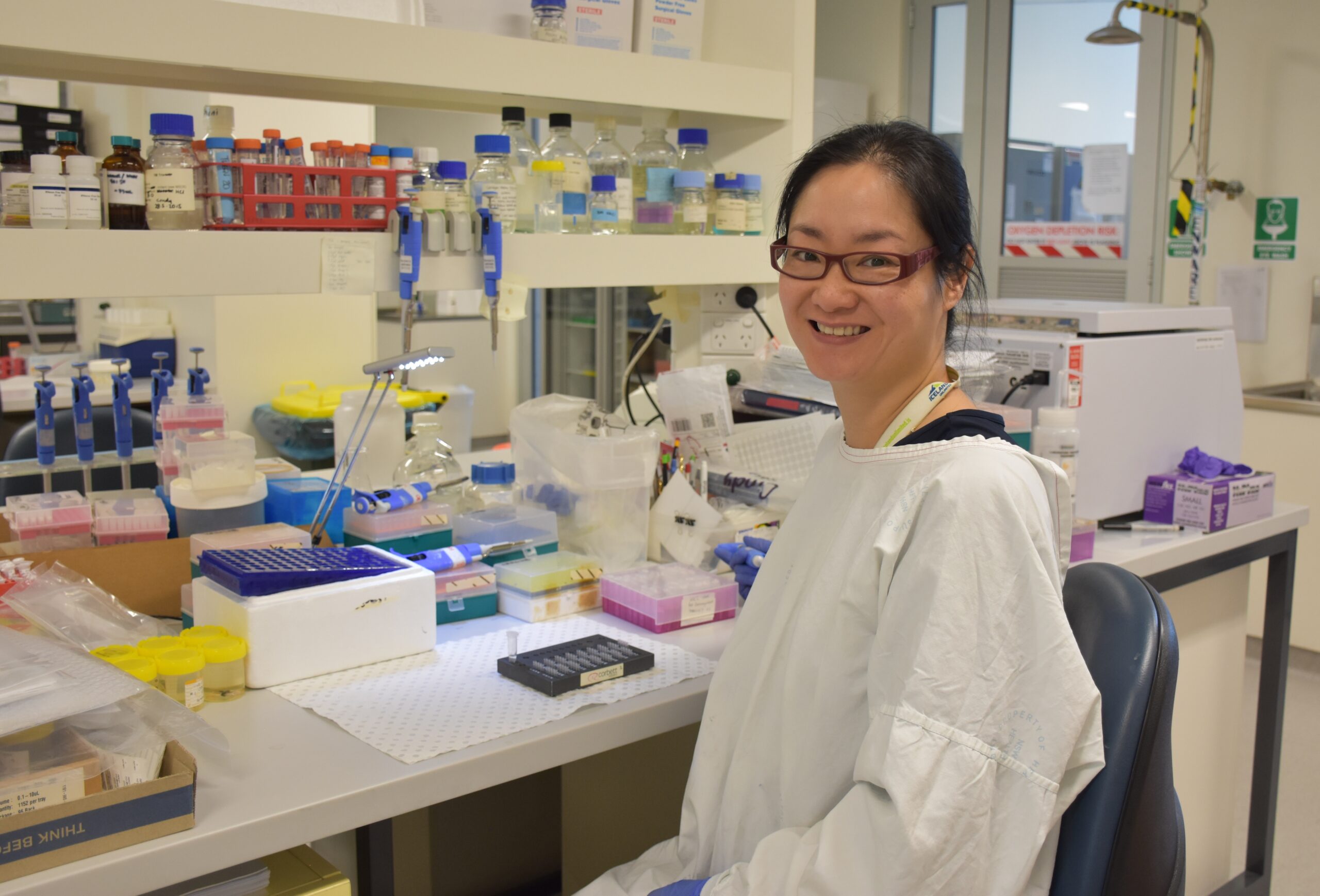
    $100,000 will go towards Dr Cindy Shu to continue her valuable project to better define the link between osteoarthritis and heart disease, and inform improved treatment.

    Nearly 2.5 million Australians currently suffer from osteoarthritis, with the disabling condition contributing to pain and loss of independence, and directly costing the healthcare system at least $3.75 billion.

    There is no cure for the condition, and existing treatments have limited benefits.

    Dr Shu said we believe the impact of this disease goes much further, and is responsible for a two-fold increase in the risk of heart disease.

    “Studies have shown osteoarthritis is an independent risk factor that can’t be explained by the known causes of heart disease like diet, hypertension and lack of exercise,” Dr Shu said.

    “This suggests the current approaches to reducing cardiovascular disease risk through weight loss for instance, won’t effectively alter the risk of heart disease from osteoarthritis.

    “There is an urgent need to better define the pathophysiology of the osteoarthritis-heart disease link, and to identify new, effective treatments.

    “It’s hoped this approach will not only help reduce chronic pain, but the incidence of heart disease and its devastating impact on individuals and the community.

    “We greatly appreciate the significant funds and support from the Raymond E Purves Foundation to allow this crucial research to continue.

    “We hope it will broaden our understanding of this common and painful condition, and its potentially deadly effect,” she said.

  • New investment in innovative approach to osteoarthritis treatment

    New investment in innovative approach to osteoarthritis treatment

    Key research into the treatment of osteoarthritis is set to be strengthened with the Kolling’s Professor David Hunter receiving a large NHMRC investigator grant.

    The highly competitive grant was awarded to the Florance and Cope Chair of Rheumatology for a five-year project to transform treatment options and delivery of care for osteoarthritis.

    Professor Hunter welcomed the grant, saying osteoarthritis is a leading cause of disability in Australia and across the world.

    “Despite the burden of the disease on the community, the current management of the condition is frequently inappropriate and costly. This is despite safe and effective options being available,” he said.

    Professor Hunter will lead a team of more than 20 researchers to conduct a series of studies to improve osteoarthritis treatment programs.

    “Our program of research will enhance the methods for disease modification trials and initiate novel trials to optimise the delivery of care for those with the disease.

    “These research initiatives, which can be directly incorporated into clinical practice, will make inroads into this prevalent and disabling disorder, and I anticipate will have an international impact.

    “The grant is a credit to my wonderful team, the marvellous colleagues I collaborate with and I remain humbled by the opportunity to make a difference for those living with osteoarthritis.”

  • New funding to help reduce Australia’s bowel cancer rates

    New funding to help reduce Australia’s bowel cancer rates

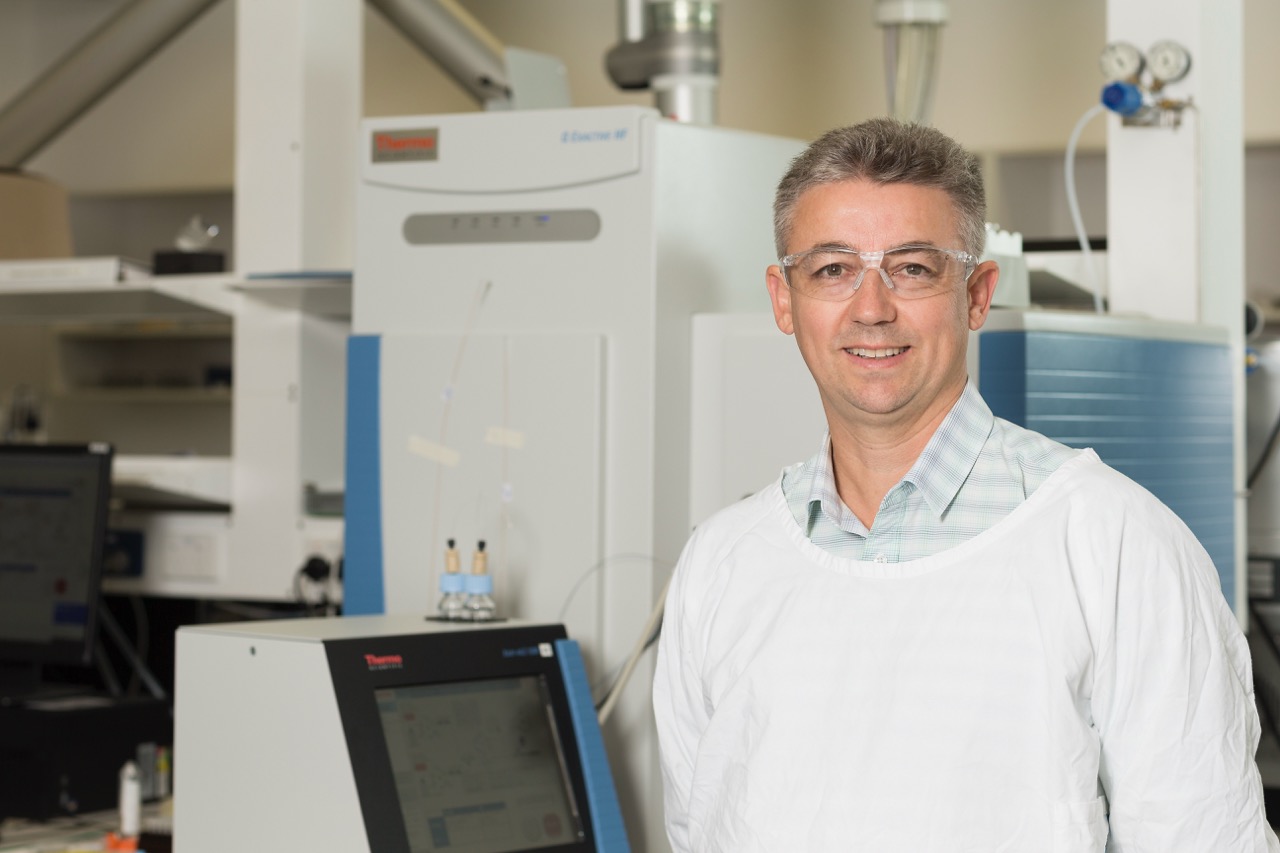
    Professor Mark Molloy’s ground-breaking bowel cancer research has received a boost, with the Cancer Council NSW awarding the Kolling Institute researcher a three-year $450,000 grant.

    Professor Molloy has welcomed the funding, saying bowel cancer claims more lives each year than breast, prostate or skin cancer.

    “It is now Australia’s second biggest cancer killer, with more than 300 Australians diagnosed with the disease each week,” he said.

    “We hope our research will help improve treatments and outcomes for patients, and ultimately save lives.

    “We know that bowel and rectal cancers develop from polyps, and our team is seeking to understand why and how polyps become cancerous.

    “Our research will involve colonoscopy patients at RNSH, and we’ll be using an innovative approach to examine polyps at a molecular level. This will give us a better understanding of how gene mutations, protein expression, immune cells and gut microbes govern the growth of bowel polyps.

    “It will help us develop strategies to slow the growth of polyps or even prevent the growth all together,” Prof Molloy said.

    Colorectal surgeon and co-investigator Professor Alexander Engel said this research has the potential to inform recommendations around the frequency of colonoscopies for low and high-risk patients.

    “We hope it will improve early detection and help prevent bowel polyps growing into cancers, significantly reducing the number of bowel cancer cases in Australia”, he said.

  • Kolling researchers part of elite group in fight against heart disease

    Kolling researchers part of elite group in fight against heart disease

    Two Kolling Institute researchers have welcomed a significant funding boost through a large NSW Government program to help tackle Australia’s number one killer, heart disease.

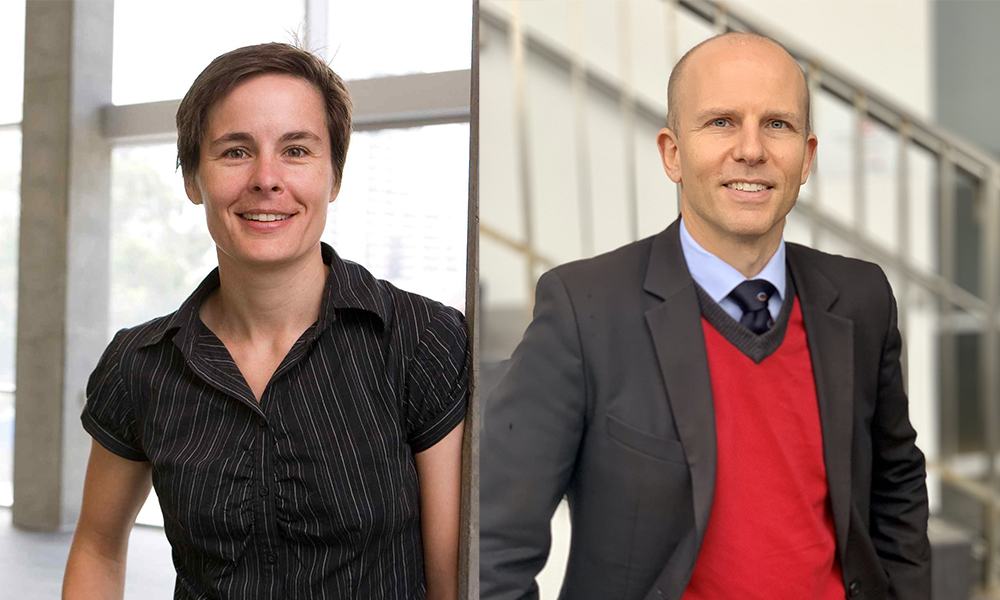
    Professors Gemma Figtree and Martin Ugander have each been awarded a $750,000 grant to encourage researchers to find breakthroughs and help establish NSW as a centre for research excellence.

    The funding is part of a broader program investing $150 million in cardiovascular research over the next 10 years.

    It’s hoped the cash injection will help drive scientific discoveries and develop innovative therapies for cardiovascular disease.

    Professor Figtree, who is an interventional cardiologist at RNSH, will look at the increasing number of people who suffer a heart attack despite not being seen as at risk.

    She plans to identify new mechanisms and biological markers of both coronary artery disease susceptibility and resilience.

    “Cardiovascular disease is our biggest killer of both men and women and it’s not just killing us, it’s dramatically affecting our health and wellbeing.

    “Our goal is to improve the early identification of people with the disease, including those with risk factors and those with only minimal clues. This will greatly help us target preventative strategies,” she said.

    Professor Ugander’s work will focus on MRI technology to diagnose and treat heart failure patients who are difficult to identify and currently lack treatment. This includes those with heart failure due to high blood pressure, diabetes and obesity.

    He will also evaluate new surgical treatment to improve the efficiency of the heart by reducing the size of the left atrium of the heart.

    “Having recently arrived in Australia from Sweden, this funding will be instrumental in building our cardiac MRI research group, and training the next generation of cardiovascular researchers in NSW.

    “The grant will help provide important data on the ability of MRI to accurately identify disease in patients with suspected heart disease,” he said.

NSWGOV logo