Blog

  • High tech project offers hope for Parkinson’s treatment

    High tech project offers hope for Parkinson’s treatment

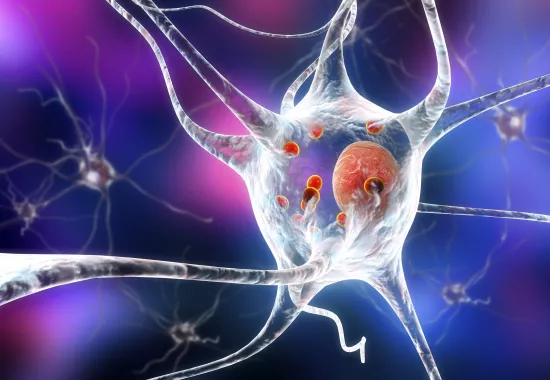
    Kolling researchers are set to lead a ground-breaking project to identify new drug therapies for those with Parkinson’s disease.

    The project has been made possible following Federal Government funding through the National Drug Discovery Centre.

    Senior Kolling researcher Dr Daniel Whiten has welcomed the announcement, saying the funding will help our team translate our scientific progress into an effective treatment for Parkinson’s disease patients.

    “Parkinson’s disease affects approximately one per cent of the population over 65, leading to a continual loss of neurons in the brain, and loss of function,” he said.

    “Currently, we are unable to slow or stop this process with medication, but we have identified a new pathway to restore cellular function in the brain, and this project will help us identify the compounds which can activate this pathway and reduce the impact of Parkinson’s disease.

    “The funding means we will now have access to highly specialised robotic screening at the Walter and Eliza Hall Institute, allowing us to test several hundred thousand compounds in a relatively short amount of time.

    “This approach will give us the best chance of identifying the most effective compounds for new drug therapies.

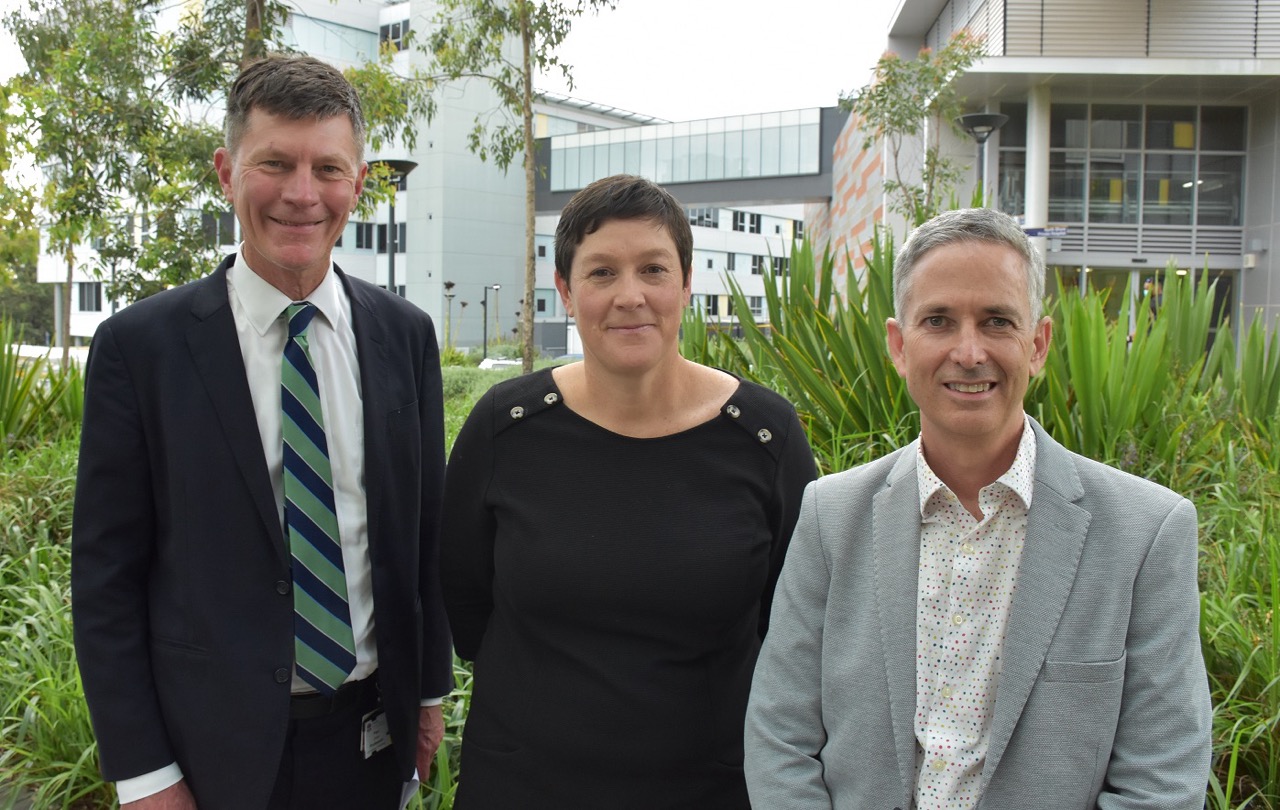
    “I’m looking forward to working with Professor Carolyn Sue, Dr Gautam Wali and Professor Michael Kassiou from the University of Sydney on this exciting project.

    “It is an important step in the development of new treatments for Parkinson’s disease and highlights the translational strength of the Kolling, where we are able to directly transfer our breakthroughs in research into better treatment options for patients and ultimately better health outcomes.”

    Professor Sue said the project was a wonderful opportunity to work collaboratively with the National Drug Discovery Centre team at the Walter and Eliza Hall Institute.

    “This is a tremendously exciting project as it’s investigating new ways to treat Parkinson’s disease,” she said.

    “Currently, all treatments are aimed at reducing the symptoms of the condition. This project however, will look to halt the symptoms and reduce the progression of the disease.”

    The large scale screening campaign will be carried out over the coming months.

  • New funding supports innovative approach to diagnose heart failure

    New funding supports innovative approach to diagnose heart failure

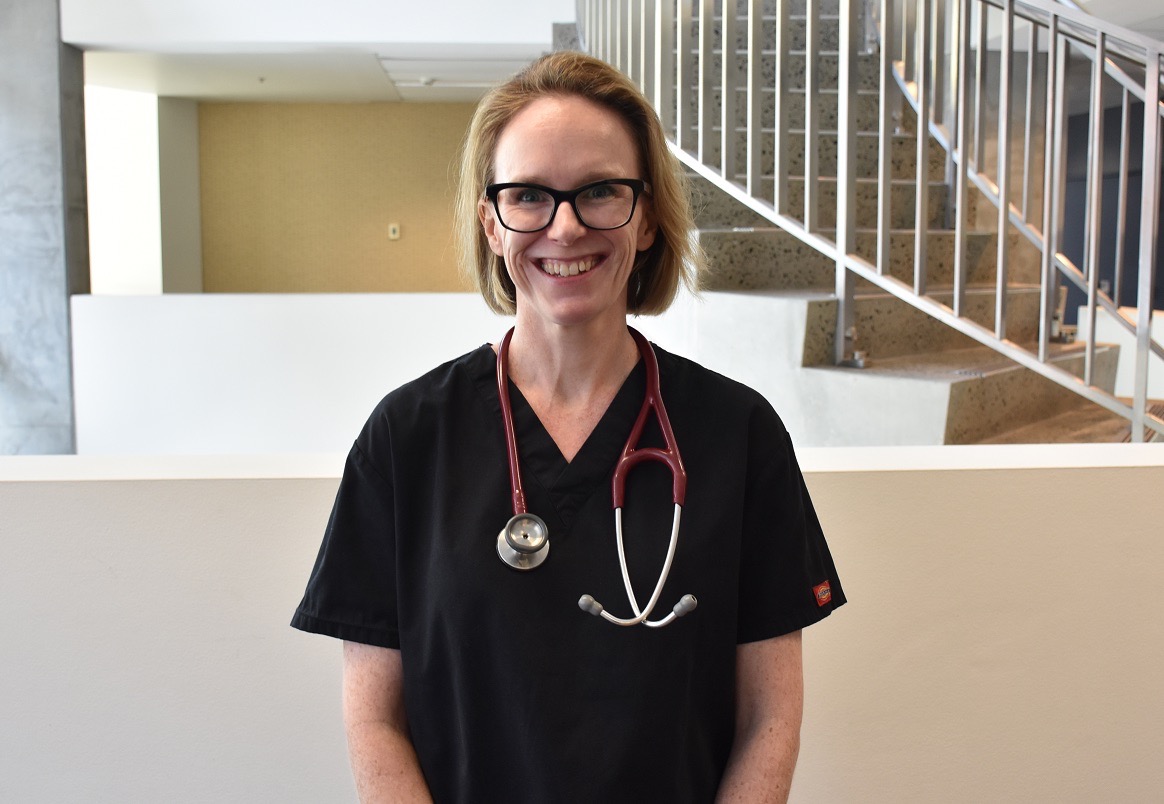
    Kolling researcher and Royal North Shore Hospital cardiologist Dr Rebecca Kozor will lead a world-first study using MRI technology to improve the diagnosis of heart failure.

    The trial has been made possible following a $50,000 Cardiac Society of Australia and New Zealand-Boehringer Ingelheim innovation grant.

    Dr Kozor has welcomed the funding to quantify pulmonary congestion or lung water density in heart failure patients during exercise.

    “Heart failure with preserved ejection fraction is a significant health burden in Australia and worldwide, but it’s also notoriously challenging to diagnose,” Dr Kozor said.

    “Cardiac MRI technology offers a non-invasive way to quantify pulmonary congestion and left ventricular end-diastolic pressure through imaging of water density in the lung tissue.

    “Our trial will be a global first, with patients to operate a reclined bicycle inside the MRI machine to elevate heart rates prior to the MRI scanning of the heart and lung tissue.

    “There’s a real potential to improve the diagnosis of heart failure by measuring lung water density, and identify cases where cardiac dysfunction only presents during exertion.”

    Dr Kozor said that validating this new MRI technique during exercise could provide a valuable way for researchers to accurately and non-invasively study the effects of new interventions and heart failure treatments.

    Cardiac Society of Australia and New Zealand President Professor Clara Chow congratulated Dr Kozor on the insight and imagination shown in her grant submission.

    “Half of all people diagnosed with heart failure die within five years, so research funding is critical to encouraging our best minds to find breakthroughs that benefit patients,” she said.

  • Cancer expertise recognised

    Cancer expertise recognised

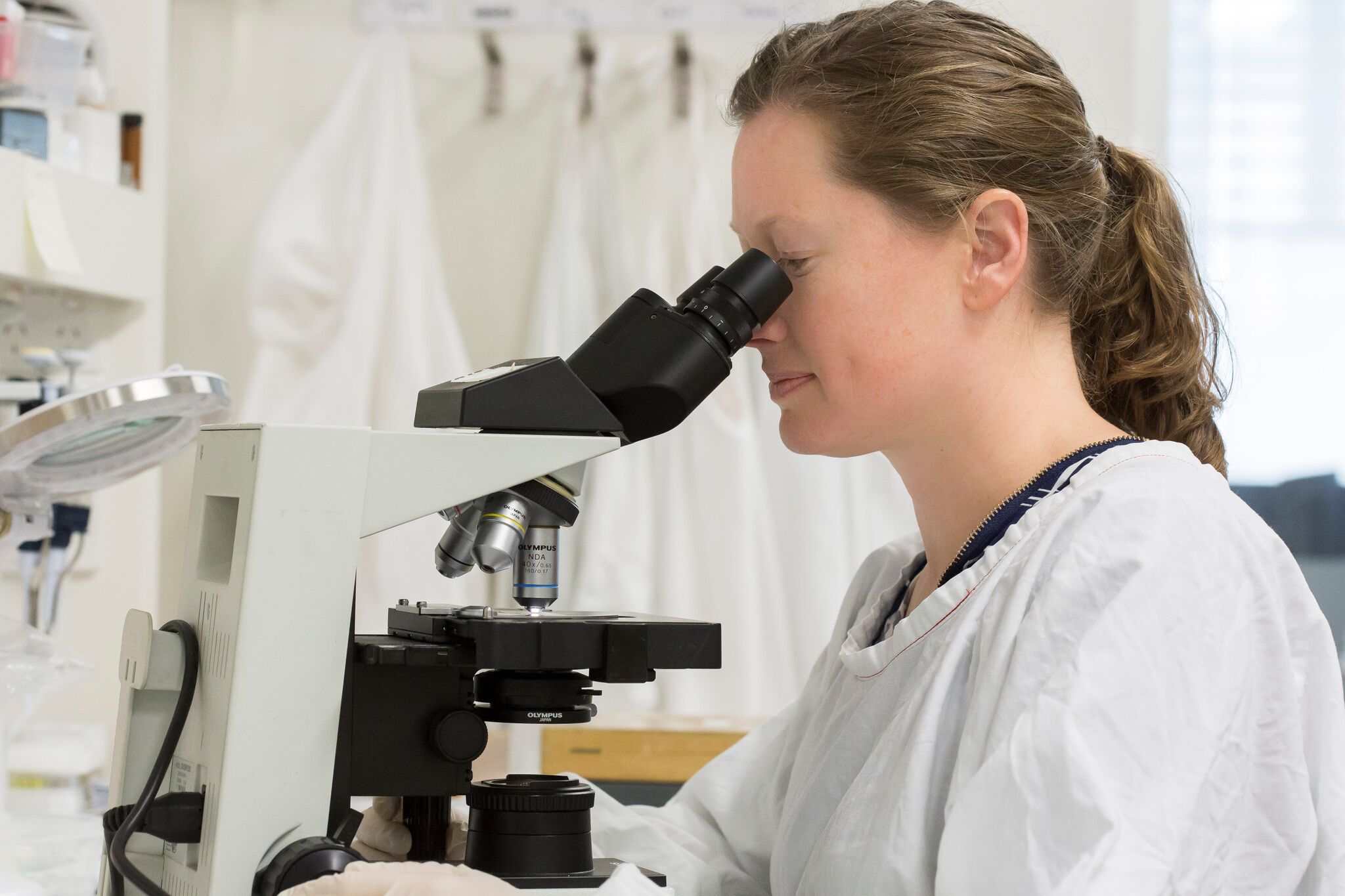
    The Kolling’s Dr Amanda Hudson will lead an exciting pilot study after being awarded an innovation grant by the Mark Hughes Foundation for brain cancer research.

    The Bill Walsh Lab scientist is one of a select group to have received funding from the foundation. Her research will now investigate the early detection of disease progression in brain cancer.

    Dr Hudson said identifying changes in tumour growth early is the key to maintaining the wellbeing of cancer patients.

    “Our project aims to improve the monitoring of patients with brain cancer, so that we can identify if a tumour has begun to grow, even before any symptoms develop,” she said.

    “This would allow ineffective treatments to be stopped, and other treatments that may be able to control the tumour to begin as soon as possible.”

    Currently brain tumours are monitored with imaging or through surgery, but these techniques have limitations.

    This project will use simple blood tests to find factors or protein biomarkers in the blood that change as tumours change.

    “Blood samples will be taken at routine clinical check-ups so that patients don’t need to come to the clinic more than necessary.

    “This will allow us to follow these factors along each patient’s journey with brain cancer.

    We’ll be able to see how the factors change with treatment and over time, and we may be able to predict if the tumour will respond to the treatment.

    “We’ve already identified some protein biomarkers in the tumours that change as the tumours starts to grow. We will now test these in the blood to see if those levels also change.

    “We will also be looking for all of the proteins in blood, which will help predict the behaviour of the tumour.

    “If this project is successful, it will greatly assist the management of patients with brain cancer. “

  • New funding launches exciting project to detect cancer earlier

    New funding launches exciting project to detect cancer earlier

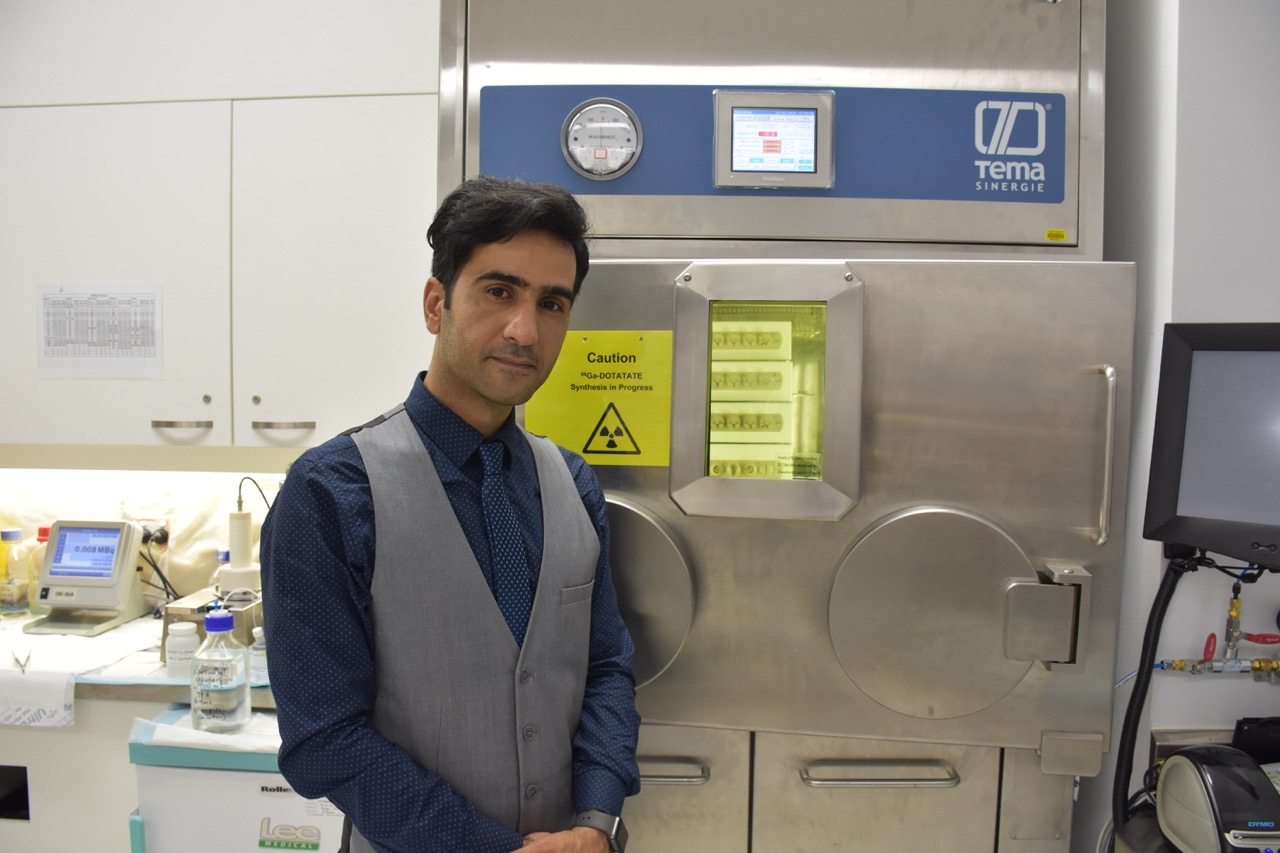
    Congratulations to Kolling cancer researcher and Sydney Vital fellow Dr Yaser Hadi Gholami on being awarded the prestigious 2020 Physics Grand Challenges grant.

    The Grand Challenges project was initiated by the University of Sydney’s School of Physics to drive new discoveries and breakthroughs that will transform the world.

    $250,000 will be directed to Dr Gholami’s innovative research which aims to significantly improve diagnostic techniques for cancer.

    Dr Gholami is thrilled to have received the large, competitive grant.

    “This has been my dream since I started studying physics. I strongly believe this will be the first step towards establishing the field of quantum medicine in the diagnosis of cancer,” he said.

    “Our project will involve fundamental work which I believe will support generations to come in the diagnosis and treatment of a range of cancers.”

    Clinicians currently use MRI or PET scans to detect cancer, but the imaging devices can only detect the cancer at a certain size. There are also some limits with existing blood, urine and tissue testing.

    “Our approach will mean that we can detect cancer at a very early stage, and in many cases, before the cancer has had the chance to spread to other parts of the body. This will be a real game changer.

    “Our technique will be able to detect malignant cells with quantum specificity, meaning that we can detect even a very small number of cancer cells in a liquid biopsy or nano-scale metastases in a solid biopsy sample.

    “Importantly, this will be a large-scale, collaborative project bringing doctors and physicists together to solve one of the community’s biggest health challenges.

    “My multidisciplinary physics team, including medical, nuclear, particle and quantum physicists from the University of Sydney will be working with the nuclear medicine team at Royal North Shore Hospital, including Professor Dale Bailey, and researchers Prof Alexander Engel and Prof Mark Molloy.

    “We also anticipate international collaboration with colleagues at the Harvard Medical School to help translate our research into practical application.”

  • Philanthropic funding brings new hope to those with chronic pain

    Philanthropic funding brings new hope to those with chronic pain

    Some of the nation’s leading pain experts are set to embark on research which they believe will change the way chronic pain is managed.

    The program of research will be carried out by the team from the Pain Management Research Institute after generous funding from the Ernest Heine Family Foundation.

    Located within the Kolling Institute and Royal North Shore Hospital, the Pain Management Research Institute is part of the University of Sydney’s Faculty of Medicine and Health. It is the Ministry of Health’s designated lead site for pain research in NSW.

    Institute Director Professor Paul Glare said more than $2,820,000 will go towards three projects over the next three years through the Pathways to Better Pain Management Program.

    “Chronic pain affects 20 per cent of the population and one third of people over 65,” he said.

    “It is the major cause of disability, costing the Australian economy an estimated $73 billion a year.

    “There is a pressing need to develop better management strategies, so we will be launching three research initiatives, which together have the best chance of improving the lives of those living with chronic pain.”

    The projects include:

    • Research led by Dr Karin Aubrey and Professor Chris Vaughan which aims to uncover new biological mechanisms which produce and maintain chronic pain. This will help to develop safer and more effective medications for chronic pain.
    • Research led by Professor Paul Glare and Dr Claire Ashton-James to develop digital behavioural interventions to help patients alter their attitudes and behaviour in response to pain, and lower the use of potentially harmful opioid medications.
    • Research led by Associate Professor Paul Wrigley to provide better support to people with chronic pain in the community, reducing their need for Emergency Department care.

    Associate Professor Paul Wrigley said his project ED PainPATH represented a unique opportunity to raise awareness of the needs of people with chronic pain and improve access to essential support.

    “With the help of a large hospital and community team from across NSW, a care pathway for people with chronic pain is being assessed,” he said.

    “It will support people to manage distressing chronic pain through a co-ordinated care program, improving health outcomes and reducing costs.

    “Importantly, this initiative could be adopted across the state if it proves successful.”

    Dr Karin Aubrey has welcomed the substantial funding for her research, saying there are currently very few effective medications for ongoing pain.

    “Chronic pain is challenging to treat and there’s a lot we still don’t understand about what happens in the brain when chronic pain develops,” she said.

    “If we can gain a better understanding of how long-term pain changes the brain, we will be in a better position to reduce it.

    “Our research will aim to identify new drug targets that influence chronic pain, and this will help us develop new medicines to effectively treat the pain,” Dr Aubrey said.

    Professor Glare said we are incredibly grateful to the Ernest Heine Family Foundation for this very generous funding, especially at this time with so much economic uncertainty.

    “We anticipate our research will improve the lives of many Australians living with chronic pain, and we are excited to commence this important collection of work.

    “We are confident it will deliver results by identifying new drug targets, reducing the use of opioid medications and improving care across the community.”

  • Kolling researchers to drive exciting new projects following funding success

    Kolling researchers to drive exciting new projects following funding success

    Professor Gemma Figtree has led a successful bid for a Cardiovascular Centre of Excellence, securing $2.5 million in funding from the National Health and Medical Research Council. (NHMRC)

    Around 20 national and international collaborators will be involved in the research, targeting the global heart disease epidemic through new diagnostic techniques and prevention strategies.

    Professor Figtree has welcomed the significant funding, with one Australian suffering a heart attack every 10 minutes, many without prior warning.

    “Our research will investigate what contributes to atherosclerosis beyond the traditional risk factors, and this will broaden our understanding of how to manage patients who suffer a heart attack without any risk factors,” she said.

    “We will look to establish new biomarkers and clinical pathways for detection of atherosclerosis, while the team will also be working to develop secondary prevention strategies.

    “The Centre of Excellence is an exciting step in the battle against heart disease, and demonstrates the increasing co-ordination of cardiovascular research across the country.

    “It also highlights the tremendous expertise we have here within the Kolling and on the Royal North Shore Hospital campus.”

    NHMRC funds will also go towards an innovative project developed by the Kolling’s Executive Director Professor Carolyn Sue to improve access to diagnosis for mitochondrial disease patients.

    “Mitochondrial disease is the most common inherited metabolic condition. It can be diagnosed using whole genome sequencing, but access to testing is currently restricted,” Prof Sue said.

    “Through this project, we will partner with the NSLHD and the NSW Ministry of Health, to develop a unique web-based platform to support the diagnosis of patients with or suspected to have Mitochondrial disease.

    “The platform will assist health professionals including GPs to deliver a precise genetic diagnosis, and importantly, this will inform treatment and family planning.

    “I’m delighted to see this ground-breaking project progress. It represents many years in the planning and promises to deliver significant national and global benefits.

    “We are well placed to achieve results given the clinical and scientific expertise within the hospital and the Kolling’s neurogenetics team.”

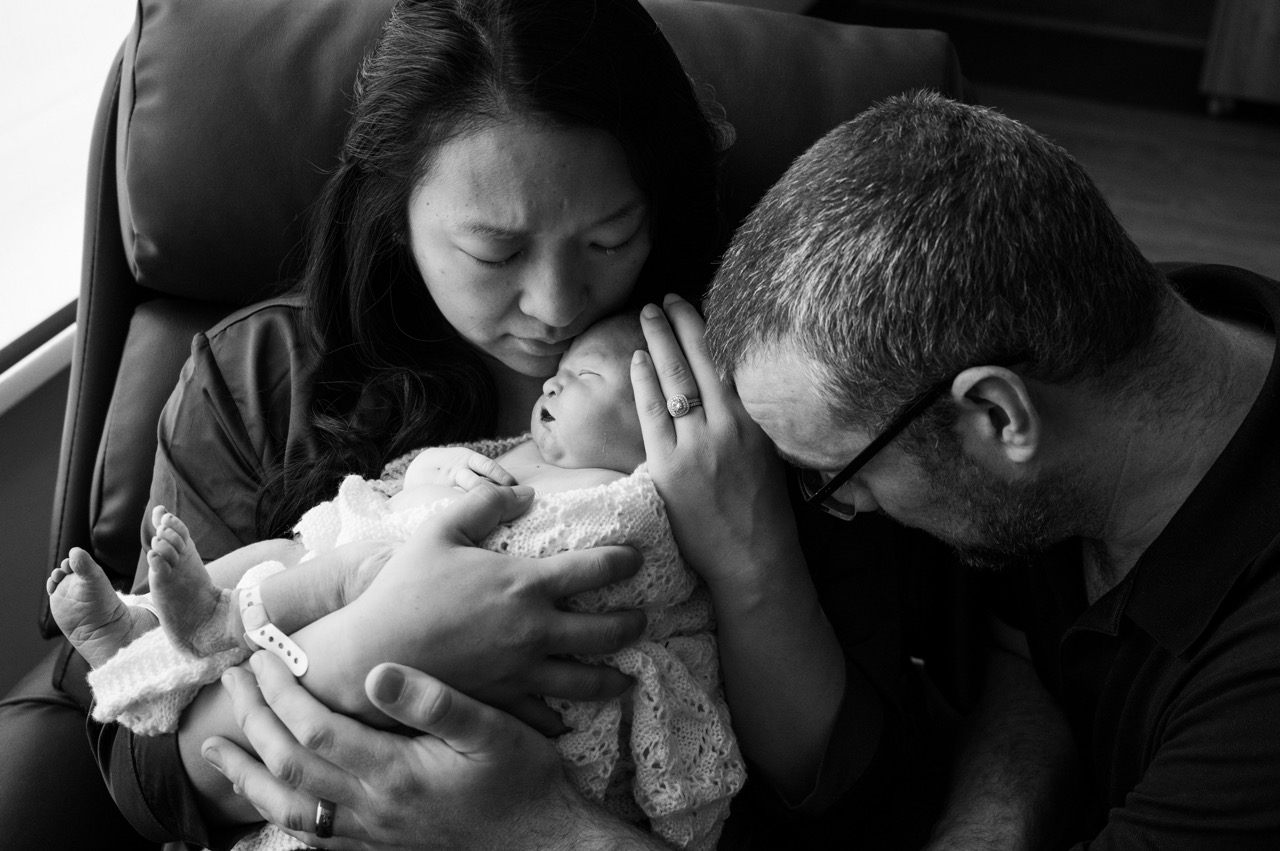
  • Grieving couple contributes to new research into deadly bacteria in pregnancy

    Grieving couple contributes to new research into deadly bacteria in pregnancy

    The Women and Babies Research team is launching a study to look into the presence of bacteria in pregnancy which may be deadly if passed on to infants during birth.

    The research is being funded in part by Victoria and Danny Liston, who tragically lost their daughter at birth due to infection.

    Director of Women and Babies Research Professor Jonathan Morris said Group B Streptococcus (GBS) is the leading cause of sepsis, pneumonia and meningitis in a newborn’s first week of life.

    “Even after extensive preventive screening and treatment of expecting mothers, infectious bacteria can still be passed on to infants during birth.

    “It is possible that other infectious agents may be present in the urine in late pregnancy and no studies have researched this. Our study will identify the presence of bacterial infection in late pregnancy and examine the outcomes for the mother and her baby.

    “Many babies lives could be saved with a breakthrough in this area,” he said.

    Victoria and Danny’s daughter Kiera died shortly after birth from GBS and they have donated to the NORTH Foundation after their experience.

    “We had an uneventful pregnancy and did all the screening and tests with no issues or concerning results, and somehow this still happened,” said Victoria.

    At the routine screening conducted at 36 weeks, Victoria had tested negative. In the minutes that followed Kiera’s birth, doctors noticed her breathing was laboured. Her condition did not improve and ultimately, Kiera succumbed to congenital pneumonia caused by sepsis due to GBS.

    “It didn’t make any sense. It was, and still is, such a shock,” said Danny.

    “There needs to be more protocols and processes around routine GBS testing and an effort to educate parents on what the outcomes mean,” said Victoria.

    “I had a negative test which, with the current protocols, meant that nothing needed to be done. I didn’t realise that a negative test at 36 weeks might still mean I could be a carrier at a later date.

    “We believe there needs to be more research conducted on why we choose 36 weeks as the testing point and if it’s possible to administer a test closer to delivery to discover the potential risk and treat accordingly.”

    If you would like to donate to Women and Babies Research please click here.

  • Kolling researchers join global search for new insights into Parkinson’s disease

    Kolling researchers join global search for new insights into Parkinson’s disease

    Kolling Institute researchers will help drive an exciting international project to identify the genetic links to Parkinson’s disease and new ways to treat the debilitating disorder.

    The program will bring together leading researchers from Sweden, the United States and Australia after a $12.5 million grant from the Aligning Science Across Parkinson’s initiative, which will be administered by the Michael J. Fox Foundation for Parkinson’s Research.

    The Kolling Institute’s Executive Director Professor Carolyn Sue is thrilled to be involved as an investigator, with the degenerative movement disorder impacting more than six million people worldwide.

    “Parkinson’s disease is one of the biggest neurological health challenges this century, affecting an increasing number of people due to our ageing population,” she said.

    Professor Sue, who is also the Director of Neurogenetics at Royal North Shore Hospital, said the project will use state-of-art technologies and a very specialised approach involving gene editing.

    “Our research will investigate three specific genes linked to the disease, including the LRRK2, PARKIN and A-SYNUCLEIN genes.

    “By understanding how genes contribute to Parkinson’s disease, we will be in a better position to identify new therapies that could slow the disease process.

    “Even if we slow the process by a small amount, the impact on patients will be significant.”

    Two members of Professor Sue’s neuroscience research team will also join the three-year project, including Dr Ryan Davis and Dr Gautam Wali.

    “We have world leading expertise in this field and have been selected to take part after a global search for innovative programs to speed-up the search for the next generation of treatments for Parkinson’s.

    “This collaborative project will see our team work with other world leading experts, including Professor Deniz Kirik from Lund University, who will be the lead investigator on the project for the University of Sydney as an Honorary Professor, and Professor Glenda Halliday from the Brain and Mind Centre.

    “Together we will work to unravel some of the fundamental mechanisms that cause Parkinson’s disease and help to develop new ways to treat the disorder.

    “The program illustrates the importance of our translational research at the Kolling Institute, where we can directly incorporate scientific breakthroughs to improve clinical care for our patients.

    “It also highlights the significance of a collaborative approach, where we can harness the strengths and expertise from multiple institutions, including the Northern Sydney Local Health District and the University of Sydney to accelerate our research progress.”

  • New funding for key spinal injury research

    New funding for key spinal injury research

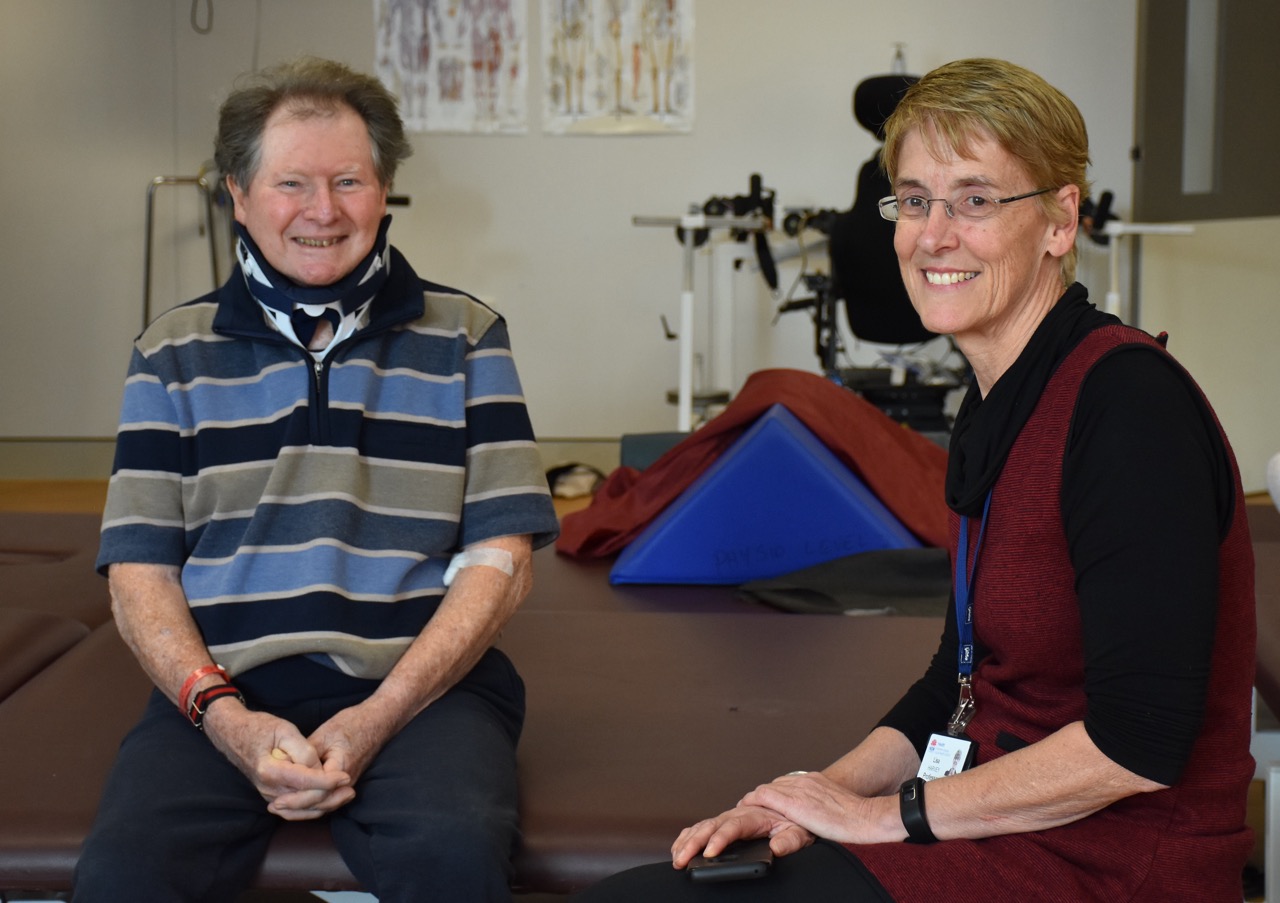
    An Australia wide trial is set to get underway with hopes it may lead to life-long improvements for those who experience a spinal cord injury.

    Led by Professor Lisa Harvey from the Kolling Institute’s John Walsh Centre for Rehabilitation Research, the study represents a collaboration between the University of Sydney and every spinal injury unit in Australia.

    The State Government is investing $2.5 million in the project, with the University of Sydney contributing $500,000.

    Professor Harvey said researchers will assess the effectiveness of early and intensive physiotherapy on neurological recovery and function in people with a recent injury.

    “The type of physiotherapy we are looking at will be directed below the level of the injury to take advantage of the plasticity of the spinal cord, and its ability to self-repair soon after injury,” she said.

    “The treatment will aim to help partially paralysed muscles work again through a range of specific exercises, including walking on a treadmill with overhead suspension and electrical stimulation.

    “It’s hoped the trial will provide evidence of the effectiveness of this intervention and its potential to make an immediate and life-long difference to people with a spinal cord injury.

    “Once we have that evidence, this approach could be incorporated into clinical practice and rolled out on a large-scale across Australia.

    “We’re very hopeful the treatment will lead to better outcomes for those with a spinal cord injury, improving their ability to live independently, and participate in work and leisure.”

    Nervous system control to improve outcomes

    The Spinal Cord Injury Research Grants program is also investing $2.5 million in a world-first trial, led by Professors Ashley Craig and James Middleton from the John Walsh Centre and researchers from the University of Sydney, Macquarie University, UNSW and the University of British Columbia.

    Professor Craig said spinal cord injuries can lead to significant problems such as highly unstable blood pressure and dysfunctional nervous system control. These can in turn cause sleep disorders, confusion and depression, and in some cases, sudden death.

    “This research will focus on an approach to restore nervous system function, by encouraging those with spinal cord injuries to self-regulate their autonomic nervous system activity,” he said.

    “Your nervous system is absolutely crucial for a healthy life, influencing almost every body and brain function, including blood pressure, heart rate, breathing and sleep.

    “The trial will focus on teaching those with spinal cord injuries to control their brain and heart function by observing feedback on a computer screen.

    “We are confident this innovative therapy will be successful, increasing life expectancy and quality of life, including improved vitality, sleep and mental health.”.

    High tech approach may hold key to progress for those with specific injury

    Prof Craig will join Profs Jim Elliott and James Middleton on a project to develop virtual reality technology to assist those with incomplete spinal cord injuries to improve their sense of touch and feeling.

    The project follows a recent breakthrough which found 50 per cent of people with complete spinal cord injuries still had preserved nerve fibres. This meant that even though they couldn’t feel when someone touched their toe, their brain was still receiving the message.

    With this new understanding, the study will develop virtual reality technology to enhance surviving spinal nerve fibres and touch signals in the brain, to help restore touch perception.

    Prof Elliott said this project brings together front-line innovation in scientific understanding of neurological changes with spinal cord injuries, and cutting-edge clinical applications of virtual reality.

    “We didn’t believe these improvements were possible a year ago, so we expect this new approach will represent a significant step forward in spinal injury rehabilitation,” he said.

  • Support for innovative research

    Support for innovative research

    Three valuable research projects have received a boost with the Hillcrest Foundation donating significant funds through the Perpetual IMPACT Philanthropy Program.

    The Cancer Genetics team received $75,000 to help uncover genetic drivers for rare neuroendocrine tumours.

    Investigator Dr Trish Dwight said these tumours, known as pheochromocytomas and paragangliomas affect a small percentage of the population, but can have a devastating impact, including a lower quality of life.

    “The management of patients and their families is highly dependent on genetic testing, and while we know which genetic drivers influence about 70 per cent of these cases, we don’t know the genetic factors in about 30 per cent of cases,” Dr Dwight said.

    “This much-needed funding will help us identify those markers and deliver far reaching benefits for patients and their families.”

    $75,000 will also go towards osteoarthritis research aimed at improving treatments for the currently incurable disease.

    Osteoarthritis is the number one cause of chronic pain worldwide, with 25 per cent of patients unable to carry out activities of daily life.

    Professor Chris Little from the Raymond Purves Bone and Joint Research Lab said osteoarthritis is often incorrectly seen as an inevitable consequence of the wear and tear of aging.

    “We know this is not the case, and like any other disease, osteoarthritis is an active biological process,” he said.

    “The more we learn about the cellular and molecular processes that cause joint breakdown and pain, the more we’ll be able to identify potential treatments to halt or even reverse the impact of this condition.

    “The generous funding from the Hillcrest Foundation will support our vital pre-clinical discovery research, a crucial step in the development of new treatments.”

    Professor Carol Pollock has received funding for her project to help reduce kidney fibrosis.

    “This research aims to identify new targets in the structure of the kidney that promote kidney scarring,” Professor Pollock said.

    “We will then aim with our partners to develop treatments to limit the development of kidney disease.

    “One in ten people in Australia have signs of kidney disease, and yet 90 per cent of those are unaware of its presence or devastating impact.

    “End stage kidney disease costs Australia more than $12 billion each year, a significant financial burden.

    “Our research could have wide reaching benefits for individuals and the broader community, and we thank the Hillcrest Foundation for their support of this important work.”  

NSWGOV logo