Blog

  • Grant success for our innovative ideas

    Grant success for our innovative ideas

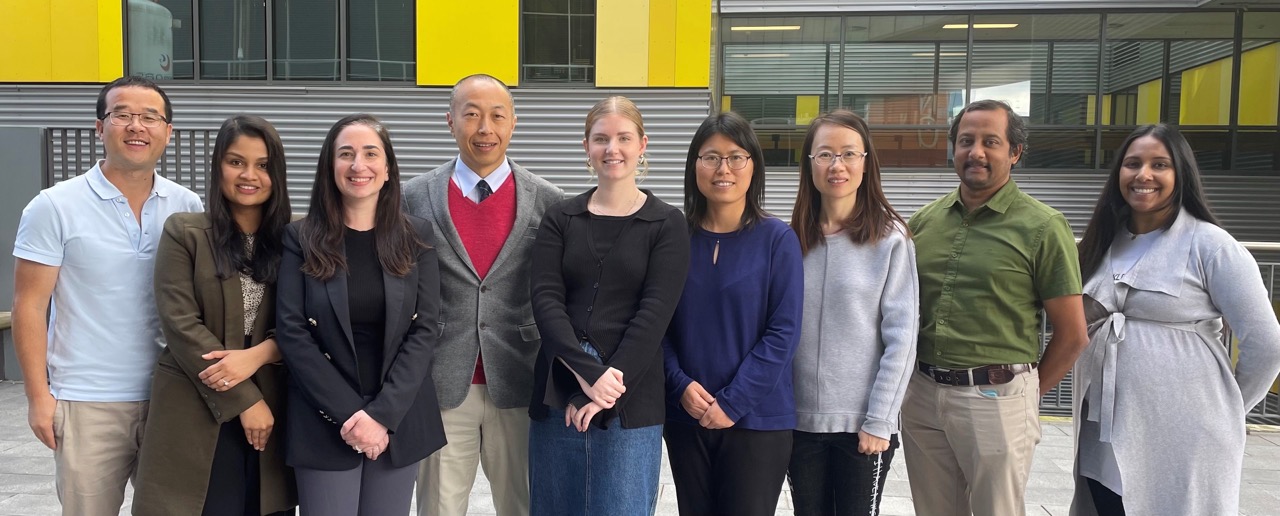
    We’re thrilled to congratulate a collection of our Kolling Institute researchers who have won highly-competitive National Health and Medical Research Council grants for innovative investigations.

    Professor Chris Little has been awarded close to a million dollars for his Ideas grant “Getting to the Heart of Osteoarthritis”, which hopes to reduce osteoarthritis associated cardiovascular disease risk.

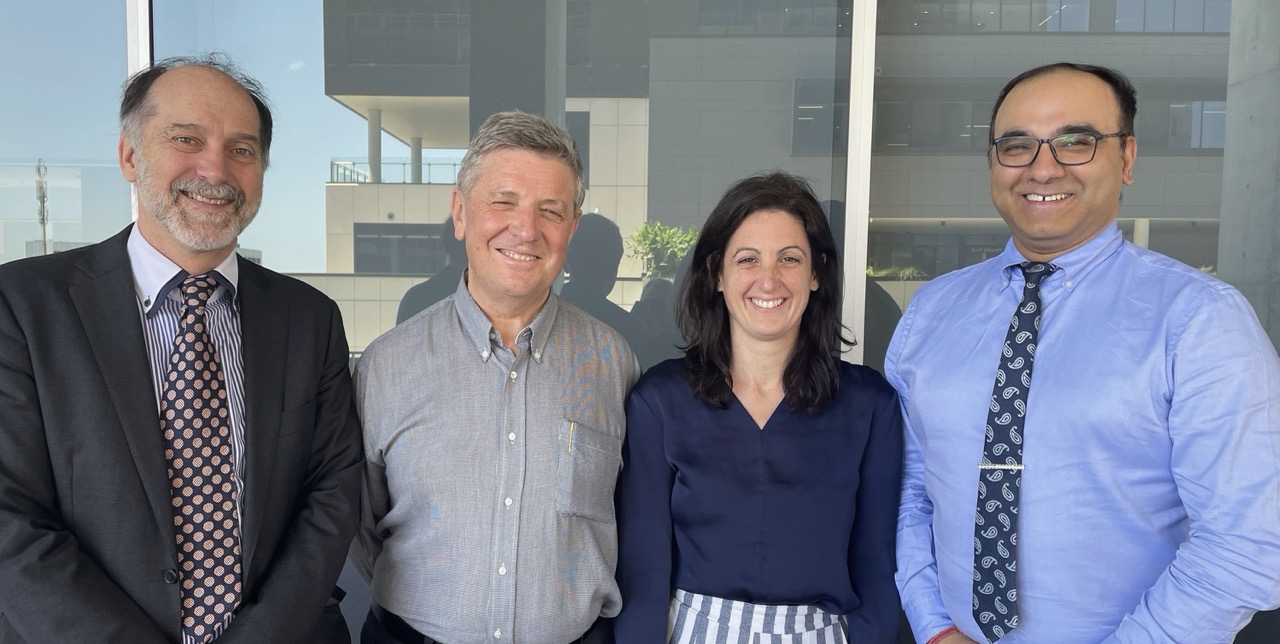
    Professor Little and Dr Cindy Shu from the Raymond Purves Bone and Joint Research Lab will collaborate on the novel study with Kolling heart disease researcher Dr Anastasia Mihailidou and Professor Anthony Ashton from the Lankenau Institute for Medical Research in the USA.

    We’d also like to congratulate musculoskeletal researcher Dr Jillian Eyles who has received a prestigious $660,000 Investigator grant to develop strategies to promote best-practice for osteoarthritis care.

    The significant grants reflect the expertise of our Kolling Institute researchers in musculoskeletal and heart disease, and recognise their consistent research impact and influence.

  • New grant announced for up-and-coming Kolling Institute researcher

    New grant announced for up-and-coming Kolling Institute researcher

    One of our impressive researchers has taken out a prestigious national award to broaden treatment options for diabetes.

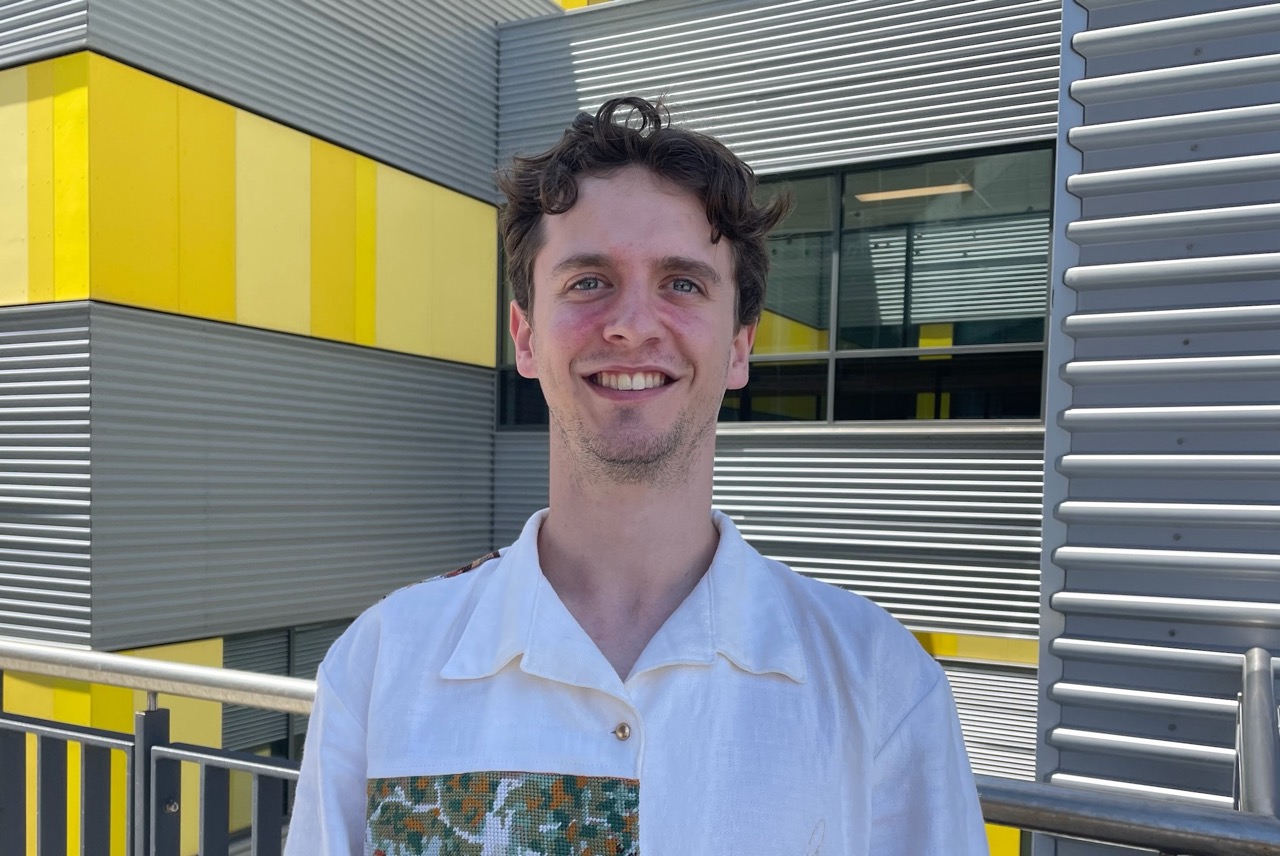
    Despite tough competition, Cameron Evans from the Cardiovascular Discovery Group has been awarded the 2024 Australian Centre for Accelerating Diabetes Innovation (ACADI) PhD grant.

    The funding means Cameron will be able to progress his research investigating the use of a new medication for diabetic foot ulcers and peripheral arterial disease.

    Mirabegron is currently used to treat overactive bladder syndrome, but this research will help determine if it could be a suitable option for diabetic foot ulcers and vascular disease, where dysfunctional blood vessels reduce oxygen and nutrients in the tissue, and cause chronic wounds.

    “Our use of Mirabegron works by improving blood flow to the lower limbs and increasing levels of nitric oxide, one of the body’s natural antioxidants,” Cameron said.

    “This will help blood vessels and diabetic tissue function normally and heal ulcers.

    “Current treatments include a cocktail of medications or vascular surgery which are invasive, costly and risky.

    “So we hope our research will confirm if Mirabegron will reduce amputation, improve quality of life and increase life expectancy.”

    Diabetes is continuing to escalate globally, with around 650 million people likely to have the disease by 2040.

    “It’s anticipated, one in five of those with diabetes is likely to develop an ulcer, so we could potentially be helping more than 130 million people with our research.

    “I am tremendously grateful for the ACADI PhD grant, which will greatly boost our project.

    “Working weekends and researching five days is a tough slog, so receiving this grant is an incredible help.

    “It’s a weight off my shoulders, and will give me dedicated time to progress our valuable investigations.”

  • Kolling researchers to inform best care for those with a spinal cord injury

    Kolling researchers to inform best care for those with a spinal cord injury

    The expertise of our rehabilitation researchers at the Kolling Institute has been recognised with a prestigious international competitive grant to investigate the impact length of stay has on rehabilitation outcomes following a spinal cord injury.

    The National Institute of Health in the US has awarded more than $9 million to the overall project, with more than $750,000 coming to Australia.

    The five-year research project will investigate the impact of length of stay for rehabilitation programs in different countries including the USA, UK, Netherlands, Australia, Brazil and Canada.

    It will assess international approaches to the management of these challenging injuries and associated rehabilitation programs.

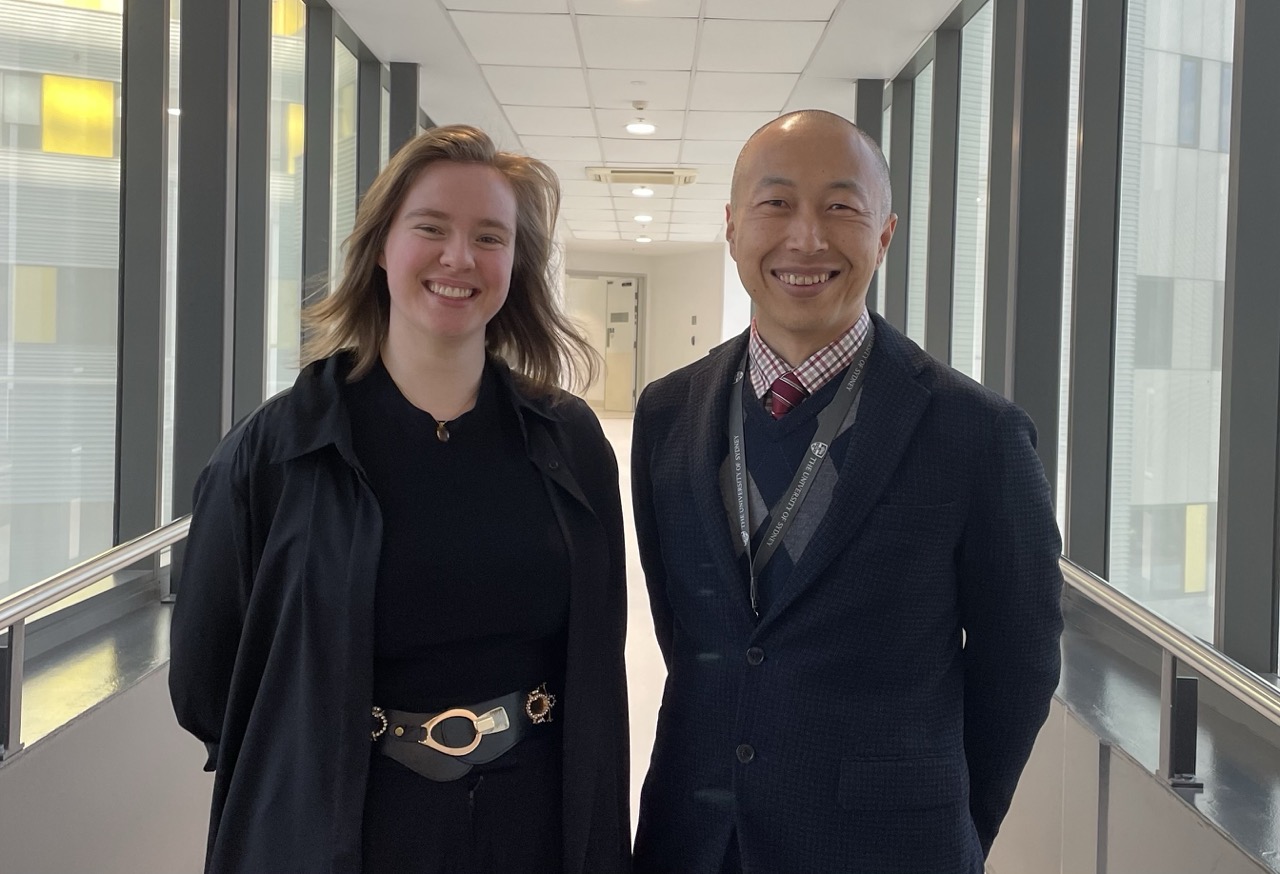
    Professor Ashley Craig from the John Walsh Centre for Rehabilitation Research has been appointed the chief investigator lead in Australia, with support from colleagues Dr Ilaria Pozzato, Dr Mohit Arora and Professor James Middleton.

    Australian researchers will assist the chief lead in the USA Dr Allen Heinemann, Professor of Physical Medicine and Rehabilitation, Emergency Medicine and Medical Social Sciences at Feinberg School of Medicine, Northwestern University, Chicago.

    Professor Craig has welcomed this prestigious grant delivered through the National Institute on Disability, Independent Living and Rehabilitation Research scheme.

    “This is a very significant international collaborative grant win and I believe the first National Institute of Heath grant won by the John Walsh Centre for Rehabilitation Research,” he said.

    “It is wonderful to be working with colleagues in Australia and internationally to progress our research to determine the best care for those with a spinal cord injury, and to ensure that everyone who experiences this type of injury, can access the very latest evidenced-based care and support.”

    Spinal cord injuries often have a catastrophic impact, affecting multiple bodily systems and functions. In addition to sensory and motor loss, there is a high chance of secondary conditions including chronic pain, diabetes, cardiovascular and respiratory problems, as well as cognitive impairment and mental health challenges.

    Spinal cord injuries can also lead to reduced social autonomy, difficulties gaining and sustaining employment, weight gain and sleep disturbance.

    Professor Craig said given these complications, it’s crucial patients have access to an evidenced-based, multidisciplinary intensive rehabilitation program.

    “We know that currently there’s a big difference in the length of time patients spend in rehabilitation programs in NSW and around the world,” he said.

    “COVID has also negatively impacted the length of stay in rehabilitation.

    “There is an urgent need to investigate the impact that a short length of stay, say three of four weeks has compared with a longer stay, of up to 12 weeks.

    “We are pleased to be part of this large-scale, international project to determine the optimum length of stay, and deliver the best long-term health outcomes.” 

  • Philanthropy supporting our emerging leaders

    Philanthropy supporting our emerging leaders

    Funding from the Skipper Jacobs Charitable Trust has helped a group of our young research leaders broaden their experience and establish new collaborations.

    Close to $40,000 was shared amongst five early-to-mid career researchers, allowing them to travel nationally and internationally to progress their research and develop new skills.

    One of those to receive funding is Dr Kenji Fujita, an early-career pharmacist with a PhD working in the Ageing and Pharmacology Research Group at the Kolling Institute.

    Kenji helped develop techniques to calculate the frailty index in older hospitalised patients, while also leading research into the quality of pharmaceutical care.

    During his trip he led a three-day workshop in Denmark, visited collaborators in Norway and delivered a presentation in Japan, a country with the highest proportion of older adults in the world.

    “It was a great opportunity to build international collaborations and promote our translational research at the Kolling. I really appreciate this travel grant,” he said.

    Another researcher to benefit from the travel grant was Samantha Hefferan from the Murray Maxwell Biomechanics Laboratory.

    Sam visited the University of Auckland, where she was able to use the lab’s high-tech imaging methods to explore the ultrastructure of human tendons, and the impact of disease and injury.

    “I valued every moment of my three months in New Zealand. I was challenged every step of the way with both my research and living in an unfamiliar environment,” she said.

    “I gained a lot during my time, not only learning new technical skills but also understanding more about the complexity of independently planning and developing tailored protocols for my research questions.”

    “On top of strengthening our collaboration with research groups at the University of Auckland, I now have the knowledge-base to bring the practical components of planned collaborative projects closer to home for future research students at the Kolling Institute.”

    Academic Director Professor Jim Elliott thanked the Skipper family for their financial backing of the trust, as well as the NORTH Foundation for their support of the travel program.

    “It has been instrumental in helping individual researchers, raising the international profile of the Kolling Institute and contributing to crucial research progress.”

    If you would like to support our researchers, please donate through the NORTH Foundation

  • Significant investment in our research announced

    Significant investment in our research announced

    A large collection of research projects will get off the ground following generous funding through the Ramsay Research and Teaching Fund Scheme.

    The scheme has directed more than $10 million to research on the Royal North Shore Hospital campus over the last 20 years, and this year a further $850,000 will be shared across 17 projects.

    A diverse range of studies will be supported, strengthening investigations into cardiovascular disease, cancer and diabetes as well as osteoarthritis, neonatal care, thyroid function and physiotherapy programs.

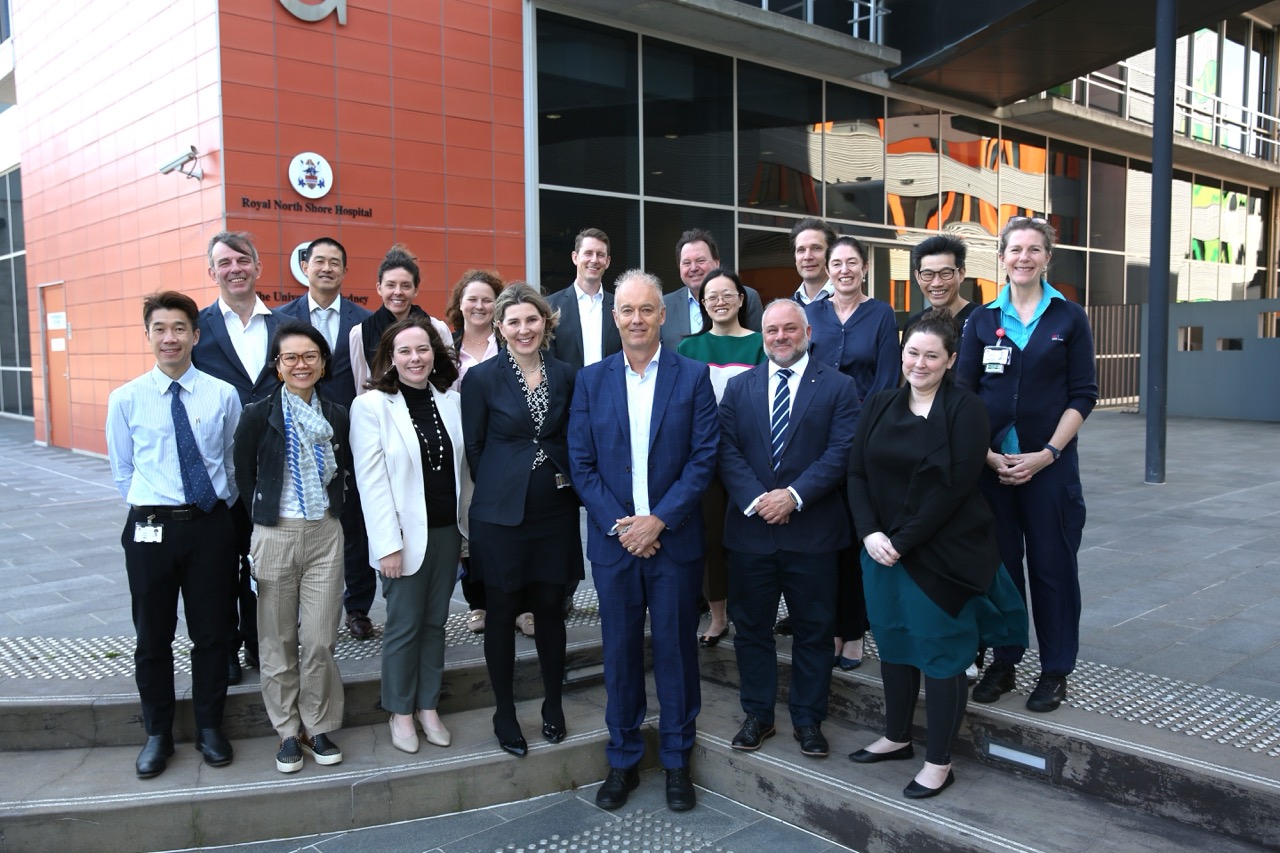
    The successful recipients this year are:

    • Professor Dale Bailey
    • Professor Roderick Clifton-Bligh
    • Professor Gemma Figtree
    • Professor David Hunter
    • Associate Professor Sarah Glastras
    • Associate Professor Joanne Glinsky
    • Associate Professor Karl Ng
    • Associate Professor Sean Seeho
    • Dr Sally Baron-Hay
    • Dr Grace Gifford
    • Dr Matti Gild
    • Dr Pierre Janin
    • Dr Barbara Lucas
    • Dr Sharon McCracken
    • Dr Lauren Monds
    • Dr Leo Pang
    • Dr Kathy Willowson     

    NSLHD CE Adjunct Professor Anthony Schembri AM welcomed the investment saying it will help the district maintain its reputation as a hub of research excellence and high value care.

    “We know that districts with an active research culture, where research is embedded as part of clinical care have a higher patient experience, less errors and better health outcomes,” he said.

    “I look forward to following the progress of these projects, as well as their impact on lifting our standard of care and our understanding of a broad range of conditions.

    “Personally, as a fellow allied health worker, it’s great to see our allied health practitioners being recognised with these important research grants.”

    The recipients were congratulated by North Shore Private, Ramsay Healthcare Acting CEO Christian Hoengaard, who said the grants represented a tremendous investment.

    “We look forward to all the good outcomes that will flow as a result of this research and I’m sure it will help us continue to deliver world leading care,” he said.

    “We have a long history of collaboration and I look forward to building on that partnership for another two decades.” 

  • Crucial funds strengthening our research expertise

    Crucial funds strengthening our research expertise

    A group of researchers will have the chance to broaden their skills and establish new collaborations following a funding boost from the Royal North Shore Hospital Scientific Staff Council.

    The council has awarded 12 travel grants to scientists working within the district and the Kolling Institute.

    The diverse group of leaders is driving research progress into heart and kidney disease, cancer, musculoskeletal conditions and the quality use of medicines. Their investigations are helping to establish a better understanding of disease and improved models of care.

    RNSH Scientific Staff Council Chair Dr Sumit Sahni said more than $25,000 will be shared amongst the group to allow them to present their research at national and international conferences.

    “I would like to congratulate this impressive group. They are all developing their research expertise and increasing their impact in their individual areas, ultimately improving the care we provide,” he said.

    The successful recipients include cancer researchers Drs Bharat Venkatesh and Nunki Hassan, musculoskeletal investigators Drs Joanne Glinsky and Xiaoqian Liu, and scientists improving the use of medications Drs Lisa Kouladjian, Kenji Fujita and Nashwa Masnoon.

    Funding has also gone to kidney disease researchers Dr Ji Bian, Dr Qinghua Cao and Amanda Purcell, and two cardiology researchers Drs Jonathan Ciofani and Sina Fathieh.

    Dr Sahni said the travel awards program has been supported for many years by Ramsay Heathcare and he would like to thank them for their continued investment in our research. 

  • Technology giving our researchers the edge

    Technology giving our researchers the edge

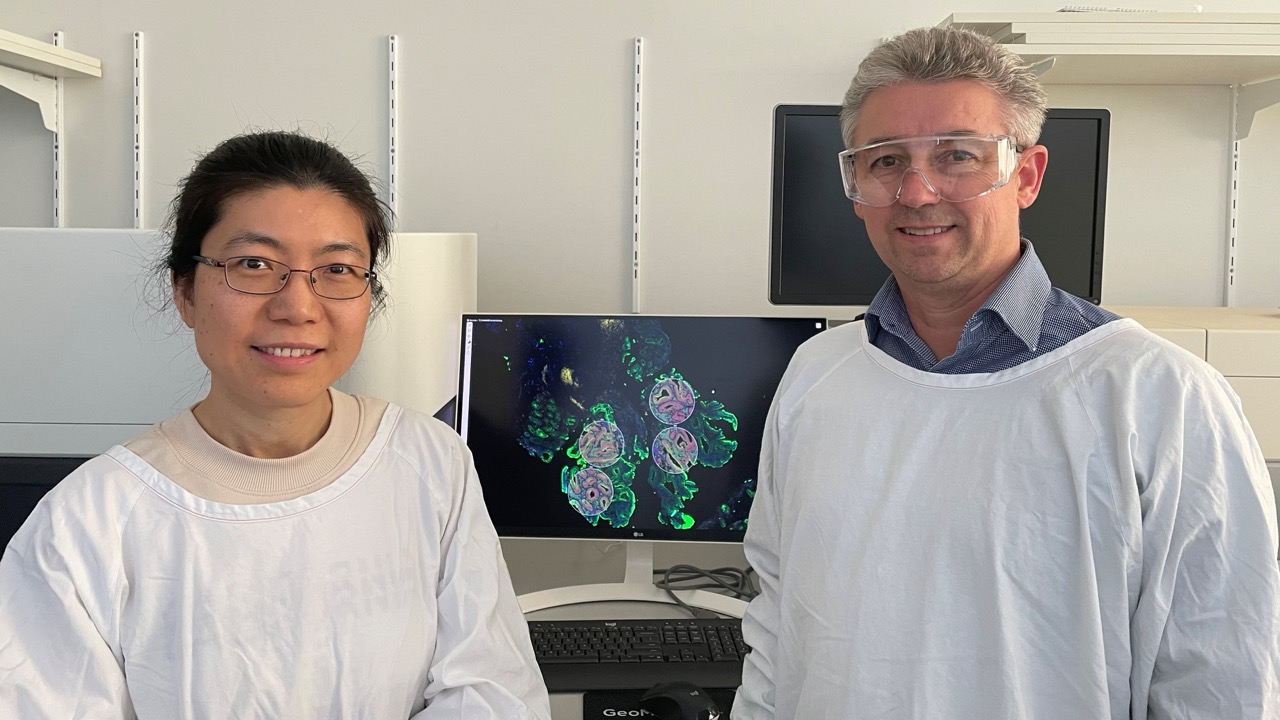
    Impressive new infrastructure at the Kolling Institute is set to drive progress with our research into cancer and neuroscience.

    The equipment includes a digital spatial profiling system, which is regarded as one of the most exciting technological advances globally in the investigation of tissues.

    The $525,000 instrument has been made possible following a LIEF grant through the Australian Research Council to Professor Mark Molloy. Co-funding was provided by the University of Sydney and Macquarie University.

    A new laser capture microscope has been installed at a cost of $250,000. This microscope allows researchers to capture specific tissue regions for sequencing and analysis. It was funded by the Ian Potter Foundation, the Kolling and the University of Sydney.

    Professor Mark Molloy, Lawrence Penn Chair of Bowel Cancer Research has welcomed the new technology, saying it will allow researchers to profile gene and protein expression in specific cells of complex tissues such as tumours, brain tissue, liver and kidney cells.

    “This will in turn, provide valuable new information about how cells function in disease and health,” he said.

    “It’s wonderful to have this equipment which will help us understand how disease develops.

    “It will also help us identify new biomarkers indicating which patients are likely to respond to some treatments.

    “This is important as we continue to see a rise in the number people diagnosed with some cancers.

    “For example, we are seeing an increase in those under 50 with early onset colorectal cancer, and by 2030, we expect one in 10 cases will be under 50 years old.

    “This is a concerning trend, with no clear explanation for the rise in these cases.

    “A decade ago there was little attention given to this condition, but we now have evidence of increased diagnosis in young people, who sadly, often present with aggressive, advanced disease where treatment options are more limited.

    “Colorectal cancer is certainly no longer only a disease of the aged.”

    Bowel cancer research fellow Dr Jun Li has welcomed the opportunity to utilise the new equipment.

    “It’s encouraging to have access to these new platforms as it’s allowing us to do research that we simply couldn’t do before,” she said.

    “This we hope, will lead to a greater understanding of disease, prevention and improved treatment options.”

    The equipment is open to all researchers at NSLHD and the University of Sydney through the core research facilities model.  

  • Act of generosity continues to deliver hope for those with cancer

    Act of generosity continues to deliver hope for those with cancer

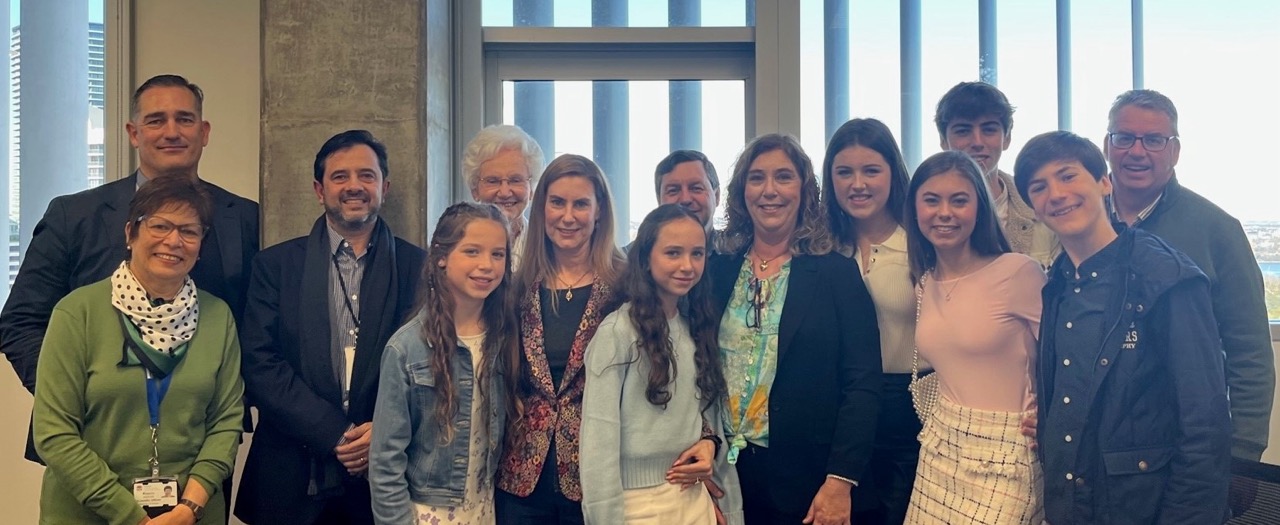
    The Kolling Institute hosted a special visit by the family of the late Bill Walsh who donated vital funds to establish a cancer laboratory within the Kolling.

    His family, including his wife, daughters and grandchildren visited the lab to maintain their strong ties with the research team and meet with Academic Director Professor Jim Elliott.

    Established in 1980, the Bill Walsh Cancer Research Laboratory now has more than 20 members driving progress in pancreatic, lung, ovarian, Mesothelioma, brain and breast cancer research.

    The team is at the forefront of discovery, respected for its contribution to our understanding of specific cancers and improvements in care.

    Professor Elliott said the visit by Bill Walsh’s family provided the chance to highlight the impressive team and the state of the art facilities.

    “It also gave us the opportunity to remember Bill Walsh’s extraordinary efforts raising funds for research and those experiencing cancer,” he said.

    Bill Walsh was diagnosed with terminal cancer in 1975 and was one of the first people to be treated with chemotherapy at Royal North Shore Hospital.

    During his treatment, he discovered that funds for cancer research at the hospital were very low.

    He was frustrated with the lack of hope for those with cancer and wanted his two young children to have a better chance of survival if they developed cancer later in their lives.

    Determined to raise money for a cancer research unit, he organised the Bill Walsh Art Union, where he raised almost $500,000.

    It was the most successful art union to date and the largest single donation to the hospital at the time. In 1978, he was awarded the British Empire Medal for services to the community.

    Bill Walsh died in 1979 and didn’t see the realisation of his dream, the Bill Walsh Cancer Research Laboratory which had been made possible as a result of his efforts.

    Professor Elliott said Bill was an inspiration and one of the great pioneers of fundraising for cancer research.

    “His courage in the face of adversity led to hope for many people with cancer.

    “I would like to thank Bill Walsh’s family for taking the time to visit the Kolling and the cancer research lab, and I’d like to encourage other families to consider supporting our crucial translational research.”

    Royal North Shore Hospital Director of Oncology and cancer specialist Professor Nick Pavlakis also thanked Bill Walsh’s family, saying Bill’s contribution has had lasting benefits.

    “The Bill Walsh lab has been an important asset not just in integrating the Royal North Shore Hospital clinical teams with lab based research activity, but in introducing many young cancer specialists to lab and translational research, which has put many on the path of ongoing cancer research careers.”

    If you would like to donate to our research, please contact the NORTH Foundation, our fundraising partner. 

  • Researchers seeking closer ties with industry

    Researchers seeking closer ties with industry

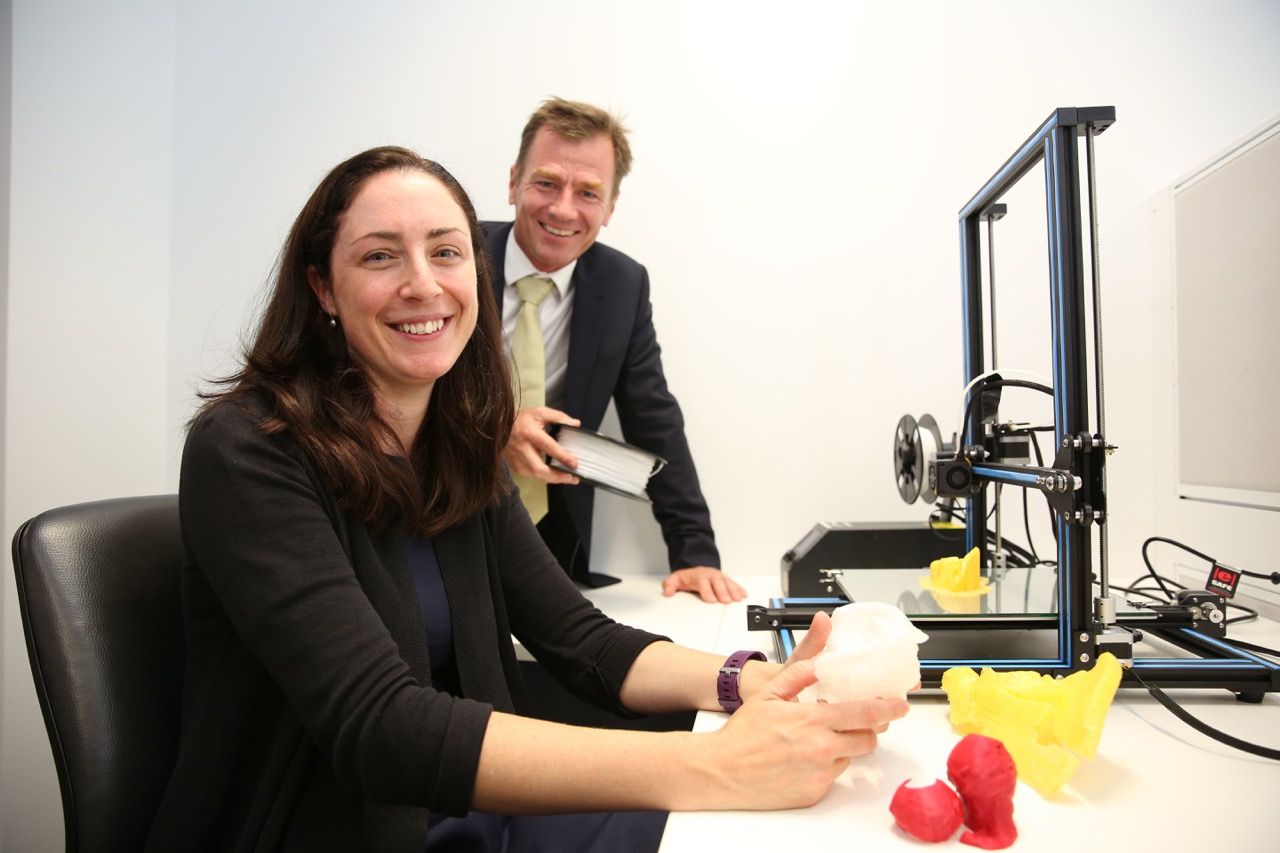
    Researchers at the Kolling Institute are increasingly forging partnerships with industry, with the collaborative efforts accelerating improvements in patient care.

    One team which has particularly benefitted from a strong relationship with industry partners is the diverse group from the Murray Maxwell Biomechanics Laboratory.

    Director, Associate Professor Liz Clarke is encouraging others to follow suit, convinced that collaborations with business bring vast opportunities and benefits for researchers.

    “Our partnerships with Allegra Orthopaedics and Bone Ligament Tendon have delivered more than $3 million in funding, on top of crucial employment, education and training opportunities for a large collection of researchers,” she said.

    “Industry ties offer a chance to develop intellectual property for products, while also raising the profile of teams and their expertise. This can lift your reputation not just nationally but internationally as well.

    “Our business partnerships have delivered a wealth of support to our team and it all stemmed from a small industry-led research project several years ago.

    “We were then involved with extensive testing of a kangaroo xenograft for ACL injuries, as well as the product development of a device to help manage problems with spinal discs. Significant progress has been made with both of these projects.

    “Each opportunity brought more funding, more jobs and more chances for our younger researchers to advance their careers.

    “I’ve welcomed the chance to work with our partners on real world problems, where we have brought together experts from business, academia and health, to accelerate the translation of research and deliver tangible improvements in medical technologies and patient care.

    “It’s been a supportive environment and tremendously encouraging to see consistent and timely progress. This is helping to speed up the time it takes to bring advances to patient care, broadly improving the health of our community.

    “I anticipate we will see an escalation in partnerships with industry with the Kolling well-positioned to take advantage of upcoming opportunities. Our researchers have a unique breadth of experience and expertise, along with access to world-leading technology.”

  • Championing precision medicine for children living with arthritis

    Championing precision medicine for children living with arthritis

    The largest study in Australia into the treatment of juvenile arthritis may pave the way for a unique approach to care for those with the disabling condition and dramatically improve outcomes.

    The Medical Research Future Fund will invest $2.5 million in the A3BC for Kids project which will involve researchers from the Kolling Institute and the University of Sydney in collaboration with the Australian Paediatric Rheumatology Group.

    Kolling researcher and RNSH Head of Rheumatology Professor Lyn March said the centrepiece of the project, a large-scale clinical trial represents an important step towards improved care and more efficient use of medicines.

    “Juvenile idiopathic arthritis affects over two million children worldwide. It is the most common chronic inflammatory musculoskeletal condition in children, and can lead to blindness and life-long disability,” she said.

    “The condition is more common in girls than boys and may affect a child’s bone development and overall growth. Sadly, there is no known cause or cure.”

    Current treatments involve the use of disease modifying and biologic medications which target particular immune pathways.

    Professor March said these medications help, but they come with risks as they dampen the immune system, leaving some children vulnerable to infection, which can be very serious.

    “International clinical and research experts agree we need to use these medications more effectively, but there is no high-quality data indicating when or how to take children off these drugs when their condition is under control,” she said.

    The CHAMPION clinical trial will recruit more than 300 children from every major paediatric rheumatology treatment centre across Australia. It will involve tapering the medications to determine who can come off these drugs and how best to withdraw them once the disease is controlled.

    A broad range of biological, environmental and health information will be collected from participants throughout the study. These data and biospecimens will form part of the Australian Arthritis and Autoimmune Biobank Collaborative (A3BC) biobank-registry collection.

    Paediatric rheumatologist Professor Davinder Singh-Grewal from the University of Sydney said this body of work will pave the way for the development of new living treatment guidelines and clinical decision support tools to truly personalise medicine for the individual.

    “This could be a global game changer for the management of children living with juvenile idiopathic arthritis, improving health outcomes and reducing uncertainty for clinicians, patients and their families,” he said.

    For the first time, researchers led by the Kolling Institute’s Dr Manasi Mittinty, will also investigate how children and their families navigate the mental health impact of juvenile idiopathic arthritis. This research will assess coping mechanisms, treatment responses and children’s well-being.

    Researchers are excited to launch the project and begin work with the wealth of partners, including the Sydney Children’s Hospitals Network, Arthritis Australia, Musculoskeletal Australia, Juvenile Arthritis Foundation Australia, CLEARbridge Foundation, Dragon Claw, Murdoch Children’s Research Institute, Arthritis & Osteoporosis Western Australia, the Australian Rheumatology Association, NSW Health Statewide Biobank, ANZMUSC CRE Living Guidelines team, and the A3BC NHMRC CRE Better Outcomes for Inflammatory Arthritis collaborators and patient partners advisory group.

    Exciting job opportunities

    A range of great employment and research opportunities, including PhD scholarships, will be available through the A3BC grants program. For more information, please contact info@a3bc.org.au

NSWGOV logo