Blog

  • New research to capture those with frailty

    New research to capture those with frailty

    A $3-million research grant will help develop technology to identify frailty in older people in hospital, a crucial step towards improving care and long-term patient outcomes.

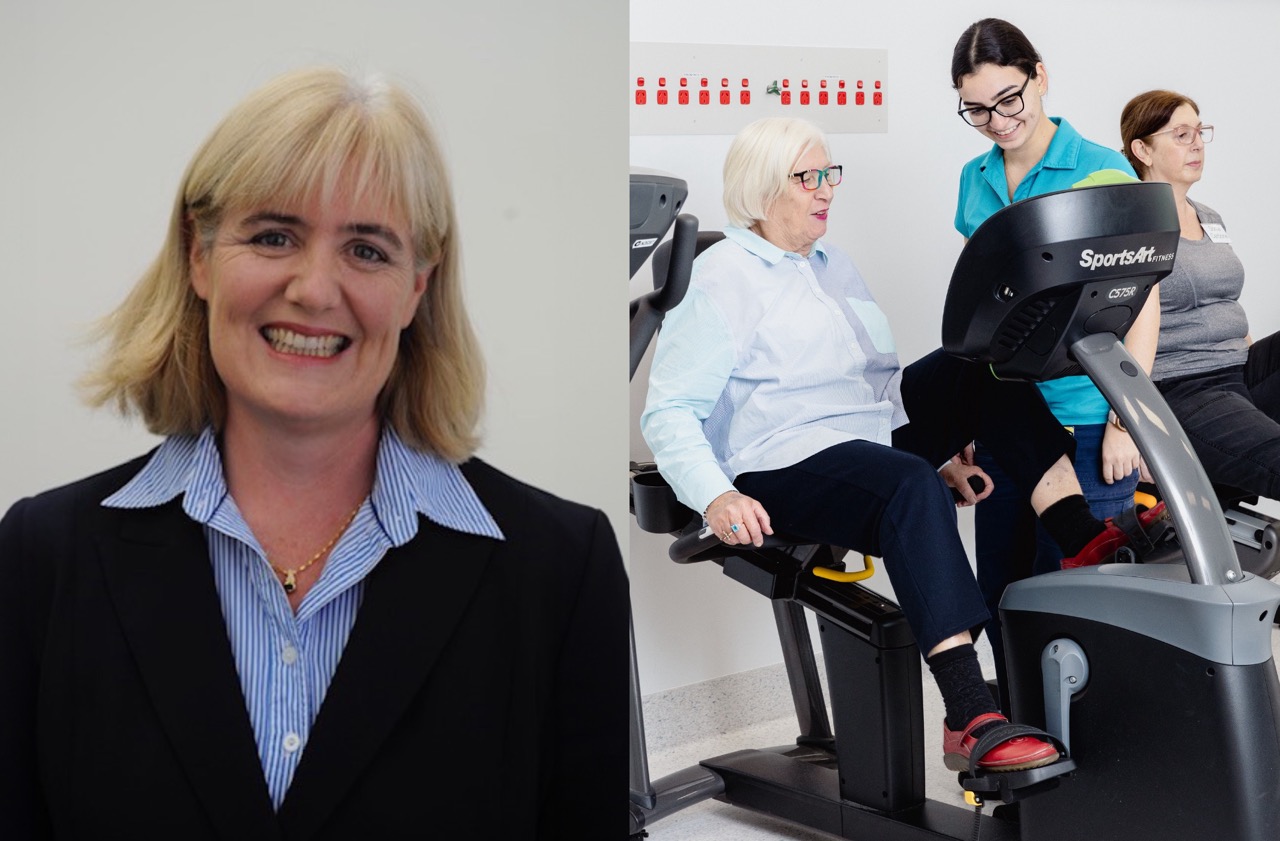
    The Kolling Institute’s Professor Sarah Hilmer will lead the large-scale study involving hospitals and universities across Australia as well as international investigators.

    Professor Hilmer said the five-year project will develop real-time frailty monitoring technology to help tackle one of the biggest challenges facing older people.

    “As we age, our risk of frailty increases, and we know that frail older people in hospital have a high chance of experiencing an adverse event, like confusion or a fall,” she said.

    “The technology that we are researching will use existing data from the electronic medical records to measure the Frailty Index, and this will automatically and efficiently screen hospital patients for frailty.

    “Identification of frailty is the essential first step to providing frailty-informed health care. It will also inform health services about the facilities, resources and staff required to meet the needs of people with frailty.

    “On an individual basis, it means patients will receive specialised, multidisciplinary care, including the Comprehensive Geriatric Assessment model of care, where patients are more likely to continue living at home and less likely to be in a nursing home up to a year after their stay in hospital.”

    The screening may be used for observational research or clinical trials of optimal therapies for people living with frailty.

    Professor Hilmer said the research project will help to bring models of care in line with international guidelines which strongly recommend that all older people are screened for frailty.

    “I am delighted to lead a strong, multidisciplinary, national and international team to develop the crucial technology we need for frailty screening of older people in hospital.

    “By automating frailty screening, health services and health professionals will be able to focus on providing optimal care tailored to the needs of frail older people, rather than spending precious time on manual screening.”

    The introduction of the automatic hospital screening will mark the first time the Frailty Index has been adopted in acute hospital care on such a large scale.

    The project has been developed following support from the Sydney Health Partners Geriatric Medicine Clinical Academic Group.  

  • New collaboration to drive world leading research into osteoarthritis treatment

    New collaboration to drive world leading research into osteoarthritis treatment

    An innovative partnership with industry will see our researchers at the Kolling Institute develop evidence-based strategies to improve osteoarthritis management in Australia and globally.

    Consumer healthcare company Haleon is sponsoring a five-year fellowship to investigate the role of supplements in managing osteoarthritis and digital health technologies to improve mobility.

    Osteoarthritis is a leading cause of disability, impacting more than two million Australians and 595 million people globally. It represents a significant public health burden particularly among older populations.

    The fellowship will fund a postdoctoral researcher to work under the guidance of world leading osteoarthritis expert, rheumatologist and researcher Professor David Hunter. Dr Jocelyn Bowden has been awarded the fellowship and is looking forward to broadening our understanding of the use of supplements and innovative digital technologies.

    Professor Hunter said the research collaboration represents a shared focus and investment in improving osteoarthritis management.

    “This is a painful and disabling disease that has a huge impact on the people affected.”

    “A collaborative effort between researchers and manufacturers will drive innovation and hopefully improve the lives of those affected by this disease.

    “Use of supplements and natural ingredients in managing osteoarthritis is an exciting area with a lot of potential. I’m not aware of any other long-term project like this focusing on osteoarthritis.”

    Dr Bincy Thampi, Medical and Scientific Affairs Lead at Haleon ANZ said they were excited to work with researchers to deliver better management strategies for the disabling disease.  

  • Philanthropic funds launch crucial research into little-known cancer

    Philanthropic funds launch crucial research into little-known cancer

    Generous community support is strengthening our research into oesophageal cancer, lifting hopes of improved treatments for the aggressive and deadly cancer.

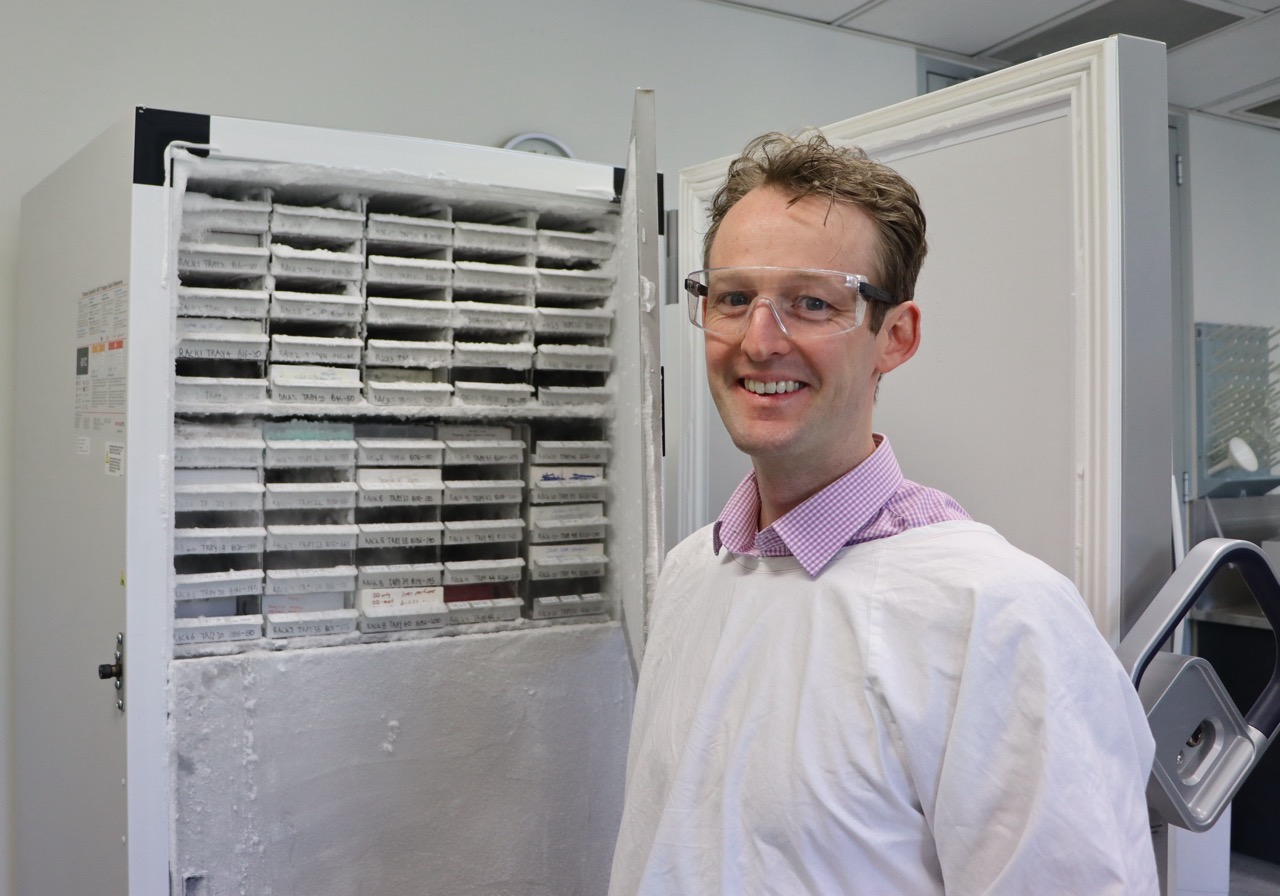
    The Fight for a Cure charity has donated $100,000 towards Dr Colby Stevenson’s research, on top of a $100,000 donation from the Howlett family, in memory of their son Scott who died from the cancer.

    The Howlett family has welcomed the research saying it will help to raise awareness of this little-known cancer, while improving survival rates through earlier detection and treatment

    Oesophageal cancer is the 11th most common cause of cancer death in Australia, accounting for over 1400 deaths each year.

    Sadly, less than 25 per cent of people with this cancer survive more than five years, compared to about 70 per cent for all cancers combined.

    Dr Stevenson, a surgeon and researcher, said he is incredibly grateful for the philanthropic support as it will allow him to conduct research which would otherwise be very difficult to get off the ground.

    “There have been some really significant improvements for some cancers like melanoma and breast cancer in the last 10 years, but concerningly, we have not seen the same kind of improvement in outcomes for those with oesophageal cancer,” he said.

    “Patients will generally undergo chemotherapy and radiotherapy before surgery, with some people responding much better than others. In some cases, the patients’ disease will worsen while on treatment, and occasionally some will not survive it”.

    “My research will analyse oesophageal tumours to look for genes or proteins that may inform a patient’s individual prognosis and if their tumour will respond to a particular treatment”.

    “This is an important body of work which could lead to individualised treatment approaches and avoid harmful treatments for patients who are unlikely to benefit from them.”

    Dr Stevenson said he is grateful for this opportunity and driven to progress this research given the current poor prognosis for people with this deadly form of cancer.

    “I think this type of research could be the key to substantial improvement as it will allow us to further sub-classify oesophageal cancer so we can then develop the best treatment approach for each person.

    “We are able to conduct this valuable work as result of efforts over the last 20 years to build and maintain the Kolling Institute Tumour Bank. It means we have tumour specimens from many different patients over a long period of time.”

    If you would like to support this cause please contact the NORTH Foundation at info@northfoundation.org.au or call 9436 0162.

    To learn more about Fight for a Cure visit fightforacure.com.au  

  • Leading new centre to strengthen cancer research and expertise

    Leading new centre to strengthen cancer research and expertise

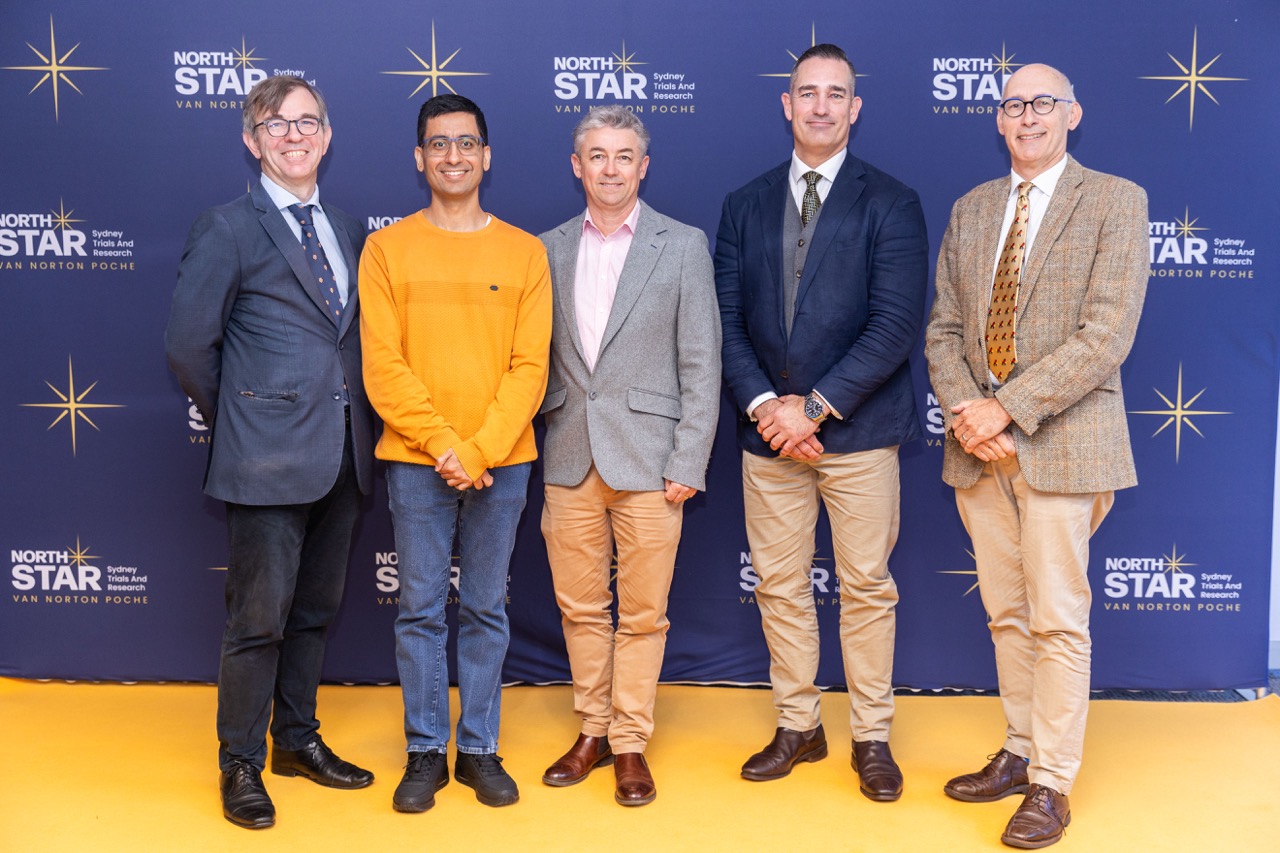
    Researchers at the Kolling Institute have welcomed the launch of Australia’s premier cancer clinical trials centre on the Royal North Shore Hospital campus.

    NORTH Sydney Trials and Research Van Norton Poche or NORTH STAR VNP has been made possible by a $20 million gift from the late Kay Van Norton Poche and her husband Greg.

    The centre is a ground-breaking partnership between Northern Sydney Local Health District and the world-renowned Memorial Sloan Kettering Cancer Centre in New York.

    NSLHD Chair of Research Professor Bruce Robinson said it will significantly expand access to the latest clinical trials for those in Sydney and across New South Wales, and then nationally.

    “We expect this wonderful new centre will offer hope to patients and their families across the country, improving treatments for cancer and even contributing to a cure.

    “It will mean communities, particularly those in rural and regional areas, will have access to the latest treatments and innovation, regardless of where they live.”

    Three initial clinical trials will be underway within months, aiming to improve outcomes for people with head and neck cancers, breast cancers and upper gastric cancers.

    Leading bowel cancer researcher Professor Mark Molloy said cancer researchers at the Kolling Institute are looking forward to collaborating with the NORTH STAR VNP clinical trials.

    “This is an exciting opportunity to work with patient specimens obtained during clinical trials, which will allow us to discover prognostic and drug response biomarkers,” he said.

    “Through these studies we will have a better understanding of the impact and function of new therapies, and how clinicians can optimise patient treatments.

    “It was encouraging to attend the launch of the new centre with so many national and international clinicians and researchers, and to witness the enthusiasm for this new partnership.

    “We look forward to it increasing research activity and the development of new targeted cancer treatments.”

    If you would like to build on this legacy, you can donate to our fundraising partner, the NORTH Foundation.

  • Valuable new funds support game-changing cancer research

    Valuable new funds support game-changing cancer research

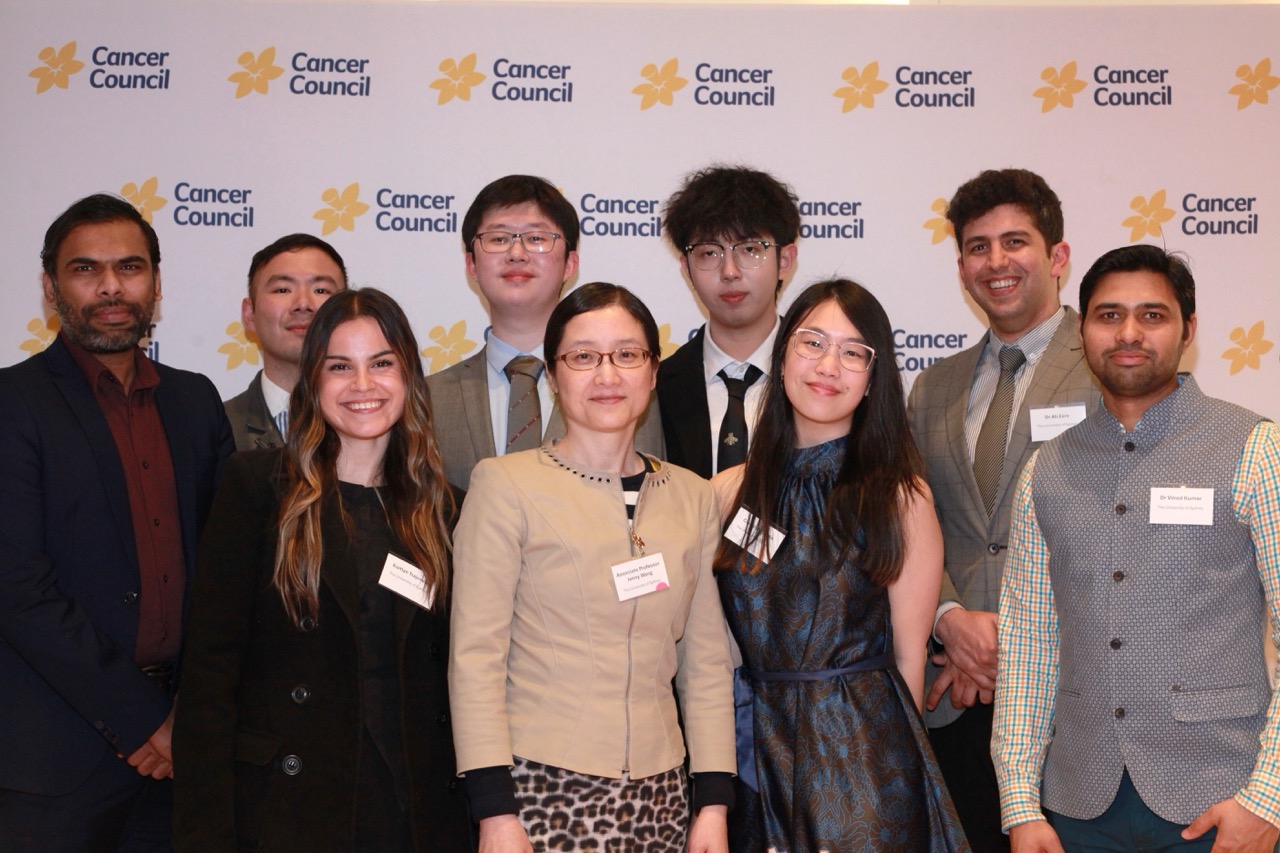
    Our ground-breaking leukaemia research at the Kolling Institute has received an important boost with the Cancer Council NSW announcing a $450,000 grant for Associate Professor Jenny Wang and her research team.

    The funds will help the development of a new therapy to greatly improve survival rates for those with acute myeloid leukaemia.

    This form of blood cancer is particularly aggressive, with less than a third of patients surviving five years after diagnosis.

    In many cases, the leukaemia does not respond well to chemotherapy and often returns.

    Associate Professor Wang welcomed the significant funding saying it will strengthen her research targeting the protective mechanism within the leukaemia stem cells which makes them resistant to chemotherapy.

    “My team has discovered a self-renewal pathway which enables leukaemia stem cells to protect themselves from chemotherapy and reproduce,” she said.

    “There are currently no effective treatments to target these leukaemia-initiating cells but my team is developing a therapy to eliminate them and improve patient outcomes.

    “Encouragingly, we anticipate this approach could help other cancers driven by tumour-initiating cells, such as cancers of the lung, breast, prostate, colon and brain.

    “These cancers may share the same survival mechanism as the leukaemia stem cells so the approach may also effectively target them.”

  • Innovative musculoskeletal program heads to the bush

    Innovative musculoskeletal program heads to the bush

    In a sign of the strength of the Kolling Institute’s research and clinical capabilities, Professor Trudy Rebbeck has been awarded a $2.5 million grant to offer a musculoskeletal care program in rural and remote parts of Australia.

    As a Professor of Allied Health and a physiotherapist, Trudy will lead the collaborative project involving University of Sydney, NSLHD and Kolling Institute researchers Michael Nicholas, Ian Cameron, Annette Kifley and Claire Ashton-James.

    She is excited to launch the initiative which has been funded as part of a $20 million boost for improved primary care and chronic pain treatment.

    Trudy said an increasing number of people are experiencing chronic musculoskeletal conditions like back, neck pain and arthritis, but few people in rural and regional areas are being offered evidence-informed care involving good advice and an exercise plan.

    “We know that people in these communities have poorer access to appropriate care and ultimately poorer musculoskeletal health,” she said.

    “Our large-scale program, named PACE RURAL, will be offered across the country for the first time, providing a high quality and yet low-cost solution.”

    It will involve a simple online tool at the point of care to identify people who may recover well and those who may not. Those who are likely to recover well can be guided by the online resource (Mypainhub.com) which provides accurate advice and exercises to aid recovery.

    People needing extra care will receive early virtual access to an expert allied health clinician.

    The allied-health specialist will work with the local GP through an advanced assessment of risk factors and develop an individualised treatment plan.

    “For many people living in rural and remote parts of Australia, one of the biggest challenges is access to specialised healthcare, so we hope that through this program, we will broaden access to evidenced-based, effective care and importantly, improve long-term musculoskeletal health,” she said.

    “We know from our work in metropolitan regions that increasing support from allied-health clinicians delivers better health outcomes for higher risk individuals, so we expect this project will now provide a cost-effective solution in rural and remote Australia too.” 

  • Running for game-changing research

    Running for game-changing research

    Less than two years after a breast cancer diagnosis, Professor Gemma Figtree has completed the prestigious Boston Marathon while raising significant funds for cancer research.

    Gemma crossed the finish line in a sub four hour time as part of the talented team running for the internationally renowned Dana Farber Cancer Institute.

    Gemma ran her first marathon just after completing six months of chemotherapy in 2022, so to be accepted into the Boston event was a remarkable achievement.

    “I was really excited to have the opportunity to run in the marathon, but it was particularly an honour to run for the Dana Farber Cancer Institute,” she said.

    “For me to come through chemotherapy, and then qualify to run Boston was a major milestone in itself, and then to be able to run for one of the world’s best cancer research institute’s fundraising teams, was a perfect combination.

    “Running was a crucial part of my recovery, and there’s now increasing evidence around the benefits of exercise for cancer patients from reductions in recurrence, improved mental health and a reduction in the side effects of chemotherapy.”

    Gemma is tremendously thankful to her donors who helped her raise more than $30,000.

    “Philanthropic funding is so important as it often supports early to mid-career researchers or early stage ideas, where there may not necessarily be all the data to succeed with a highly competitive national funding grant. It can be a crucial component in advancing medical research.”

    Gemma hopes there will be further philanthropic funds for her own research program into heart disease and the rise in cases of coronary artery disease and heart attack in patients without the traditional risk factors, like blood pressure, diabetes, high cholesterol and smoking.

    “I’m sure we can learn from some of our cancer colleagues about the drugs that can target specific biological pathways that are driving an individual’s susceptibility or resilience to common disease.

    “This could be particularly relevant for heart disease, with 25 per cent of heart attack patients developing ticking time bomb coronary plaque without the traditional risk factors.

    “We are developing new biomarkers in the blood to help detect early coronary artery plaque before a heart attack, enabling all patients to benefit from effective treatments. These markers are designed to be integrated into clinical pathways that take a stepwise approach to imaging using advanced CT coronary angiography.

    “This would have a game changing impact on reducing heart attacks – because, if we can detect the disease, we can treat it.”

    Imaging of coronary plaque also has an important role in providing a new pathway for novel drugs to prevent heart attack. Gemma is leading an international initiative through the CAD Frontiers not-for-profit: the Atherosclerotic CT Imaging Outcome Consortium: Accelerating Atherosclerosis Drug Development.

    This initiative aims to develop and support a research consortium dedicated to applying advanced computed tomography (CT) imaging to atherosclerosis quantification and responses to therapeutic intervention. Consortium goals are for coronary CT to become an accepted susceptibility biomarker (diagnostic, prognostic and monitoring) and a predictive biomarker (pharmacodynamic and surrogate endpoints) in cardiovascular clinical trials. This would dramatically reduce the cost and time required to develop much needed new coronary artery drugs without reducing the rigor.

  • Research helping the community tap into the best osteoarthritis care

    Research helping the community tap into the best osteoarthritis care

    While a large share of the community experiences osteoarthritis, many people are not receiving the latest, evidenced-based care leaving them with poorer and more painful outcomes.

    Health and government bodies are working to address the shortfall, investing resources to increase awareness of high-value care.

    As part of this national approach, Kolling Institute researcher and physiotherapist Dr Jillian Eyles has received a prestigious $660,000 NHMRC investigator grant to promote best-practice osteoarthritis care.

    Dr Eyles said we know that the first-line approach for osteoarthritis involves non-surgical treatments based on education, self-management, exercise and weight control.

    “This approach works well for many people and is consistently recommended by the clinical guidelines, and yet 64 per cent of people with osteoarthritis are not offered these treatments,” she said.

    “We can see there are many barriers to delivering the best care from a lack of knowledge and skills of health professionals to traditional referral pathways.

    “There is an urgent need to reduce the use of treatments that are not recommended such as unnecessary surgical procedures, and we will be working with surgeons to gain a better understanding around the existing pathways.

    “As part of this grant, we will also be looking at new ways to educate and train the health workforce to deliver best-evidence care, and we’ll be working to improve the uptake of programs which offer best-evidence models of care.

    “This will involve phasing-out low-value osteoarthritis treatments which should no longer be used.

    “A large amount of research has made considerable progress in recent years, and its crucial that this new advice and understanding of the joint disease is broadly incorporated into both the hospital and community settings.

    “More than eight per cent of Australians lives with osteoarthritis, so it’s important everyone has good access to the best available advice and treatment.”

  • Philanthropic support building our research expertise

    Philanthropic support building our research expertise

    A collection of researchers will develop their skills and establish crucial new collaborations following generous funding through the Skipper Charitable Trust.

    Six researchers have received a 2024 Beryl and Jack Jacobs Travel Award, enabling them to travel for conferences and work with experts across the globe.

    Academic Director Professor James Elliott was thrilled to announce the successful recipients, saying each researcher demonstrated how their travel opportunity will broaden their research expertise and lead to exciting new progress.

    Dr Karen Bracken from the Osteoarthritis Clinical Research Group will travel to the University of Bristol to work with the team at the renowned Bristol Trials Centre. There she will gain a better understanding of recent advances in clinical trials, directly supporting her role as a clinical trials program lead.

    Dr Barbara Lucas from the John Walsh Centre for Rehabilitation Research will attend the Australasian Academy of Cerebral Palsy and Developmental Medicine Conference in Cairns to present her ground-breaking research from the Best START trial into early intervention in children with Cerebral Palsy.

    Dr Vicky Duong from the Osteoarthritis Clinical Research Group will travel to the United States and Canada to work with researchers at Harvard University, the University of North Carolina and the University of Toronto. This is set to be a valuable opportunity for Vicky to expand her international networks following her successful Category I NHMRC funded project in Australia.

    Brian Kim from the Neuromuscular Imaging Research Laboratory will visit the United States to work with colleagues at the Northwestern University in Chicago. Brian is establishing machine learning methods to automatically quantify the soft tissues of the shoulder in patients needing surgical repairs.

    Dr Vibha Patil from the Meniere’s Disease Neuroscience Lab will travel to Spain to build on her work into the genetics of Meniere’s Disease, a debilitating disorder of the inner ear.

    Amanda Purcell, a PhD student in the Renal Laboratory, will also travel to Spain and the UK to further her studies around predicting gestational diabetes in early pregnancy. Amanda is set to learn cutting-edge techniques, complementing her growing knowledge in this field and strong analytical skills.

    Professor Elliott said these opportunities would not be possible without the financial boost delivered through the Skipper Charitable Trust.

    “I would like to thank the family behind the trust for their wonderful ongoing support of our early and mid-career researchers,” he said.

    “Their help is directly strengthening our research expertise and increasing our long term impact.”

  • Bad knees might cause broken hearts

    Bad knees might cause broken hearts

    Exciting research is set to get underway investigating a ground-breaking approach to reduce osteoarthritis associated heart disease.

    Kolling Institute researcher Professor Chris Little will lead the project after receiving a highly competitive National Health and Medical Research Council Ideas grant of close to a million dollars.

    Professor Little and Dr Cindy Shu from the Raymond Purves Bone and Joint Research Lab will collaborate on the novel study with Kolling heart disease researcher Dr Anastasia Mihailidou and Professor Anthony Ashton from the Lankenau Institute for Medical Research in the USA.

    Professor Little has welcomed the significant funding, saying it follows years of specialised work in this field.

    “We’re very excited about this research and we’re hopeful it may make a big difference,” he said.

    “We have known about the link between osteoarthritis and heart disease for many years, with those experiencing osteoarthritis twice as likely to develop heart disease as those without the painful joint condition.

    “We had thought the conditions were linked because they shared the same risk factors like age, obesity and a lack of exercise, but our recent research has showed for the first time, that there might be a biological connection where the joint disease might actually be causing heart disease.

    “Our team found that if we induced osteoarthritis in one knee of a mouse that was otherwise fit, young and healthy, within 16 weeks that mouse had evidence of heart disease.

    “We then went onto show that if you take serum from these mice or a patient who has diseased joint tissue from a knee injury like a cruciate ligament tear, that serum caused heart cells to become sick.

    “We were able to identify a group of factors (micro-RNAs) that were released into the blood from the joint tissue that were causing this.”

    The new research project funded through the NHMRC will now investigate which specific micro RNAs are contributing to the development of heart disease.

    “If we can define which factors released into the blood are the most important, we may be able to help develop a new diagnostic tool for heart disease and potentially stop osteoarthritis contributing to cardiovascular disease,” Professor Little said.

    “Our research could lead to both a diagnostic test as well as a therapeutic target. It could change the health advice around risk factors for heart disease.

    “Our grant success highlights the breadth of expertise we have at the Kolling and the impact of collaboration, where we have researchers specialising in different fields coming together to identify new avenues to research.

    “It’s certainly one of the great things about working in the Kolling.

    “I would like to acknowledge the crucial preliminary work undertaken by Dr Cindy Shu, and the earlier financial support from the Raymond E. Purves Foundation and the Hillcrest Foundation through Perpetual Philanthropy.”

    There was further good news for the Kolling with musculoskeletal researcher Dr Jillian Eyles receiving a prestigious $660,000 Investigator grant to develop strategies to promote best-practice for osteoarthritis care.

    It’s estimated close to 30 per cent of the population experiences osteoarthritis. 

NSWGOV logo