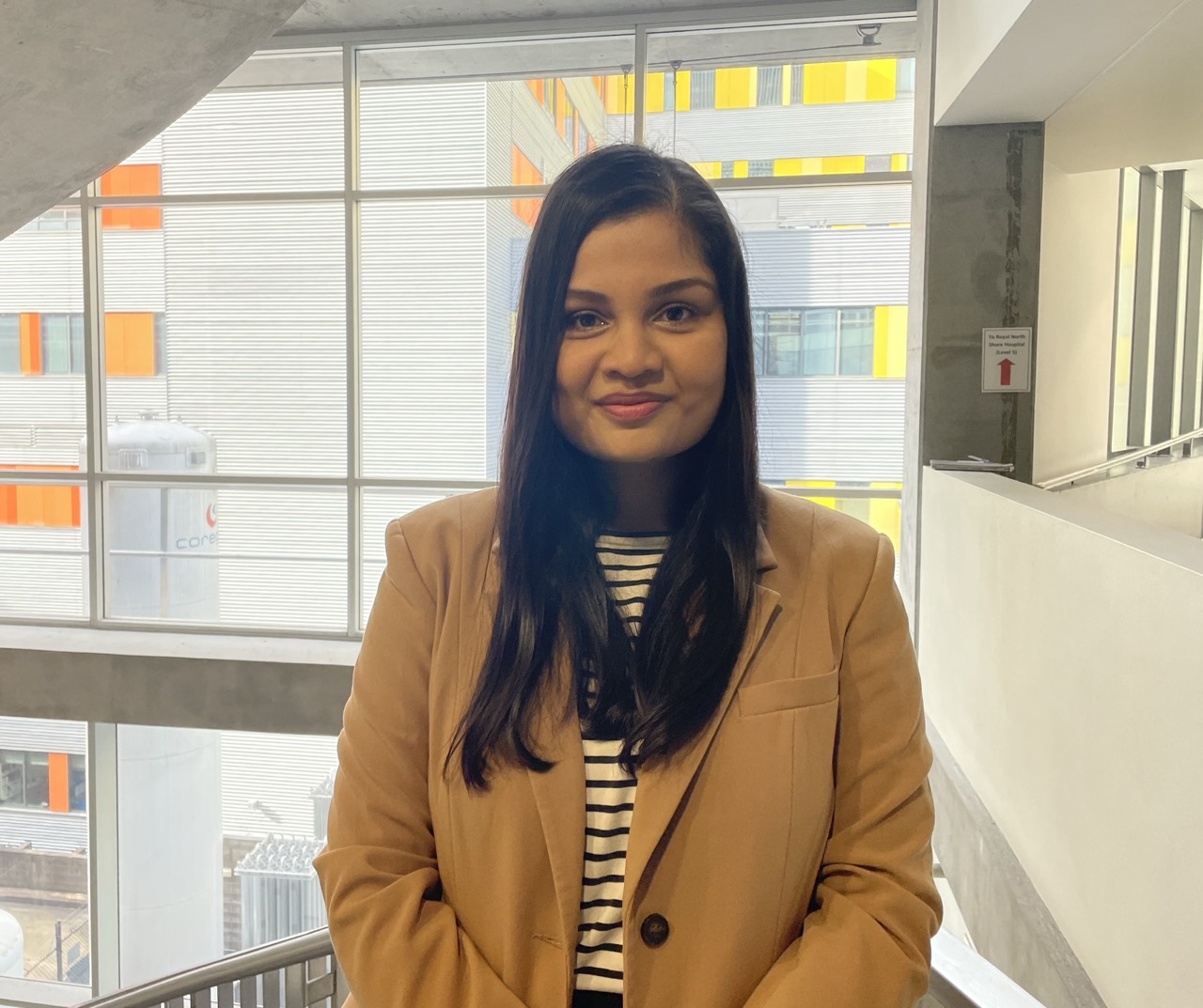
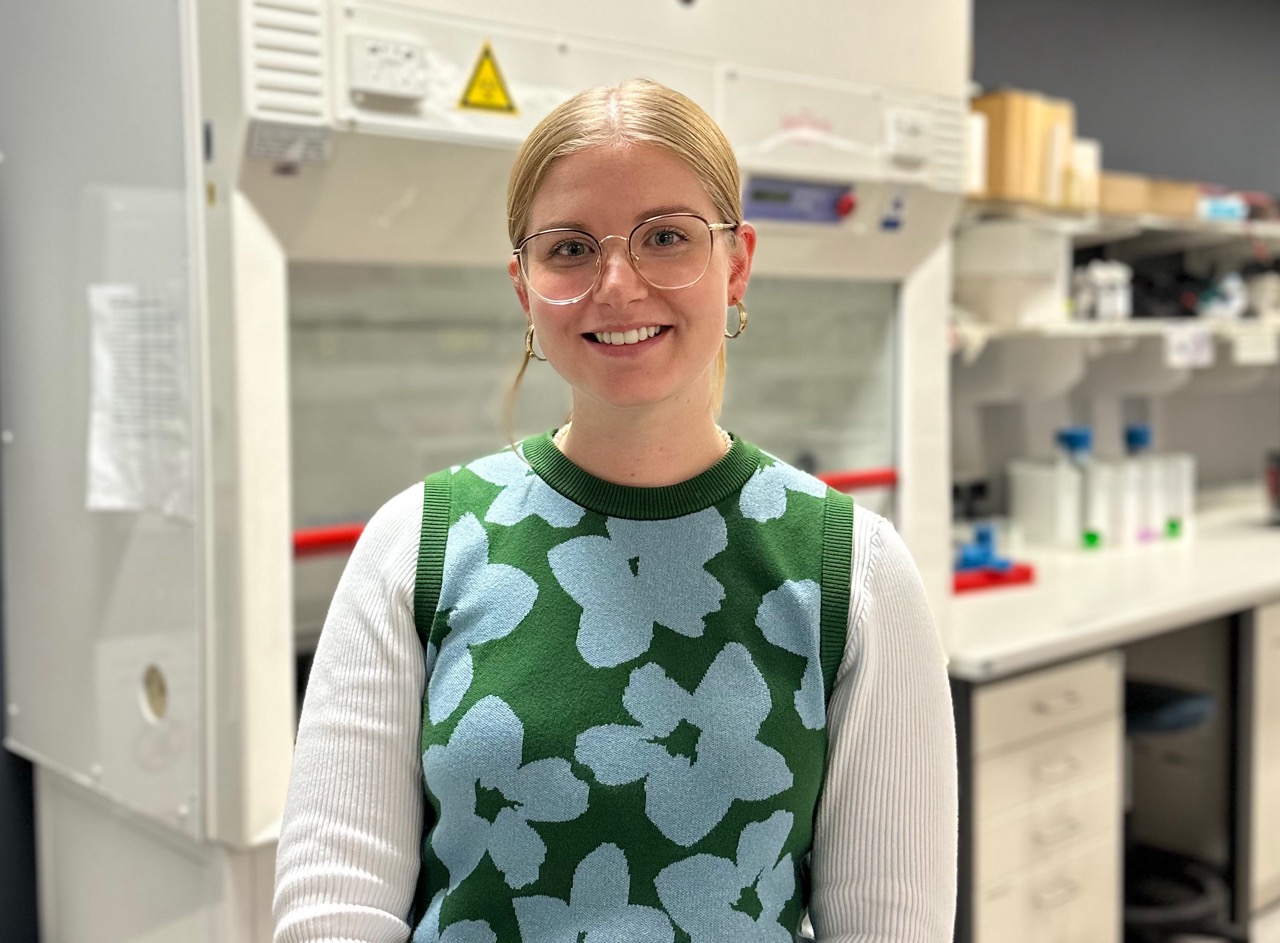
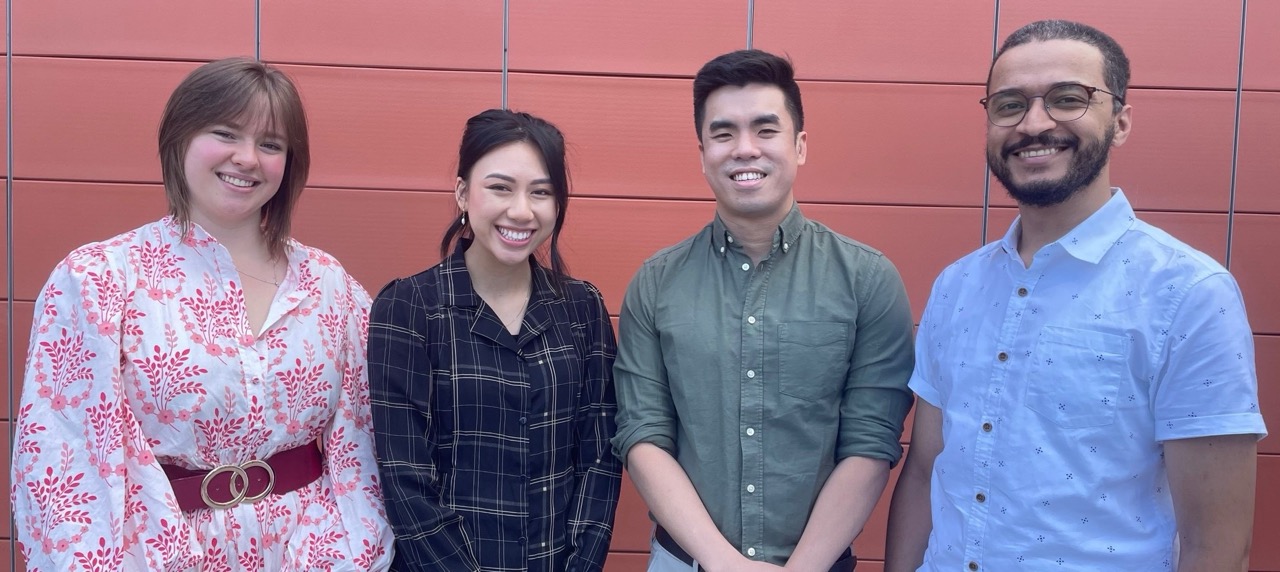
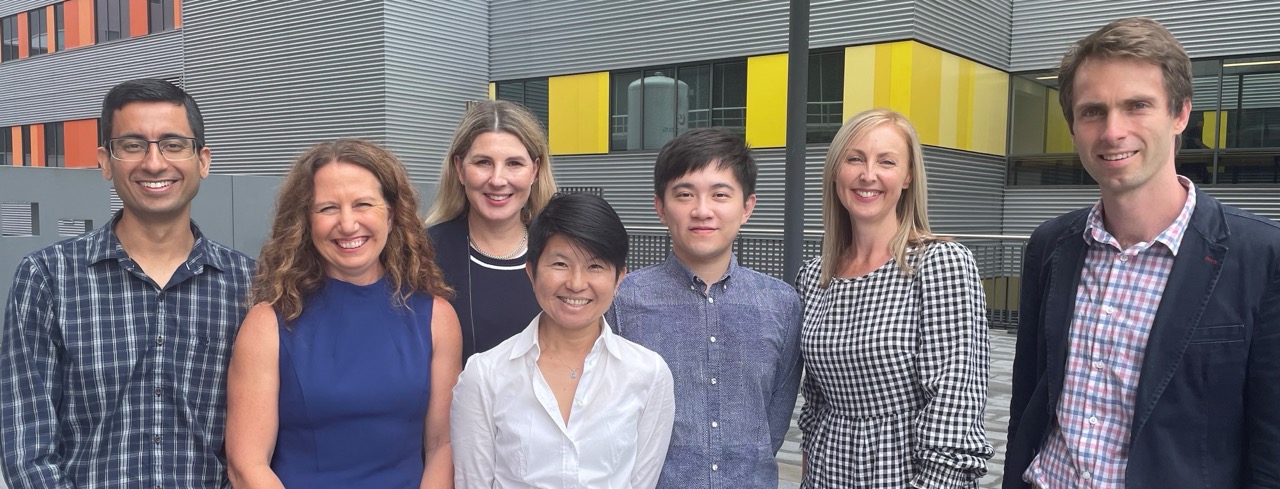
We would like to congratulate our early career researcher Dr Nashwa Masnoon from the Kolling’s Ageing and Pharmacology Lab who has taken out the ATA Scientific Young Scientist Encouragement Award.
Nashwa, who is a postdoctoral research pharmacist, clinched the $1500 prize for her assessment of the risks and benefits of using artificial intelligence in research.
The award will enable her to attend a high profile conference co-ordinated by the Australasian Society of Clinical and Experimental Pharmacologists and Toxicologists, the Asia Pacific Federation of Pharmacologists and the Australasian Pharmaceutical Science Association.
Nashwa was thrilled to win the award and has welcomed the chance to attend the large scale event in Melbourne.
Further details about the ATA Scientific competition and the next awards can be found here.
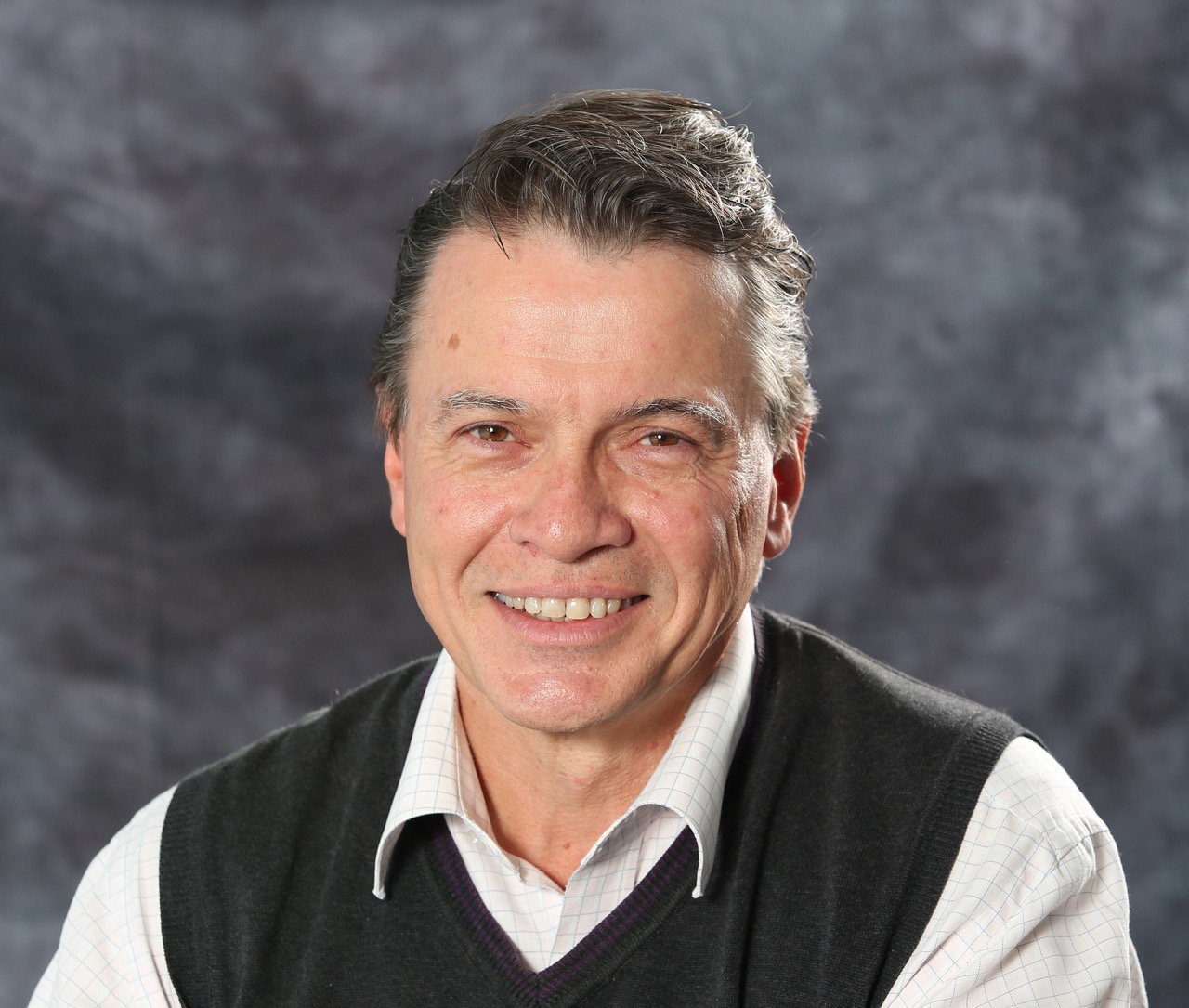
Internationally respected investigator Professor Chris Little has been recognised for his remarkable contribution to orthopaedic research at an event in Long Beach California.
Infront of a large international audience, Professor Little was elected a Fellow of the Orthopaedic Research Society for his exemplary service and leadership.
The accolade acknowledges Chris’ achievement, expert knowledge and contribution to the society and the field of musculoskeletal research over more than 20 years.
Fellows are recognised as thought leaders and serve as role models for those beginning their research journey.
Chris has welcomed the honour.
“Since its inception 70 years ago, the US Orthopaedic Research Society has arguably become the pre-eminent international scientific society dedicated to musculoskeletal research,” he said.
“I am therefore very honoured and humbled to have been nominated as an Orthopaedic Research Society Fellow.
“Such personal accolades are really a reflection of the extraordinary members of the Raymond Purves Research Lab team that I’ve have the privilege of leading over the past 20 years.
“Ultimately, it’s the work that they do to increase knowledge of the mechanisms of musculoskeletal disease to help develop new treatments, that is the most important thing.
“Societies like the Orthopaedic Research Society enable us to both disseminate what we learn in our research and learn from others around the world, so that together we can hopefully change the lives of patients.”
With an increasing focus on our research activity, the Royal North Shore Hospital Scientific Staff Council is keen to celebrate the efforts of some of our emerging leaders.
It has presented four awards recognising an outstanding commitment to research excellence.
Kolling Institute musculoskeletal researchers Dylan Ashton and Dr Carina Blaker were joint winners of the best publication award for their paper which identified new tendon allograft options for knee injuries.
Carina also took out the outstanding early to mid-career researcher award in the basic science category, while fellow Kolling researcher Associate Professor Rebecca Kozor clinched the outstanding clinical researcher award for her work using high resolution imaging to help diagnose and treat heart disease.
Dr Katherine Bates received the outstanding research student award for her work on the identification of new biomarkers and risk factors for heart disease.
Chair of the Scientific Staff Council Dr Sumit Sahni said he was pleased to be able to present the awards to this impressive group.
“A huge amount of important work goes on behind the scenes,” he said.
“Many of our researchers are quietly making crucial progress with their research, and it’s wonderful to be able to recognise their remarkable efforts extending our understanding of particular conditions and lifting the standard of care we all receive.
“The quality of nominations we received was particularly high, making the decisions difficult and highlighting the expertise we have on the Royal North Shore Hospital campus.”
Carina welcomed the announcement.
“I was really honoured to receive the award recognising our research and I’m very grateful to the Scientific Staff Council for their ongoing support,” she said.
“Our research is aimed at broadening our understanding of different tissues so that we can personalise treatment options.
“We are increasingly seeing that a tailored approach will deliver a better individual fit and a better outcome for patients.
“I hope this award helps to draw attention to the steady progress we’re making in this field.”
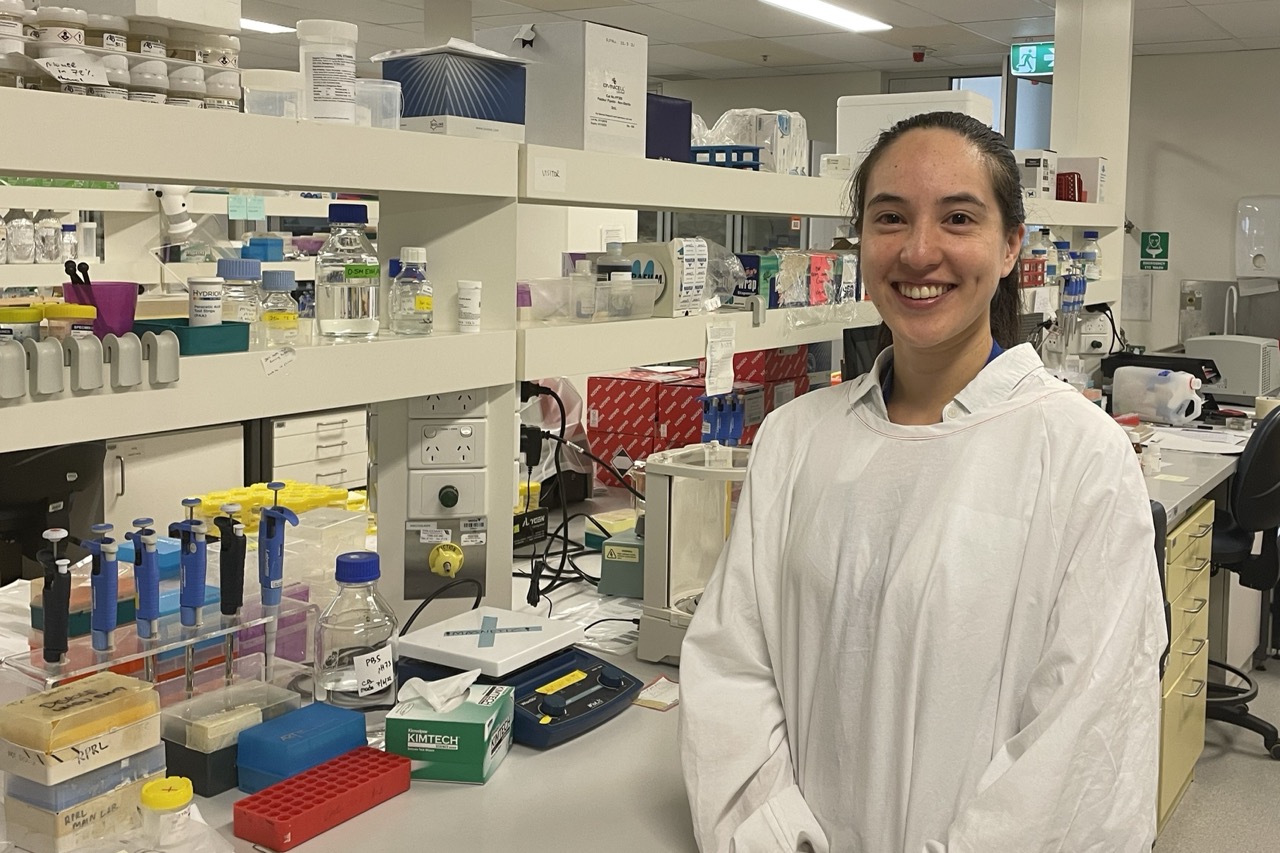
One of our up-and-coming researchers within the Kolling’s Ageing and Pharmacology Lab has taken out two prestigious awards.
Pharmacist and PhD student Mai Duong received the initial award at the International Pharmaceutical Federation World Congress in Brisbane.
The APSA awarded Mai the Outstanding Oral Presentation in Pharmacy Practice prize for her discussion on the different perspectives of adverse drug events with heart failure medications in frail older people.
She also took out an award for her presentation at the Cardiovascular Symposium hosted by the Australasian Society of Clinical and Experimental Pharmacologists and Toxicologists.
Mai’s research has greatly benefitted from a new collaboration within the Kolling Institute involving researchers from the Ageing and Pharmacology Lab including Professor Sarah Hilmer and Dr Lisa Kouladjian O’Donnell and Associate Professor Rebecca Kozor from the Cardiology Department.
She said her work has highlighted the contrasting consumer and clinician views on clinical outcomes, patient priorities and medication management of frail older people with heart failure.
“We know that heart failure is becoming more common in the ageing population, leading to frequent hospital visits and claiming lives,” she said.
“Patients report that the big problem for them is the number of medications they’re on and the possible interactions.
“We are seeing that some medications for heart failure can cause falls, dizziness, renal impairment and other adverse events.
“We know that optimising heart failure medication can be complex, but we hope that following our research there will be a greater focus on frailty and quality of life when these medications are prescribed.
“We found that clinicians recognised that frailty status was important, but it was not routinely measured or included in medication management plans.
“Backed by our research, we would like to see frailty measures considered when prescribing these medications, so that clinicians can tailor their approach for each patient for the best outcome.”
Funding from the Skipper Jacobs Charitable Trust has helped a group of our young research leaders broaden their experience and establish new collaborations.
Close to $40,000 was shared amongst five early-to-mid career researchers, allowing them to travel nationally and internationally to progress their research and develop new skills.
One of those to receive funding is Dr Kenji Fujita, an early-career pharmacist with a PhD working in the Ageing and Pharmacology Research Group at the Kolling Institute.
Kenji helped develop techniques to calculate the frailty index in older hospitalised patients, while also leading research into the quality of pharmaceutical care.
During his trip he led a three-day workshop in Denmark, visited collaborators in Norway and delivered a presentation in Japan, a country with the highest proportion of older adults in the world.
“It was a great opportunity to build international collaborations and promote our translational research at the Kolling. I really appreciate this travel grant,” he said.
Another researcher to benefit from the travel grant was Samantha Hefferan from the Murray Maxwell Biomechanics Laboratory.
Sam visited the University of Auckland, where she was able to use the lab’s high-tech imaging methods to explore the ultrastructure of human tendons, and the impact of disease and injury.
“I valued every moment of my three months in New Zealand. I was challenged every step of the way with both my research and living in an unfamiliar environment,” she said.
“I gained a lot during my time, not only learning new technical skills but also understanding more about the complexity of independently planning and developing tailored protocols for my research questions.”
“On top of strengthening our collaboration with research groups at the University of Auckland, I now have the knowledge-base to bring the practical components of planned collaborative projects closer to home for future research students at the Kolling Institute.”
Academic Director Professor Jim Elliott thanked the Skipper family for their financial backing of the trust, as well as the NORTH Foundation for their support of the travel program.
“It has been instrumental in helping individual researchers, raising the international profile of the Kolling Institute and contributing to crucial research progress.”
If you would like to support our researchers, please donate through the NORTH Foundation.
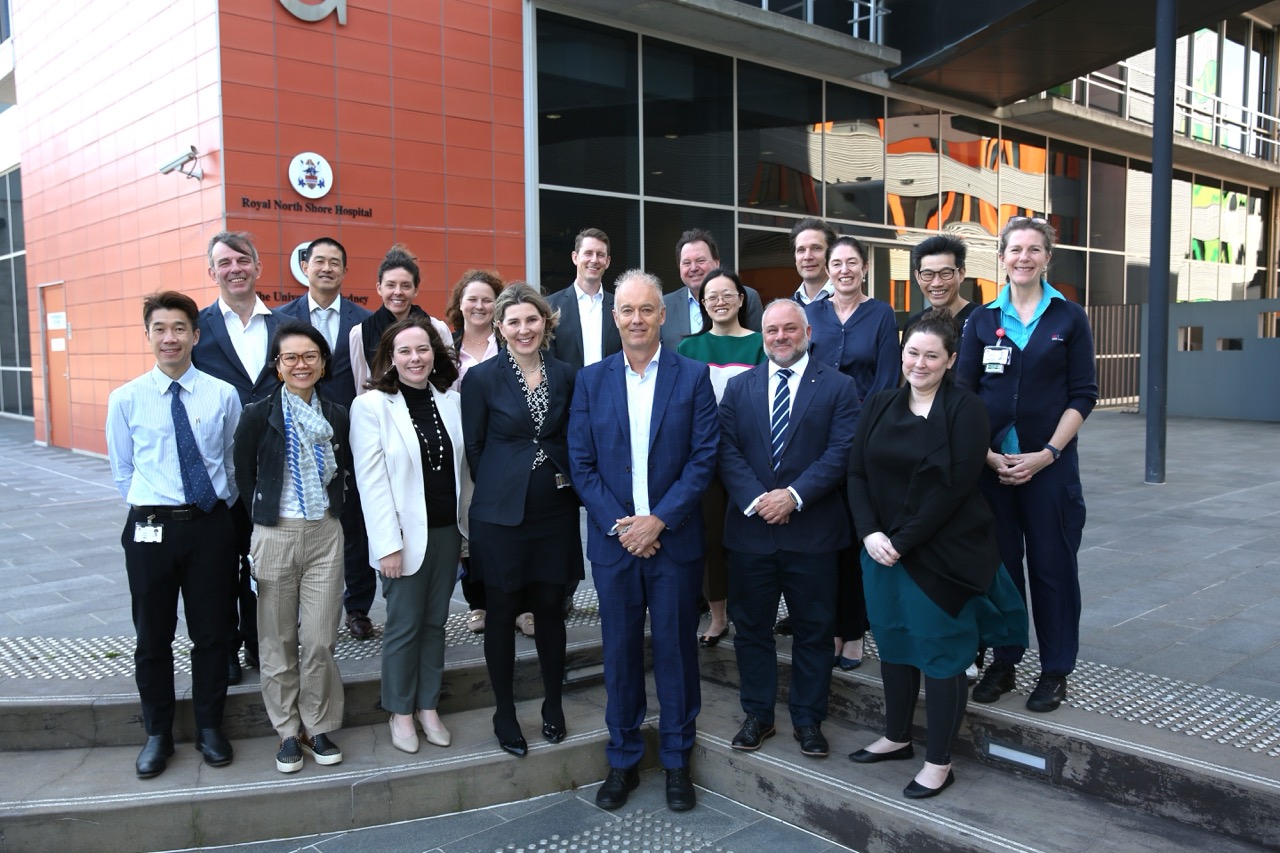
A large collection of research projects will get off the ground following generous funding through the Ramsay Research and Teaching Fund Scheme.
The scheme has directed more than $10 million to research on the Royal North Shore Hospital campus over the last 20 years, and this year a further $850,000 will be shared across 17 projects.
A diverse range of studies will be supported, strengthening investigations into cardiovascular disease, cancer and diabetes as well as osteoarthritis, neonatal care, thyroid function and physiotherapy programs.
The successful recipients this year are:
Professor Dale Bailey
Professor Roderick Clifton-Bligh
Professor Gemma Figtree
Professor David Hunter
Associate Professor Sarah Glastras
Associate Professor Joanne Glinsky
Associate Professor Karl Ng
Associate Professor Sean Seeho
Dr Sally Baron-Hay
Dr Grace Gifford
Dr Matti Gild
Dr Pierre Janin
Dr Barbara Lucas
Dr Sharon McCracken
Dr Lauren Monds
Dr Leo Pang
Dr Kathy Willowson
NSLHD CE Adjunct Professor Anthony Schembri AM welcomed the investment saying it will help the district maintain its reputation as a hub of research excellence and high value care.
“We know that districts with an active research culture, where research is embedded as part of clinical care have a higher patient experience, less errors and better health outcomes,” he said.
“I look forward to following the progress of these projects, as well as their impact on lifting our standard of care and our understanding of a broad range of conditions.
“Personally, as a fellow allied health worker, it’s great to see our allied health practitioners being recognised with these important research grants.”
The recipients were congratulated by North Shore Private, Ramsay Healthcare Acting CEO Christian Hoengaard, who said the grants represented a tremendous investment.
“We look forward to all the good outcomes that will flow as a result of this research and I’m sure it will help us continue to deliver world leading care,” he said.
“We have a long history of collaboration and I look forward to building on that partnership for another two decades.”
We would like to congratulate Kolling Institute researcher Amanda Purcell who has received a Juvenile Diabetes Research Foundation scholarship.
Amanda is part of our Renal Research Laboratory, working to improve treatment for those with diabetes and kidney disease.
She has been awarded a top-up scholarship aimed at supporting PhD students pursuing type 1 diabetes research in line with the foundation’s mission to treat, prevent and cure the disease. The competitive scholarship selects the best and brightest scientists in the field to ensure the next generation of researchers can carry out their ground-breaking work.
Amanda has welcomed the news.
“The Juvenile Diabetes Research Foundation PhD scholarship represents an opportunity to create meaningful change and gives me the privilege to be part of a community dedicated to making a difference in the lives of people with type 1 diabetes,” she said.
“This support will give me the chance to attend conferences and workshops, helping me connect with experts in the field and share my research findings.”
Amanda will investigate if a medication can be used to treat diabetic kidney disease in those with type 1 diabetes and obesity. Type 1 diabetes often leads to complications, including diabetic kidney disease which can be life-threatening.
“The medication is widely used in type 2 diabetes for weight loss and to improve how cells respond to insulin.
“It is also used to delay progression of diabetic kidney disease in those with type 2 diabetes, but it is not known whether it would have these same benefits in those with type 1 diabetes.
“Using a pre-clinical model, my project aims to determine if using the medication for those with type 1 diabetes and obesity can improve kidney health.
“We hope the findings from this work will influence preventative care for diabetic kidney disease in people with type 1 diabetes and obesity.”
Dr Dorota Pawlak, Chief Scientific Officer, JDRF Australia said we are passionate about not only supporting well established scientists who are leading the field, but also the best early career researchers to foster the pipeline and to ensure breakthroughs continue to happen.
The scholarships allow PhD scholars to attend scientific conferences, present their findings and establish critical networks with both national and international researchers.
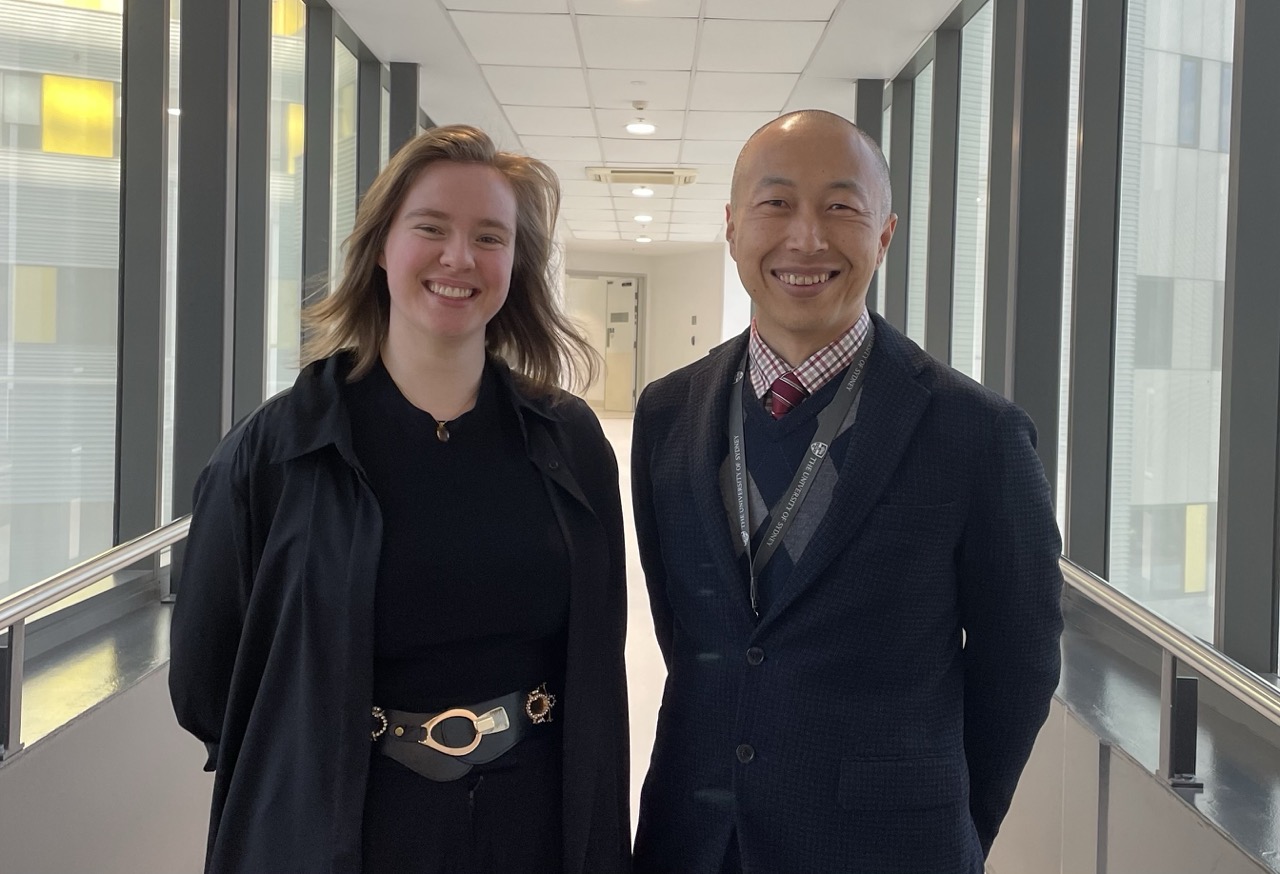
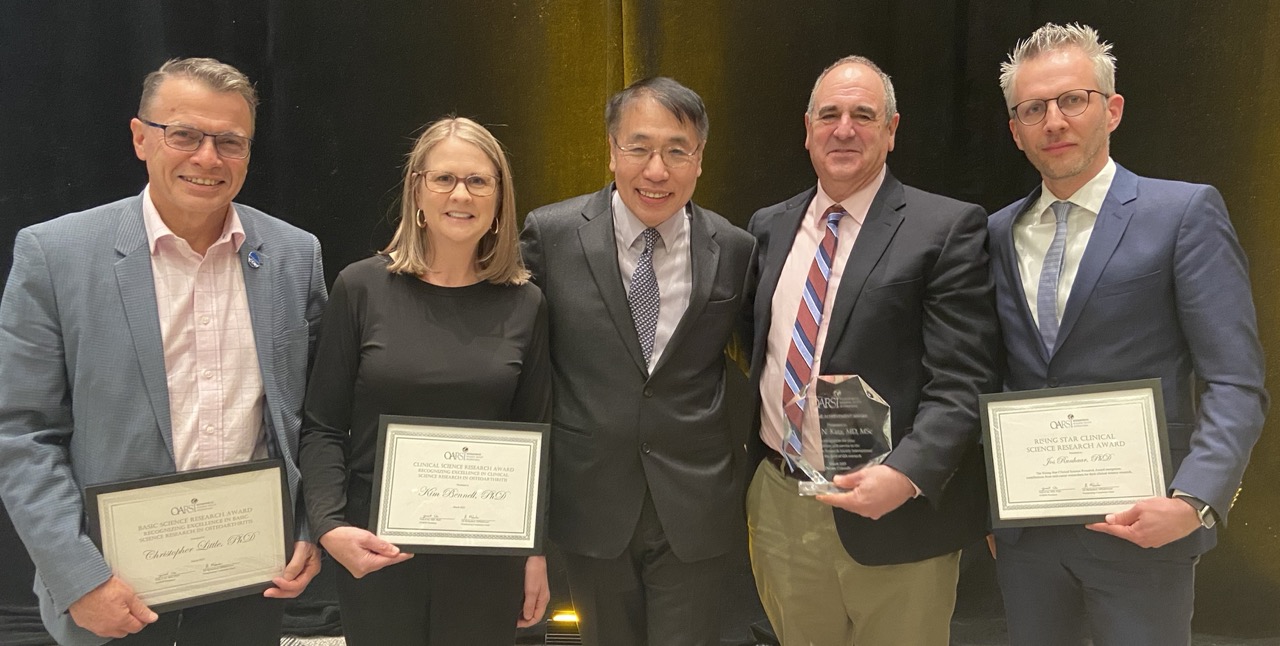
In a sign of the international impact of our research at the Kolling Institute, a prestigious award has been presented to Professor Chris Little during the World Congress on Osteoarthritis in Denver, Colorado.
More than 700 researchers and clinicians attended the event where Professor Little was presented with the 2023 Basic Science Research Award by the Osteoarthritis Research Society International (OARSI).
Chris, who is part of Sydney Musculoskeletal Health, said he was delighted and honoured to receive the award, which acknowledges outstanding research and progress.
“OARSI is the premier international organisation dedicated to osteoarthritis research, so it is a particularly great honour to receive this award recognising our discovery science into this debilitating disease,” he said.
Osteoarthritis is a major cause of individual pain and disability worldwide, and is the number one disease contributing to healthcare expenditure in Australia.
There are currently no treatments to halt osteoarthritis progression and long-term management of associated pain is very poor.
“We will only be able to develop new treatments once we have a better understanding of the cell and molecular mechanisms that initiate and drive osteoarthritis joint damage and pain.
“The basic science research that my team and I have been recognised for is influencing the models that are used worldwide to improve the translation of basic science discoveries to new treatments.
“Our research is making these models more predictive and identifying specific patient groups where the therapies will be effective.
“We hope that this will have a major impact on osteoarthritis discovery and drug-development research.
“As the Kolling Institute is located on a healthcare campus at Royal North Shore Hospital, we have the privilege of interacting closely with clinicians, surgeons and the osteoarthritis patients they manage.
“Importantly, this influences the type of basic science research we do, and ensures that we are addressing the problems our clinicians and patients face in trying to manage osteoarthritis.
“The OARSI award is recognition by the osteoarthritis research community that the work we are doing is relevant and important, and I’m thrilled that it’s highlighting our exciting progress and my extraordinary team.”
A collection of emerging research leaders will have the chance to broaden their research experience thanks to funding provided through the Skipper Jacobs Charitable Trust.
Close to $40,000 will be shared amongst five early-to-mid career researchers, allowing them to travel nationally and internationally expanding their research and developing new skills.
It’s anticipated the travel program will not only benefit the Kolling Institute, but will assist international collaborators, and improve health outcomes in Australia and beyond.
PhD student Lionel Leck from the Cancer Drug Resistance and Stem Cell Program will take part in an internship at the Seoul National University to gain first-hand experience of a new technique looking at the molecular mechanisms of specific cancers.
Lionel said this method of studying how proteins interact with each other in cancer stem cells will lead to better detection and a greater understanding of their behaviour, which will in turn, help develop new drugs to eradicate them effectively.
“I’m really humbled and ecstatic to have received this award,” he said.
“I would like to acknowledge the Skipper Jacobs Charitable Trust and the NORTH Foundation for this valuable and amazing opportunity.”
Fellow PhD student Pich Chhay from the Cardiovascular Discovery Group will visit the South Australian Health and Medical Research Institute in Adelaide. There she will learn an innovative technique using gas chromatography to measure omega-3 in blood samples as an indicator of early heart disease.
Pich said the research has the potential to identify those who are susceptible to heart disease, without the traditional risk factors. They can then be provided with prevention strategies including targeted medications.
“I am delighted to receive this travel grant supported by the Skipper Jacobs Charitable Trust as it will enable me to develop new skills and present the fantastic work that is being done at the Kolling Institute to a wider science community,” she said.
“This will help foster collaboration with multidisciplinary teams which will be invaluable in translating science through shared networks and resources.”
Samantha Hefferan from the Murray Maxwell Biomechanics Laboratory will visit the University of Auckland, working in the Department of Chemical and Materials Engineering to broaden her understanding of the ultrastructure of human tendons.
There she will use the lab’s new imaging methods to explore tendon structure and the impact of disease and injury.
“It is such a pleasure to be granted this award. Without it I would not be able to participate in this amazing study opportunity.”
“I look forward to the chance to improve my research skillset while engaging with an exciting new project.”
“This initiative is part of an ongoing collaboration between the Kolling and an international expert at the University of Auckland. It will broaden my professional development as a scientist, while also enhancing the research partnership between the Kolling and the New Zealand university.”
Dr Mounir Boudali is an early-career engineer with specialisation in robotics. He will visit the renowned Cleveland Clinic in the USA to enhance his knowledge of using robotics in biomechanical research for joint replacements.
Mounir will visit the development team behind the Sim Vitro software, the software which is driving the Kolling’s new biomechanical robot.
“I am thrilled to receive the Beryl and Jack Jacobs travel grant,” he said.
“Nothing can beat learning from the source. We will learn how to use a sophisticated platform for biomechanical testing, while generating a huge amount of knowledge in orthopaedics and developing important collaborations.”
Dr Kenji Fujita is an early-career pharmacist with a PhD working in the Ageing and Pharmacology Research Group at the Kolling. Kenji has helped to develop techniques to calculate the frailty index in patients undergoing surgeries, while also leading research on the quality of pharmaceutical care.
He is keen to share his knowledge and experience with international collaborators and will visit Denmark, Norway and Japan.
“I am thrilled to have been selected for this grant and incredibly thankful for all the support,” he said.
“As countries recover from the pandemic and international travel picks up, I am keen to connect with like-minded professionals in my field.
“I’ll be leading a three-day workshop in Denmark, visiting collaborators in Norway and delivering a presentation in Japan, a country with the highest proportion of older adults in the world.
“I’m sure my trip will strengthen international collaborations and promote our translational research at the Kolling, while also lifting my international profile.”
We are pleased to announce the successful recipients of our annual Kolling Institute awards program.
Launched in 2021, the program has been expanded to acknowledge a greater number of researchers and their individual contribution to the Kolling.
The awards aim to recognise the many outstanding achievements across education, clinical practice and service, publications, research, as well as overall accomplishment.
This year, seven researchers are being presented with awards across the following five categories:
PhD impact (joint award winners)
Dr Danielle Stone – Clinical Speech Pathologist, RNSH, and PhD candidate, Neuromuscular Imaging Research Lab
Dr Michal Lubomski – Neurologist, RNSH and PhD Candidate, Neurogenetics Research
Supervision impact (joint award winners)
Associate Professor Sarah Glastras – Endocrinologist, RNSH and Postdoctoral Researcher, Renal Research Laboratory
Dr Sumit Sahni – Senior Research Fellow, Bill Walsh Cancer Research Lab
Best clinical output
Dr Jillian Eyles – Physiotherapist, RNSH and SHPs Research Translation Fellow, Osteoarthritis Research
Best EMCR basic science paper
Dr Chia-chi Liu – Senior Research Fellow, Cardiac Membrane Biology Laboratory
Best paper overall
Dr Yandong Shen – Postdoctoral Researcher, Northern Blood Research Centre
Kolling Institute Academic Director Professor Jim Elliott congratulated the researchers for their invaluable contribution over the past 12 months.
“It’s encouraging that we have so many dynamic researchers working across the Kolling, and this impressive group has had an intrinsic role in our progress, impact and research success over the past year,” he said.
“Each of these award winners is driving substantial improvements in their individual areas of expertise, and I’m pleased that through the Kolling awards program we’re able to direct the spotlight to their significant achievements.”