Our latest Kolling Institute newsletter is out detailing the very latest updates from our expert team of researchers, including some promising progress with our bowel cancer investigators.
There’s an opportunity to join a clinical trial to minimise the impact of osteoarthritis, a new approach to reduce spinal cord injury related pain and an international award recognising 40 years of service to health and research…. and much more:
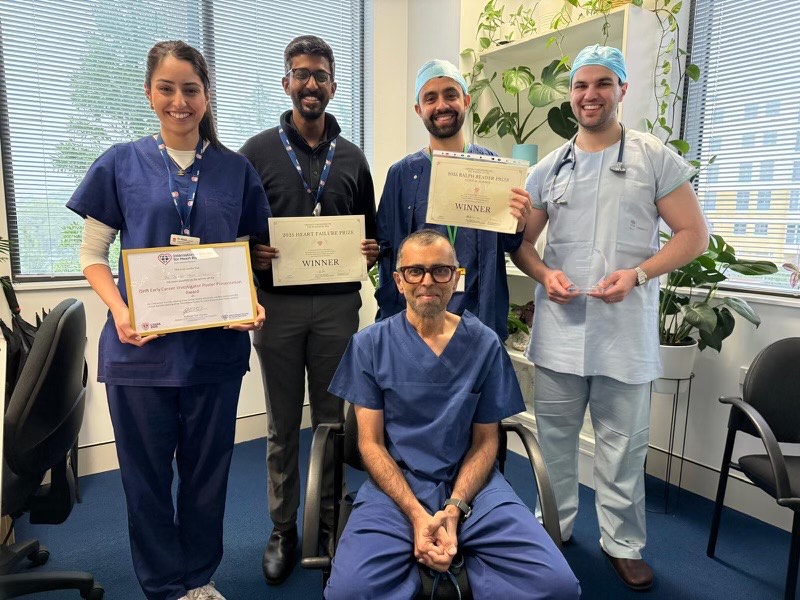
Highlighting the talent and expertise at Royal North Shore Hospital and the Kolling Institute, a group of clinicians took out a collection of coveted awards at the Cardiac Society (CSANZ) scientific meeting.
The most prestigious research award for young investigators across Australia and New Zealand was awarded to cardiologist Dr Karan Rao.
He was presented with the Clinical Ralph Reader Prize for his valuable study of 200 TAVI patients, which used an implantable loop‑recorder to guide post‑procedural care and risk classification.
Dr Hari Sritharan received the Heart Failure Prize for PREDICT‑TAVI, a machine‑learning model that improves individualised mortality prediction after TAVI.
Dr Jonathan Ciofani was named Editorial Fellow of the Year for his leadership at Heart, Lung and Circulation, and Dr Neila Litkouhi won Best Research Poster for the DAY‑STAY TAVI study demonstrating the feasibility and safety of same‑day discharge for selected low‑risk patients after TAVI.
Head of Cardiology at Royal North Shore Hospital Professor Ravinay Bhindi said it was encouraging to see the focus on this group of emerging research leaders.
“As their research supervisor, I felt immense pride watching Karan, Hari, Jonathan and Neila receive well‑deserved recognition for their relentless dedication to cardiovascular research,” he said.
“Their work blends rigorous data collection, machine-learning analytics as well as practical innovation. It is already reshaping clinical practice and promises to drive even greater advances in patient care.”
Our investigators are driving world-leading research into some of the most significant health challenges, from heart and kidney disease, chronic pain and cancer, to musculoskeletal, neurological and age-related conditions.
With a large share of our researchers named amongst the top two per cent in the world, the Kolling Institute continues to build on its research success.
As you read through the Year in Review, we would like to extend our thanks to our dedicated researchers and the many wonderful donors who help us deliver real improvements to the care we receive.
A career dedicated to improving the physiotherapy management of people with spinal cord injury has been recognised with the highest honour by the International Spinal Cord Society.
Leading physiotherapist and researcher Professor Lisa Harvey was presented with the gold medal in front of the world’s best spinal cord injury clinicians and researchers in Belgium.
Professor Harvey, who works at the John Walsh Centre for Rehabilitation Research in close collaboration with the Spinal Unit at Royal North Shore Hospital, received the award for her outstanding contribution to the field of spinal cord injuries.
Lisa has held many positions with the international society over the last three decades, including chair of the Education Committee, Editor-in-Chief of the society’s official publication, Spinal Cord, board member and now chair of the Science and Research Committee.
She has been instrumental in the development of online training for healthcare professionals treating people with spinal cord injuries and has overseen the development of freely available software to support physiotherapists prescribing exercises.
These resources can be found at www.elearnSCI.org and www.physiotherapyexercises.com
Lisa has taught physiotherapy management for people with a spinal cord injury in most corners of the world and has authored the leading textbook in the field. Along with colleague, Joanne Glinsky, Lisa runs online courses for up to 25,000 students.
She is also an active researcher, publishing widely and supervising PhD students. She is currently leading one of the largest international clinical trials to examine the effectiveness of a type of physiotherapy in the early days after injury.
Lisa said she was very grateful to receive the top honour which brings an invitation to deliver a plenary lecture at the society’s conference in Sweden in November.
“I feel particularly proud to have received the International Spinal Cord Society gold medal on behalf of allied health professionals, especially physiotherapists everywhere who have never been recognised in this way,” she said.
“I would like to pay particular tribute to Associate Professor Joanne Glinsky who has been instrumental to my career and who, along with Claire Boswell Ruys, nominated me for this award.”
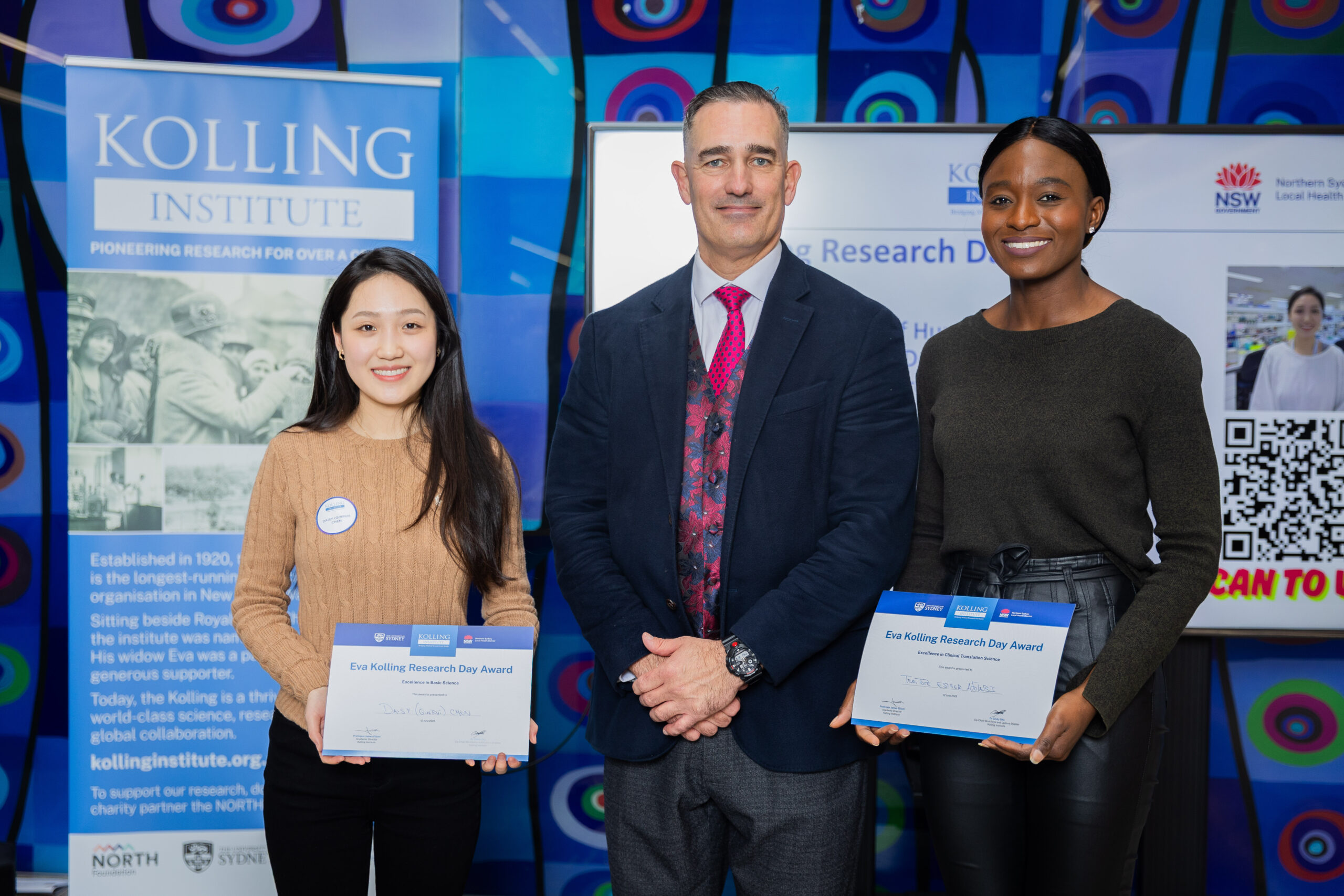
The inaugural Eva Kolling Research Day was staged within Royal North Shore Hospital, providing the perfect chance to celebrate the vision and generosity of a true pioneer.
Established in 1920, the Kolling Institute is the oldest medical research institute in New South Wales. It has been at the forefront of cutting-edge research for more than a hundred years, with its founding director Dr W. Wilson Ingram opening the first clinic for diabetes treatment in Australia.
In 1931, a new two-storey building was officially opened and named the Kolling Institute of Medical Research after businessman Charles Kolling. His widow Eva was a strong supporter of research and made a substantial donation towards the development of the new building.
The Kolling Institute’s iconic photo features Eva laying a foundation stone.
Her vision and the long-standing impact of the Kolling were highlighted at the inaugural research day by Royal North Shore Hospital honorary archivist Catherine Storey OAM, who shared insights into the Kolling’s remarkable journey.
The institute’s Academic Director Professor James Elliott said the event offered the chance for researchers to engage with visitors, to learn more about the health challenges facing the community, and to share details of their current research.
“A key part of our research success will depend on the strength of our community ties, including community driven clinical trials and broad community involvement,” he said.
“I would also like to thank the NORTH Foundation for their unrelenting support, and for raising awareness of the dedicated and skilled clinician researchers within the Kolling Institute.”
Early-to-mid-career researchers presented a poster display, illustrating their commitment to improving health outcomes, driving new health policy, and realising global reach.
Two awards were announced on the day, including an Excellence in Clinical Translation Science gong to Temitope Esther Afolabi from the Kolling’s Lab of Ageing and Pharmacology, and an Excellence in Basic Science award to Daisy (Qinrui) Chen from the Renal Research Lab.
We would like to congratulate one of our emerging leaders at the Kolling Institute who has received a prestigious award at an international conference in Melbourne.
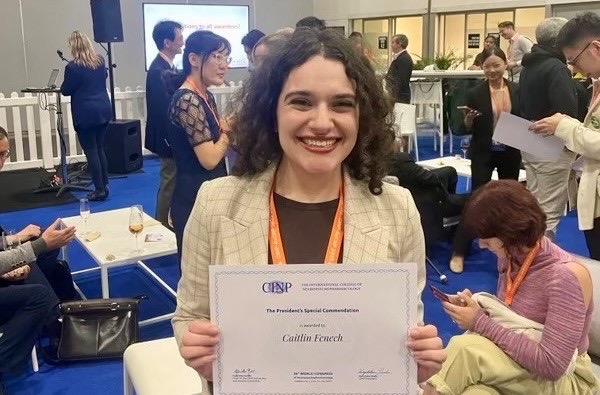
In her final year of her PhD, Caitlin Fenech has been presented with a President’s Special Commendation award at the 36th World Congress of Neuropsychopharmacology, CINP-AsCNP 2025.
Caitlin has also taken to the stage today to deliver a presentation and informative poster.
She has welcomed the experience and her encouragement award.
“Receiving recognition at an international conference is very exciting, especially as my PhD story is finishing up, and it has come out as an interesting story,” she said.
“For the award application, I sent in my abstract and a 150-word statement of the reason why I wished to be considered for the encouragement award.
“In my statement, I described my passion for neuroscience and eagerness to meet other passionate individuals studying the brain.
“My research is investigating the role of a group of neurons in the midbrain in chronic pain. We have found a novel pain circuit in the brain that controls both sensory and emotional responses and is changed following chronic pain.
“This is really exciting as these insights increase our knowledge of how pain and chronic pain are processed in the brain, and will help develop effective treatments for pain conditions in the future.
“Excitingly, the team will be submitting the data for publication in the next few months.”
Head of the Neurobiology of Pain Laboratory within the Kolling Institute, Associate Professor Karin Aubrey is thrilled Caitlin’s efforts have been recognised.
“The findings of Caitlin’s PhD project have advanced our understanding of how the brain senses pain and organises our responses to pain in normal conditions and how it changes when chronic pain develops,” she said.
“This information is essential for developing medications that address chronic pain specific dysfunctions.”
“It’s been wonderful to see a talented, emerging researcher recognised in this way.”
The international conference has brought together experts from research and medical institutions, worldwide regulatory authorities and major pharmaceutical companies.
The theme this year is Advancing Intelligent Horizons Towards Brain Health, with the presentations are focusing on pain, schizophrenia, depression and addiction.
Internationally respected clinical academic Professor Paul Glare has been named a Member of the Order of Australia for his significant service to medicine in the fields of pain management and palliative care.
Professor Glare is a specialist physician in pain medicine and senior researcher with the Kolling Institute.
He is the Director of the Michael J Cousins Pain Management Research Centre at Royal North Shore Hospital, the Chair of Pain Medicine with the Northern Clinical School and Head of Pain Medicine with the Sydney Medical School.
Professor Glare has welcomed the accolade.
“I am very honoured to receive this award, but more importantly, it recognises the importance of advancing the specialities of pain medicine and palliative care,” he said.
“While precision medicine and technological advances are very important for saving lives, the relief of suffering should always be the objective of medicine and healthcare generally.
“It has been rewarding to be part of the Northern Clinical School and the Northern Sydney Local Health District to be able to promote pain and palliative care through the pain management centre at Royal North Shore Hospital and to be able to teach the students from Northern.
“The neuroscience and pain priority research group within the Kolling Institute has also given me great opportunities to continue my research on pain in cancer survivors and the use of mobile health in supporting pain management.”
Two emerging leaders within the Kolling Institute’s Ageing and Pharmacology Lab are gaining attention for their impressive work to improve the quality use of medications.
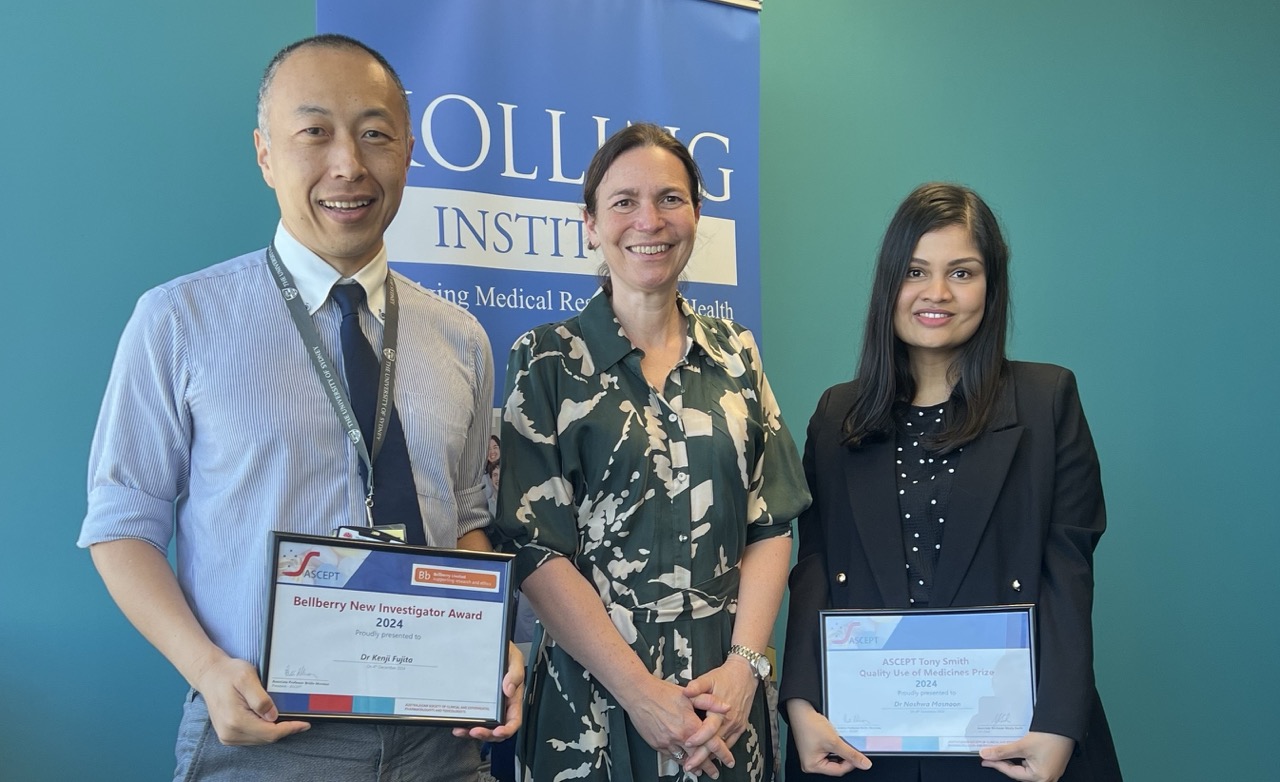
Dr Nashwa Masnoon and Dr Kenji Fujita have received prestigious awards at the annual meeting of the Australasian Society of Clinical and Experimental Pharmacologists and Toxicologists (ASCEPT).
Nashwa, who is also a pharmacist at Royal North Shore Hospital (RNSH), has been awarded the inaugural ASCEPT Tony Smith Quality Use of Medicines Prize.
Head of the Ageing and Pharmacology Lab Professor Sarah Hilmer said this new prize is aimed at recognising influential researchers promoting the quality use of medicines.
“Nashwa is well known to many across the Northern Sydney Local Health District as a previous Medication Safety Pharmacist and as the Drug Burden Index Stewardship Pharmacist at RNSH, Ryde and Hornsby hospitals during a recent clinical trial,” she said.
“We are thrilled that she has been recognised for her work, which analysed data from hospital medication reviews of older patients in six hospitals across Sydney.
“The award will give Nashwa an opportunity to participate in a Science Meets Parliament event next year where she will be able to discuss crucial research and healthcare issues with federal political leaders.”
In another sign of the strength of the Ageing and Pharmacology research group, Dr Fujita was awarded the Belberry New Investigator Award, recognising him as an emerging leader in pharmacology.
“This award was based on Kenji’s large body of research using big data analysis to understand geriatric pharmacology and improve the quality use of medicines in older adults,” said Professor Hilmer.
“Kenji has applied his deep knowledge of pharmacy, pharmacology and data analysis to collaborative research spanning bench to bedside. His research findings will improve the use of medicines to enable healthy ageing.”
Professor Hilmer said it was encouraging to see two members of her team honoured for their substantial research progress.
The awards were presented at the annual scientific meeting of ASCEPT in Melbourne.
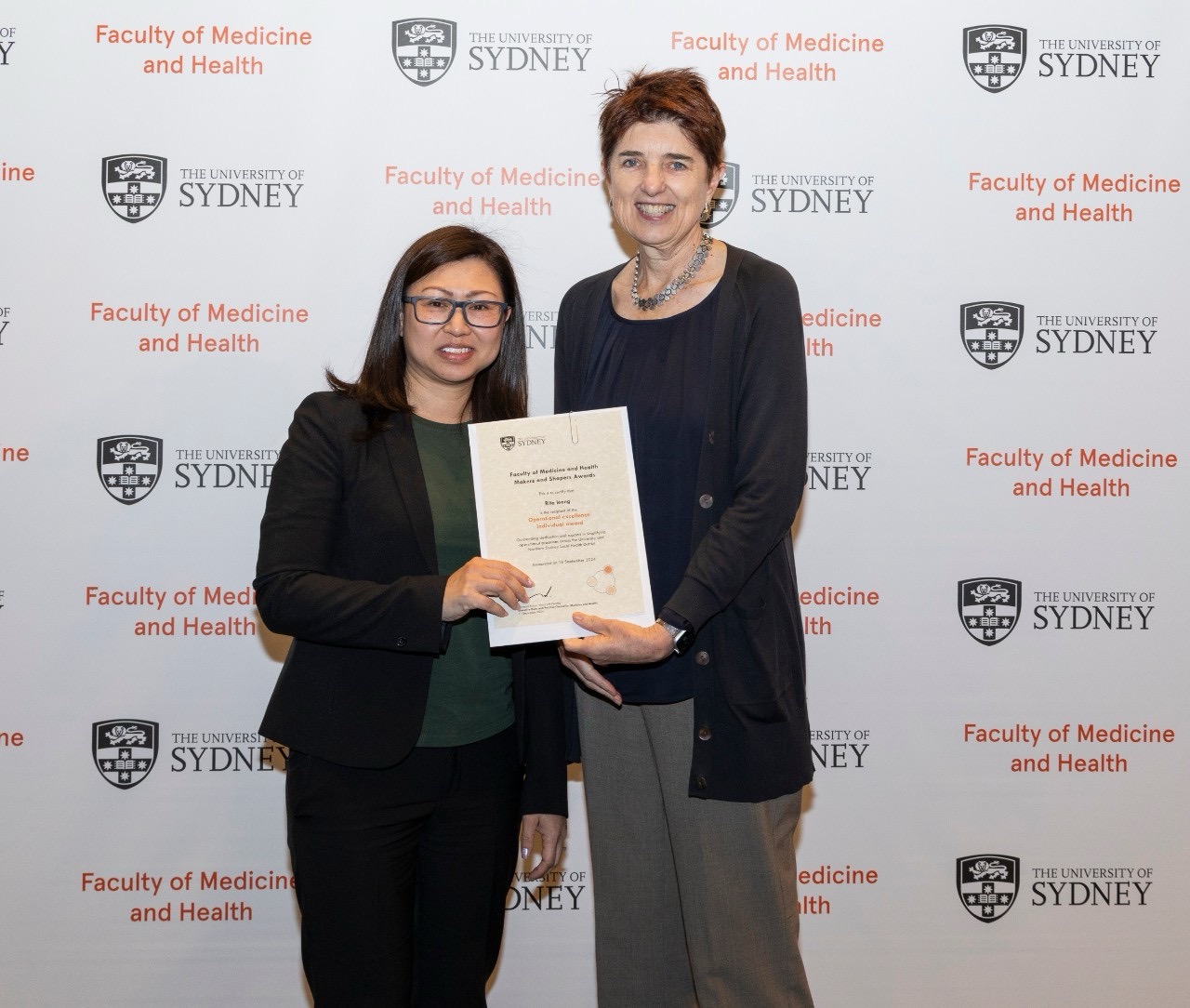
We would like to congratulate one of our quiet achievers who has taken out a coveted University of Sydney Makers & Shapers award. Executive Dean and Pro Vice-Chancellor Professor Robyn Ward presented Rita leong with her award for her outstanding dedication and support.
As the Northern Clinical School’s Corporate Services and Administration Officer, Rita has expertly simplified processes across the University and the Northern Sydney Local Health District, and her efforts have been recognised with the Operational Excellence award.
Professor Ward said the award recipients have demonstrated exceptional performance in their respective areas, and it’s fantastic that their peers have celebrated their efforts across the Faculty of Medicine and Health.
Congratulations to Rita for her dedication to making and shaping the future of health.
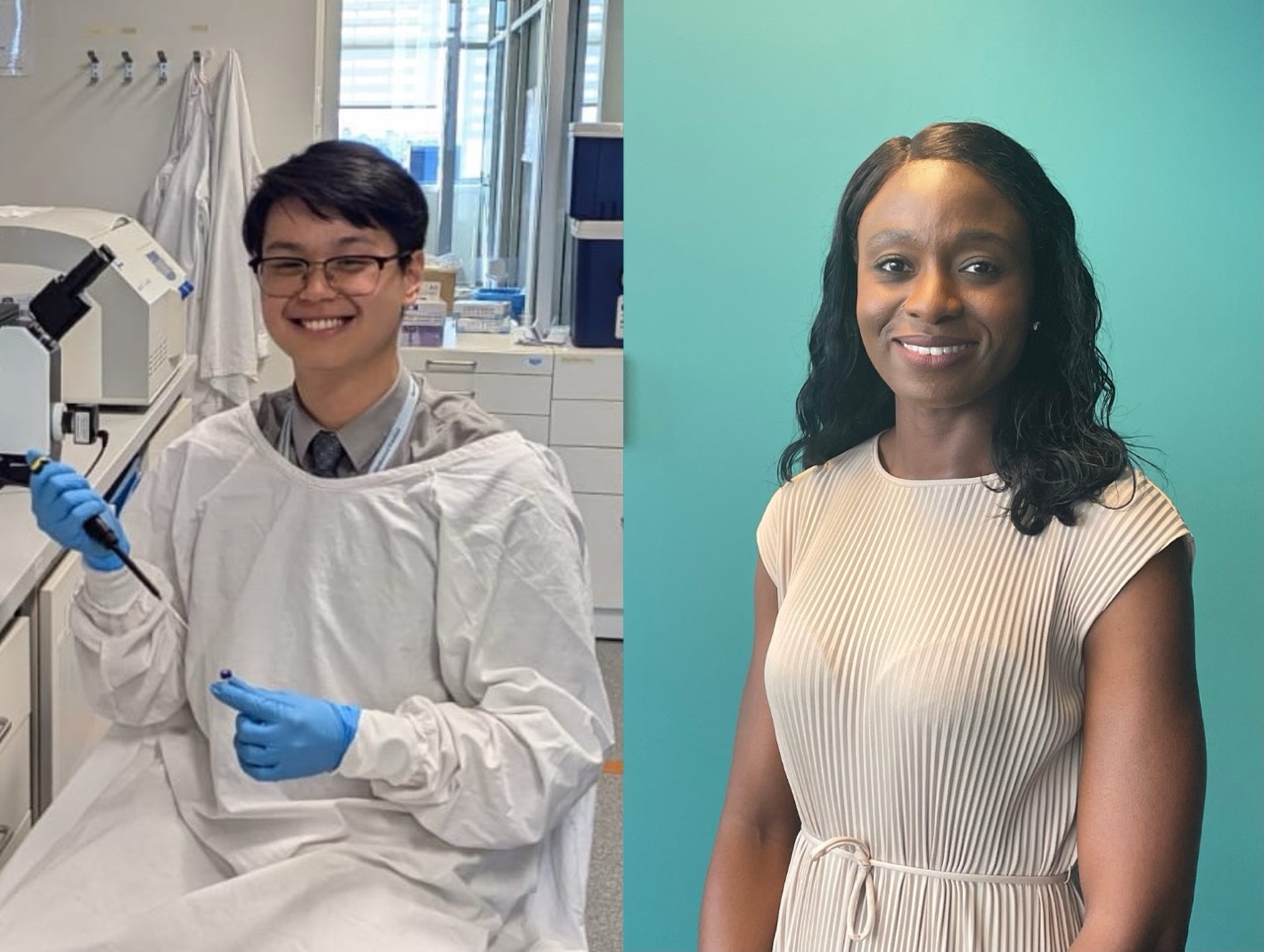
Two of the Kolling Institute’s emerging leaders are gaining attention after receiving the ATA Scientific Encouragement Award.
The award, which was launched more than a decade ago, aims to provide young scientists with financial assistance to further their education and attend scientific meetings and conferences.
Scientific officer Kevin Winardi from the Kolling’s Lab of Ageing and Pharmacology will attend two bioinformatics conferences after receiving the award.
His work focuses on understanding the molecular mechanisms behind drug-related harms in older people, and whether the adverse effects of medications can be reversed once the medications are stopped.
Kevin’s goal is to expand his research into pharmacology, ageing biology and systems biology to enhance the care of older people.
Attending the conferences will provide Kevin with a valuable opportunity to explore a new bioinformatics tool and connect with leading national experts.
His colleague from the Lab of Ageing and Pharmacology PhD student Temitope Esther Afolabi has also taken out an encouragement award, which will help her attend a medications management conference in South Australia in November.
Esther will deliver a presentation at the event, detailing her work to improve the quality use of medications by older people through an online patient decision support tool.
Esther believes the tool could be a safe, evidence-based and cost-effective innovation to promote optimal health.
Kevin and Esther would like to thank ATA Scientific for the important opportunities provided through their encouragement awards.