
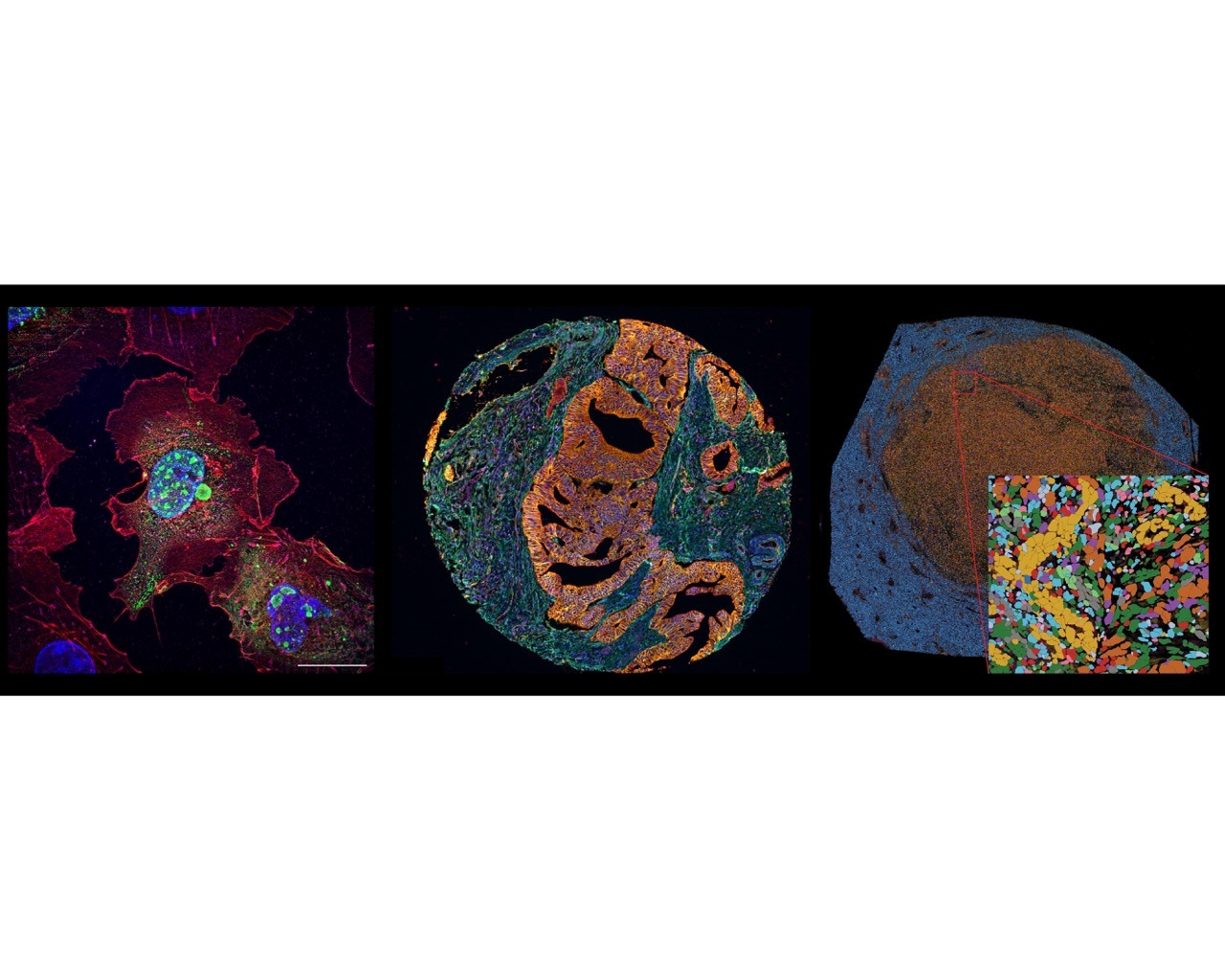
Pancreatic cancer continually evolves to adapt, survive and thrive. Statistics are dismal, as 5-year survival of patients diagnosed with this cancer remains below 13%. Our leading researchers are investigating the dynamic biological mechanisms that drive the therapy-resistant nature of pancreatic cancer. This insight will be used to generate new tailored anti-cancer therapies that will overcome this resistance and revolutionise clinical cancer treatment.
Our Snow Medical funded program’s early insights have revealed the integral role of genomic alterations in cancer cells and specific cues from the environment in driving pancreatic cancer progression. Using state-of-the-art disease model and advanced single-cell and spatial technologies, our researchers will resolve the dynamic programs that enable pancreatic cancers to evade therapy, by solving three key questions:
- Why are majority of pancreatic cancers inherently resistant to therapy?
- What dynamic processes enable therapy-responsive cells to rapidly transform into a therapy-resistant tumour?
- How does the host and cellular (intra-tumoural) environment promote treatment resistance?
The Pancreatic Cancer Therapeutics Research Program brings together an integrated network of leading cancer researchers, clinicians, community members and industry partners to discover, refine and increase access to novel, contemporary treatments for Australian patients diagnosed with pancreatic cancer.

The Pancreatic Research Group is proudly supported by the Snow Medical Research Foundation. Snow Medical’s support enables our team to undertake innovative biomedical research aimed at improving outcomes for people affected by pancreatic disease.
Cancer
Team Lead
Professor Marina Pajic
Snow Fellow, Koh Chair of Pancreatic Cancer Research
Head, Pancreatic Cancer Therapeutics Research Program
Faculty of Medicine and Health
The University of Sydney
Team Members
Dr Dannielle Upton
Snow Program Manager
Faculty of Medicine and Health
The University of Sydney
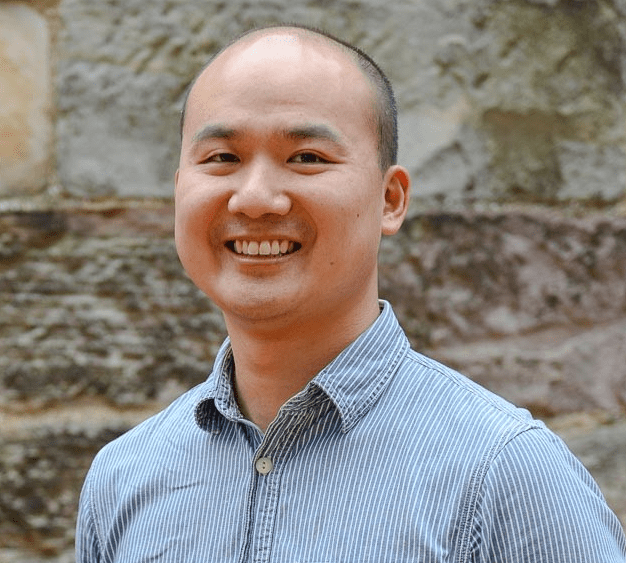
Dr Dannel Yeo
Senior Lecturer
Faculty of Medicine and Health
The University of Sydney

Dr Diego Chacon Fajardo
Snow Postdoc, Senior Lecturer
Faculty of Medicine and Health
The University of Sydney
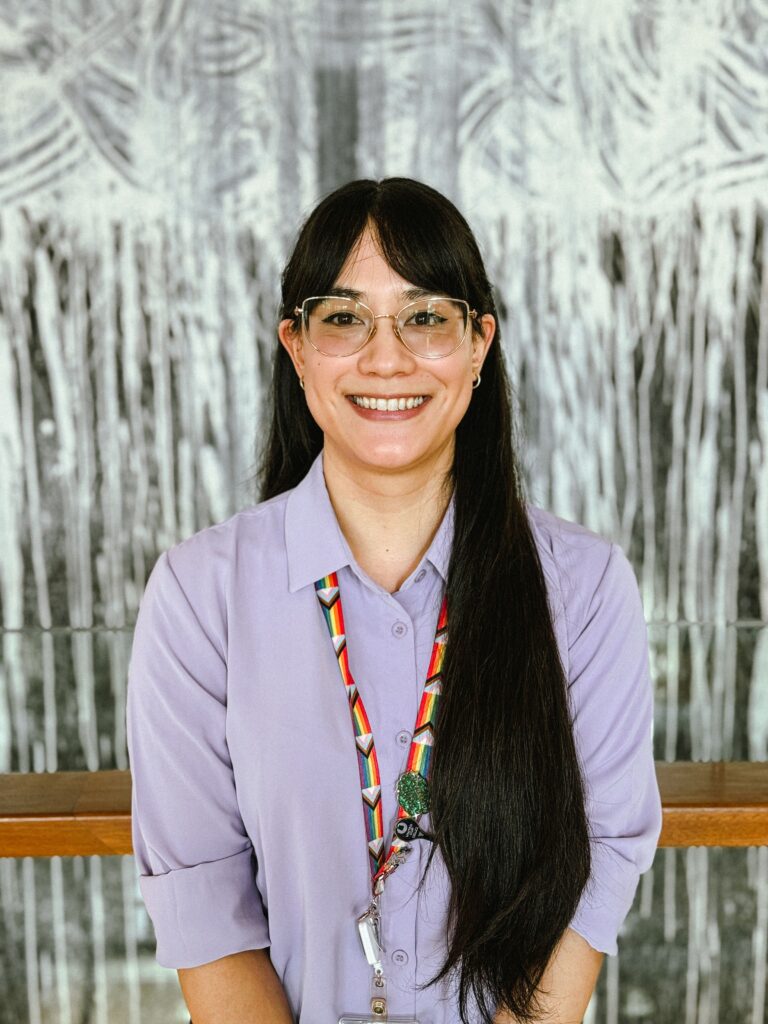
Dr Diana Schuhmacher
Associate Lecturer
Faculty of Medicine and Health
The University of Sydney

Dr Matteo Golo
Dare to Hope Research Fellow
Associate Lecturer
Faculty of Medicine and Health
The University of Sydney
Dr Yasir Mahmood
Research Assistant
Faculty of Medicine and Health
The University of Sydney

Sophie Thomson
Research Assistant
Faculty of Medicine and Health
The University of Sydney
Lei Lottice Anne Castillo Piad
Animal Research Assistant
Faculty of Medicine and Health
The University of Sydney
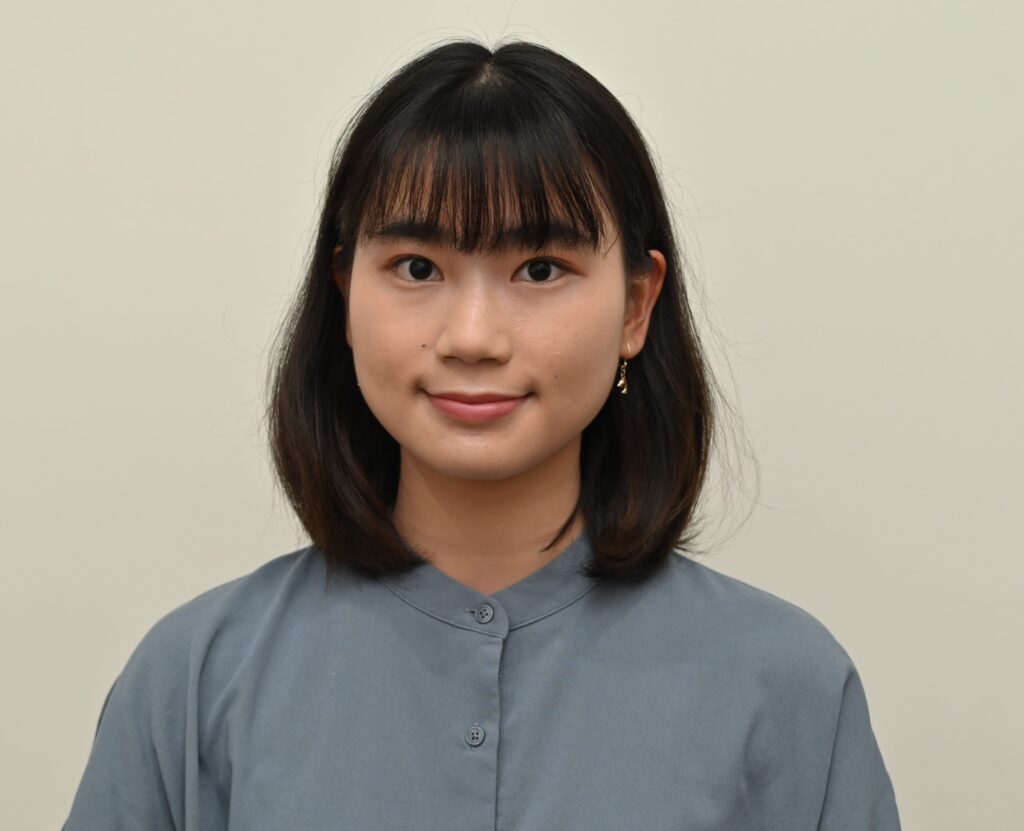
Dr Johana Luhur
Associate Lecturer
Faculty of Medicine and Health
The University of Sydney
Utilising clustered regularly interspaced short palindromic repeats (CRISPR) gene editing of tumours, our program will identify critical new cancer vulnerabilities, and promising new targets. CRISPR gene-editing tools play an important role in the discovery of novel drug targets and cancer dependencies, with direct implications for the design of optimal treatment strategies in precision medicine. By integrating CRISPR editing with single cell sequencing techniques, we will be able to systemically assess how complex mutational landscapes and tumour heterogeneity influence and impair functional immune response, and identify new ways of turning on anti-tumour immunity.
Our researchers are labelling tumours using advanced barcoding techniques to investigate the mechanisms that drive pancreatic cancer metastasis. In this project, our vision is to identify the molecular features of malignant clones within a growing tumour that ‘seed’ lethal metastasis – and the permissive features of the surrounding cancer environment that allow this seeding – to identify new therapeutic vulnerabilities. This will lead to (1) testing of new treatments that target and suppress pancreatic cancer metastasis and (2) identification of potential new contemporary biomarkers for inclusion in future clinical trials.
Our program is developing and applying state-of-the-art preclinical pipelines for testing and validation of novel, personalised therapeutics. These include bioprinted 3D co-culture systems as living replicas of tumours, for effective high-throughput screening of novel treatments. These models are coupled with living biobanks of patient-derived models of cancer in clinical areas of unmet need, including: pancreatic (>80 patient-derived models already established) and head and neck (>30). These patient avatars are enabling generation of vital proof-of-concept treatment efficacy data required for the clinical translation of our discoveries as part of our bench-to-bedside strategy. Finally, establishment of fully immune-humanised models – that is, a mouse with a human patient-derived tumour and human immune cells, will strengthen our drug development capacity for translation into immune-oncology clinical trials for a range of difficult-to-treat cancers.
We plan to couple clinical trials with deep correlative science to: (i) identify accurate companion biomarkers that will guide tailored administration of novel therapies; (ii) provide new biologic insights to understand the basis of drug response and equally importantly, clinical treatment failure and (iii) develop new opportunities to combine targeted therapies and plan next-generation studies.
A complementary, well-annotated repository and analytic pipeline of biological samples from oncology patients recruited as part of our planned novel therapeutic trials will support the research into gaining a comprehensive understanding of the dynamics of treatment response as well as evolution of treatment resistance, to identify new, effective ways of circumventing or targeting this resistance.
Our unique patient-derived research platforms and datasets, developed through our ongoing contributions to the Australian Pancreatic Cancer Genome Initiative (APGI), have supported over 90 large-scale national and international collaborations (over 60 collaborative research publications, including in Nature 2012, 2013, 2015, 2016, 2017, 2020; Science 2020 and others). These resources continue to enable the elucidation of diverse biological mechanisms underpinning pancreatic cancer heterogeneity (https://www.pancreaticcancer.net.au/).
Our researchers also work closely with major pancreatic cancer foundations, community groups (Pankind, Dare to Hope, Purple our World), national trials initiatives (GI Cancer Trials), cancer trials units (RNSH, Lifehouse, Westmead and St Vincent’s Hospitals) and industry partners to determine how new or current classes of anti-cancer agents might best be deployed in the contemporary clinical management of pancreatic cancer.

