
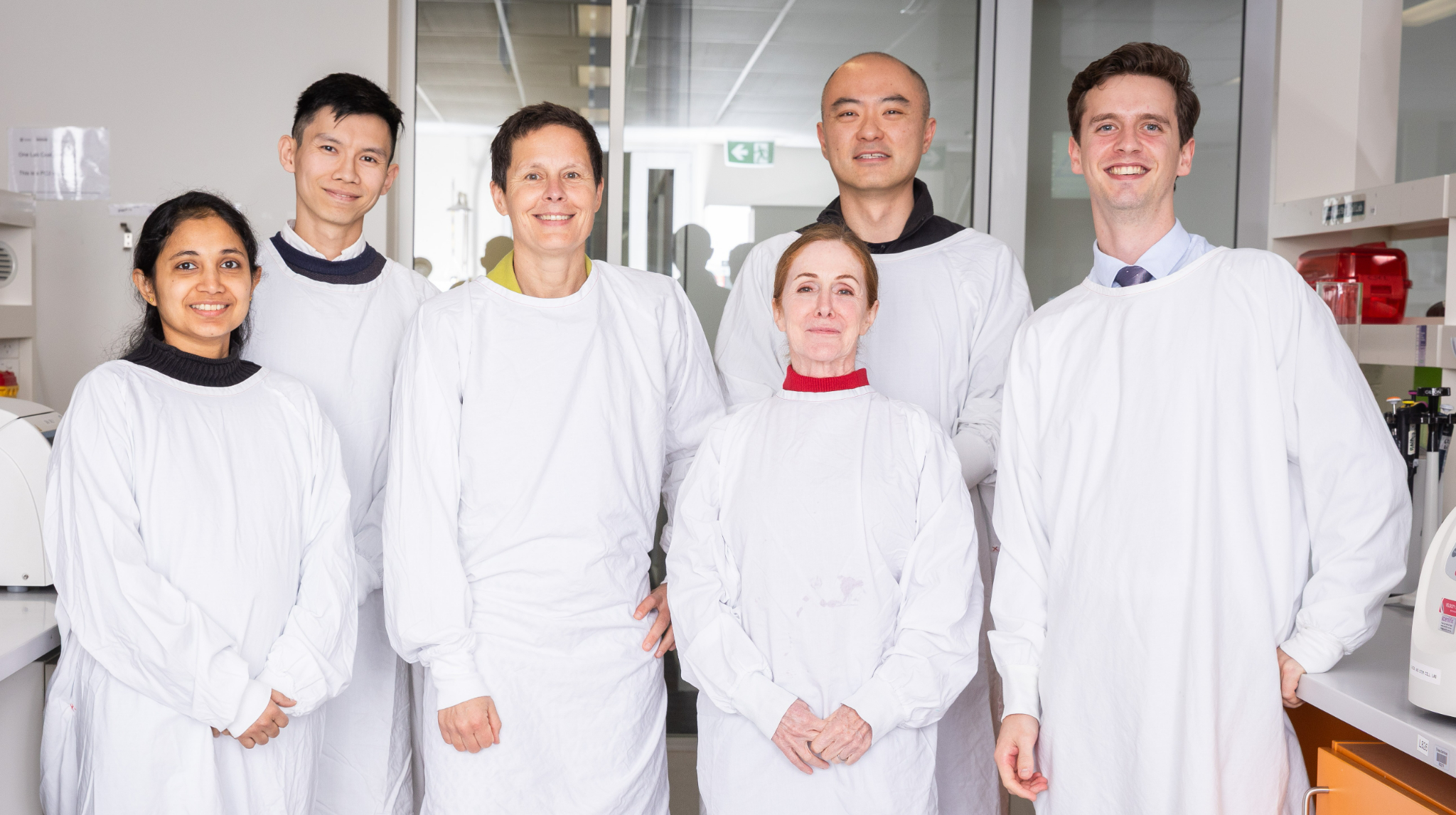
A major research initiative is set to reshape how heart attacks are prevented by detecting heart disease earlier before it leads to a life-threatening event.
Interventional cardiologist and leading researcher Professor Gemma Figtree will lead the three-year program after receiving more than $750,000 from the NSW Government.
Coronary artery disease remains the leading cause of heart attack and sudden cardiac death, yet it often develops without symptoms. The exciting new program will aim to shift the approach from reactive treatment to early detection.
Professor Figtree said researchers will evaluate the health benefits of identifying hidden coronary artery disease, and the economic impact of doing so at scale.
“A key focus of the initiative will be the development of new blood-based biomarkers to detect the disease long before symptoms appear,” she said.
“These simple tests could be used in routine primary care, helping general practitioners to identify high-risk patients sooner and more accurately.”
Researchers will also design clinical pathways to ensure these tools are effectively implemented across healthcare systems.
“Improving access to diagnostics will be another priority, with the program to target communities who have traditionally been underserved, including regional, rural and First Nations communities,” said Professor Figtree.
“By expanding access to advanced screening technologies, the initiative will deliver more equitable care and importantly, better outcomes.
“The project will address a longstanding challenge, where many people experience a heart attack without warning, while others develop severe disease despite having few traditional risk factors like high cholesterol, smoking or high blood pressure.”
The research will combine advanced imaging, large-scale molecular profiling and world-leading clinical research to improve early detection, and clarify why some people are more vulnerable to coronary artery disease than others.
“We hope that ultimately, the program will reduce the incidence of heart attacks and deaths, and improve health outcomes for a large share of the community.”

