
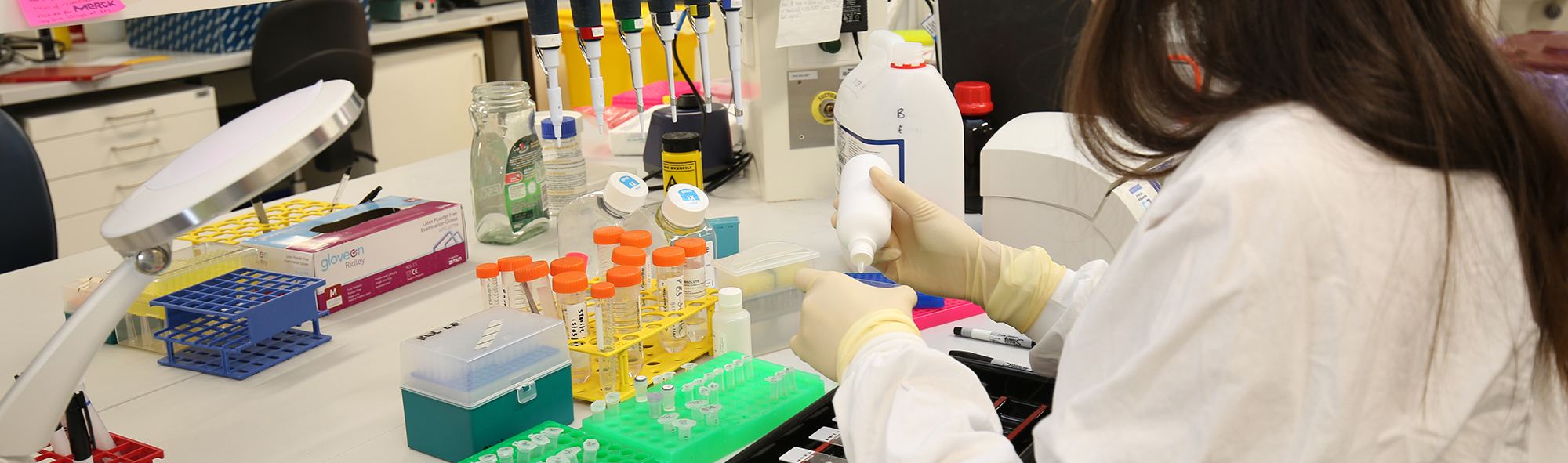
The Kolling Institute Tumour Bank has developed a large and valuable resource to assist research and improve health outcomes. The team manages human biospecimens for a broad range of cancer research.
The tumour bank is a joint venture between the University of Sydney and the Royal North Shore Hospital, Northern Sydney Local Health District.
The tumour bank is certified by the NSW Health Pathology Biobank Certification Program.
The Kolling Institute Tumour Bank has formed strong collaborations with a network of surgeons, clinicians, nursing, theatre, pathology and administrative staff across our two collection sites. These teams help us facilitate research into neurological, endocrine, breast, gynaecological, pancreatic, liver, upper gastrointestinal and colorectal tumours.
The biospecimens are de-identified but linked with relevant health data to provide approved researchers with high quality anonymised specimens. The tumour bank also houses a Healthy Volunteer Bank of blood samples for researchers to compare with known disease samples. It is also a collection site for the INOVATe Study and the ALKternate clinical trial. The tumour Bank is involved in processing study samples for many clinical trials.
The Kolling Institute Tumour Bank collection currently has over 35,800 biospecimens and 11,000 patients who have consented for research use of their specimens collected during surgery. The KITB Ethics approvals cover collections at Royal North Shore Hospital and the North Shore Private Hospital.
The Kolling Institute Tumour Bank supports internal and external researchers, contributing to both local and international studies. Researchers applying to access biospecimens complete a standardised application. All researchers must have current HREC approval for their project before submitting their application.
Team Lead

Professor Roderick Clifton-Bligh
Co-Head, Cancer Genetics Laboratory
Department of Endocrinology
Royal North Shore Hospital

Professor Mark P. Molloy
Co-Chair, Cancer
Team Lead, Bowel Cancer and Biomarker Research Laboratory
Lawrence Penn Chair of Bowel Cancer Research
Faculty of Medicine and Health
The University of Sydney
Honorary Professor, School of Natural Sciences
Macquarie University
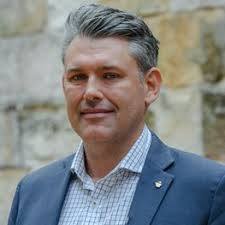
Anthony Glover
Clinical Senior Lecturer, Surgery
Faculty of Medicine and Health
The University of Sydney
Team Members
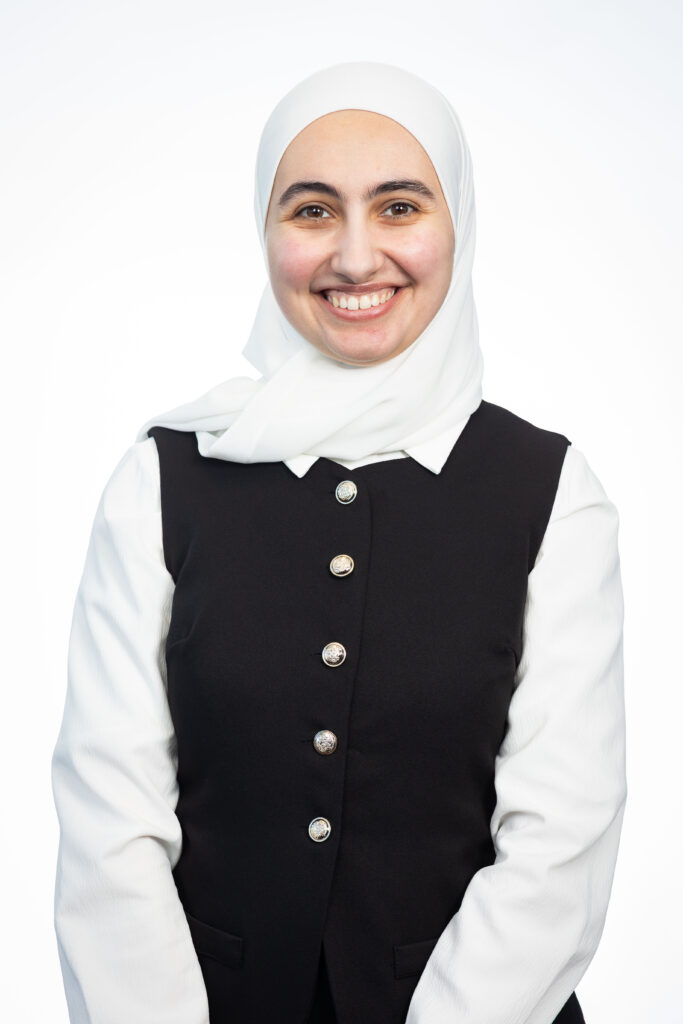
Amaan Hamad
Senior Tumour Bank Officer
Kolling Institute Tumour Bank
This invaluable resource is not only essential in facilitating research but is improvement focused, continually growing and adapting to cater to evolving researcher needs.
Professor Deborah Marsh and Dr David Nevell were awarded a grant from NSW Health Pathology to pilot a biobank focused workflow through the Royal North Shore Hospital Anatomical Pathology Laboratory. This project was a collaboration with NSW Health Pathology, NSW Statewide Biobank, the tumour bank and Anatomical Pathology at Royal North Shore Hospital. The aim was to determine the feasibility of embedding the collection of research biospecimens in Anatomical Pathology by piloting a mutually beneficial biobank workflow.
The Kolling Institute Tumour Bank collaborated on the Cancer Institute NSW Biobanking Stakeholder Network project to enable near real- time data capture using electronic medical records. As part of this project, the tumour bank gained approval to perform data-linkage with health data kept by the Australian Institute of Health and Welfare. Data-linkage involves bringing together information from a host of different sources to fill in any gaps in local hospital medical records. This in turn, provides researchers with a richer dataset to work from and allows them to draw more accurate conclusions from their results. Collaborative relationships such as this facilitate the sharing of varied experiences and knowledge, improving practices throughout the biobanking industry.
Patient consent is paramount for biobanking activities, as collections are driven by informed face-to-face interactions between our staff and prospective donors. Without patient contact, sample collection would discontinue, with major ramifications for future research capabilities using donated biospecimens. In response to the COVID-19 restrictions, new remote consenting methods are being developed. In consultation with our partnering public and private hospitals.
The KITB houses an extensive range of fresh frozen tumour and normal adjacent tissue, formalin-fixed paraffin embedded tissue, tissue slides, whole blood and separated blood components.
The Kolling Institute Tumour Bank works in partnership with oncology surgeons, clinicians and researchers and sources biospecimen from twoprominent collection sites in New South Wales.
Collection Sites:
Northern Sydney Local Health District
- Royal North Shore Hospital
Ramsay Health Care
- North Shore Private Hospital
For more information contact:
(02) 9926 4771
Email: kolling.tumourbanks@sydney.edu.au

