
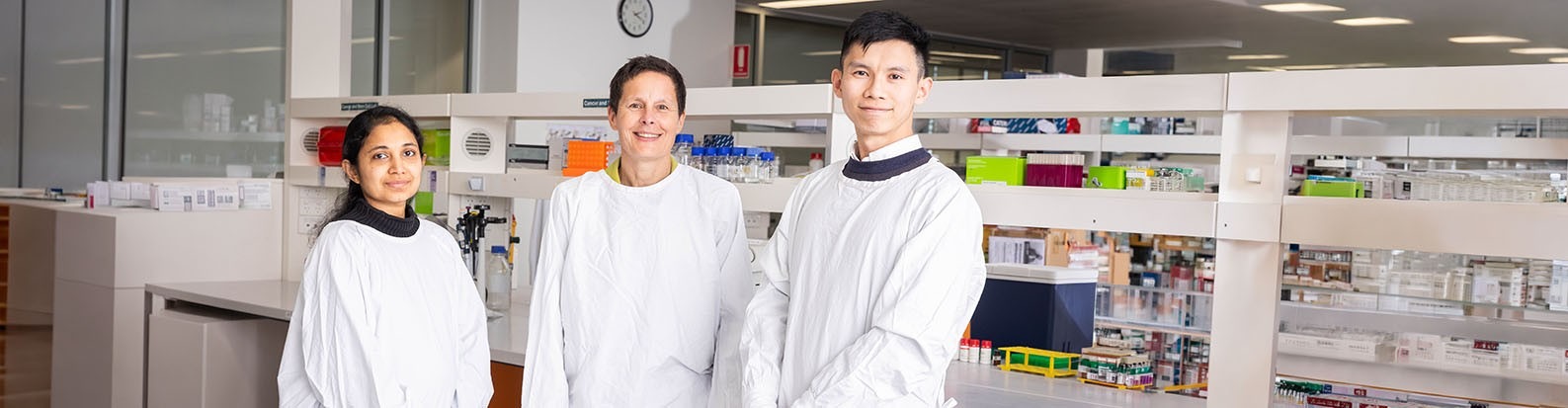
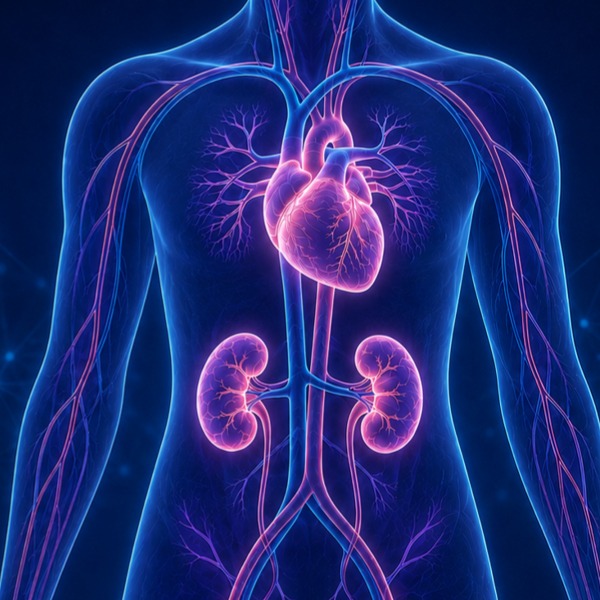
The Cardiovascular Discovery Group is based at the Kolling Institute, Royal North Shore Hospital and the University of Sydney. Led by Professor Gemma Figtree, our multidisciplinary team works to improve the prevention, detection and treatment of cardiovascular disease, Australia’s leading cause of death.
Our research spans laboratory discovery, clinical studies, population health and implementation science. By integrating advanced imaging, molecular profiling, digital health technologies and clinical expertise, we aim to better understand why some individuals develop heart disease while others remain protected despite similar risk factors.
A major focus of our work is identifying new ways to detect cardiovascular disease earlier, personalise prevention strategies and improve patient outcomes. Through large-scale research programs, clinical trials and partnerships with health services, industry and research organisations, we translate scientific discoveries into practical solutions that can be implemented in real-world healthcare settings.
Our research benefits patients, clinicians, health systems and industry by supporting more precise, equitable and effective approaches to cardiovascular care.
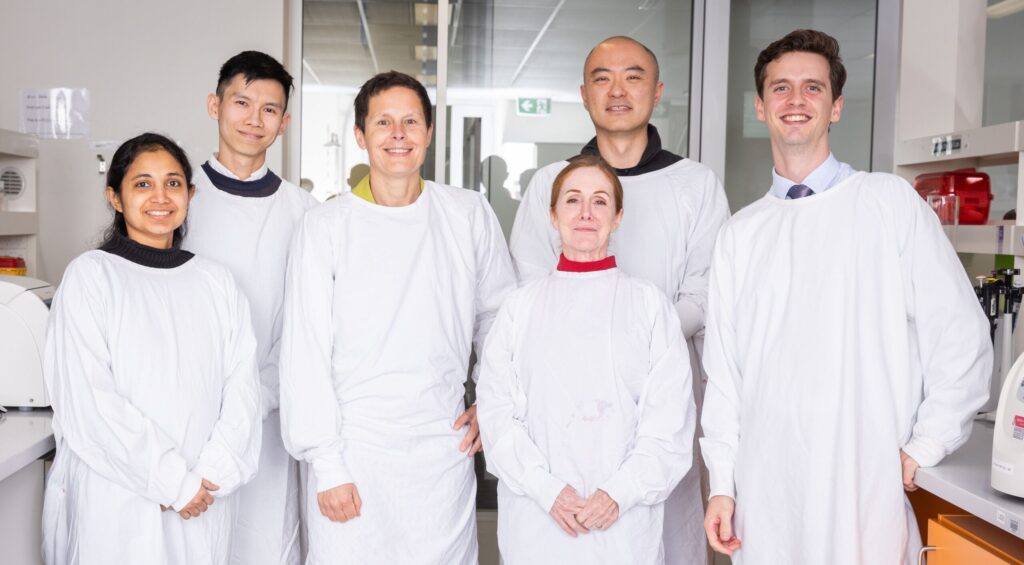
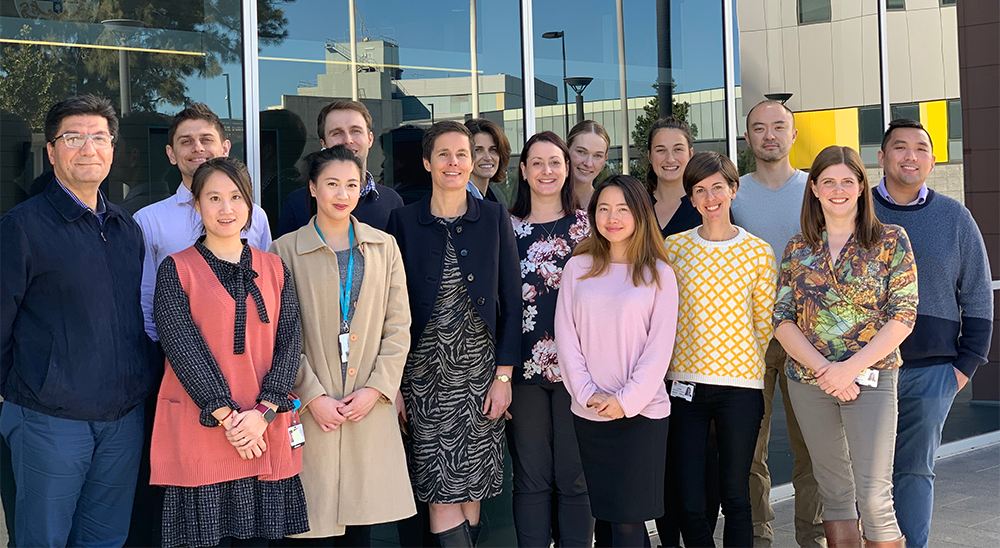
Team Lead
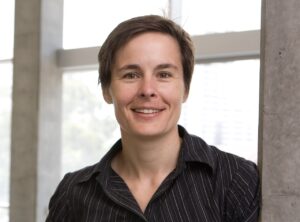
Professor Gemma Figtree
Head, Cardiovascular Discovery Group
Faculty of Medicine and Health
Member of the Charles Perkins Centre
The University of Sydney
Team Members
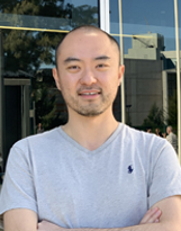
Dr Owen Tang
Research Fellow
Cardiovascular Discovery Group
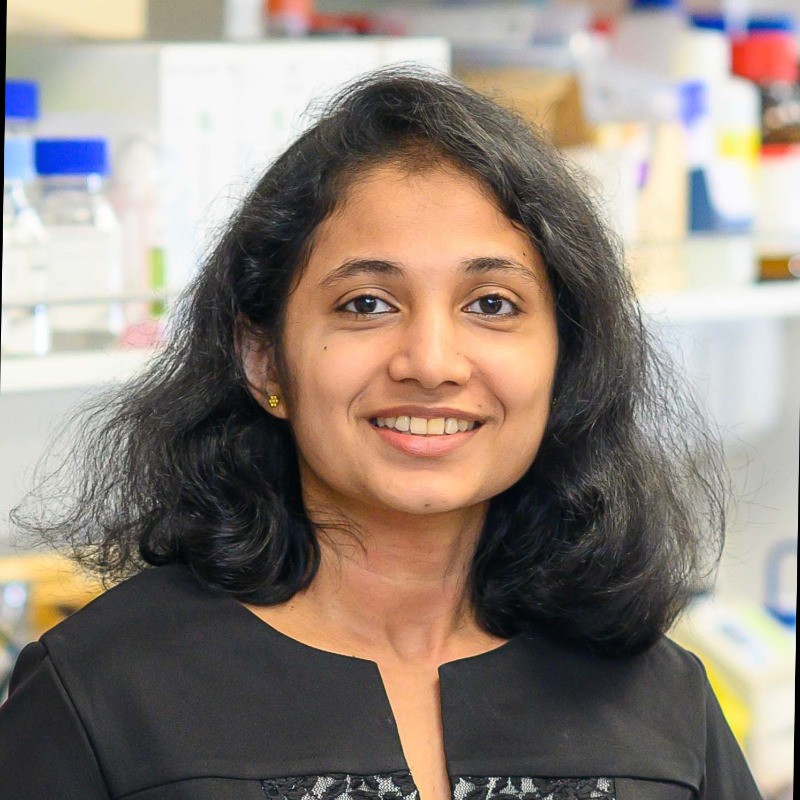
Dr Madhuvanthi Chandrakanthan
Postdoctoral Research Associate

Dr Zara Ali
Operations Manager
Michael Gray
Clinical Research and Strategic Partnerships Manager
Tung Nguyen
Senior Clinical Research Coordinator
Carla Jensen
Clinical Research Coordinator
Suzanne Avis
PhD Student
Faculty of Medicine and Health
The University of Sydney
Daniel Cheng
PhD Student
Faculty of Medicine and Health
The University of Sydney

Cameron Evans
PhD Student
Faculty of Medicine and Health
The University of Sydney
Soloman Saleh
PhD Student
Faculty of Medicine and Health
The University of Sydney
BioHEART is one of Australia’s leading cardiovascular research platforms, bringing together advanced cardiac imaging, blood samples, genomics, molecular profiling and long-term clinical follow-up to better understand why some people develop coronary artery disease while others remain protected despite similar risk factors.
Using this unique resource, our team identifies and validates new biomarkers that can detect disease earlier, improve risk prediction and guide more personalised prevention strategies. We combine state-of-the-art imaging with advanced molecular technologies to uncover biological pathways linked to cardiovascular disease progression, resilience and treatment response.
Beyond biomarker discovery, we are developing innovative diagnostic tools and technologies that have the potential to transform cardiovascular care. This includes novel blood-based assays and translational platforms designed to provide scalable, accessible approaches for earlier detection of heart disease and more precise targeting of preventative therapies.
Together, this work aims to accelerate the translation of scientific discoveries into practical tools that improve cardiovascular health outcomes for patients and communities.
ESCALATE is an innovative research program designed to evaluate new approaches for identifying previously undetected coronary artery disease in the community. Working closely with primary care providers, the study assesses whether emerging biomarkers and diagnostic tools can help identify individuals who may benefit from earlier cardiovascular assessment and prevention strategies.
As we move to a new adaptive clinical trial design, this study will evolve to provide a rapid and efficient pathway to evaluate promising discoveries emerging from our research programs. By accelerating the translation of new diagnostic approaches into real-world healthcare settings, the program aims to improve the early detection and prevention of heart disease at population scale.
Cardiovascular disease continues to disproportionately affect people living in rural, remote and underserved communities. Our research focuses on developing equitable and scalable approaches to cardiovascular prevention, early detection and access to care across diverse populations.
Working in partnership with communities, primary care providers and health services, we investigate innovative models of care that improve access to evidence-based cardiovascular screening and prevention. A particular focus of this work is ensuring that advances in cardiovascular research benefit all Australians, including First Nations peoples and communities with limited access to specialist services.
The Cardiovascular Discovery Group works closely with academic, healthcare, industry and community partners to accelerate the translation of research discoveries into improved cardiovascular health outcomes.
Key collaborators include:
- CAD Frontiers – Translational research and innovation partner supporting industry engagement, community partnerships and the translation of cardiovascular discoveries into clinical impact.
- Royal North Shore Hospital and Northern Sydney Local Health District – Clinical research, and patient-centred studies.
- University of Sydney and the Charles Perkins Centre – Collaborative research in cardiovascular disease, precision medicine, genomics, data science and implementation science.
- Baker Heart and Diabetes Institute – Biomarker discovery, lipidomics and cardiovascular disease research.
- South Australian Health and Medical Research Institute (SAHMRI)– Cardiovascular imaging, clinical trials and translational cardiovascular research.
- Garvan Institute of Medical Research– Genomics, bioinformatics and advanced molecular profiling.
- CSIRO – Population health, preventative health and Indigenous health research.
- La Trobe University – Data science, health systems research and cardiovascular innovation.
- National and international healthcare, research and industry partners- supporting collaborative programs focused on cardiovascular prevention, early detection and precision medicine.

