
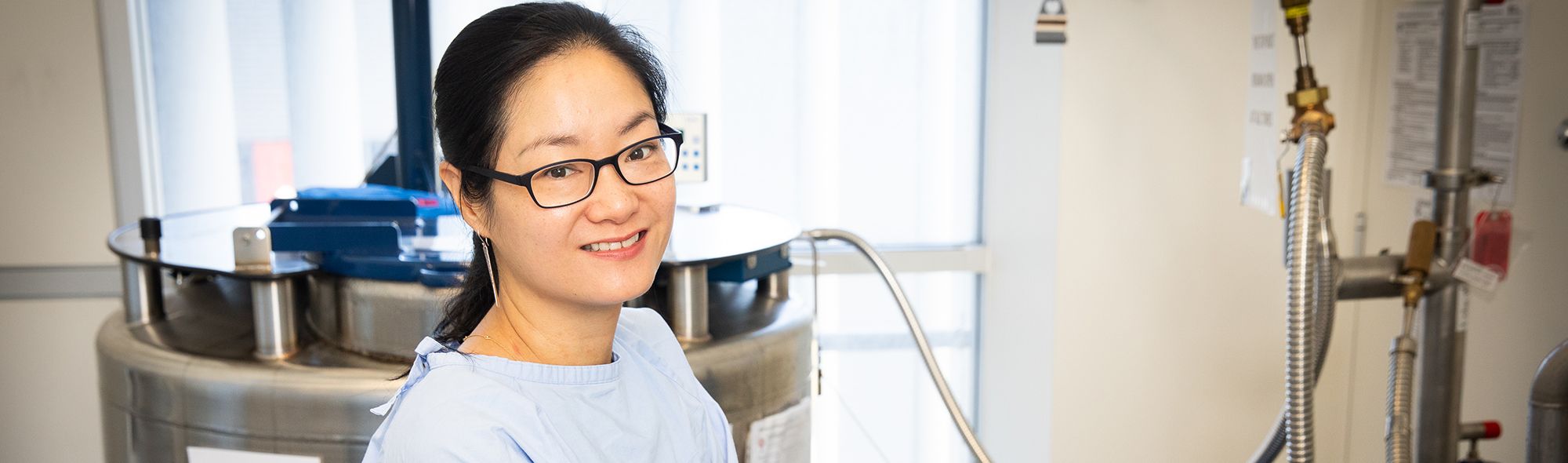
The Murray Maxwell Biomechanics Laboratory works at the interface of engineering, anatomy, and orthopaedic surgery.
We focus on improving the understanding and treatment of musculoskeletal injury and disease through rigorous biomechanical and anatomical investigation. Our research is strongly translational, with a particular emphasis on advancing orthopaedic surgery by evaluating and refining surgical techniques, improving graft and implant performance, and developing new solutions including engineered tissues, sensors, and therapeutic approaches.
The laboratory is committed to delivering research that has clear clinical relevance. By generating high-quality evidence and innovative technologies, we aim to improve surgical precision, reduce complications, and enhance patient recovery and long-term outcomes.
Our work also supports clinicians in decision-making and contributes to the development of next-generation orthopaedic devices and therapies.
Our research benefits patients, healthcare systems, and industry partners by translating scientific insight into improved surgical care and practical innovations in musculoskeletal health.
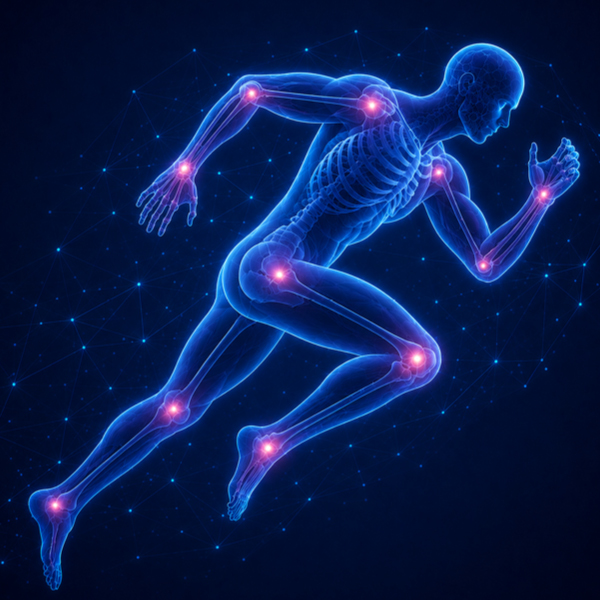
Musculoskeletal and Rehabilitation
Team Lead

Associate Professor Elizabeth Clarke, PhD, BE (Mechanical Biomedical), BSc
Director, Murray Maxwell Biomechanics Laboratory
Kolling Institute
USYD, Faculty of Medicine and Health
Team Members
Dr Carina Blaker
Researcher
Murray Maxwell Biomechanics Laboratory

Samantha Hefferan
PhD Student
Bella Wooldridge
Research Placement Student
Sophie Wines
Research Assistant
Daniel Foley
Research Assistant
Brahman Sivakumar
PhD Student
Carlos Jorges Ramirez
Research Assistant
Oscar Davis
Honours Student
Kelina Bond
Honours Student
Joshua Bates
| Honours Student |
We use robotic joint simulation to improve planning and decision-making in orthopaedic implant surgery, particularly joint replacement. By recreating clinically relevant joint movement in the laboratory, we assess how implant position, alignment, and surgical technique influence function and stability. The goal is to generate evidence that helps surgeons refine procedures, improve implant performance, and support better patient outcomes. This platform also creates opportunities for collaboration with clinicians and technology partners working to improve joint replacement care.
This research evaluates how commonly used fixation and reconstruction methods perform in the repair of injured bones, tendons, and ligaments. The laboratory studies approaches involving anchors, sutures, plates, screws, and wires to understand how they support stability, strength, and surgical success. The aim is to generate evidence that can inform procedure choice, improve reconstruction strategies, and support the development of safer and more effective surgical devices. This work is directly relevant to clinicians, healthcare systems, and medical technology partners.
This project is building a high-quality, open-access evidence database on the structure and mechanical behaviour of human tendon, ligament, and cartilage. The aim is to support better graft selection, improve tissue replacement strategies, and guide the development of engineered solutions for musculoskeletal repair. By providing a stronger foundation for reconstruction and replacement, this work has relevance for surgical care, tissue engineering, regenerative medicine, and medical innovation. It also supports collaboration across research, healthcare, and industry focused on improving treatment options for patients.
This project explores sensor-based technologies that can provide better measurement and feedback during orthopaedic surgery and related musculoskeletal care. The aim is to support more informed surgical decision-making, improve precision, and help translate objective data into practical clinical use. By developing and evaluating new sensing approaches, the laboratory is contributing to innovation at the interface of surgery, engineering, and medical technology. This work has potential benefits for patients, clinicians, and industry partners developing the next generation of surgical tools and systems.
This work examines how joint injury can lead to ongoing mechanical changes that affect function, recovery, and the risk of later disease. The laboratory investigates how damage to cartilage, ligaments, and other joint structures may contribute to persistent symptoms, repeat injury, and osteoarthritis over time. The goal is to improve understanding of why some injuries have lasting consequences and to identify evidence that can guide prevention and treatment. This research has important implications for patients, clinicians, and health systems.
The Murray Maxwell Biomechanics Laboratory works with a range of clinical, academic, and industry partners to support research translation, innovation, and real-world impact across orthopaedic surgery and musculoskeletal health.
- Orthopaedic implant and medical device companies – industry partnerships focused on clinically relevant research, including implant evaluation, device testing, and collaborative studies using commercial components in surgical and biomechanical research.
- Clinical collaborators and surgeon researchers – partnerships that help identify important surgical questions, refine research priorities, and ensure findings are relevant to patient care and orthopaedic practice.
- Academic collaborators in Australia and internationally – research partnerships spanning biomechanics, anatomy, surgery, and musculoskeletal science, including collaborations that support comparative studies, shared methods, and joint research development.
- International tissue research collaborators – partnerships supporting the Human Tissue Atlas and related studies, with opportunities to expand collaboration in tissue characterisation, graft selection, and tissue replacement research.
- Medical technology and sensor development partners – collaborations focused on developing, testing, and applying sensor technologies for surgical measurement, device evaluation, and integration with existing clinical or engineering systems.
- Industry partners in translation and commercial development – engagement with partners interested in co-development, evaluation, licensing, or investment pathways for emerging technologies arising from the laboratory’s research.
- External partners in injury and disease modelling – collaborative opportunities with academic, pharmaceutical, and device groups seeking to evaluate therapies, diagnostics, or interventions relevant to joint injury and longer-term musculoskeletal outcomes.

