Cancer
At the Kolling Institute, our cancer research aims to identify and overcome the factors that drive cancer development so that we can improve patient outcomes.
We have a number of cancer research teams with world-leading expertise, specialising in chemotherapy resistance, immunotherapies, genetics, epigenetics, diagnostic services and clinical trials. Importantly, these teams have access to an active tissue bank, and the latest equipment and technology.
Our cancer research rapidly implements laboratory findings into clinical practice. By bringing together research scientists, clinicians and allied health professionals, we are able to combine innovative research with personalised treatment strategies for cancer patients.
Areas of strength








Leadership Group
Prof Mark P. Molloy, PhD | Lawrence Penn Chair of Bowel Cancer Research
The University of Sydney | Northern Clinical School
Faculty of Medicine and Health
Honorary Professor | Dept. Molecular Sciences, Macquarie University
Secretary | Australasian Proteomics Society
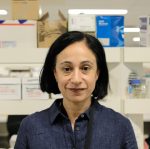
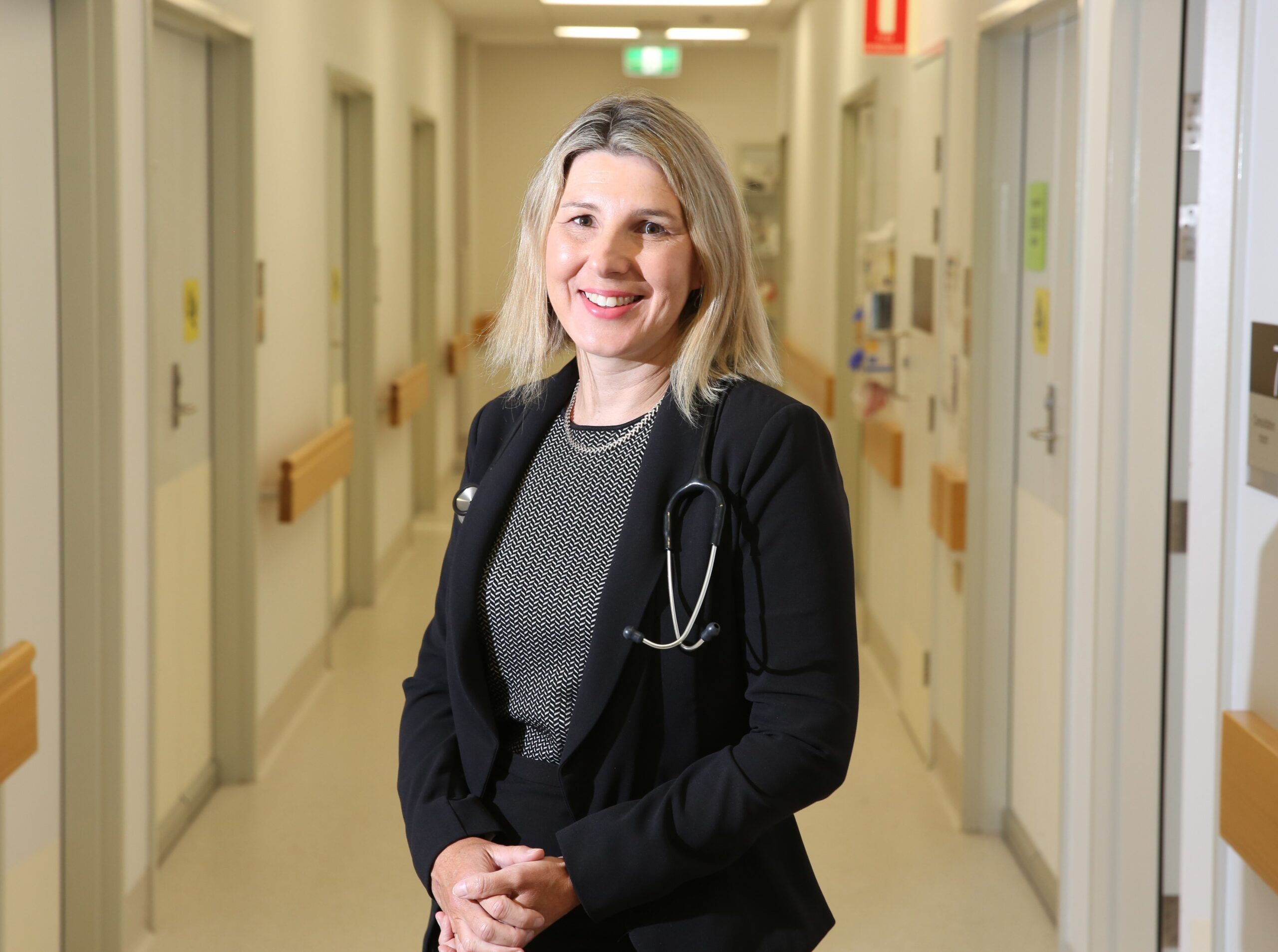
Associate Professor Connie Diakos BSc(Hons), PhD, MBBS, FRACP, MRACI CChem
Appointment: Conjoint Senior Lecturer, Sydney Medical School (Northern), Faculty of Medicine and Health, The University of Sydney
Leadership Group members:
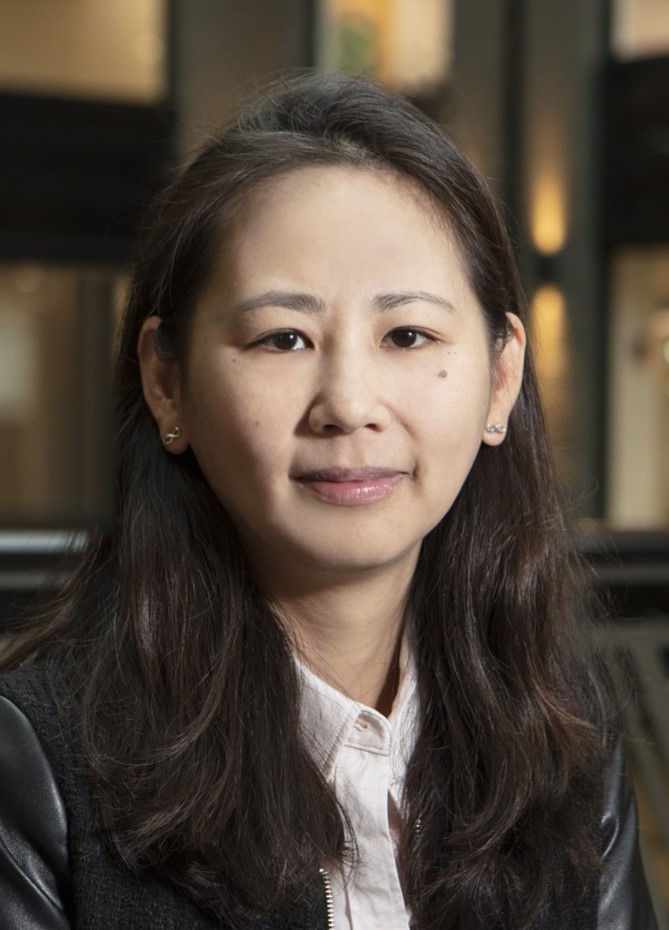
Professor Christine Lu
School of Pharmacy, University of Sydney
Chair of Clinical Pharmacy, Northern Sydney Local Health District
Clinical Pharmacology Research Group

Professor Roderick Clifton-Bligh
Head, Cancer Genetics Laboratory
Department of Endocrinology, Royal North Shore Hospital
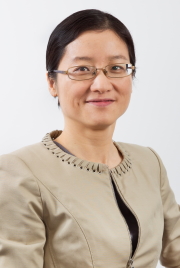
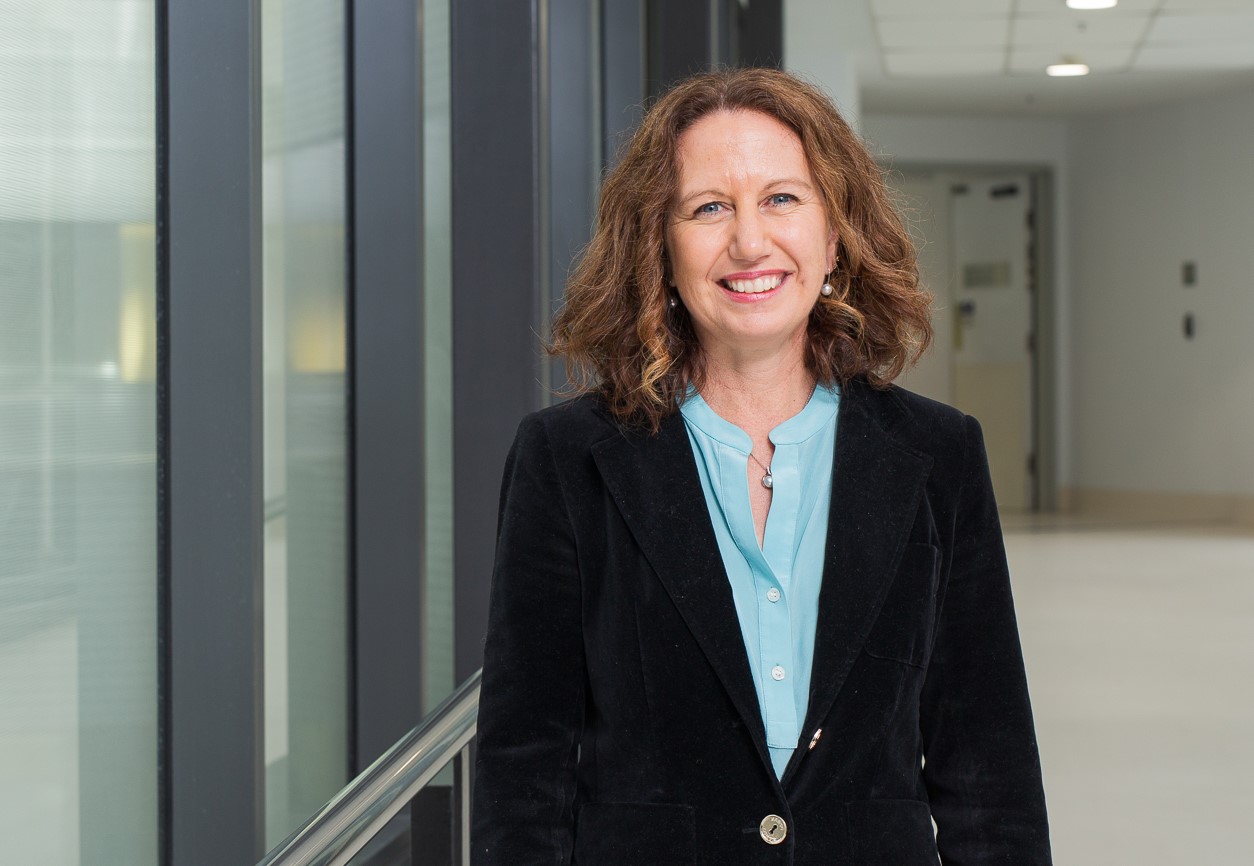
Associate Professor Jenny Wang
Head, Cancer and Stem Cell Laboratory
School of Medical Sciences
Kolling Institute
Jenny is an internationally recognised expert in cancer and stem cell research. She undertook postdoctoral research in leukemia stem cell biology at Harvard Medical School. After publishing her first-author paper in Science and co-author paper in Nature, she returned to Sydney in 2011 and established her own independent stem cell group in 2013. Her research was the first to link Wnt/β-catenin pathway to leukemia stem cells. Her research group expanded this breakthrough finding to link G protein-coupled receptors to β-catenin activation. The seminal discoveries are particularly important because G protein-coupled receptors are targets for 50 per cent of marketed drugs in non-cancer disease but their role in cancer remains unexplored. Her research provides evidence-based repurposing of non-cancer GPCR drugs for cancer therapy. In collaboration with OncoMed Pharmaceuticals USA, her research group has recently demonstrated therapeutic efficacy of GPCR-associated drug in relapsed acute myeloid leukemia, resulting in current translation of the innovative stem cell-targeted therapy into clinical trials to directly benefit patients with deadly blood cancer.
Over the past nine years, Jenny has secured more than $6 million in competitive research funding as a principal investigator, including three NHMRC project grants, along with grants from the ARC, the Cancer Institute, Cancer Australia, Leukaemia Foundation, Cancer Council, Tour de Cure and the Anthony Rothe Memorial Trust. Most of her grant-supported research has been published in the top scientific journals including Cancer Cell. (2nd of 207 in Cancer Research).
Jenny has been frequently invited as a keynote speaker at international conferences and as a reviewer or editor for reputable journals. She has served as a lead scientific advisor on the international clinical advisory board and served on a number of grant review panels, such as NHMRC Ideas, Medical Research Future Fund Stem Cell Therapies Mission and the Victorian Cancer Agency for Early/Mid-Career Fellowship. She has supervised a number of PhD and Honours students who have published in high-impact papers, presented at national and international conferences and received many awards.
In the next five years, a main focus of her research group is to translate the program discoveries into clinical trials for patients with deadly blood cancer, with the ultimate goal of replacing ineffective chemotherapy with effective stem cell-targeted therapies.
Dr Amanda Hudson BSc (Hons), PhD
Appointment: Research Fellow, Sydney Medical School (Northern), Faculty of Medicine and Health, The University of Sydney
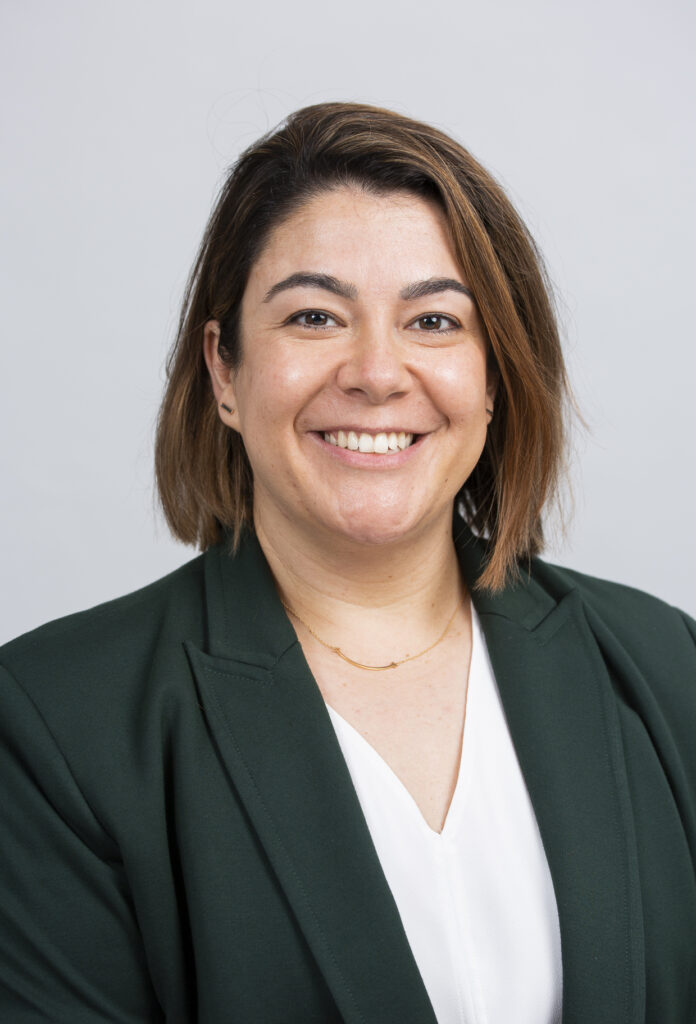
Dr Emily Colvin BMedSc (Hons), PhD
Appointment: Lecturer, Sydney Medical School (Northern), Faculty of Medicine and Health, The University of Sydney