
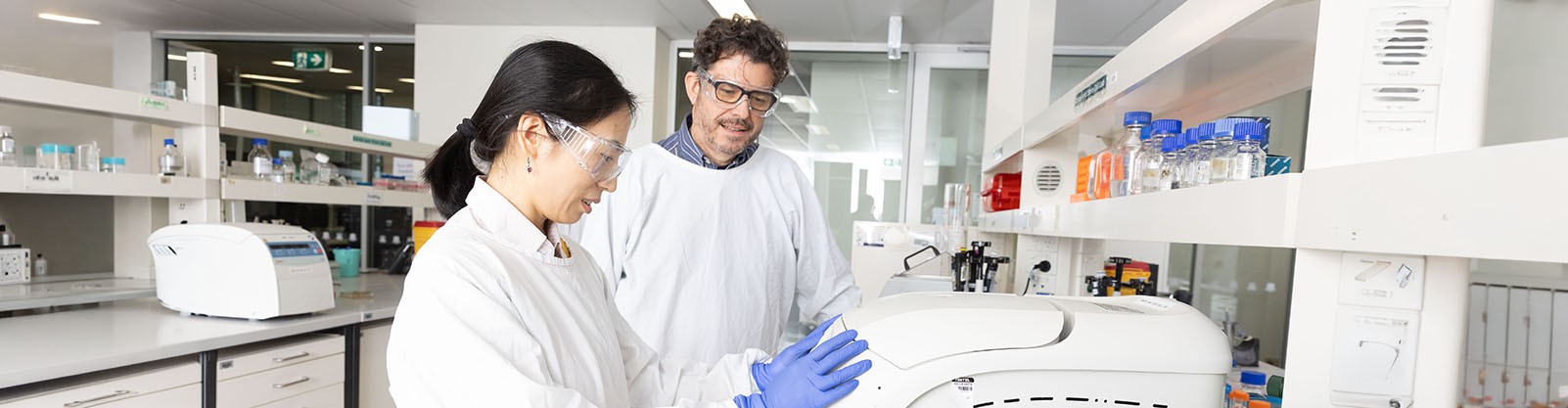
Our group investigates the mechanisms of Meniere’s disease (MD) and chronic tinnitus.
MD is a chronic disorder of the inner ear characterized by repeated episodes of vertigo (a spinning sensation), tinnitus (ringing in the ear), sensorineural hearing loss (SNHL), and a feeling of pressure or fullness in the ear. It affects around 0.1% of the population and can have a significant impact on daily life. Currently, there is no cure for MD.
The exact cause of MD is not fully understood, but the condition is not a single disease. MD diagnosis is based on the presence of a combination of auditory and vestibular symptoms. There are different mechanisms that can drive to the occurrence of these symptoms. The different causes indicated that there is no “one size fits all” treatment for MD.
Genetic factors play a significant role in a subset of patients. Familial MD accounts for approximately 8–9% of cases in populations of European descent, where inherited genetic mutations contribute to disease development. Additionally, genetic variants have also been identified in sporadic cases. Our team is the first in Australia to work on identifying new genes linked to MD.
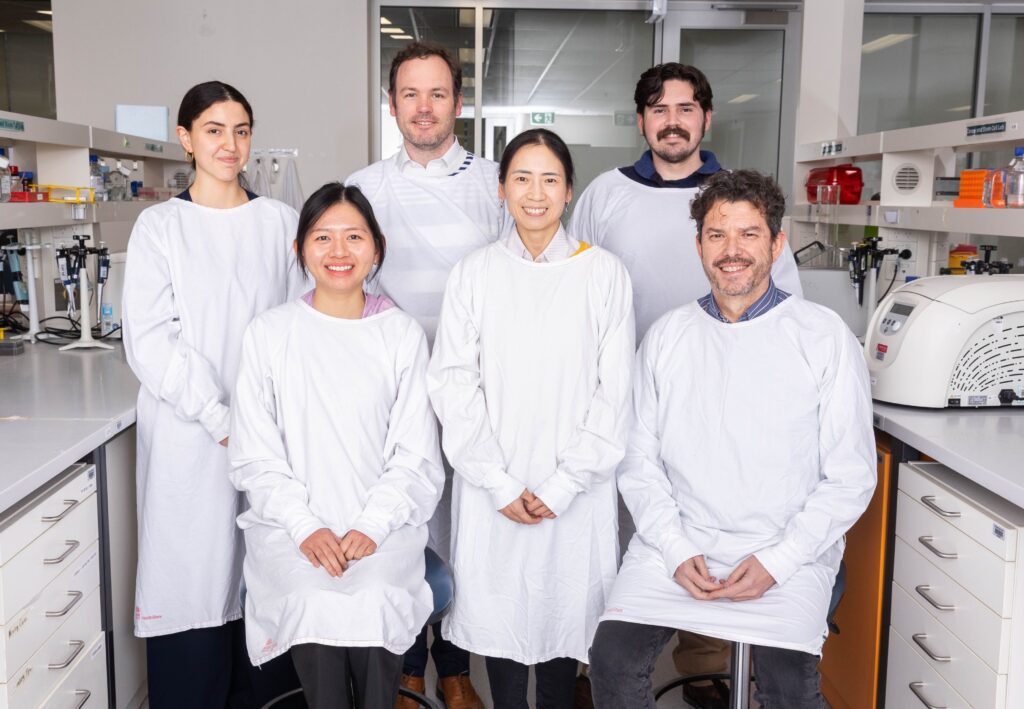
Allergy and inflammation are increasingly recognised as key contributors to disease progression. Our research focuses on characterising the immune profiles of individuals with MD. This work will help enable the development of personalised therapeutic strategies tailored to specific disease mechanisms.

Recruiting Now
- Confirmed Meniere’s disease patients
- Only one visit required

Donate Now
Team Lead
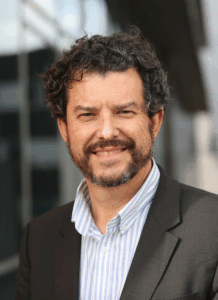
Professor Jose Antonio Lopez-Escamez
Co-Chair, Neuroscience and Pain
Head, Meniere’s Disease
Neuroscience Program
Team Members
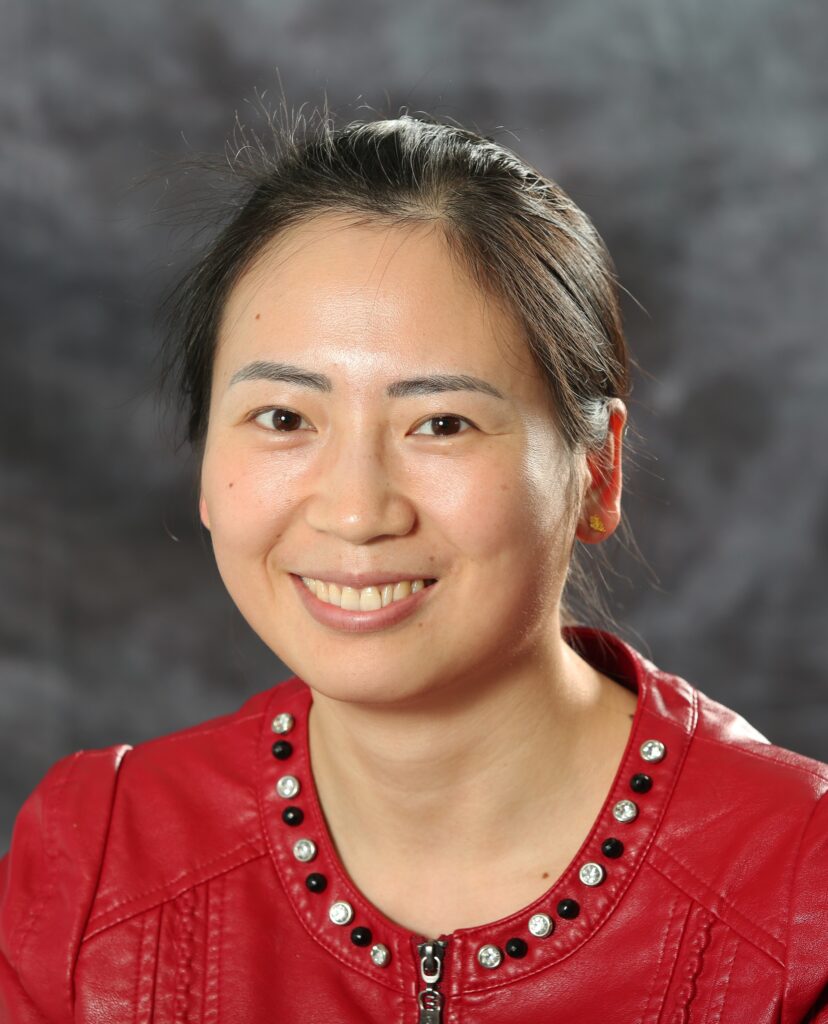
Yolanda Liu
Research Assistant

Tanvi Hussain
Master Student
Jacob Pogson
Senior Audiologist
Tom Comford
Honours Student
Pablo Cruz Granados
PhD Student
Sayedali Mohseni
Masters Student (Data Science Intern)
Sreeparna Das
Honours Student
Cedra Ayoub
PhD Student
Umair Muhammad
Master Student
Avikaran Bakshi
Master Student
Ghulam Meeran
Master Student
(Mai) Tam Pham
PhD Student
Motohare Khorrami
| Masters Student |
- Mechanisms of immune response in Meniere disease to develop specific treatment according to the immunophenotype.
- Identification of new genes in Meniere disease and validation in humanized mouse models as a first step to develop gene therapy.
- Development of the Meniere disease Atlas of genes and Cell, an open resource for clinicians and researchers that integrates omics data from several institutions to facilitate genetic and immunological research in MD.
- Genetic and epigenetic basis of tinnitus to define the molecular link between severe tinnitus and cognitive impairment
Australia
- University of Sydney – A/Prof. Han Chow Chua, A/Prof. Miriam Welgampola
- Macquarie University – Prof. Amin Beheshti, Prof. Mohsen Asadnia
- University of Melbourne – Dr. Kumiko Orimoto
- Sunshine Coast University Hospital – Dr. Ben Tsang
- Ear Science Institute – Dr. Elaine Wong
Brazil
- University of Campinas- Dr. Giselle Bianco-Bortoletto
China
- Tianjin University – Prof. Wei Wang
- Shanghai Jiao Tong University – Prof. Qing Zhang
- West China Hospital of Sichuan University – Dr. Yuzhong Zhang
Germany
- Charite University Hospital- Dr. Birgit Mazurek, Dr. Agnieszka J. Szczepek
- Otto-von-Guericke-University Magdeburg – Prof. Myra Spiliopoulou
- University of Regensburg – Prof. Berthold Langguth
Ireland
- Trinity College – Prof. Sven Vanneste
New Zealand
- University of Otago – Prof. Dirk De Ridder
South Korea
- Yonsei University – Prof. Sung Huhn Kim, Prof. Jin-Jae Song
Spain
- Universidad de Granada – A/Prof. Patricia Perez-Carpena
- Universidad de Santiago de Compostela – A/Prof. Andres Soto Varela
- Universidad de Salamanca – Prof. Angel Batuecas-Caletrio
- Marqués de Valdecilla University Hospital – Dr. Rocio Gonzalez-Aguado
- University of Barcelona – Dr. Victoria Rivero de Jesus
- Getafe University Hospital – Eduardo Martin Sanz
Switzerland
- Eastern Switzerland University of Applied Sciences- A/Prof. Winfried Schlee
- University of Zurich – Prof. Tobias Kleinjung, Prof. Julia Dlugaiczyk
UK
- Newcastle University – Prof. William Sedley
USA
- Harvard University – A/Prof. Andreas Eckhard
- University of California San Diego – Dr. Rick Friedman
- University of Texas – A/Prof. Kelly N. Janh

