
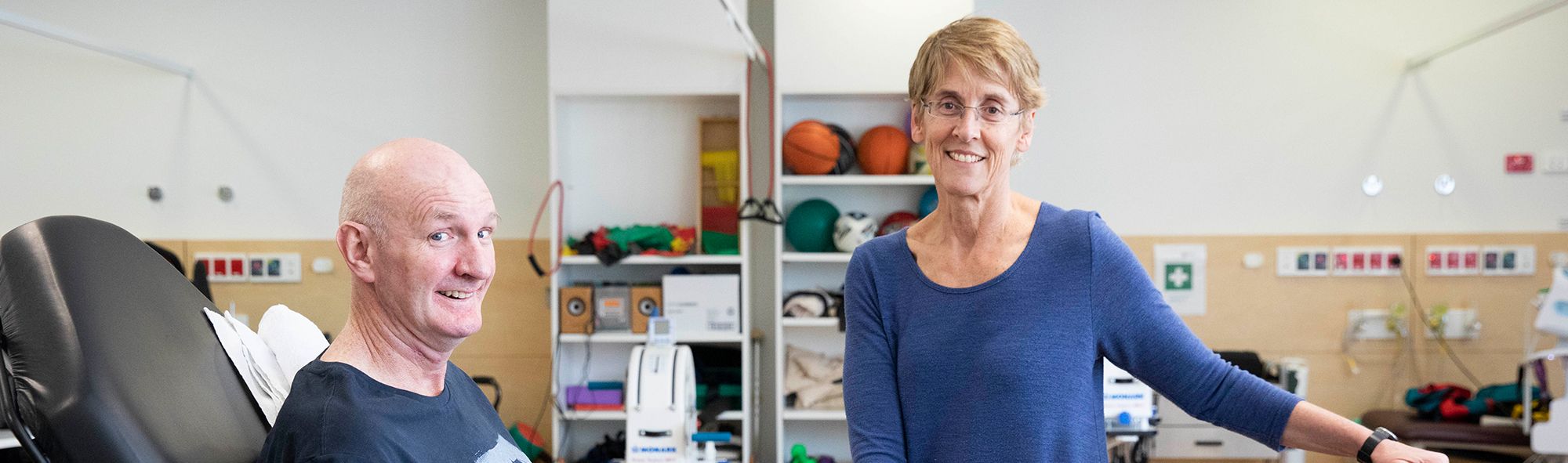
The John Walsh Centre for Rehabilitation Research focuses on research and education in rehabilitation and injury-related disability.
Our centre is part of the Kolling Institute and our team has broad experience across a range of disciplines
Our primary goals are to:
- Generate new knowledge to improve health outcomes for people with injury related disability
- Promote links with the research community, partner organisations, patient advocacy groups and non-government organisations, to support the effective transfer of research outcomes into health policy
- Improve clinical care for people with injury-related disability and translate research outcomes into clinical practice.
The centre receives major financial support from Insurance and Care NSW (icare) and from the NSW State Insurance Regulatory Authority.
Musculoskeletal and Rehabilitation
Team Lead

Professor Ashley Craig
Professor of Rehabilitation Studies
John Walsh Centre for Rehabilitation Research
Kolling Institute, The University of Sydney
Northern Sydney Local Health District
Team Members

Professor Lisa Harvey
Senior Researcher
John Walsh Centre for Rehabilitation Research

Professor Ian Cameron
Professor of Rehabilitation Medicine
John Walsh Centre for Rehabilitation Research

Professor James Middleton
Senior Researcher
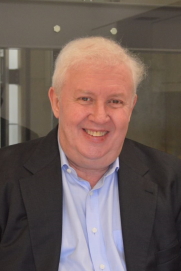
Professor Grahame Simpson
Senior Researcher

Emerita Professor Robyn Tate

Associate Professor Joanne Glinsky

Professor Trudy Rebbeck

Dr Mohit Arora
Senior Research Fellow
Dr Kishan Kariippanon
Centre Manager
Dr Barbara Lucas
Postdoctorate Researcher
Dr Candice McBain
Postdoctorate Researcher
Dr Liz Gill
Postdoctorate Researcher
Dr Kathryn Anne Sinnott Jerram
Postdoctorate Researcher

Dr Annette Kifley
Chair, Musculoskeletal
Senior Research Fellow, John Walsh Centre for Rehabilitation Research
Dr Ilaria Pozzato
Senior Research Fellow
Janet Doubleday
Project Manager
Hannah Withers
Research Assistant/PhD Student
Jackie Chu
Research Assistant/PhD Student
Louise Kelly
PhD Student
Lydia Chen
Research Assistant/PhD Student
Keira Tranter
PhD Student
Maria Ben
PhD Student
Danielle Sandalic
PhD Student
Rowan Hayes
Honorary Research Fellow
Ana Paula De Moura Campos Carvalho Silva
Postdoctoral Research Associate
John Bourke
Senior Research Fellow
Simon Olivotto
PhD Student
Anne Marie Sarandrea
PhD Student
Jiwon (Kate) Kim
Finance Officer
Maia Parker
Research Assistant
Aimie Peek
Researcher
Jack Chen
Research Assistant
Sarah Brighton-Hall
Research Assistant
Joanna Prior
Research Assistant
Khanh Van (Avan) Nguyen
Research Assistant
Stephen Wilson
| Research Affiliate |
The problem: Many people living with spinal cord injury experience challenges with mental health, wellbeing, adjustment, and resilience, yet access to appropriate support remains limited.
Our approach: We are working with people with spinal cord injury, peer support professionals, healthcare providers, and community organisations in Australia and the United Kingdom to identify, implement, and evaluate practical strategies for delivering mental health and wellbeing support through existing rehabilitation and community services.
Impact: This project aims to improve access to support, strengthen service delivery, and provide an implementation model that can be adopted across rehabilitation settings internationally delivered by peer-support professionals.
The problem: People with spinal cord injury often experience age related health challenges earlier and more frequently than the general population, yet tools to identify risk and support healthy ageing are limited.
Our approach: This project combines data driven risk prediction, co-design with people living with spinal cord injury, and evidence synthesis to develop resources that support healthy ageing and long-term health maintenance.
Impact: The project will help clinicians and people with spinal cord injury identify risks earlier, promote prevention strategies, and inform future models of care and policy development.
The problem: Many secondary health conditions associated with spinal cord injury can be prevented or managed more effectively through timely self-management and access to reliable information.
Our approach: We are expanding and evaluating the Spinal Cord Injury Health Maintenance Tool, a digital platform co-designed with people with spinal cord injury to support health monitoring, goal setting, education, and self-management.
Impact: The project aims to improve health outcomes, reduce preventable complications, and increase access to evidence-based resources for people living with spinal cord injury worldwide.
The problem: Cognitive difficulties are increasingly recognised after spinal cord injury, yet assessment and management approaches remain inconsistent.
Our approach: This program brings together researchers, clinicians, and consumers to develop and implement practical approaches for cognitive screening, assessment, and care across rehabilitation services.
Impact: The work supports earlier identification of cognitive difficulties, improves rehabilitation planning, and contributes to national and international guidance for clinical practice.
The problem: People with spinal cord injury commonly experience challenges with autonomic function, stress regulation, fatigue, and overall wellbeing, yet treatment options remain limited.
Our approach: The SMART Trial is evaluating innovative non invasive interventions, including heart rate variability biofeedback and spinal cord stimulation, to improve autonomic regulation and health outcomes after spinal cord injury. The project combines clinical research with advanced physiological monitoring to better understand how these approaches may support recovery and long term health.
Impact: This research aims to develop accessible, evidence based interventions that can be integrated into rehabilitation and community care, improving health, wellbeing, and quality of life for people living with spinal cord injury.
The problem: There is limited long-term information about the health, well-being, participation, and support needs of people living with spinal cord injury in the community.
Our approach: The Australian International Spinal Cord Injury Survey is one of the largest community-based studies of people living with spinal cord injury in Australia. Through national surveys and longitudinal follow-up, the project examines health, ageing, participation, quality of life, healthcare use, and environmental factors that influence outcomes over time.
Impact: Findings inform healthcare planning, policy development, and service improvement, helping ensure that care and support are better aligned with the priorities and needs of people living with spinal cord injury. The project also provides opportunities for national and international collaboration.
The problem: Access to high-quality spinal cord injury services varies widely across regions and countries, creating inequities in care and outcomes.
Our approach: In collaboration with international organisations, clinicians, researchers, and people with lived experience, we are developing practical resources and guidance to support service improvement across the continuum of care.
Impact: The project aims to strengthen healthcare systems, support workforce development, improve service quality, and contribute to better outcomes for people with spinal cord injury globally.
Our projects cover five areas: moderate to severe traumatic brain injury
- spinal cord injury
- musculoskeletal injury
- psychosocial health after injury
- disability (including ageing)
Our research is built on strong partnerships with healthcare services, universities, government agencies, consumer organisations, and international networks. These collaborations enable us to co-design research, translate evidence into practice, strengthen rehabilitation services, and improve outcomes for people living with injury and disability. We welcome opportunities to collaborate on research, education, implementation, and knowledge translation initiatives across local, national, and international settings.
- Northern Sydney Local Health District – Clinical research and translation partnership supporting rehabilitation and health services research.
- University of Sydney – Academic partnership supporting interdisciplinary research, education, and research training.
- Agency for Clinical Innovation NSW – Collaboration on clinical guidelines, models of care, and implementation of evidence-based rehabilitation services.
- Australian Institute of Health and Welfare – Partnership supporting population health research, data linkage, and outcomes research.
- icare NSW – Research partnership supporting innovation in rehabilitation, self-management, and long-term health outcomes after injury.
- International Spinal Cord Society – International partnership advancing spinal cord injury research, education, standards, and service strengthening initiatives.
- World Health Organization – Collaboration supporting global rehabilitation initiatives and evidence informed resources for spinal cord injury care.
- Royal Rehab – Partnership in rehabilitation research, clinical innovation, and knowledge translation.
- Spinal Cord Injuries Australia – Collaboration on consumer engagement, peer support, and community-based research initiatives.
- National Spinal Injuries Centre, United Kingdom – International collaboration focused on psychosocial care, implementation science, and rehabilitation service improvement.
- NSW Ministry of Health – Partner in innovative rehabilitation research, including clinical trials evaluating novel approaches to improve health and wellbeing after spinal cord injury.

