
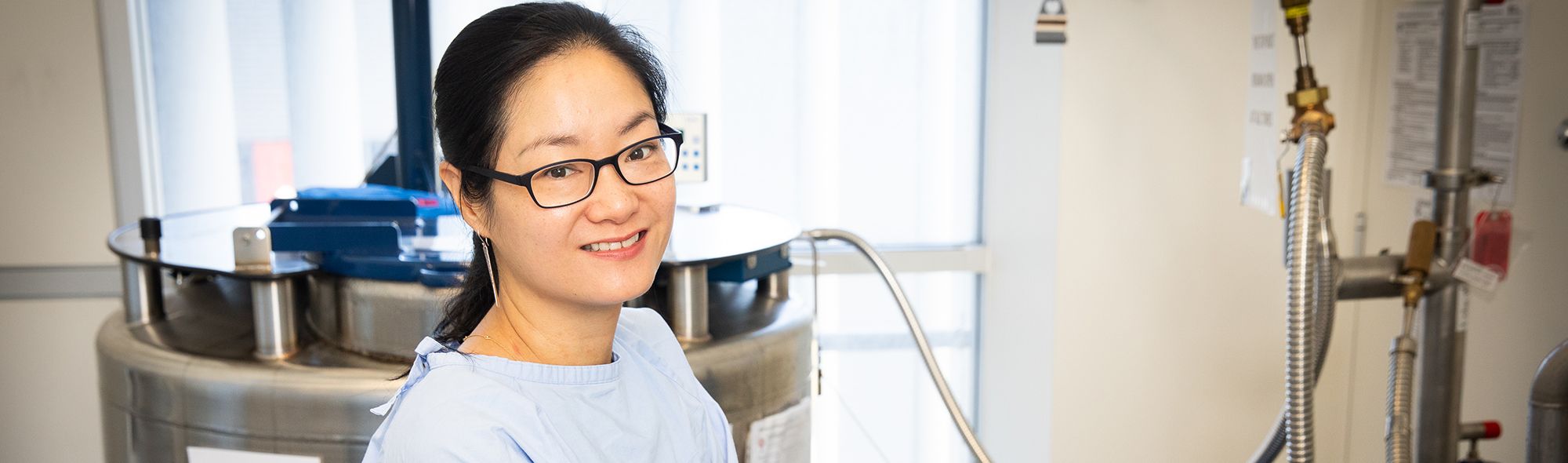
The Australian Arthritis and Autoimmune Biobank Collaborative (A3BC) is a national research network based at the Kolling Institute. We bring together more than 70 clinicians and researchers across over 60 hospitals, clinics, universities and medical research institutes to improve the lives of people with arthritis and autoimmune diseases.
Our work focuses on collecting blood and tissue samples, along with clinical information and patient-reported outcomes, and linking these with health system data. The network also supports and enables clinical trials, sub studies and partner studies through these integrated platforms. By combining these sources, we aim to better understand why these conditions develop, how they progress, and why treatments work well for some people but not others.
A3BC’s unique strength is its scale and integration, connecting data, people and expertise across Australia to generate insights that could not be achieved by single sites alone. We aim to translate these insights into practical improvements in diagnosis, treatment and care.
Our work aims to benefit patients through more personalised care, support clinicians with better evidence for decision-making, and strengthen the health system by improving outcomes and efficiency. Ultimately, we aim to enable earlier intervention, more precise treatment and better long-term health for Australians.
For more information:
Please visit the A3BC Website
A3BC Publications
Contact
A3BC Headquarters Project Team:
Email – info@a3bc.org.au
Phone – 02 9463 1891
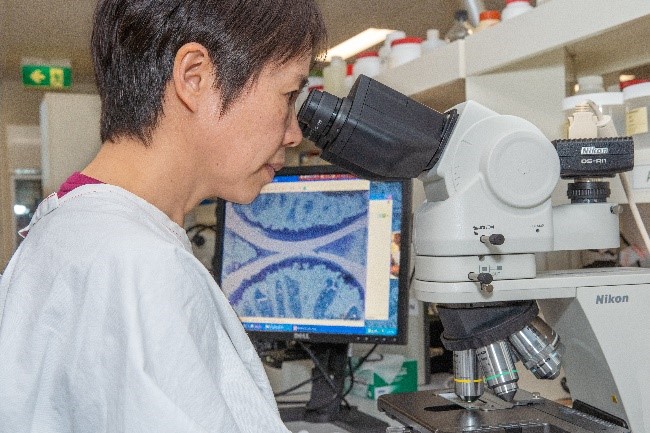
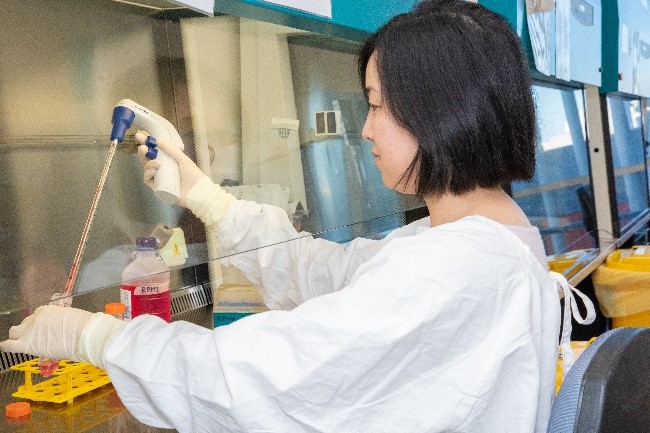

Musculoskeletal and Rehabilitation
Team Lead
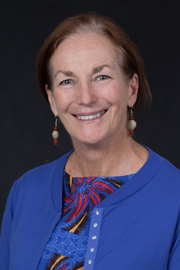
Professor Lyn March AM
Project Lead and Coordinating Principal Investigator
Australian Arthritis and Autoimmune Biobank Collaborative (A3BC), The University of Sydney
Liggins Professor of Rheumatology & Musculoskeletal Epidemiology
Head of Department, Department of Rheumatology, Royal North Shore Hospital
Team Members

Tom Lynch
National A3BC Project Officer

Associate Professor Meilang Xue
Sutton Arthritis Research Laboratory
Medicine, Northern Clinical School

Dr Marita Cross
Postdoctoral Research Associate, Northern Clinical School

Tahi Pumi
Research Assistant
Fiona Howard
Project Officer
Problem: Inflammatory arthritis is complex, heterogeneous, and lifelong, with limited ability to predict disease progression or treatment response.
Approach: The NHMRC-funded CRE brings together a national network of clinicians, researchers, data scientists, and consumers, leveraging A3BC’s integrated biobank and registry platform to combine clinical, biological, and patient-reported data and apply advanced analytics across the life course.
Impact: Accelerates precision and prevention-focused care, enabling earlier diagnosis, more targeted therapies, and translation into clinical tools and policy.
Collaboration opportunity: National platform for multidisciplinary collaboration in big data, biomarker discovery, and workforce development.
Problem: Fragmented biospecimen collections and disconnected datasets limit large-scale discovery and translation in arthritis research.
Approach: A nationally coordinated platform integrating biobanking with harmonised clinical, patient-reported, and linked health data using standardised protocols across sites.
Impact: Enables scalable, data-driven research to accelerate biomarker discovery, improve disease understanding, and advance precision medicine across the life course.
Collaboration opportunity: Provides access to a national infrastructure supporting multi-centre studies, data linkage, and translational research.
Problem: Long-term real-world evidence on treatment outcomes and safety in inflammatory arthritis has historically been limited and fragmented.
Approach: ARAD is a legacy national registry that collected patient-reported and clinical data over many years and has now transitioned into the A3BC platform. While survey collection has concluded, ongoing value is generated through linkage to national health datasets.
Impact: Provides a unique longitudinal cohort enabling insights into treatment outcomes, safety, and healthcare utilisation, supporting clinical guidelines and policy decisions.
Collaboration opportunity: Enables linkage-based research and longitudinal analyses within a mature national dataset integrated into A3BC infrastructure.
Problem: Patients with stable inflammatory arthritis may be overtreated, increasing risks, burden, and costs without clear benefit.
Approach: A multicentre randomised controlled trial evaluating medication dose-reduction strategies for rheumatoid arthritis and psoriatic arthritis within real-world care settings.
Impact: Generates high-quality evidence to support safer, more efficient treatment pathways and inform clinical guidelines on dose optimisation.
Collaboration opportunity: Opportunities in data analysis, and translation into practice and policy.
Problem: There is limited evidence to guide when and how to safely taper or stop therapies in children with juvenile idiopathic arthritis (JIA), leading to variation in care and potential overtreatment.
Approach: A nationally coordinated MRFF-funded initiative combining the CHAMPION‑MTX clinical trial with integrated collection of clinical, biological, environmental, and patient-reported data through the A3BC platform.
Impact: Supports precision medicine in paediatric rheumatology, informing personalised treatment pathways, living clinical guidelines, and improved quality of life for children and families.
Collaboration opportunity: National platform for paediatric trials, data integration, biomarker discovery, and consumer-engaged research.
Over 50 sites around Australia have been identified as key participant recruitment, biobanking, research and data analysis hubs in the mature A3BC network.
- Australian Public Hospital Networks (NSW, VIC, QLD, SA, WA, ACT) – Multi-centre clinical collaboration supporting national participant recruitment, biospecimen collection, and longitudinal research. Key clinical sites for recruitment include:
- Royal North Shore Hospital; Princess Alexandra Hospital; The Queen Elizabeth Hospital; Royal Perth Hospital; Fiona Stanley Hospital; Flinders Medical Centre; Royal Adelaide Hospital; The Children’s Hospital at Westmead; Sydney Children’s Hospital, Randwick; The Royal Children’s Hospital (Melbourne); St George Hospital; Heidelberg Repatriation Hospital, Perth Children’s Hospital, Queensland Children’s Hospital, Women’s and Children’s Hospital (Adelaide), The Canberra Hospital, Royal Prince Alfred Hospital Private Rheumatology Clinics, Private Hospital and Specialist Networks (Ramsay Health Care) – extending research reach across the full scope of rheumatology community care settings.
- Universities (University of Sydney, UNSW, Monash University, University of Queensland, ANU, University of Adelaide, Macquarie University) – Academic partnerships supporting translational research, data science, and workforce development.
- Medical Research Institutes (Kolling Institute, Frazer Institute, Murdoch Children’s Research Institute, Harry Perkins Institute, Basil Hetzel Institute) – Collaborative sites providing supporting research infrastructure and expertise for biobanking, clinical trials, multi‑omics, advanced analytics, systems biology and discovery science.
- Biobank and Tissue Platforms (NSW Statewide Biobank, Biospecs – The Kids Institute, Victorian Cancer Biobank) – Infrastructure and biobanking service providers supporting standardised biospecimen processing and access.
- Consumer and Peak Bodies (Australian Rheumatology Association, Juvenile Arthritis Foundation Australia, Arthritis Australia, Australia and New Zealand Musculoskeletal Clinical Trials Network) – Collaboration in research design, priority setting, advocacy, and translation to ensure research is aligned with patient and community needs.
- Pathology Providers – Supporting biospecimen collection and integration with clinical workflows.
- Industry Collaborators – Supporting clinical trials, biomarker discovery, novel therapeutics, multi‑omics data generation and translation of research into practice.

