

The Cardiovascular and Hormonal Research Unit is located on Level 13 of the Kolling Institute at Royal North Shore Hospital. The clinical diagnostic service conducted by the Head of the Unit enables us to conduct both clinical and translational research. The current research focus is sex differences in hypertension detection and management, osteoarthritis and improving measurement of blood pressure. A key priority is ensuring patient experiences inform the direction of research activity. Understanding the barriers for women and the community to measure their blood pressure allows us to design clinical trials that will change practice and empower patients for self-management. The translational focus of the Cardiovascular and Hormonal Research Laboratory has led to both national and international collaborations involving research teams in interstate, Egypt, Europe and Hong Kong as well as representation on guideline writing teams.
Team Lead

Dr Anastasia S Mihailidou PhD FAHA FCSANZ
Senior Hospital Scientist, Department of Cardiology
Royal North Shore Hospital
Head, Cardiovascular and Hormonal Research Laboratory, Kolling Institute
Honorary Senior Lecturer, Faculty of Medicine and Health
Macquarie University
Approximately 1/3 of the adult population has elevated blood pressure (BP) in Australia and many are undiagnosed. Using out of clinic blood pressure measurement to confirm high blood pressure facilitates adequate management to prevent adverse health consequences such as stroke and heart attacks. However, Ambulatory BP is not routinely measured. In a recent survey of GPs, 27% stated that <10% of their patients have obtained an Ambulatory BP. Further, 63% of GPs surveyed were concerned or extremely concerned about white-coat hypertension. There is a clear educational need for GPs to manage white coat hypertension, and ABPM is the appropriate tool to use. The current study will determine if general practitioners and other healthcare professionals follow guideline recommendations for using ABPM and best practice for reliable blood pressure measurements.
In collaboration with Kolling Institute’s Raymond Purves Laboratory we are investigating the direct biological link between osteoarthritis (OA) and cardiovascular disease (CVD). OA is a major personal and healthcare burden projected to rise due to our ageing population and strong risk factor for CVD, however the mechanism has not been defined. The novel data has identified factors released from injured and OA joints directly affect heart cells to cause CVD. The current data has been generated in male mice and it is vital to determine if the same OA-miRs and OA-CVD risk occurs in females. Together the data from this study will identify a new approach to managing CVD risk associated with OA with the potential to significantly impact patient morbidity and mortality.
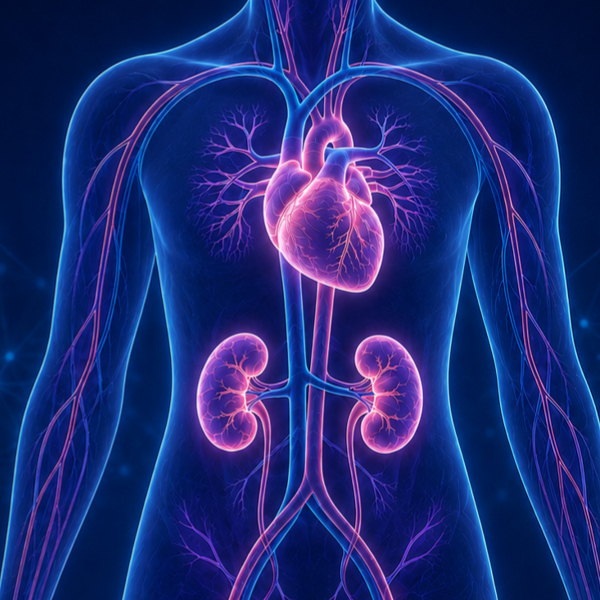
This project aims to raise awareness of hypertension. It focuses on boosting population involvement and implementing a population-wide strategy, contributing to achieving blood pressure prevention and control in Australia. Through a personalised “inside view” of the body, ‘if you don’t look, you’ll never see, and what you don’t see can be very hard to find’, it will target high blood pressure prevention, and control. We will create a novel animated commercial that combines science and storytelling to make information about blood pressure engaging and easy to grasp. We will then test if the animated video is acceptable and effective in improving knowledge on the importance of monitoring blood pressure.
This project aims to develop and clinically validate a reliable, non-contact blood pressure (BP) measurement method using video-based signal extraction from smartphone and tablet cameras developed by Lead Investigator at Monash University and team. Current cuff-based ambulatory BP monitors (ABPMs), though clinically validated, are often uncomfortable, disruptive, and unsuitable for children or individuals in remote or resource-limited settings. The system will be validated against gold-standard auscultatory and oscillometric devices, following validation standards for cuffless BP such as the European Society of Hypertension (ESH) cuffless BP validation protocols.
- Collaboration with Monash University colleagues Professor Mehmet Yuce and team on a successful National Health & Medical Research Council of Australia Ideas Grant – clinical research
- Collaboration with Newcastle University colleague Professor Murray Cairns M, Sverdlov A, Boyle A, Ngo D, Attia J, Collins C, Reid C, Reay, W and Dudding-Byth T for a successful MRFF 2022 Genomics Health Futures Mission Grant:
- Using polygenic scores to guide the treatment and prophylaxis of hypertension.
- Advisory Board Member of the International STRIDE_BP to standardise blood pressure – international clinical experts in blood pressure measurement
- Invited Key Opinion Leader on Hypertension by Her Heart Australia Charity to inform members and the community
- Invited Steering Committee Member by Murdoch Childrens Hospital colleagues for the first Australian Paediatric Guideline for Blood Pressure Measurement
- Member of the Clincial Council Committee of Hypertension Australia for guiding general practitioners and health professionals involved in BP management

