
Latest News
-
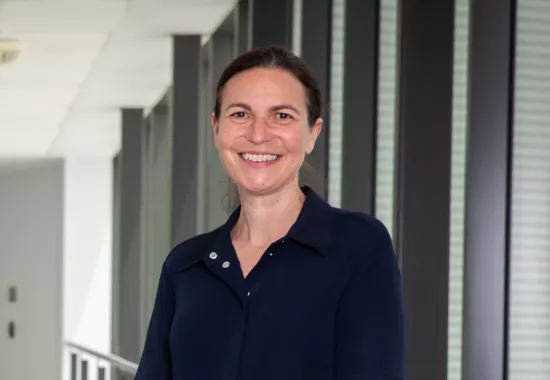
New research to capture those with frailty
Posted on:
A $3-million research grant will help develop technology to identify frailty in older people in hospital, a crucial step towards improving care and long-term patient outcomes. The Kolling Institute’s Professor Sarah Hilmer will lead the large-scale study involving hospitals and universities across Australia as well as international investigators. Professor Hilmer said the five-year project will
Research Group/s & Area/s:
-
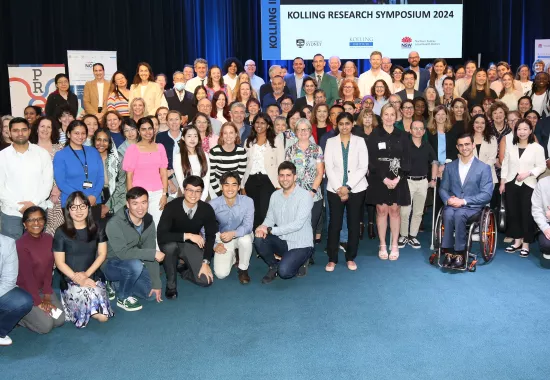
Kolling Research Symposium 2024
Posted on:
We would like to thank everyone involved in the 2024 Kolling Institute Symposium. During the event, a diverse collection of researchers detailed the latest progress with their ground-breaking work into kidney and heart disease treatments, bone and muscle conditions, rare cancers, and neurological challenges. There was a focus too on the innovative work to develop
Research Group/s & Area/s:
-
Kolling Institute Newsletter November 2024
Posted on:
Our Kolling Institute newsletter brings together a collection of profiles on our impressive researchers. Flip through our flipping book to discover more about our leading research into kidney disease, rare cancers and the use of supplements for osteoarthritis. There’s a focus too on the first steps towards gene therapy for Meniere’s disease, the latest research into treatments for
Research Group/s & Area/s:
-
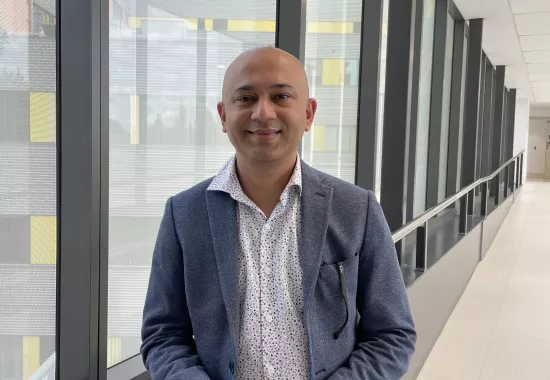
Culturally relevant pain solutions
Posted on:
After training as a musculoskeletal physiotherapist in India, the Kolling Institute’s Dr Saurab Sharma returned to Nepal to treat patients with musculoskeletal pain conditions but quickly found that Western practices to assess and treat pain didn’t translate well to his community. One issue was the internationally-recognised numeric pain rating scale, where zero indicates no pain
Research Group/s & Area/s:
-
Makers and Shapers Award
Posted on:
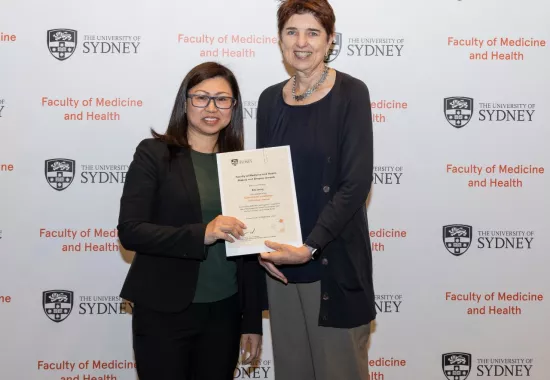
We would like to congratulate one of our quiet achievers who has taken out a coveted University of Sydney Makers & Shapers award. Executive Dean and Pro Vice-Chancellor Professor Robyn Ward presented Rita leong with her award for her outstanding dedication and support. As the Northern Clinical School’s Corporate Services and Administration Officer, Rita has
Research Group/s & Area/s:
-
Spotlight on clinical trials
Posted on:
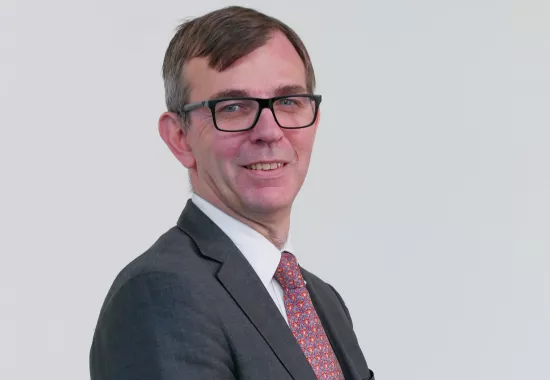
Kolling Institute researcher and Royal North Shore Hospital endocrinologist Professor Rory Clifton-Bligh has been involved in clinical trials for more than 20 years, focusing on conditions such as osteoporosis, thyroid cancer and diabetes. Patients in the endocrinology clinic have sometimes accessed medication 10 years ahead of other Australians. Many of these drugs have gone on
Research Group/s & Area/s:
-

New collaboration to drive world leading research into osteoarthritis treatment
Posted on:
An innovative partnership with industry will see our researchers at the Kolling Institute develop evidence-based strategies to improve osteoarthritis management in Australia and globally. Consumer healthcare company Haleon is sponsoring a five-year fellowship to investigate the role of supplements in managing osteoarthritis and digital health technologies to improve mobility. Osteoarthritis is a leading cause of
Research Group/s & Area/s:
-
Collaboration driving results
Posted on:
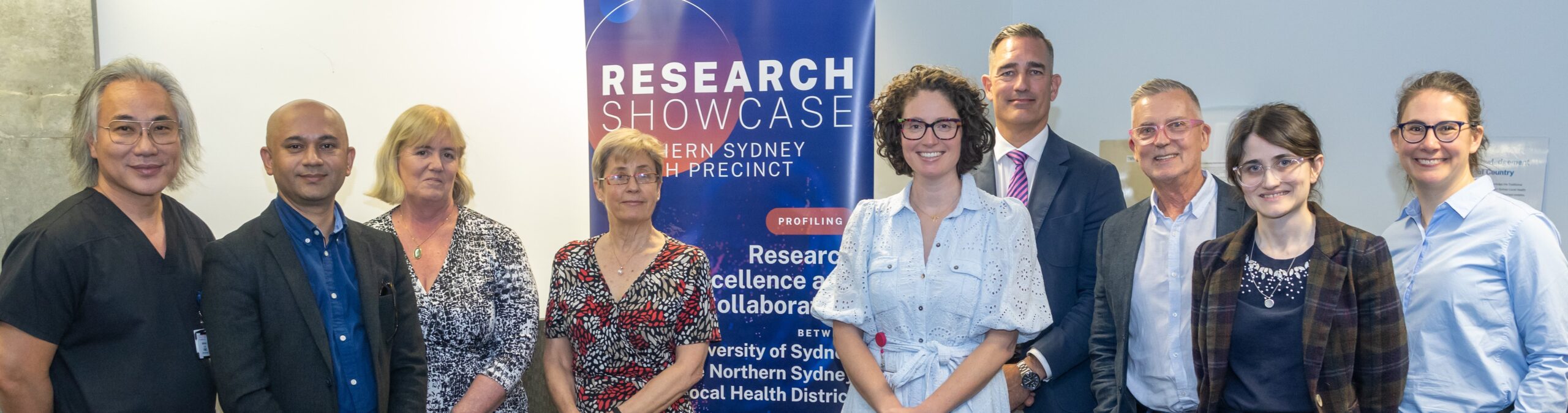
The Northern Sydney (Arabanoo) Precinct hosted its annual showcase at the Kolling, highlighting the innovative research between the Northern Sydney Local Health District and the University of Sydney. Launched in 2022 by Academic Directors Professors James Elliott, Robyn Gallagher and Margaret Schnitzler, the showcase focused on the joint research tackling complex healthcare challenges. Eight speakers
Research Group/s & Area/s:
-
Innovation at the Kolling’s core
Posted on:
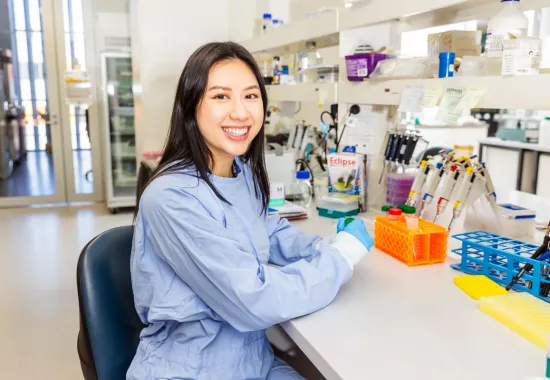
In the heart of the Kolling Institute, a world-renowned research centre, a raft of clinical trials is driving the future of healthcare. “Clinical trials are intrinsic to research,” says Professor James Elliott, Academic Director of the institute. “They help us test something so that we can better inform care for patients with various conditions who
Research Group/s & Area/s:
-

Practical tool to offer better informed care for people living with dementia
Posted on:
Our researchers at the Kolling Institute are working to improve the use of medications for dementia with a comprehensive analysis highlighting several concerning trends. The latest data indicates more than 420,000 people are living with dementia in Australia, including more women than men. The condition is the second leading cause of death in Australia. Leading
Research Group/s & Area/s:

