
Latest News
-
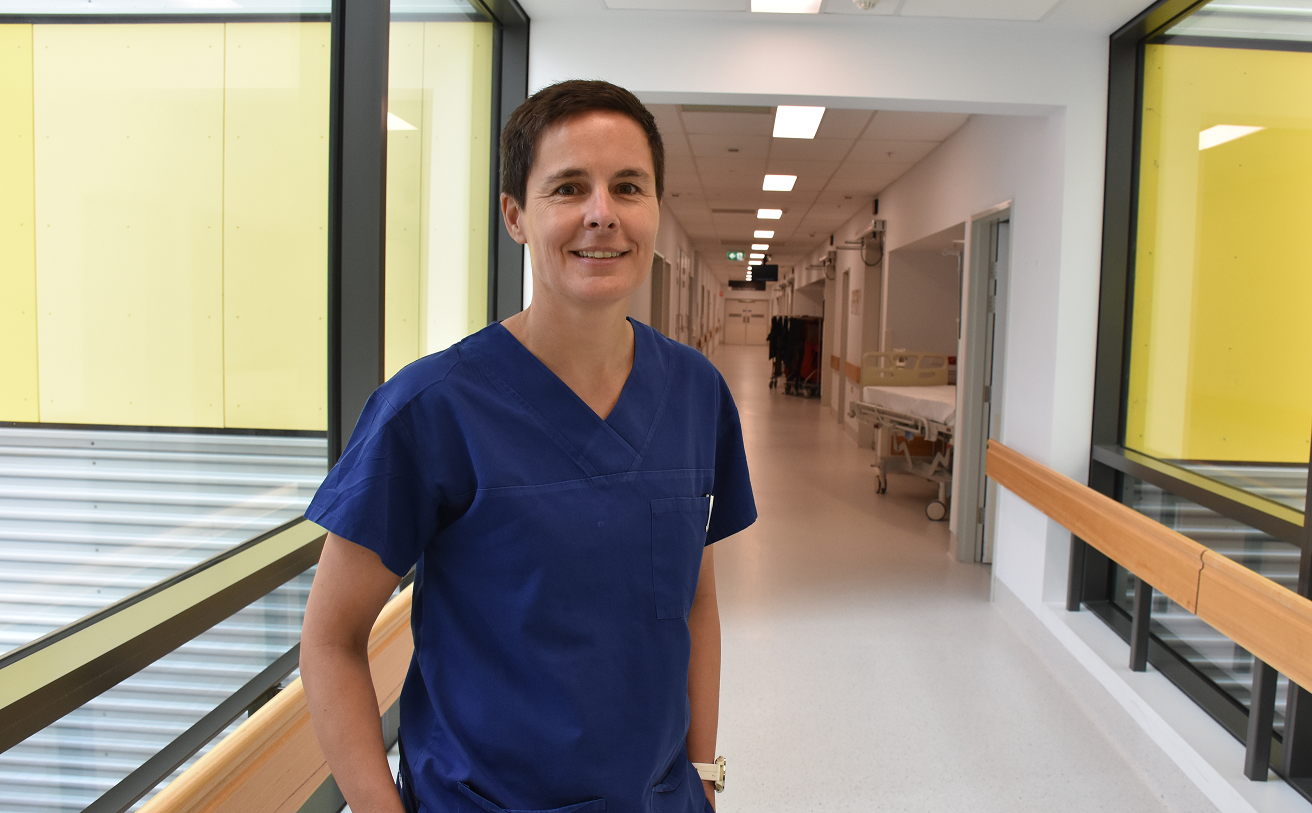
Kolling researchers to drive exciting new projects following funding success
Posted on:
Professor Gemma Figtree has led a successful bid for a Cardiovascular Centre of Excellence, securing $2.5 million in funding from the National Health and Medical Research Council. (NHMRC) Around 20 national and international collaborators will be involved in the research, targeting the global heart disease epidemic through new diagnostic techniques and prevention strategies. Professor Figtree…
-
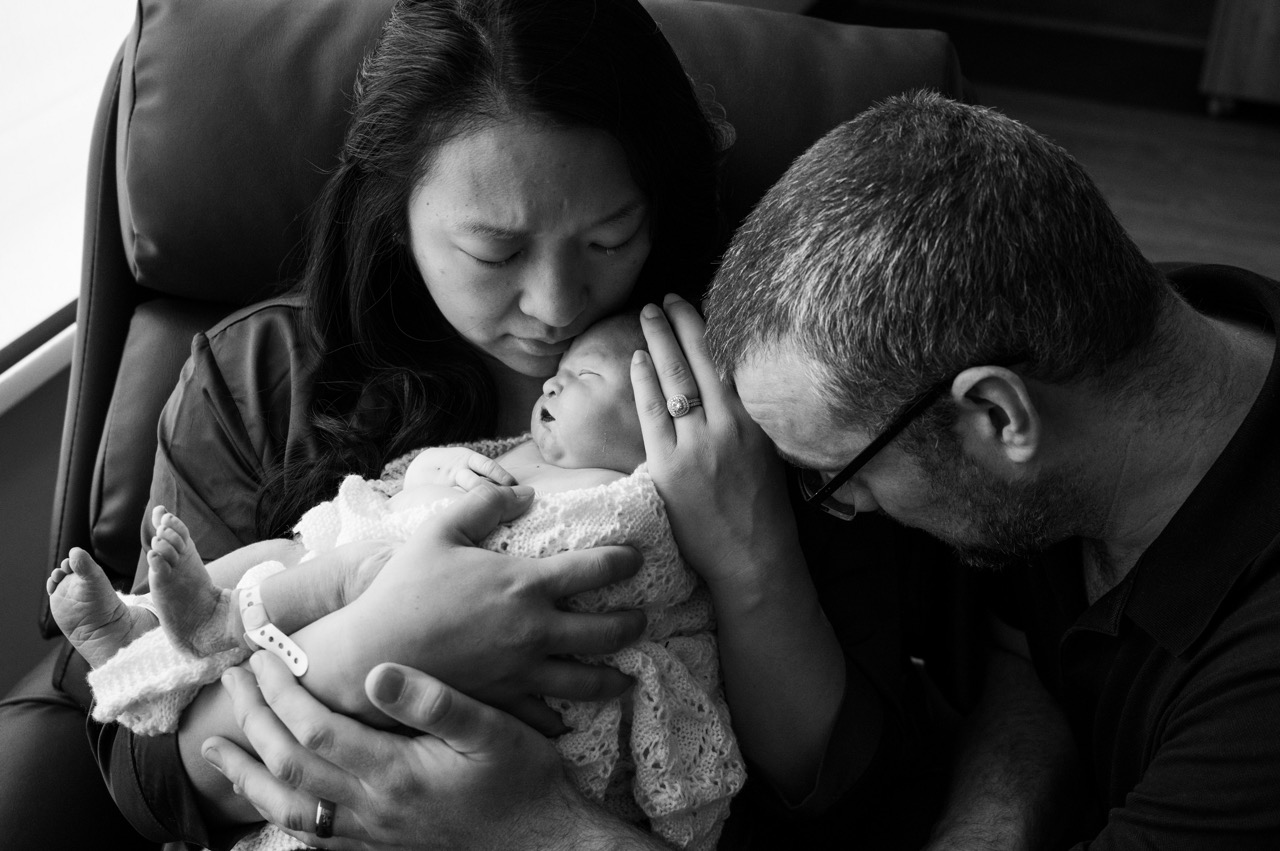
Grieving couple contributes to new research into deadly bacteria in pregnancy
Posted on:
The Women and Babies Research team is launching a study to look into the presence of bacteria in pregnancy which may be deadly if passed on to infants during birth. The research is being funded in part by Victoria and Danny Liston, who tragically lost their daughter at birth due to infection. Director of Women…
-
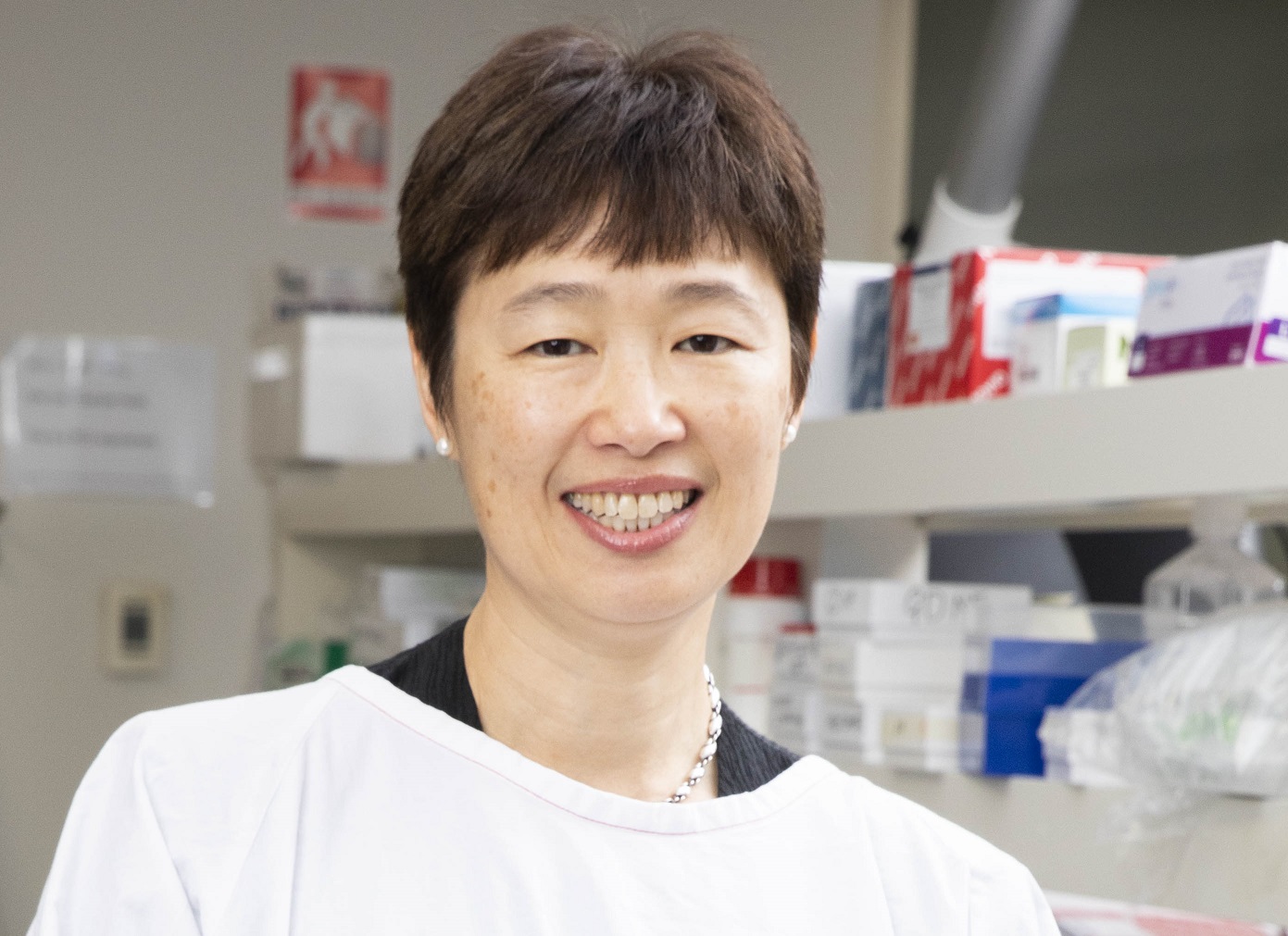
Executive Director joins elite group of Australian health professionals
Posted on:
Congratulations to the Kolling’s Executive Director Professor Carolyn Sue, elected a Fellow of the Australian Academy of Health and Medical Sciences for her outstanding contribution to health and medical research in Australia. Professor Sue is part of a distinguished group recognised for their personal achievement, outstanding leadership and continuing involvement in health and medicine-related sciences in…
-
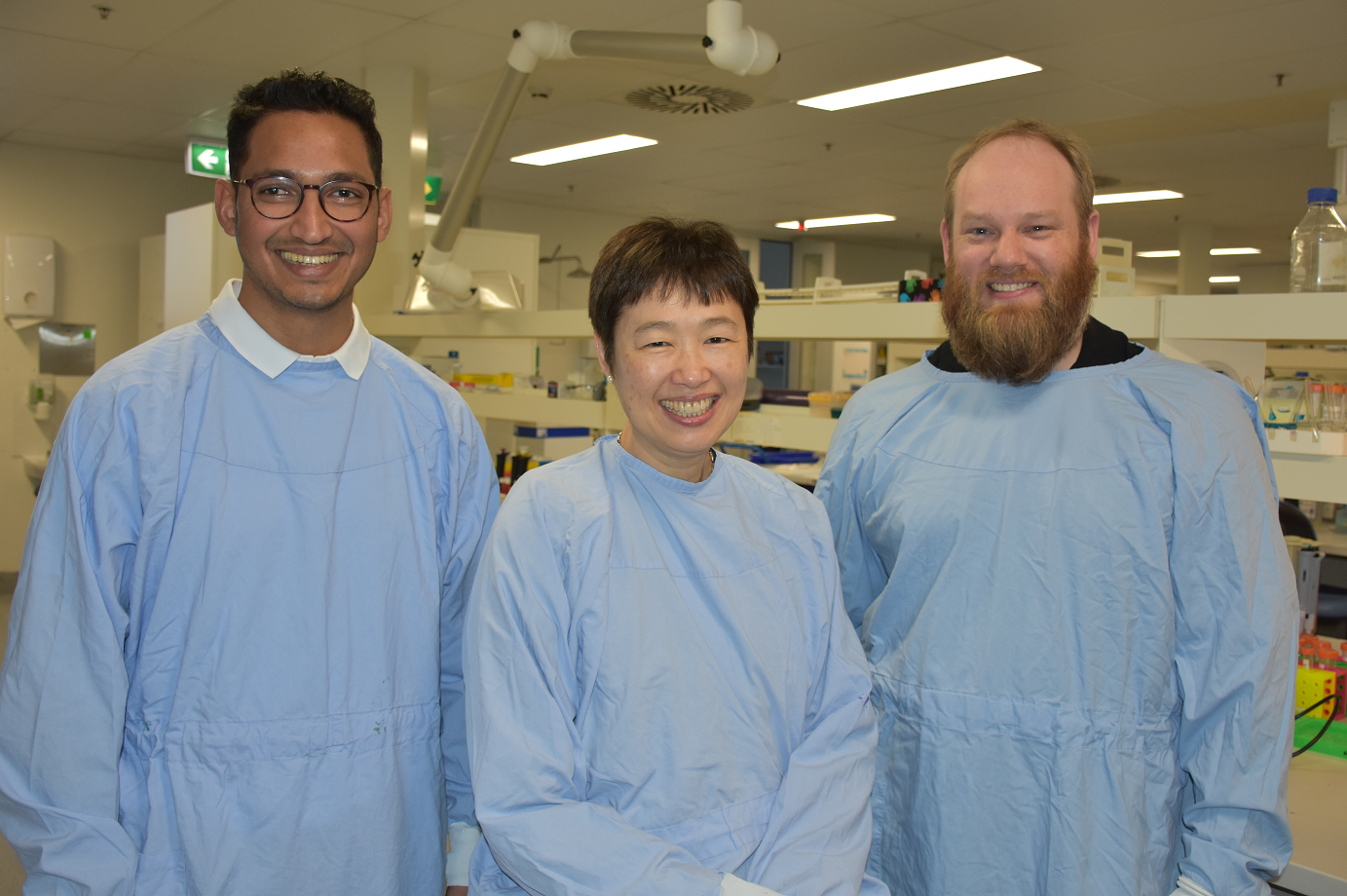
Kolling researchers join global search for new insights into Parkinson’s disease
Posted on:
Kolling Institute researchers will help drive an exciting international project to identify the genetic links to Parkinson’s disease and new ways to treat the debilitating disorder. The program will bring together leading researchers from Sweden, the United States and Australia after a $12.5 million grant from the Aligning Science Across Parkinson’s initiative, which will be…
-
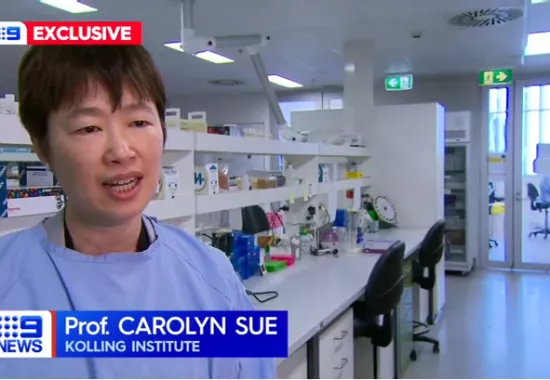
Exciting new research into Parkinson’s Disease
Posted on:
The Kolling Institute’s Executive Director Professor Carolyn Sue will help drive an exciting international project to identify the genetic links to Parkinson’s disease and new ways to treat the debilitating disorder.
-
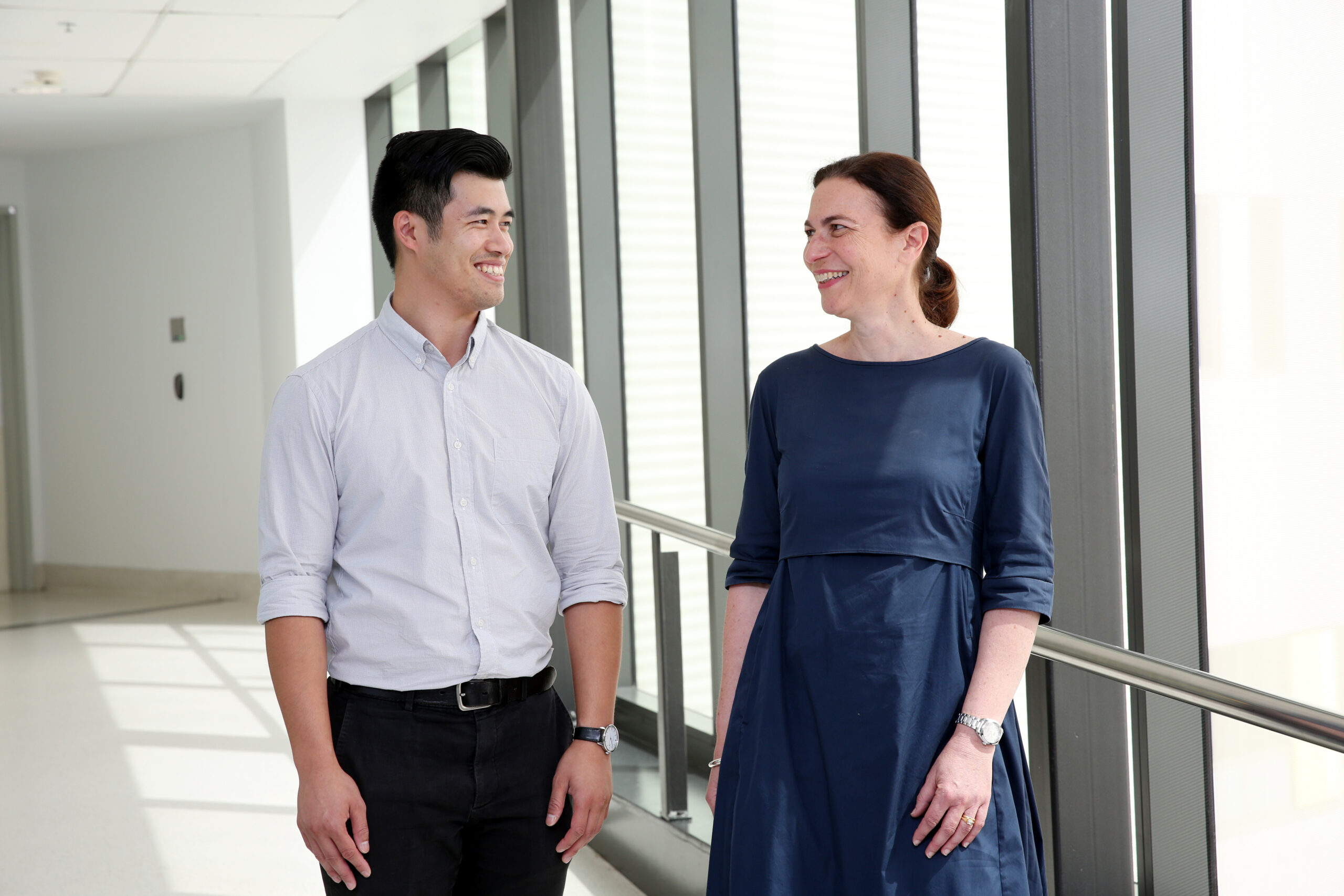
Researchers guide better use of medicines
Posted on:
With the majority of older Australians taking five or more medications, a team from the Kolling Institute has developed a valuable tool to better understand adverse outcomes. The analytical resource has been developed by Professor Sarah Hilmer and Dr John Mach, after several years of research investigating the effects of using multiple medications. Previous studies…
-
Researchers assess new approach to post-operative care
Posted on:
With increasing evidence around the benefits of physiotherapy after surgery, a project is set to get underway examining new ways to extend the support. The BOOST project will investigate how hospitals can deliver more frequent exercise programs for patients with hip fracture, through an innovative model of care involving physiotherapists and other healthcare workers. The…
-

Technology to support new approach to back pain
Posted on:
If you have low back pain, you could be the perfect candidate for a new study using text messages to support those with the condition. Named TEXT4myBACK, the University of Sydney and Kolling Institute study will compare two different formats of text message interventions to help people better manage their symptoms. Professor Manuela Ferreira would…
-
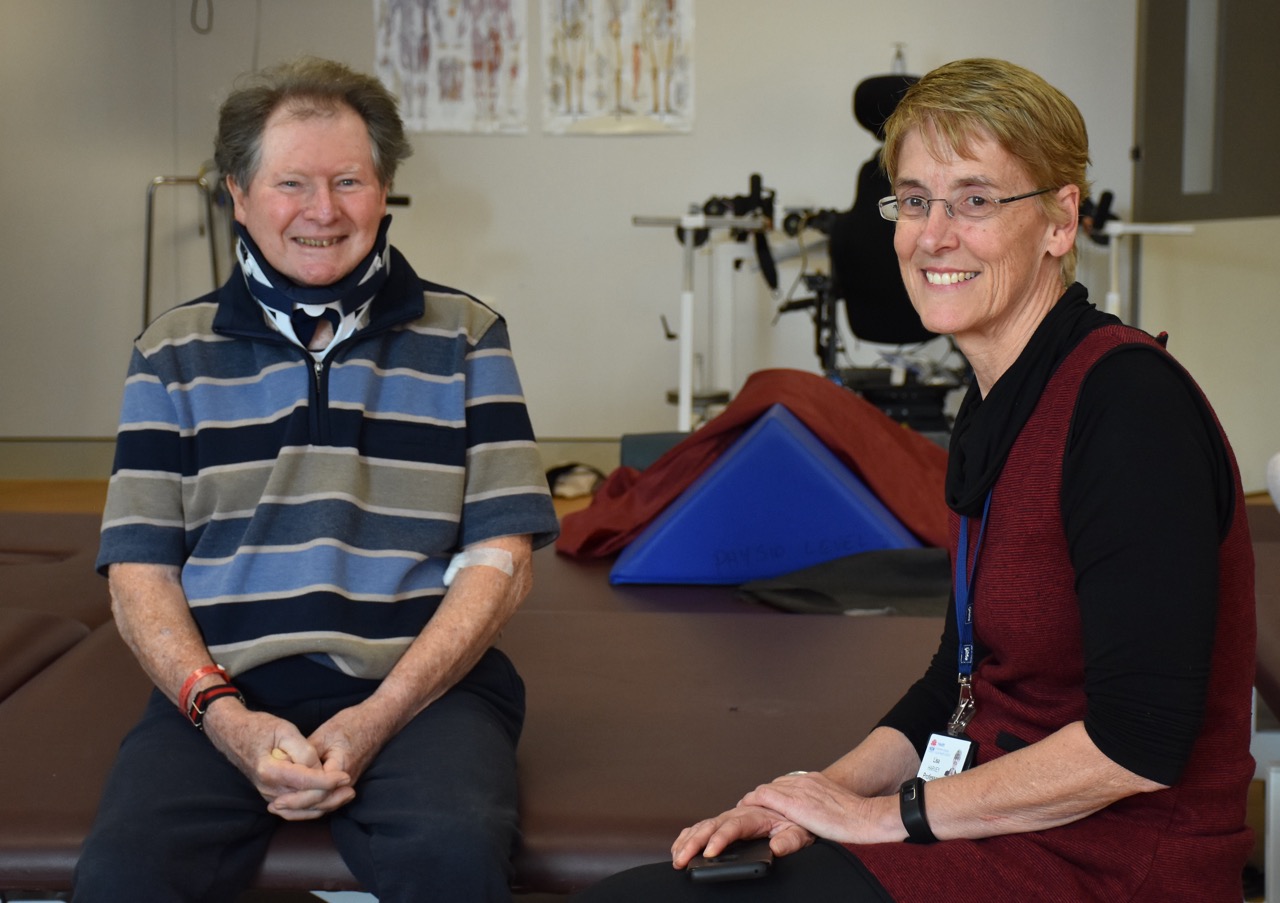
New funding for key spinal injury research
Posted on:
An Australia wide trial is set to get underway with hopes it may lead to life-long improvements for those who experience a spinal cord injury. Led by Professor Lisa Harvey from the Kolling Institute’s John Walsh Centre for Rehabilitation Research, the study represents a collaboration between the University of Sydney and every spinal injury unit…
-
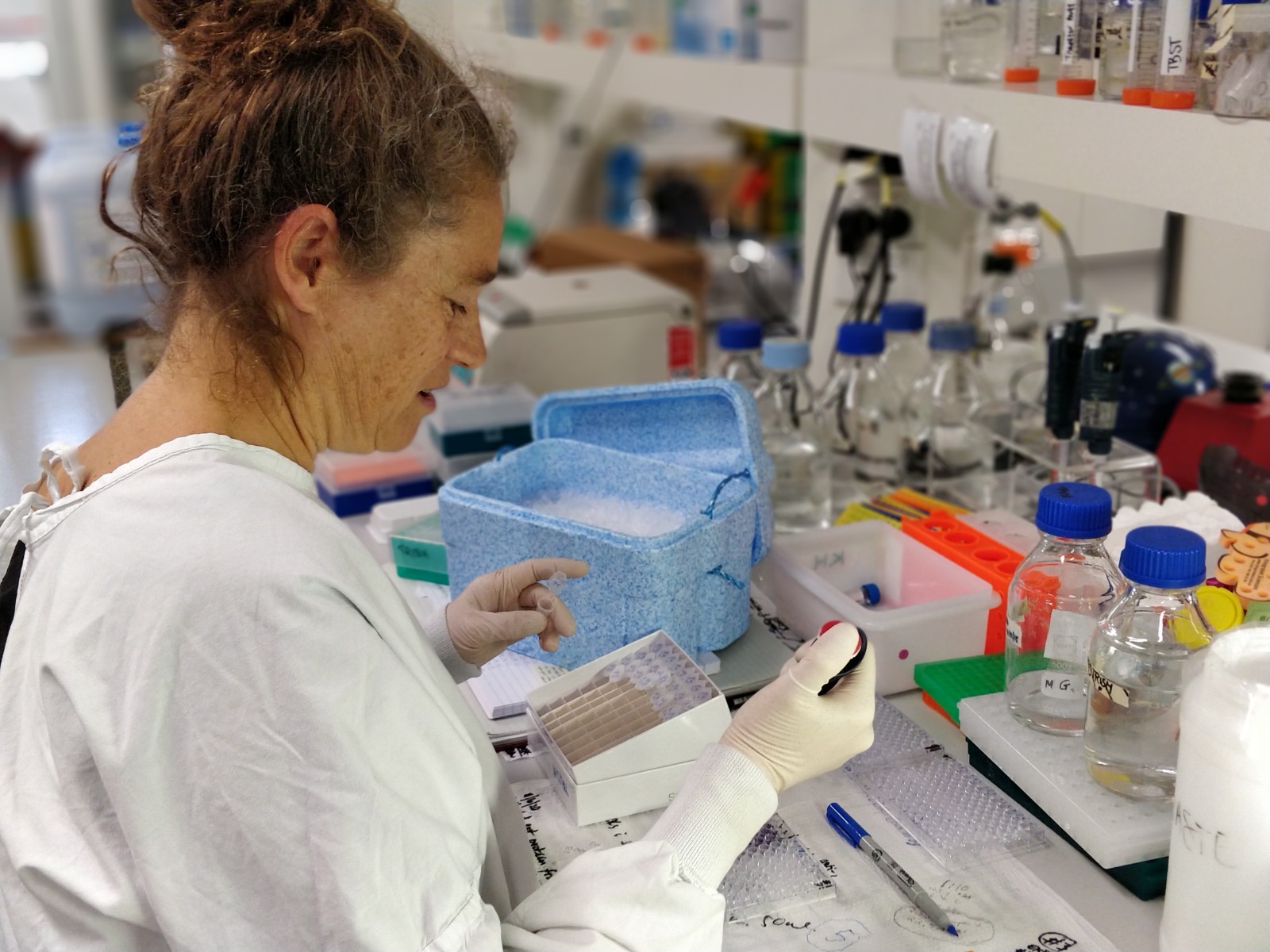
Support for innovative research
Posted on:
Three valuable research projects have received a boost with the Hillcrest Foundation donating significant funds through the Perpetual IMPACT Philanthropy Program. The Cancer Genetics team received $75,000 to help uncover genetic drivers for rare neuroendocrine tumours. Investigator Dr Trish Dwight said these tumours, known as pheochromocytomas and paragangliomas affect a small percentage of the population,…

