
The A3BC is a national biobanking and information network to improve the health of men, women and children living with arthritis and autoimmune conditions.
The network includes more than 70 rheumatology clinicians and researchers, and over 60 recruitment sites, biobanks and research laboratories.
It collects a broad range of linked biological information (such as genetics, microbiome), patient-reported details (via the ARAD Registry) and medical data. The information is then integrated and examined using large-scale data analytics.
It is a comprehensive, national resource to support Australian researchers and doctors to deliver the best diagnosis, treatment and outcomes for those with arthritis and autoimmune conditions… and hopefully find a cure.
We aim to:
Establish a national biobank network to collect, process and store a broad range of high-quality biospecimens for biological research
Integrate biospecimen information with national datasets, including patient-reported, electronic medical record, cancer/death registry and Commonwealth data.
Analyse these integrated, large-scale datasets to identify and study potential patterns of significance for patients and the healthcare system.
Translate discoveries to improve disease prediction, identify more precise treatment, inform prevention strategies, and hopefully find a cure for arthritis and autoimmunity.
… To give the right care, to the right patient, at the right time!

Team Lead
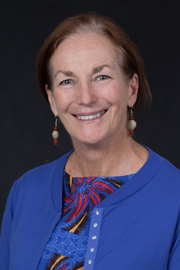
Professor Lyn March AM
Project Lead and Coordinating Principal Investigator
Australian Arthritis and Autoimmune Biobank Collaborative (Uni Syd)
Liggins Professor of Rheumatology & Musculoskeletal Epidemiology
Institute of Bone and Joint Research, Kolling Institute
Head of Department
Department of Rheumatology, Royal North Shore Hospital
Lyn is the Head of Rheumatology at Sydney’s Royal North Shore Hospital and Liggins Professor of Rheumatology and Musculoskeletal Epidemiology at Sydney University.
Lyn graduated from medicine with first class honours from the University of Sydney, then went on to gain a PhD from Sydney and a MSc from the London School of Hygiene and Tropical Medicine. She has been an active clinician and researcher for more than 25 years. She was made a Member of the Order of Australia for her significant services in the areas of rheumatology and clinical epidemiology as an academic, researcher and clinician. She led the international expert group that generated the latest global burden of musculoskeletal disease data. Lyn is an executive member of OMERACT the international group standardising patient reported outcome measures in rheumatology, on the Executive Committee for the Global Alliance for MSK Health, Co-lead of their Surveillance Task Force and member of their WHO working party. Lyn advocates to raise the profile of musculoskeletal conditions and to improve evidence-based patient care through policy development and translational and discovery research. She co-led the NSW Health Agency for Clinical Innovation’s MSK Network during the development of the MSK Models of Care now part of Leading Better Value Care. Her latest challenge is the establishment of the A3BC – a national collaboration linking the patient outcomes registry ARAD with a new biospecimens network to deliver precision medicine to the individual patient and build a national research resource working to find a cure for arthritis and autoimmune rheumatic conditions.
Team Members
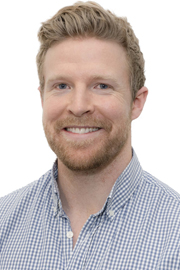
Tom Lynch
National A3BC Project Officer

Associate Professor Meilang Xue
Sutton Arthritis Research Laboratory
Medicine, Northern Clinical School
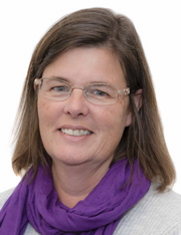
Dr Marita Cross
Postdoctoral Research Associate, Northern Clinical School
Tahi Pumi
Research Assistant
Fiona Howard
Project Officer
Analysis of associations between microbiome, inflammatory response and environmental factors in Rheumatoid Arthritis.
- Professor Meilang Xue
What is the optimal time from blood collection to processing for the integrity of serum/plasma aliquots in regard to downstream assay performance?
- A3BC NSW node and partners
Piloting of national A3BC procedures, including e-consenting, online questionnaires, and novel methods for peripheral blood mononucleocyte cells processing and RNA collection-storage.
- A3BC nodes in each state
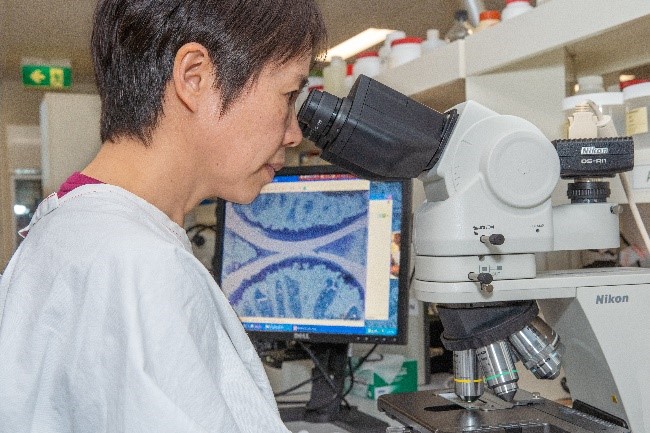
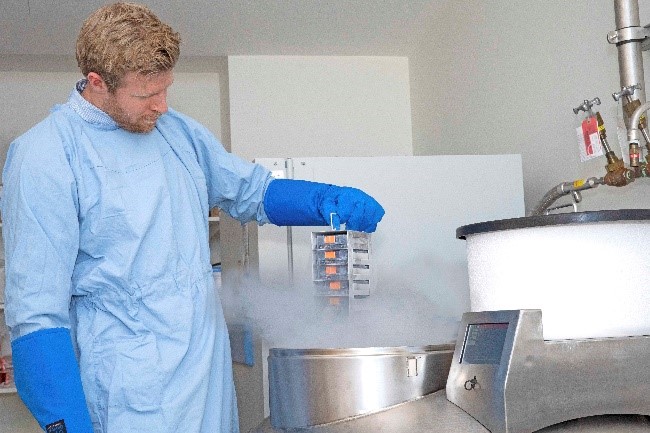
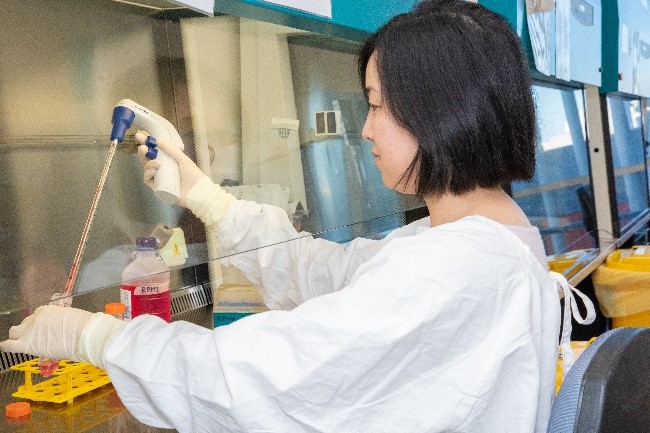
The A3BC includes more than 70 leading national arthritis/autoimmune clinicians and researchers across more than 60 prominent health and research sites. It includes eight biobank nodes to collect and store biospecimens.
Recruitment / Collection Sites
New South Wales (NSW)
Northern Sydney Local Health District
- Royal North Shore Hospital
- Hornsby Ku-ring-gai Hospital
St Vincent’s Health Australia
- North Sydney Mater Private Hospital
Ramsay Health Care
- North Shore Private Hospital
South Western Sydney Local Health District
- Liverpool Hospital
- Campbelltown Hospital South Eastern
Sydney Local Health District
- St George Hospital
- Prince of Wales Hospital
Western Sydney Local Health District
- Westmead Hospital
- Blacktown Hospital
Sydney Children’s Hospitals Network
- Children’s Hospital at Westmead
- Sydney Children’s Hospital Randwick
Hunter New England Local Health District
- John Hunter Hospital
Sydney Local Health District
- Royal Prince Alfred Hospital
- Concord Hospital
BJC Health (Parramatta, Chatswood)
Sydney Adventist Hospital
Peninsula Orthopaedics & Sports Medicine
Australian Capital Territory (ACT)
ACT Health and Community Service
- Canberra Hospital
Western Australia (WA)
East Metropolitan Health Service
- Royal Perth Hospital
South Metropolitan Health Service
- Fiona Stanley Hospital
Child and Adolescent Health Service
Perth Children’s Hospital
Victoria (VIC)
Australian Rheumatology Association Database (ARAD)
Murdoch Children’s Research Institute
The Royal Children’s Hospital
Monash Health
- Monash Children’s Hospital
- Monash Medical Centre
Melbourne Health
- Royal Melbourne Hospital
Cabrini Health
- Cabrini Hospital
Queensland (QLD)
Metro South Hospital and Health Service
- Princess Alexandra Hospital
- Logan Hospital
Metro North Hospital and Health Service
- Royal Brisbane Women’s Hospital
- Redcliffe Hospital
Children’s Health Qld Hospital & Health Service
- Lady Cilento Children’s Hospital
Gold Coast Hospital and Health Service
- Gold Coast University Hospital
Paradise Arthritis and Rheumatology
Queensland Rheumatology Services (Red Hill)
South Australia (SA)
Southern Adelaide Local Health Network
- Flinders Medical Centre
- Noarlunga Hospital
- Marion GP Plus Health Care Centre
Central Adelaide Local Health Network
- Royal Adelaide Hospital
- Queen Elizabeth Hospital
Women’s and Children’s Health Network
- Women’s and Children’s Hospital
Northern Adelaide Local Health Network
- Lyell McEwin Hospital
- Modbury Hospital
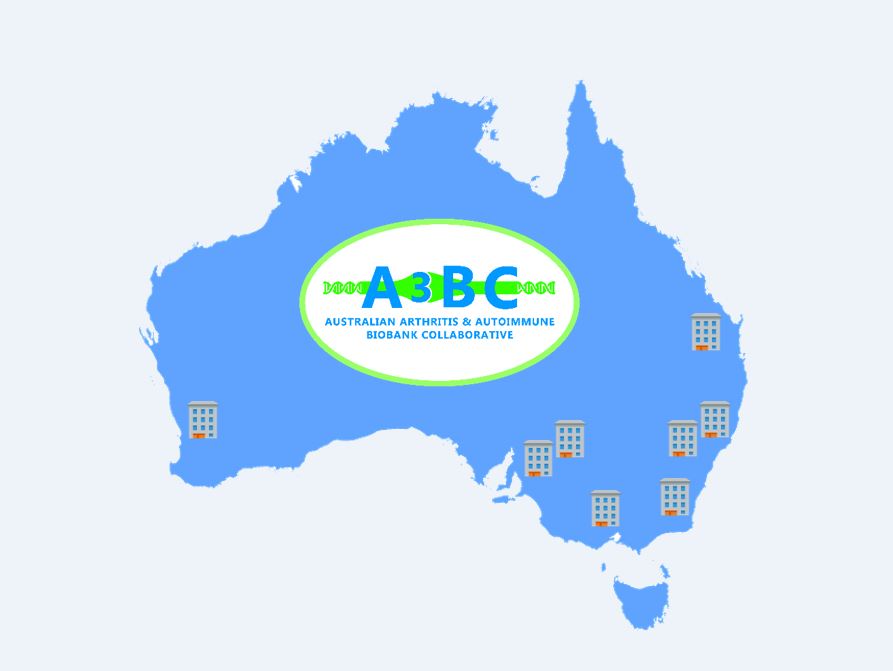
Processing / Storage / Analysis Sites
New South Wales (NSW)
Institute for Bone and Joint Research (USyd)*
The NSW Statewide Biobank*
Hunter Medical Research Institute
Ingham Institute for Applied Medical Research
Australian Institute of Health Innovation
Victoria (VIC)
Murdoch Children’s Research Institute*
Australian Rheumatology Association Database (ARAD)
Baker Heart and Diabetes Institute
Australian Capital Territory (ACT)
Canberra Hospital*
John Curtin School of Medicine, Australian National University
Queensland (QLD)
Diamantina Institute, University of Queensland*
Institute for Health & Biomedical Innovation, Queensland University of Technology*
South Australia (SA)
Basil Hetzel Institute*
Flinders Medical Centre*
Western Australia (WA)
Harry Perkins Institute of Medical Research (South)*
* National A3BC processing and storage nodes

The A3BC was formed to give researchers a greater chance of answering questions such as:
- Why are some people more likely to develop arthritis?
- Why do some people develop a worse type of the illness than others?
- Why do some people respond well to a treatment while others respond poorly?
- Which biological markers (biomarkers) predict disease progression and treatment suitability?
- Which risk factors could be used to better manage these conditions or even lead to their prevention?
Specific research questions to be addressed by researchers through A3BC activity include:
- Among people taking methotrexate and/or biologics for the treatment of arthritis or autoimmune disease, are there clinical or biological (incl. genomic, microbiomic) data associations which predict response to treatment and suggest improved models of care?
- What are the long-term outcomes for people undergoing therapy for these diseases following new (biologic or biosimilar) versus traditional treatments?
- Among people undergoing therapy for these diseases, does the characterisation profile of their microbiome associate with a change in their response to therapy?
- What are the cytokine profiles produced by synovial and peripheral blood mononuclear cells derived from people with arthritis and how do these profiles change in response to in vitro biologic therapies -(bDMARDs)?
A key ingredient in achieving these goals is to build a state-of-the-art national resource, involving large-scale data collection and analyses of biospecimens. Given the complex nature of these arthritic/autoimmune conditions, research discovery will always be limited unless a large-scale, data-rich resource such as the A3BC is developed and widely used.
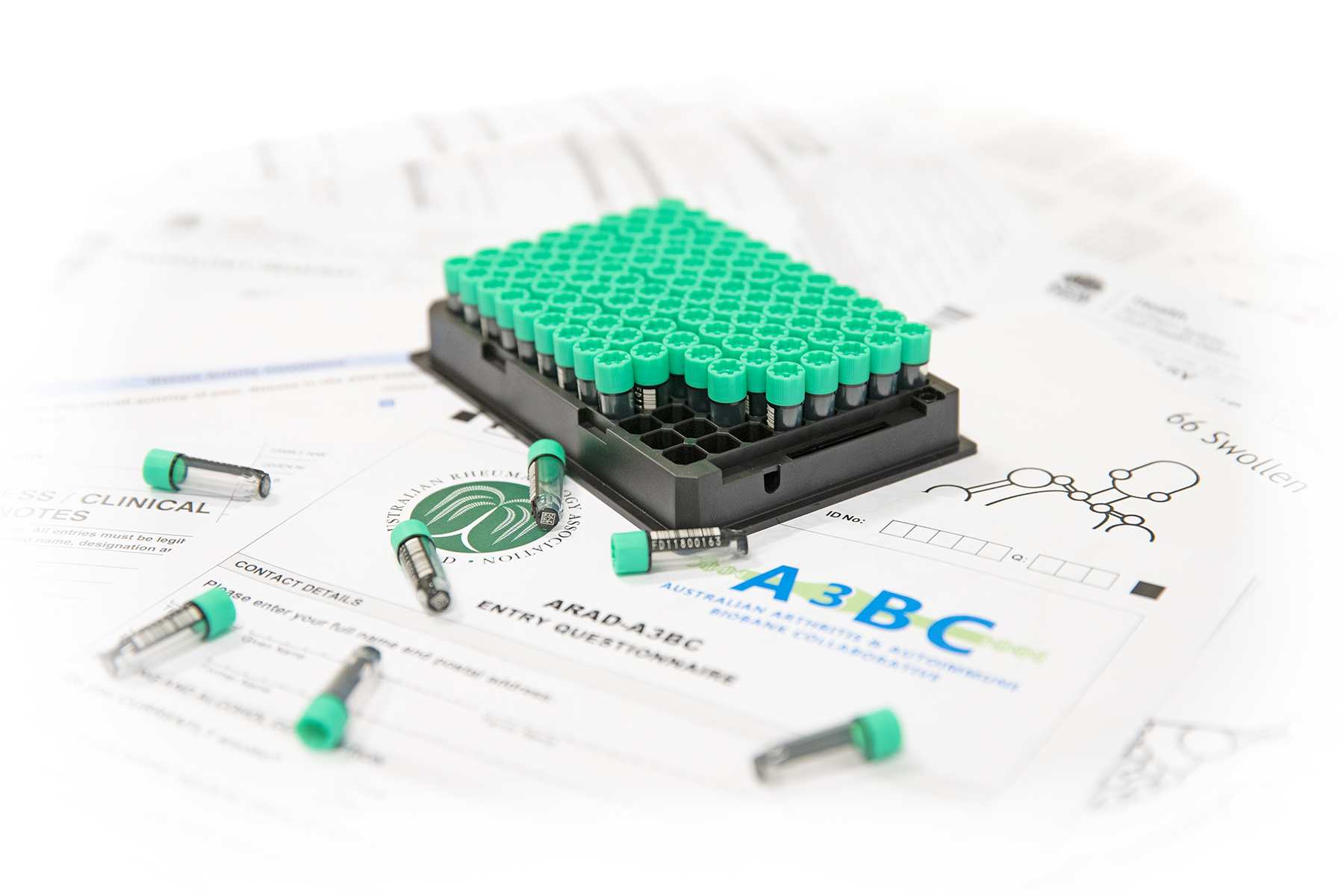
The A3BC hope to recruit more than 50,000 participants with various forms of arthritis and produce information on participant biology/biomarkers (such as genetics), environmental and lifestyle factors, clinical factors, and health service/prescription for more precise detection of risk factors, improved treatments and prediction tools for these conditions.
The initial scope of A3BC research is to better understand biological and environmental risk factors in Rheumatoid Arthritis, Juvenile Idiopathic Arthritis, Psoriatic Arthritis, Ankylosing Spondylitis, Vasculitis, Myositis and Sjogren’s Syndrome. Once the A3BC has established these diseases within national operations, additional conditions such as Lower Back Pain, Gout, Scleroderma, Systemic Lupus Erythematosus and Osteoarthritis are intended for future collection.
This project has been initiated by the lead study doctor, Professor Lyn March AM, in collaboration with more than 50 other leading national doctors and researchers from over 50 hospitals, universities and research institutes across Australia. The A3BC is funded by the CLEARbridge Foundation (a philanthropic organisation) and A3BC partner nodes across Australia. Further Commonwealth funding is also being sought.
The A3BC is committed to developing a complex, yet easily used solution to a challenging set of conditions.
For more information:
Please visit the A3BC website www.a3bc.org.au or
Contact
A3BC Headquarters Project Team:
Email – info@a3bc.org.au
Phone – 02 9463 1891

